How Long Do Hyperbaric Oxygen Therapy Results Last?
Explore the clinic directoryIn this article
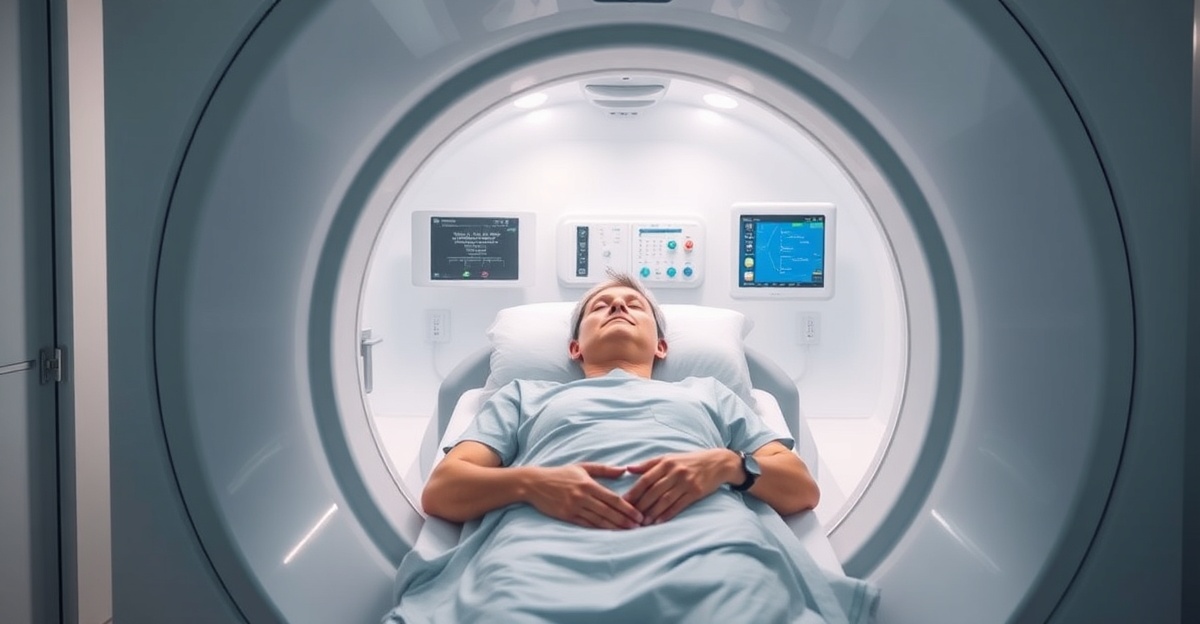
HBOT effects last anywhere from hours to years, depending on the condition treated, the number of sessions completed, and your individual health. Acute effects from a single session fade within 24 to 72 hours. Cumulative effects from a full course persist for 6 to 12 months. Structural changes such as new blood vessel formation are permanent. A high-dose PTSD protocol showed benefits persisting for 2 years post-treatment (Doenyas-Barak et al., 2024).
How long do the effects of one HBOT session last?
The effects of a single HBOT session last roughly 24 to 72 hours. When you breathe 100% oxygen at elevated pressure (typically 1.5 to 3.0 ATA) in a hyperbaric chamber, your blood plasma becomes supersaturated with oxygen, delivering far more oxygen to tissue than normal breathing. This triggers several acute effects that begin during the session and extend into the following hours.
Acute effects (0 to 72 hours post-session):
- Reduced inflammation: HBOT suppresses pro-inflammatory cytokines. The effect is noticeable within hours and typically lasts 1 to 3 days.
- Increased energy and mental clarity: Oxygen saturation often produces alertness and improved focus, fading within 24 to 48 hours after a single session.
- Improved circulation: Vasodilation and microcirculation begin normalizing within a few days.
- Pain reduction: Many patients report reduced pain for 1 to 3 days following a session, driven by the anti-inflammatory response and improved tissue oxygenation.
These acute effects are real but temporary after a single session. They represent your body’s immediate response to the hyperoxic environment. The meaningful therapeutic changes that persist come from cumulative sessions.
How long do results last after a full HBOT course?
Results from a full HBOT course of 20 to 40 sessions typically persist for 6 to 12 months, and the structural changes can be permanent. The body undergoes measurable biological changes that outlast any single session.2
Angiogenesis (new blood vessel formation): Repeated hyperbaric oxygen exposure stimulates growth of new capillaries in oxygen-deprived tissue. This process takes 2 to 3 weeks to initiate and continues for weeks after the final session. Once formed, these blood vessels are permanent, which is why wound-healing improvements from HBOT can be lasting.
Stem cell mobilization: Thom et al. (2006) found that HBOT roughly doubles circulating stem cells after a single treatment and increases them about 8-fold (close to 800%) after 20 treatments.3 These stem cells migrate to injured areas and contribute to tissue repair over the following weeks and months.
Collagen synthesis: The oxygen-dependent process of collagen production accelerates during treatment, supporting wound healing and tissue remodeling that continues after treatment ends.
Mitochondrial recovery: Repeated sessions help restore mitochondrial function in damaged cells, and these improvements can persist for months.
How long do HBOT effects last by condition?
| Condition | Effect Duration | Structural or Symptomatic | Maintenance Needed |
|---|---|---|---|
| Wound healing | Permanent once healed | Structural (angiogenesis) | No |
| Neurological (TBI, stroke) | Weeks to months, possibly lasting | Mixed | Sometimes |
| PTSD (high dose) | Up to 2 years | Symptomatic, dose-dependent | Dose-dependent |
| Long COVID | Months post-treatment | Symptomatic | Under study |
| Anti-aging / telomere | Persisted at 6-month follow-up | Cellular | Likely |
Wound Healing
Wound-healing benefits from HBOT are often lasting. Once new blood vessels form in previously ischemic tissue, the vascular changes are structural and permanent. Wound closure outcomes from clinical HBOT courses are typically durable, particularly in diabetic ulcers, radiation injury, and osteomyelitis.2 The new vasculature continues supporting the healed tissue. See our guide to HBOT for wound healing for the outcome data by wound type.
Neurological Conditions (TBI, Stroke)
Multiple randomized trials report cognitive improvements in TBI patients after 40 to 60 HBOT sessions. Duration of benefit ranges from weeks to months to potentially lasting, depending on total dose and baseline severity. SPECT imaging shows measurable increases in cerebral blood flow that persist after treatment, and post-stroke recovery benefits have been documented at follow-up periods of 6 months or more in published trials.
PTSD
Dose matters more in PTSD than in most HBOT applications. Doenyas-Barak et al. (2024) compared three protocols and found a near-linear dose-response relationship, with the highest-dose protocol producing the most durable benefit.1 For a deeper look, see our guide to HBOT for PTSD.
| Study | Total Dose (Atmosphere-Minutes) | Short-term Response | Long-term Response |
|---|---|---|---|
| Weaver et al. | 3,120 AMs | -17% symptoms | -7% at 6 months; +10% worsened at 12 months |
| Harch et al. | 3,420 AMs | -26% symptoms | Further improvement at 6 months |
| Doenyas-Barak et al. | 11,400 AMs | -39% symptoms | Persisted for 2 years post-treatment |
This data supports using a higher total dose for more durable PTSD outcomes.
Long COVID
Zilberman-Itskovich et al. (2022), a randomized controlled trial, found that 40 HBOT sessions significantly improved cognitive function, fatigue, and quality of life in post-COVID patients.4 Follow-up data from that trial and others indicate benefits lasting months after treatment. Research is ongoing to determine optimal protocols and long-term durability.
Anti-Aging and Wellness
Hachmo et al. (2020) found that a 60-session HBOT protocol at 2.0 ATA produced a roughly 20% increase in telomere length and a 37% reduction in senescent cells (biomarkers of biological aging) in healthy older adults.5 At the 6-month follow-up, these changes persisted, though the sample was small and the protocol specific. Cellular-level effects likely require maintenance sessions to sustain over time. Our HBOT anti-aging telomere data page covers this study in full.
What Affects How Long Benefits Last?
- Condition severity: More severe conditions may require more sessions for durable benefit.
- Total dose: Higher atmosphere-minutes correlate with more durable effects, particularly for neurological and psychiatric applications.
- Session frequency: Daily sessions build cumulatively; large gaps between sessions reduce the compounding effect.
- Overall health: Nutrition, sleep, and comorbidities influence response duration.
- Lifestyle after treatment: Continued smoking, poor nutrition, and uncontrolled inflammation may shorten the longevity of HBOT benefits.
- Maintenance sessions: Periodic booster sessions can extend benefits for wellness and anti-aging applications.
Do you need HBOT maintenance sessions?
Whether you need maintenance sessions depends on your goal. For wellness, anti-aging, and off-label chronic applications, periodic maintenance sessions help preserve benefits. Common approaches used clinically include:
- Monthly sessions (1 to 2 per month) for 6 to 12 months after the initial course
- A quarterly booster course (5 to 10 sessions) as needed
- A response-guided approach: resume treatment when symptoms re-emerge above a defined threshold
For FDA-cleared indications with definitive endpoints (wound healed, infection resolved), maintenance sessions are not typically indicated once the clinical goal is achieved. To plan a course, see our HBOT sessions guide and our HBOT before and after outcomes overview.
Frequently Asked Questions
How long do HBOT effects last for wound healing?
Wound-healing benefits are often permanent once healing is complete, because the structural changes (new blood vessels, collagen remodeling) are durable.2 The tissue that heals with HBOT support continues to be supported by the new vasculature that formed during treatment, so the effect does not simply wear off the way an acute anti-inflammatory response does.
Do I need maintenance sessions?
For clinical indications with definitive endpoints, typically no. For off-label wellness, neurological, or anti-aging applications, periodic maintenance sessions likely extend benefit duration. The evidence is clearest for PTSD, where Doenyas-Barak et al. (2024) showed that higher cumulative doses produce more durable outcomes.1
How many sessions do I need to see lasting effects?
Dias et al. (2008) reported that meaningful cumulative effects generally require at least 20 to 40 sessions.2 One or a handful of sessions produce primarily acute, short-lasting effects. Acute injuries may respond in fewer sessions (around 15 on average), while chronic and neurological conditions typically require 30 to 60.
Sources
- Doenyas-Barak K, Efrati S. Optimizing hyperbaric oxygen therapy for PTSD: the importance of dose and duration. Front Neurol, 2024;15:1447742. DOI: 10.3389/fneur.2024.1447742. PMID: 39391164
- Dias MD, Fontes B, Poggetti R, Birolini D. Hyperbaric oxygen therapy: types of injury and number of sessions. Undersea Hyperb Med, 2008;35(4):259-268. PMID: 18351127
- Thom SR, Bhopale VM, Velazquez OC, et al. Stem cell mobilization by hyperbaric oxygen. Am J Physiol Heart Circ Physiol, 2006;290(4):H1378-86. DOI: 10.1152/ajpheart.00888.2005
- Zilberman-Itskovich S, et al. Hyperbaric oxygen therapy improves neurocognitive functions and symptoms of post-COVID condition: randomized controlled trial. Sci Rep, 2022;12:11252. DOI: 10.1038/s41598-022-15565-0
- Hachmo Y, et al. Hyperbaric oxygen therapy increases telomere length and decreases immunosenescence in isolated blood cells. Aging (Albany NY), 2020;12(22):22445-22456. DOI: 10.18632/aging.202188
- Hadanny A, Efrati S. The Hyperoxic-Hypoxic Paradox. Biomolecules, 2020;10(6):958. DOI: 10.3390/biom10060958