

MD on staff
VYVE Wellness
- Ozone Therapy
- IV Therapy
- Laser Therapy (LLLT)
- Neurofeedback Therapy
- Hyperbaric Oxygen Therapy (HBOT)

Charlotte, NC
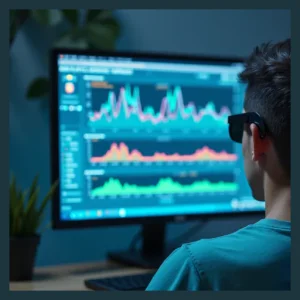
Charlotte has multiple clinics offering neurofeedback therapy, a form of EEG based biofeedback that trains the brain using real time electrical activity feedback. Neurofeedback is FDA cleared for relaxation and stress management, and many Charlotte providers also market it for ADHD, anxiety, PTSD, sleep, concussion recovery, and peak performance. Those secondary claims sit beyond the FDA cleared indications and are considered off label, with Emerging evidence in ADHD and anxiety and weaker evidence elsewhere. Providers typically include licensed psychologists, LPCs, and mental health professionals, and the de facto quality standard is Board Certification in Neurofeedback (BCIA). A reputable Charlotte clinic will start with a QEEG brain map to establish a baseline, set symptom based goals rather than vague optimization promises, and frame expectations realistically across a 20 session protocol. North Carolina does not license neurofeedback as a standalone profession, so scope depends on the provider's underlying credential. Cost and commitment vary widely, which makes careful vetting essential before signing up for a multi thousand dollar package.


Regulatory context
Repetitive transcranial magnetic stimulation (rTMS) is regulated as a Class II prescription device. The first 510(k) clearance went to NeuroStar in 2008 for treatment-resistant major depressive disorder. Subsequent clearances expanded the on-label scope to obsessive-compulsive disorder (BrainsWay deep TMS, 2018), smoking cessation (BrainsWay, 2020), anxious depression as an adjunct indication (2021), and migraine via single-pulse TMS devices such as eNeura SpringTMS and SAVI Dual. Biofeedback instruments are cleared under 21 CFR 882.1425 as Class II devices for relaxation training and stress reduction. EEG-based neurofeedback systems hold 510(k) clearances in the same category. Cranial electrotherapy stimulation, tDCS wellness devices, and many vagus nerve stimulation accessories sold direct to consumers are not cleared as medical devices, and clinical claims beyond cleared indications are off-label.
The North Carolina Medical Board investigates TMS clinics for supervision lapses and off-label marketing. The North Carolina attorney general enforces the Unfair and Deceptive Trade Practices Act against misleading medical device advertising, including neurofeedback cure claims for autism or ADHD. Wellness clinics offering CES or tDCS face scrutiny when marketing implies FDA-cleared medical treatment. Commercial insurers and North Carolina Medicaid typically require documented treatment-resistant depression before covering TMS for major depressive disorder.
Available here
Nationwide
Neurofeedback Therapy clinics across the US