Hyperbaric Chamber for Dogs: Evidence, Protocols and What Vets Say
Explore the clinic directoryIn this article
Hyperbaric oxygen therapy for dogs (HBOT) means a dog breathes near-100% oxygen inside a pressurized veterinary chamber, which dissolves extra oxygen into the blood to support healing in wounds, neurologic and spinal injuries, carbon monoxide poisoning and deep infections. In the largest veterinary safety analysis, a retrospective study of 2,792 treatment sessions, central nervous system oxygen toxicity occurred in just 0.7% of sessions, and the therapy is used as an adjunct to standard veterinary care, not a replacement (Montalbano et al., 2021).
Veterinarians also call it hyperbaric oxygen treatment, HBO therapy or hyperbaric chamber therapy, and owners often search for a dog oxygen chamber. The evidence is strongest for wound healing and thinnest for chronic conditions, and most of it comes from retrospective case series and physiology rather than controlled trials. Treatment is offered mainly at veterinary teaching hospitals and specialty referral practices, and it is often paid out of pocket unless a pet insurance policy covers it.
Key Takeaways
- HBOT for dogs delivers near-100% oxygen at above-normal pressure, so extra oxygen dissolves in plasma and reaches poorly perfused tissue (Braswell and Crowe, 2012).
- Neurologic conditions made up 50.4% and tissue healing 31.4% of treatments in a 2,792-session small animal cohort (Montalbano et al., 2021).
- Central nervous system oxygen toxicity, which can cause seizures, occurred in 0.7% of sessions in that cohort, and ear or sinus barotrauma is the most common risk.
- For acute canine intervertebral disc herniation (IVDD), HBOT is an emerging adjunct, and reviewers describe controlled evidence as limited (Lewis et al., 2020).
- The FDA does not require 510(k) clearance or premarket approval for devices intended for animal use, so the supervising veterinarian and the protocol matter more than the chamber label.
- Sessions usually last 45 to 90 minutes, and the number of sessions depends on the diagnosis and how the dog responds.
What Is a Hyperbaric Chamber for Dogs?
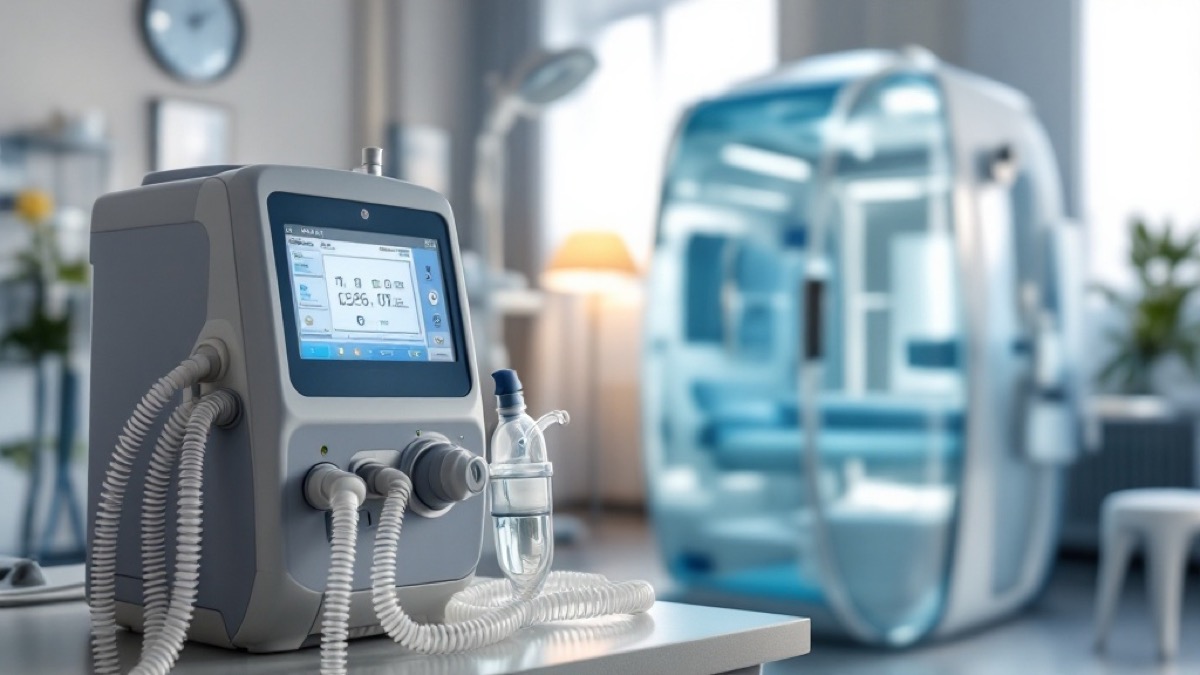
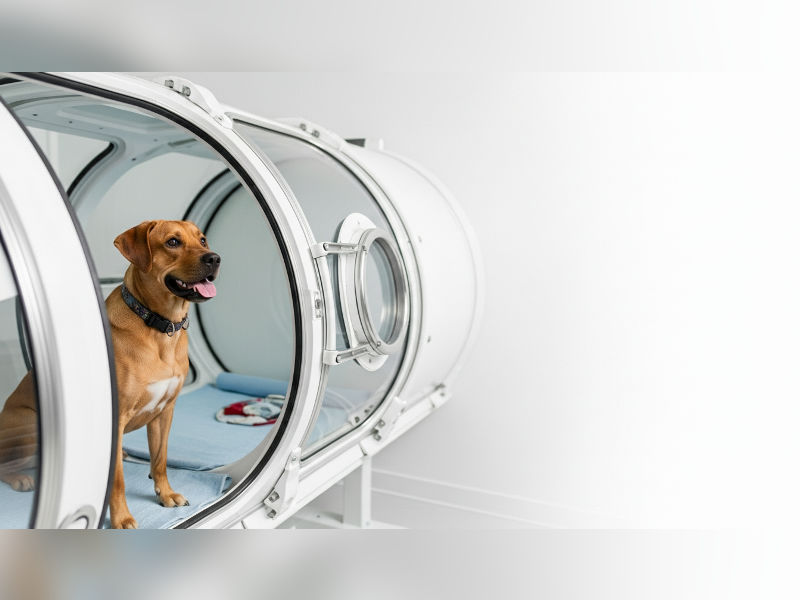
A hyperbaric chamber for dogs is a sealed, usually clear-walled vessel that is filled with oxygen and pressurized while the dog lies inside. Most veterinary units are monoplace chambers sized for one animal, the design studied in dogs by Shmalberg and colleagues (2015). The dog breathes the chamber atmosphere directly, so no mask or hood is needed, and staff watch through the walls for the whole session.
Is a dog oxygen chamber the same as hyperbaric therapy?
An oxygen cage and a hyperbaric chamber are different treatments. An oxygen cage, sometimes called an oxygen kennel, raises the oxygen concentration around a dog at normal pressure and is used in emergency hospitals for dogs struggling to breathe, for example with pneumonia or heart failure. A hyperbaric chamber adds pressure, which drives far more oxygen into plasma than a higher concentration alone. The same distinction exists in human medicine, set out in our comparison of HBOT and normobaric oxygen therapy.
Who provides hyperbaric oxygen therapy for dogs?
Veterinary HBOT is offered mainly by teaching hospitals at colleges of veterinary medicine and by specialty and emergency referral hospitals. The clinicians involved are usually emergency and critical care specialists, veterinary surgeons, veterinary neurologists and rehabilitation veterinarians, with trained technicians running the chamber. Most dogs reach a chamber through a referral from their primary care veterinarian.
Regenerated.com lists hyperbaric clinics that treat people, not animals. If a dog's treatment has you reading about HBOT for yourself, the hyperbaric oxygen therapy treatment guide explains the human indications, and the national directory of HBOT clinics lists providers by state. Listing order there is not paid ranking, Featured slots are labeled and capped, Verified means credential checks rather than spend, and the directory is free for patients.
How Does HBOT Work for Dogs?
Inside a veterinary hyperbaric chamber, air pressure rises above normal and your dog breathes near-100% oxygen. That pressure dissolves extra oxygen directly into blood plasma, so it reaches tissues that damaged or swollen blood vessels no longer supply well. The mechanisms are the same ones documented in human hyperbaric medicine: reduced swelling, improved oxygen delivery to poorly perfused tissue, suppression of anaerobic bacteria, and stimulation of new blood vessel growth (Braswell and Crowe, 2012).
A session is short. Most run 45 to 90 minutes depending on the condition. The dog rests in a clear-walled chamber where staff can watch throughout, and many dogs relax or sleep. The number of sessions depends on the diagnosis, from a few for an acute problem to a longer course for chronic tissue healing. For a general primer on how the equipment works, see our guide to what a hyperbaric chamber is, and our guide to HBOT sessions for what a course involves.
Which Conditions in Dogs Respond to HBOT?
Veterinary HBOT is used most for wound healing, neurologic and spinal injury, and life-threatening gas or infection emergencies. The strength of evidence varies by condition, and much of it is retrospective or mechanistic rather than from controlled trials.
HBOT Uses in Dogs by Evidence Level
| Condition | Evidence level | Typical session count |
|---|---|---|
| Wound healing and surgical recovery | Moderate (retrospective, mechanistic) | 5 to 10 |
| Neurologic and spinal injury (IVDD) | Emerging (adjunctive) | 3 to 10 |
| Carbon monoxide poisoning | Strong mechanistic rationale | 1 to 3 |
| Anaerobic infection and abscess | Emerging (mechanistic) | Varies with infection |
| Post-surgical swelling | Emerging | 3 to 6 |
Wound Healing and Surgical Recovery
This is the best-supported use. Raising tissue oxygen supports collagen production, white blood cell function, and new blood vessel growth, which is why HBOT is applied to non-healing wounds, compromised surgical sites, and burns. A veterinary review of traumatic injury and wound care sets out the rationale and the case for HBOT as an adjunct in these cases (Levitan and Rock, 2021). The therapy supports healing alongside surgery, antibiotics, and standard wound management rather than replacing them.
Typical canine cases include bite wounds, degloving injuries to the legs, and skin flaps or grafts at risk of failing. The same tissue-oxygen logic underpins human use, described in our overview of HBOT for chronic wounds in people.
Neurologic Injury and Spinal Trauma
Brain and spinal cord injuries cause swelling that cuts oxygen to nerve tissue, and HBOT is used to reduce that swelling and support still-viable tissue in the early window after injury. In acute canine intervertebral disc herniation, HBOT is discussed as an emerging adjunctive therapy, though the authors are clear that high-quality controlled evidence is still limited (Lewis, 2020). HBOT cannot reverse permanent nerve damage; its plausible role is protecting tissue that remains salvageable.
Breeds prone to IVDD, such as Dachshunds, French Bulldogs and Corgis, appear often in this group, and HBOT is typically added after decompressive surgery or alongside strict crate rest and physical rehabilitation. Human research on the brain follows a similar rationale, summarized in our piece on hyperbaric oxygen for brain injury.
Carbon Monoxide Poisoning and Smoke Inhalation
Carbon monoxide binds hemoglobin far more tightly than oxygen does, and high-pressure oxygen displaces it faster than breathing room air. This is the mechanistic basis for HBOT in carbon monoxide poisoning, an emergency use where the physiology is well established. Smoke inhalation can add chemical airway injury, and pressurized oxygen helps restore normal oxygen carriage while supportive care addresses the rest.
Dogs rescued from house fires are a common example, and they often share the exposure with their owners. Carbon monoxide poisoning is one of the established human indications for hyperbaric oxygen, covered in our guide to carbon monoxide poisoning treatment.
Infections, Abscesses, and Post-Surgical Swelling
Anaerobic bacteria cannot survive in high-oxygen tissue, so HBOT is used against deep infections and abscesses, and high oxygen can also support white blood cell killing and the action of some antibiotics. After major surgery, HBOT is sometimes added to reduce inflammation and swelling around incisions. Evidence for these uses is largely mechanistic, so they belong as adjuncts under veterinary direction.
What Happens During a Dog’s Hyperbaric Session?
| Phase | What happens | Duration | Your dog’s experience |
| Pre-treatment check | Vet examines dog, checks vitals | 10 to 15 minutes | Basic exam, low stress |
| Chamber entry | Dog enters, door seals | 2 to 3 minutes | Curious or slightly anxious |
| Pressurization | Pressure increases gradually | 5 to 10 minutes | Ears pop, as on a plane |
| Treatment | Dog rests, breathes oxygen | 45 to 90 minutes | Most relax, some sleep |
| Depressurization | Pressure returns to normal | 10 to 15 minutes | Comfortable, no discomfort |
Staff monitor the dog through viewing windows for the whole session, and treatment stops if a dog shows distress. Most facilities ask you to withhold your dog’s meal beforehand, because a full stomach can cause nausea during pressurization. Some clinics let you stay in view to help an anxious dog settle.
Collars, harnesses with metal hardware, coats and heat packs come off before entry. Many teams also check body temperature before and after, since a dog cannot cool itself well in a closed chamber (Shmalberg et al., 2015). Outpatients usually come in on a schedule set by the veterinarian and go home between sessions.
What Are the Side Effects and Risks?
Veterinary HBOT is well tolerated in published cohorts when protocols are followed, but it carries real risks. The most common is barotrauma, pressure injury to the ears or sinuses, and dogs with ear infections are at higher risk. The more serious concern is central nervous system oxygen toxicity, which can cause seizures. In the 2,792-session cohort, oxygen toxicity occurred in 0.7% of sessions, with only minor events otherwise, such as agitation or vomiting in a small number of dogs (Montalbano et al., 2021). A separate monoplace-chamber study documented the rectal temperature rise and oxygen-toxicity risk that drive standard session limits (Shmalberg et al., 2015).
Fire risk requires strict protocols because a 100% oxygen environment is highly flammable, so metal collar hardware, battery devices, and certain fabrics stay out of the chamber. Contraindications include untreated pneumothorax (a collapsed lung), some chemotherapy drugs, and seizure disorders, which need close monitoring. Your veterinarian screens for these before the first session.
The same hazards apply to people in chambers, which is why human hyperbaric units follow written fire and pressure protocols. Our review of hyperbaric chamber side effects describes ear barotrauma and oxygen toxicity in more detail.
What Does the Veterinary Evidence Show?
The veterinary evidence for HBOT in dogs is mostly retrospective and mechanistic. The five published sources cited below are one large retrospective cohort, one chamber study in dogs and three reviews, and none is a randomized controlled trial. That supports HBOT as a reasonable adjunct for selected cases, not as a stand-alone treatment.
| Source | Type of evidence | What it reports |
|---|---|---|
| Montalbano et al., 2021, Frontiers in Veterinary Science | Retrospective cohort of 2,792 sessions in small animal patients | Neurologic conditions were 50.4% and tissue healing 31.4% of treatments, and CNS oxygen toxicity occurred in 0.7% of sessions. |
| Levitan and Rock, 2021, Journal of Small Animal Practice | Review | Sets out the rationale for HBOT as an adjunct in traumatic injury and wound care. |
| Lewis, Jeffery and Olby, 2020, Frontiers in Veterinary Science | Review of emerging and adjunctive therapies | Lists HBOT for acute intervertebral disc herniation as emerging, with limited controlled evidence. |
| Shmalberg et al., 2015, Undersea and Hyperbaric Medicine | Study of dogs treated in a monoplace chamber | Documents rectal temperature rise and oxygen toxicity risk during sessions. |
| Braswell and Crowe, 2012, Compendium | Clinical review | Describes the mechanisms of HBOT and the contraindications vets screen for. |
Human hyperbaric medicine has a deeper evidence base and a formal list of accepted indications, maintained by the Undersea and Hyperbaric Medical Society. Our summary of the FDA-cleared indications for HBOT in people shows how narrow that list is compared with the range of uses clinics advertise.
Is HBOT for dogs FDA approved?
Veterinary hyperbaric chambers do not go through FDA review. According to the FDA Center for Veterinary Medicine, the agency does not require a 510(k), premarket approval or any other premarket submission for devices intended for animal use, although it can act against an animal device that is misbranded or adulterated. In practice, the training of the supervising veterinarian and the facility's written protocols are the safeguards to ask about.
How Much Does HBOT for Dogs Cost?

Single sessions typically run $100 to $300, depending on location and facility, and a course of 5 to 20 sessions adds up quickly. Some pet insurance policies include hyperbaric oxygen under alternative-therapy benefits and others exclude it, so check the policy details before starting. Our overview of HBOT insurance coverage explains how these policies usually work.
The total bill depends less on the per-session fee than on the whole episode of care. Referral exam fees, hospitalization, sedation for an anxious dog, wound care and surgery are often billed separately, so ask for a written estimate that covers the full planned course. Human HBOT pricing works differently and is broken down in our guide to hyperbaric chamber cost.
Access is the other constraint. Not every clinic has a chamber. University teaching hospitals and specialty referral practices are the most likely to offer it, so owners in rural areas may face a long drive per session. If your dog has a wound or oxygen-related emergency, HBOT sits alongside other options, and our pages on oxygen therapy for dogs and veterinary oxygen therapy cover the alternatives.
Is Hyperbaric Therapy Right for Your Dog?
HBOT is not the answer for every condition, and not every sick dog needs it. For wounds that will not close, some neurologic injuries, and gas emergencies, it offers benefits that standard care alone may not. Start with a direct conversation with your veterinarian: what is the diagnosis, what do standard treatments usually achieve, and would HBOT be a primary treatment or an add-on? Temperament matters too, since calm dogs handle the chamber more easily and anxious dogs may need gradual desensitization. If your dog has a condition that responds, a qualified facility is reachable, and the cost is manageable, HBOT is worth discussing as part of the plan. Related tissue-repair uses are covered in our page on HBOT for wound healing.
These questions help when you meet the hyperbaric team:
- Which diagnosis is HBOT meant to help, and what published evidence supports it for that condition?
- Will HBOT be added to standard care, and what happens if it is skipped?
- How many sessions are planned, and how will progress be judged before each extra session?
- Who supervises the session, and how do staff handle a seizure, overheating or ear pain?
- What does the full course cost, and does my pet insurance policy cover it?
Frequently Asked Questions About HBOT for Dogs
How long is each session and how many treatments are needed?
Each hyperbaric session for a dog usually lasts 45 to 90 minutes, with the duration set by the condition being treated. The number of treatments varies by case: acute injuries may need 5 to 10 sessions, while chronic tissue-healing problems may need 15 to 20, and some dogs continue with periodic maintenance sessions. Your veterinarian sets the schedule based on the diagnosis and how your dog responds (Montalbano et al., 2021).
Are there size or breed restrictions?
Chamber size determines fit, and most veterinary facilities can treat both small and large breeds. Flat-faced (brachycephalic) breeds such as Bulldogs and Pugs need extra monitoring because of their airway anatomy, but they can still be treated under close supervision. Your veterinarian confirms suitability during the pre-treatment check, which covers breathing, ears, body temperature and temperament before the first session.
What conditions should prevent my dog from receiving HBOT?
An untreated pneumothorax (collapsed lung) is a strict contraindication, because pressure changes can worsen it. Some chemotherapy drugs make treatment unsafe, ear infections raise the risk of barotrauma, and dogs with seizure disorders need special monitoring given the small risk of oxygen-related seizures. Your veterinarian screens for these before starting and may delay treatment until an ear or chest problem is managed (Braswell and Crowe, 2012).
Is the therapy painful or stressful for dogs?
Hyperbaric oxygen therapy is not painful for dogs, and most rest or sleep through it. The main sensation is brief ear pressure during pressurization, similar to an airplane takeoff, which passes quickly. Dogs that are anxious about enclosed spaces may need a calm, gradual introduction to the chamber, and staff stop the session if a dog shows distress at any point.
What is the difference between an oxygen cage and a hyperbaric chamber for dogs?
An oxygen cage raises the oxygen concentration around a dog at normal pressure, while a hyperbaric chamber also raises the pressure, which dissolves much more oxygen into blood plasma. Emergency hospitals use oxygen cages for dogs struggling to breathe, such as dogs with pneumonia. Hyperbaric chambers are used for wounds, neurologic injury, carbon monoxide poisoning and deep infections, and far fewer veterinary hospitals have one.
Can my dog use a home or human hyperbaric chamber?
A home or human hyperbaric chamber is not a substitute for veterinary HBOT. Veterinary sessions run under a protocol set by a veterinarian, with staff watching for seizures, overheating and ear pain, and with fire rules for a high-oxygen environment. Devices for animal use also need no FDA premarket review, so the supervising team matters more than the equipment. Ask your veterinarian before putting a dog in any chamber.
Sources
- Montalbano C, Kiorpes A, Elam L, et al. “Common Uses and Adverse Effects of Hyperbaric Oxygen Therapy in a Cohort of Small Animal Patients: A Retrospective Analysis of 2,792 Treatment Sessions.” Frontiers in Veterinary Science, 2021;8:764002. doi:10.3389/fvets.2021.764002
- Levitan DM, Rock K. “Rationale for hyperbaric oxygen therapy in traumatic injury and wound care in small animal veterinary practice.” Journal of Small Animal Practice, 2021;62(9):719-729. doi:10.1111/jsap.13356
- Lewis MJ, Jeffery ND, Olby NJ. “Emerging and Adjunctive Therapies for Spinal Cord Injury Following Acute Canine Intervertebral Disc Herniation.” Frontiers in Veterinary Science, 2020;7:579933. doi:10.3389/fvets.2020.579933
- Shmalberg J, Davies W, Lopez S, et al. “Rectal temperature changes and oxygen toxicity in dogs treated in a monoplace chamber.” Undersea and Hyperbaric Medicine, 2015;42(1):95-102. PMID 26094309
- Braswell C, Crowe DT. “Hyperbaric oxygen therapy.” Compendium on Continuing Education for the Practicing Veterinarian, 2012;34(3):E1-5. PMID 22487778