10-Pass Ozone Therapy Benefits: What the Evidence Actually Supports
Explore the clinic directoryIn this article
The best supported benefit of 10-pass ozone therapy is improved mitochondrial function: König and Lahodny (2022) measured higher mitochondrial reserve capacity in blood cells from six people after two sessions. Every other claimed benefit, including deeper immune modulation and a stronger antimicrobial effect, rests on biological plausibility and clinical anecdote rather than controlled trials.
10-pass ozone therapy, also called ozone high dose therapy (OHT) or multipass hyperbaric ozone therapy, delivers roughly 17 times more ozone than a standard major autohemotherapy (MAH) session. That intensity is the entire selling point. Clinics charge $500 to $900 per session for it. Whether the higher dose produces better clinical outcomes than MAH has never been tested in a head to head trial, and the honest answer is more nuanced than most clinic marketing suggests.
Each claimed benefit below carries an evidence grade, followed by the safety picture, the FDA position, costs, and when this premium protocol makes sense compared to standard MAH.
Key Takeaways
- 10-pass ozone therapy delivers approximately 140,000 mcg of ozone per session compared to roughly 8,000 mcg in standard MAH, according to the dosing described by its developer, Dr. Johann Lahodny.
- The strongest evidence based benefit is improved mitochondrial function, documented by König and Lahodny (2022) in a six person study with no control group.
- Claims of deeper immune modulation and stronger antimicrobial effects are biologically plausible but lack robust clinical trial data, and no study has compared 10-pass with MAH directly.
- Standard MAH has 70+ randomized controlled trials behind it, while 10-pass has one mechanistic study that Italian ozone researchers publicly criticized in 2022.
- The FDA classifies ozone as a toxic gas with no known useful medical application (21 CFR 801.415), so 10-pass is an unapproved, cash pay therapy in the United States.
- The choice between 10-pass and MAH depends on condition severity, budget, and individual response, and many clinicians start with MAH and escalate only if needed.
How 10-Pass Differs From Standard MAH
Standard MAH involves drawing about 200 mL of blood, mixing it with an ozone-oxygen gas mixture at a specific concentration, and reinfusing it. The total ozone dose is approximately 8,000 mcg. The procedure takes 30 to 60 minutes.
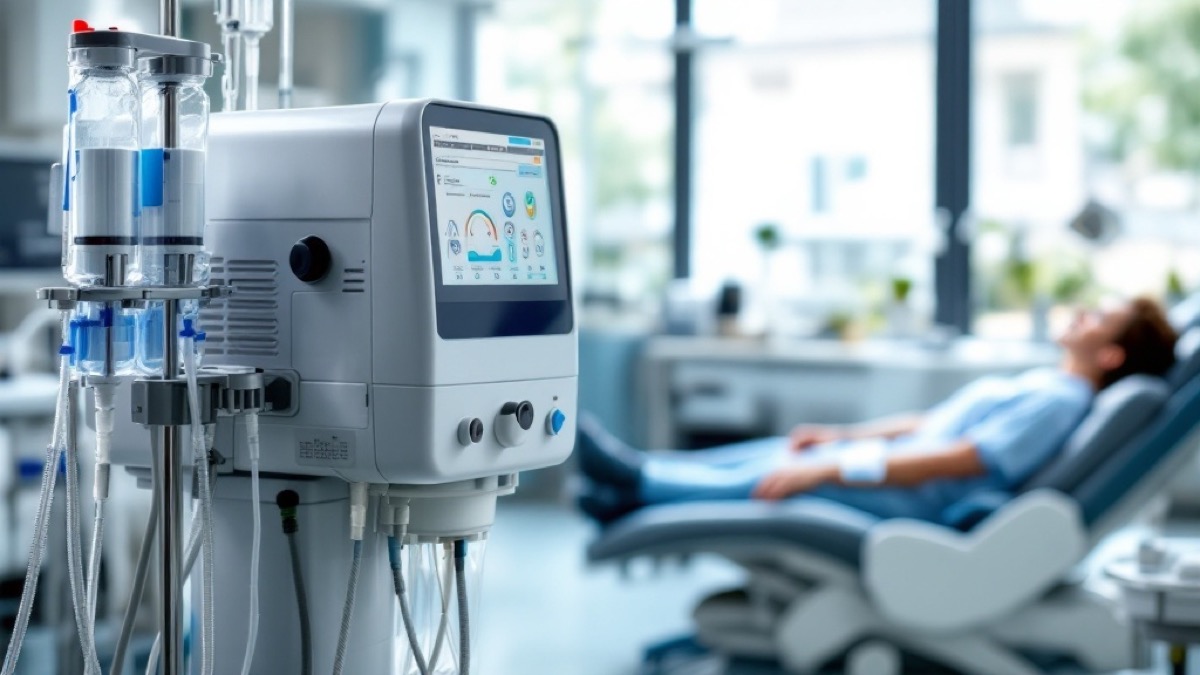
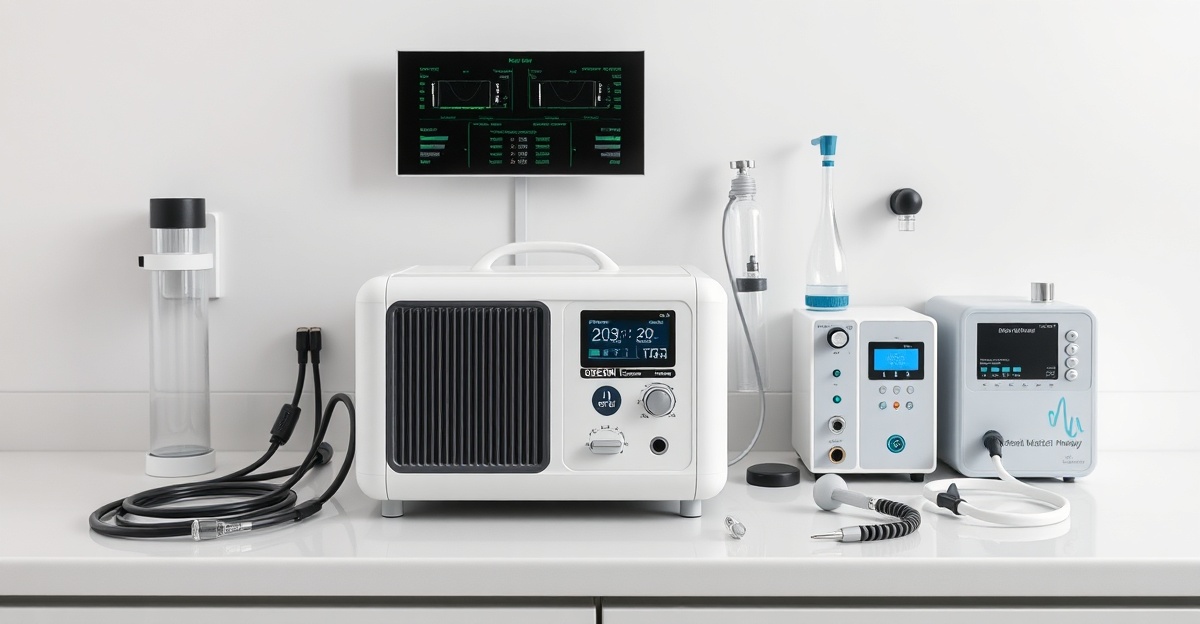
10-pass ozone therapy, developed by Dr. Johann Lahodny in Austria, uses a hyperbaric pressurized system (the Herrmann Hyper-Medozon device) to cycle blood through ozonation 10 times in a single session. Each pass processes approximately 200 mL of blood. The total volume treated is about 2,000 mL, and the total ozone dose reaches approximately 140,000 mcg.
The session takes 60 to 90 minutes. An IV line is placed, and blood is drawn, ozonated under pressure, and returned in repeated cycles. The pressurized system allows higher ozone concentrations to dissolve into the blood than gravity-based MAH.
Rowen and colleagues (2022), writing about ozone dialysis in Medical Gas Research, describe the same arithmetic: a single pressurized 200 mL pass, repeated nine more times in one sitting, nets up to 140,000 mcg of ozone, and American users commonly call this "10 pass" (PMC9555023). Extracorporeal blood oxygenation and ozonation (EBOO) is a third option that filters blood through a dialysis style circuit; our comparison of EBOO and 10-pass covers the trade offs.
For a deeper look at what 10-pass ozone therapy involves, see our complete guide to 10-pass ozone therapy.
Claimed Benefits: What the Evidence Shows
1. Improved Mitochondrial Function
Evidence level: Moderate (one mechanistic study)
The strongest piece of evidence for 10-pass comes from research by Brigitte König and Johann Lahodny examining mitochondrial bioenergetics in peripheral blood mononuclear cells. The study found that mitochondrial reserve capacity and maximal respiration significantly increased after just two sessions of high-dose ozone therapy given within one week (König and Lahodny, 2022, Translational Medicine Communications).
Mitochondrial reserve capacity is the difference between resting energy production and the maximum energy a cell can produce under stress. Higher reserve capacity means cells can better handle increased demands, whether from infection, inflammation, or physical exertion. The study combined these measurements into a bioenergetic health index (BHI), which also rose significantly.
This finding is clinically relevant for patients with conditions involving mitochondrial dysfunction, including chronic fatigue syndrome, fibromyalgia, and post-infectious syndromes. However, it is a single study of six people, four of whom had no acute or chronic illness, and the results have not been independently replicated.
The study also measured cells in a laboratory assay rather than patient symptoms. A group of Italian ozone researchers, with Salvatore Chirumbolo as corresponding author, argued in a 2022 published commentary that the work reported no clinical outcomes, no recruitment criteria and no control group, and that very high ozone doses risk the oxidative damage that low dose ozone is meant to avoid (Franzini et al., 2022).
2. Deeper Immune Modulation
Evidence level: Theoretical (extrapolated from general ozone research)
Ozone therapy at any dose stimulates immune activity. It triggers the production of interferons, interleukins, and tumor necrosis factor. It activates natural killer cells and macrophages. The question is whether 10-pass produces a meaningfully stronger immune response than standard MAH.
The theoretical case is straightforward: more ozone exposure means more oxidative signaling, which means greater cytokine production and immune cell activation. Some clinicians report that patients with chronic infections (Lyme disease, Epstein-Barr virus, chronic mold illness) respond more dramatically to 10-pass than to standard MAH.
But no controlled study has directly compared immune markers after 10-pass versus MAH in the same patient population. The claims rest on clinical observation and biological plausibility rather than comparative data.
3. Stronger Antimicrobial Effect
Evidence level: Theoretical (dose-response extrapolation)
Ozone is a potent oxidizer that can damage the cell membranes of bacteria, viruses, and fungi. Higher ozone concentrations produce stronger antimicrobial effects in laboratory settings. The logic extends that 10-pass, delivering far more ozone systemically, would have a more powerful antimicrobial impact.
Clinicians treating chronic Lyme disease, co-infections, and persistent viral reactivations often prefer 10-pass for this reason. Anecdotal reports describe patients clearing infections that did not respond to standard MAH protocols.
A test tube effect does not transfer neatly to the body. Blood contains antioxidants such as glutathione, uric acid and vitamin C that neutralize ozone within seconds. Velio Bocci, the Italian physiologist whose textbook underpins most ozone dosing, argued that ozone in blood works through the messengers it creates, hydrogen peroxide and lipid oxidation products, rather than as a direct germ killer (Sagai and Bocci, 2011).
“European ozone societies often regard multipass therapy skeptically, citing the absence of robust peer-reviewed evidence and the lack of clear advantage over well-documented MAH protocols.”
This reflects broader debates about optimal ozone dosing: the European ‘less is more’ approach versus the American ‘more is better’ philosophy.
4. Higher Oxidative Preconditioning
Evidence level: Theoretical (based on hormesis research)
Oxidative preconditioning is the process by which controlled oxidative stress upregulates the body’s antioxidant defenses. Ozone therapy works through this hormetic mechanism: a small stress triggers a disproportionately large protective response.
10-pass proponents argue that the higher ozone dose triggers stronger upregulation of superoxide dismutase (SOD), glutathione peroxidase, and catalase. If true, this would mean better protection against future oxidative damage from inflammation, toxins, or metabolic stress.
The ozone literature does support dose-dependent increases in antioxidant enzyme activity, but the dose-response curve is not linear. Bocci, Zanardi and Travagli (2011) described ozone acting on human blood as a hormetic dose-response relationship, with benefit inside a range and harm above it. At some point, more ozone stops being beneficial and starts causing oxidative damage. The therapeutic window for 10-pass has not been rigorously defined.
5. Improved Circulation and Oxygen Delivery
Evidence level: Supported (consistent with general ozone research)
Ozone therapy improves red blood cell flexibility and increases 2,3-DPG levels, which enhances oxygen release from hemoglobin to tissues. These effects are well-documented for standard MAH and would logically be amplified with higher-dose protocols.
Patients with circulatory issues, diabetic complications, or tissue hypoxia may benefit from the enhanced oxygen delivery that 10-pass provides. No published trial has measured that amplification directly, so the size of any extra benefit over MAH is unknown.
Who Reports the Best Results?
Based on clinical reports and practitioner consensus (not controlled trials), the patients who tend to report the most benefit from 10-pass versus standard MAH include:
- Chronic Lyme disease patients with persistent symptoms despite antibiotic treatment (see our Lyme disease condition page)
- Chronic fatigue and fibromyalgia patients with suspected mitochondrial dysfunction, a group covered on the fibromyalgia overview
- Mold illness/CIRS patients needing immune modulation support during detoxification after toxic mold exposure
- Post-viral syndrome patients (including long COVID) with lingering fatigue and inflammation
- Autoimmune patients seeking immune rebalancing rather than simple immune stimulation
- Cancer patients using ozone as adjunctive therapy alongside conventional treatment
Patients with mild or acute conditions may not need the intensity of 10-pass. Standard MAH, at a fraction of the cost, may produce equivalent results for less severe presentations.
For cancer in particular, the evidence is preclinical and early clinical. Clavo and colleagues (2018) concluded that ozone as an adjuvant to cancer treatment warrants further research, not that it is ready for routine use, and any ozone protocol should be coordinated with the treating oncologist.
10-Pass vs. Standard MAH: When Each Makes Sense
| Factor | Standard MAH | 10-Pass |
|---|---|---|
| Ozone dose | ~8,000 mcg | ~140,000 mcg |
| Session time | 30-60 minutes | 60-90 minutes |
| Cost per session | $150-$300 | $500-$900 |
| Published RCTs | 70+ | 0 (1 mechanistic study) |
| Best for | General wellness, mild-moderate conditions, maintenance | Complex chronic illness, treatment-resistant conditions |
| Accessibility | Widely available | Limited (requires specialized equipment) |
Standard MAH is the reasonable first step for most people, because it has the deeper research base, the lower cost and the wider availability. 10-pass is a step up in dose that some integrative physicians reserve for complex, treatment-resistant illness after MAH has been tried. Our overview of MAH ozone therapy explains the standard protocol in more detail.
What Happens During a 10-Pass Session?
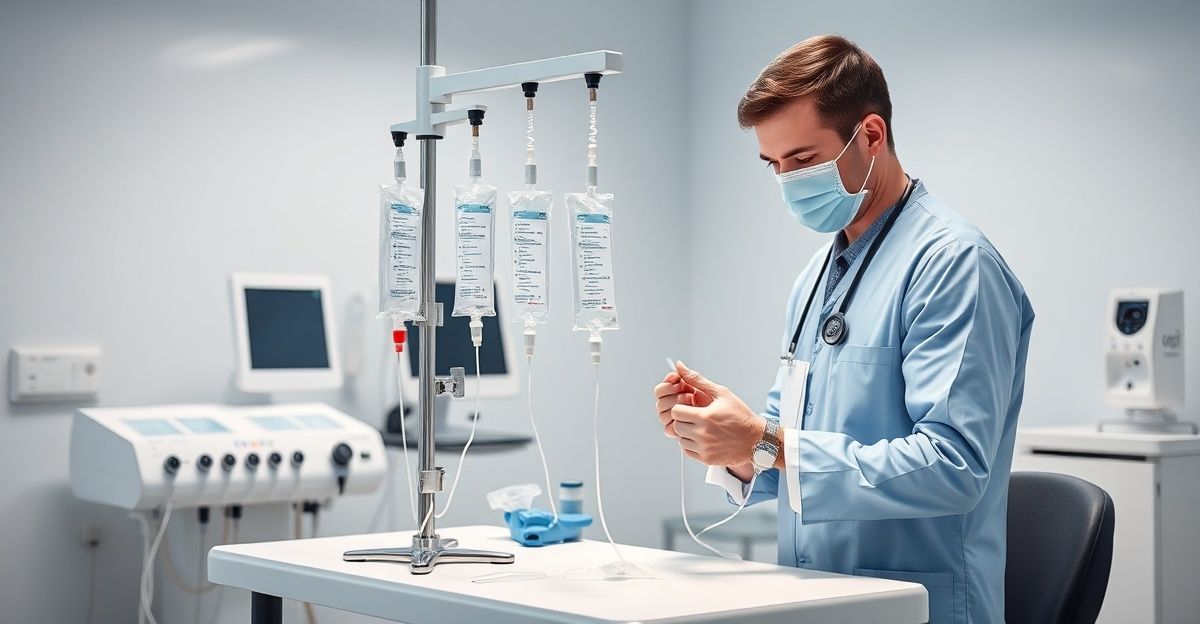
A 10-pass session is an outpatient IV procedure that runs 60 to 90 minutes in a clinic chair. The sequence below reflects the protocol Lahodny describes and the way most clinics that offer it run the visit.
- The clinician reviews your history and medications and usually checks recent bloodwork, including a G6PD enzyme test, before the first session.
- A nurse or physician places an IV catheter in an arm vein, often a larger gauge than a routine IV because blood has to flow out and back quickly.
- About 200 mL of blood is drawn into a pressurized glass bottle containing an anticoagulant such as heparin or sodium citrate.
- Ozone-oxygen gas is added under pressure, the bottle is gently mixed, and the ozonated blood flows back into the vein.
- The cycle repeats until 10 passes are complete, with breaks if the vein slows or you feel lightheaded.
- The IV comes out, pressure goes on the site, and the visit ends the same day.
Some patients report feeling energized after a session, while others feel tired or mildly flu-like for a day. Those reports are subjective and have not been measured in trials.
Side Effects, Risks and Who Should Avoid It
The most common side effects of 10-pass ozone therapy are local IV problems: bruising, vein irritation and, over many sessions, scarred or collapsed veins from repeated large catheters. Lightheadedness, fatigue and temporary flu-like symptoms are also reported, and some practitioners describe a die-off or Herxheimer-type reaction in patients treated for Lyme disease.
Ozone at high concentrations can damage red blood cells (hemolysis), which is the central concern critics raise about a protocol that multiplies the dose roughly 17 fold. Serious events reported in the wider ozone literature, such as gas embolism, are linked mostly to direct intravenous injection of ozone gas, a method that ozone societies reject, but they show why technique and equipment matter.
Who should not have 10-pass ozone therapy?
Contraindications listed in the ozone literature, including Bocci’s textbook Ozone: A New Medical Drug, include G6PD deficiency (favism), pregnancy, uncontrolled hyperthyroidism, bleeding disorders or a low platelet count, severe anemia, and an unstable heart condition. People taking blood thinners need a clinician to plan around the anticoagulant used in the bottle. Our guide to IV ozone therapy side effects covers the reported reactions in more depth.
Is 10-Pass Ozone Therapy FDA Approved?
No. The US Food and Drug Administration states in 21 CFR 801.415 that ozone is a toxic gas with no known useful medical application in specific, adjunctive or preventive therapy. No ozone generator or 10-pass system is FDA approved for treating any disease.
In practice, licensed physicians (MDs and DOs) offer 10-pass as an unapproved, off label service under state medical practice rules, and in some states naturopathic doctors or nurse practitioners do as well. What is allowed varies by state, which is why availability is patchy. The background is covered in whether ozone therapy is FDA approved.
Limitations of the Evidence
The honest assessment is this: 10-pass ozone therapy has a strong theoretical basis, one supportive mechanistic study, and a large body of clinical anecdote. What it does not have is comparative clinical trial data.
No study has randomized patients to receive 10-pass versus standard MAH and measured clinical outcomes. Without this, it is impossible to know with certainty whether the higher dose produces proportionally better results or whether the additional cost is justified by superior outcomes.
The European ozone community’s skepticism is not unreasonable. Standard MAH has decades of research behind it. The assumption that “more ozone equals better results” oversimplifies a biological system where hormetic responses have optimal ranges, not linear dose-response curves.
A search of ClinicalTrials.gov for ozone high dose therapy is the simplest way to check whether a controlled 10-pass trial has started since this page was last updated.
Cost Considerations
A typical 10-pass protocol involves 6 to 10 sessions over several weeks, followed by periodic maintenance. At $500 to $900 per session, a full initial course costs $3,000 to $9,000. Monthly maintenance adds $500 to $900.
For comparison, a standard MAH protocol of 10 to 20 sessions costs $1,500 to $6,000. Monthly maintenance is $150 to $300.
Insurance does not cover either treatment in most cases. Patients should evaluate whether the additional cost of 10-pass is justified by their clinical response, ideally by trying a few sessions and assessing their improvement before committing to a full course. Our breakdown of 10-pass ozone therapy pricing covers what drives the range.
How to Find a 10-Pass Ozone Therapy Provider
Fewer clinics offer 10-pass than standard MAH, because it requires a pressurized system and staff comfortable with repeated large-bore IV access. You can compare practices that list ozone services on our national ozone therapy clinic directory, then confirm by phone which ones run a true 10-pass protocol rather than MAH or EBOO. The ozone therapy treatment guide explains the other delivery methods you will see listed.
Listing order on Regenerated.com is not a paid ranking. Featured slots are clearly labeled and capped, and Verified means a clinic has passed our credential checks, not that it paid more. The directory is free for patients, and inclusion is not an endorsement; the guide to Featured, Verified and organic listings explains each label.
Questions to ask a 10-pass clinic
- Who places the IV and who supervises the session, and what is their licensure?
- Do you screen for G6PD deficiency and review my bloodwork before the first session?
- Which anticoagulant and what ozone concentration do you use for each pass?
- What training has the physician completed, for example through ISCO3 or the American Academy of Ozonotherapy (AAOT)?
- What is your emergency plan for a fainting episode, an allergic reaction or a suspected embolism?
- What is the total price for the course you recommend, and how will we judge whether it is working?
The Bottom Line
10-pass ozone therapy delivers a substantially higher dose of ozone than standard MAH, and the mitochondrial research from König and Lahodny provides a legitimate mechanistic foundation for its use. But the gap between mechanistic plausibility and clinical proof remains wide.
For patients with complex, treatment-resistant conditions who have the budget, 10-pass may offer benefits beyond what standard MAH provides. For others, standard MAH with its far deeper evidence base and lower cost may be the more rational starting point. The best approach is often to start with standard MAH, assess response, and escalate to 10-pass if the clinical picture warrants it.
The one measured benefit of 10-pass ozone therapy is a rise in mitochondrial reserve capacity in a six person laboratory study. Everything else, from immune effects to antimicrobial power, is extrapolated from lower dose ozone research and clinic experience.
Frequently asked questions
What are the benefits of 10-pass ozone therapy?
The only benefit measured in a published study is improved mitochondrial function: König and Lahodny (2022) found higher mitochondrial reserve capacity in blood cells from six people after two 10-pass sessions. Clinics also claim stronger immune modulation, antimicrobial effects, antioxidant preconditioning and better oxygen delivery than standard MAH. Those claims are plausible extensions of lower dose ozone research, but no controlled trial has tested them for the 10-pass protocol.
Is 10-pass ozone therapy better than regular MAH?
Nobody knows yet, because no study has compared the two head to head. 10-pass delivers about 140,000 mcg of ozone per session versus roughly 8,000 mcg for standard major autohemotherapy, but a higher dose does not automatically mean a better outcome when the biology follows a hormetic curve. MAH has the larger research base and lower cost, so many clinicians start there and move to 10-pass only for complex, treatment-resistant illness.
How many 10-pass ozone sessions do you need?
Clinics commonly quote an initial course of 6 to 10 sessions over several weeks, followed by periodic maintenance, but no trial has established an ideal number. The König and Lahodny study measured changes after just two sessions given within one week. A sensible approach is to agree with the clinician in advance which symptoms you will track, and to reassess after a few sessions before paying for a full course.
Is 10-pass ozone therapy safe?
10-pass ozone therapy carries the risks of any repeated IV procedure plus the risks of a very high ozone dose. Reported side effects include vein irritation, bruising, lightheadedness, fatigue and temporary flu-like symptoms. High ozone concentrations can damage red blood cells, and people with G6PD deficiency, pregnancy, bleeding disorders, uncontrolled hyperthyroidism or an unstable heart condition are usually advised against it. Long term safety data for the 10-pass protocol do not exist.
Is 10-pass ozone therapy FDA approved?
No. The FDA classifies ozone as a toxic gas with no known useful medical application under 21 CFR 801.415, and no 10-pass system is approved to treat any condition. Licensed physicians in the United States offer it as an unapproved, off label service under state medical practice rules, which is why availability varies by state and why the treatment is almost always cash pay.
Does insurance cover 10-pass ozone therapy?
Insurance does not cover 10-pass ozone therapy in most cases, because it is unapproved and lacks clinical trial evidence. Patients typically pay $500 to $900 per session out of pocket, compared with $150 to $300 for standard MAH. Some patients use health savings or flexible spending accounts, but eligibility depends on the plan administrator, so ask the clinic for an itemized receipt and check with your plan before starting.
Sources
- König, B., & Lahodny, J. (2022). Ozone high dose therapy (OHT) improves mitochondrial bioenergetics in peripheral blood mononuclear cells. Translational Medicine Communications, 7, 17. doi:10.1186/s41231-022-00123-7. PMC9301618
- Bocci, V. (2011). Ozone: A New Medical Drug. 2nd ed. Springer.
- Clavo, B., et al. (2018). Ozone Therapy as Adjuvant for Cancer Treatment: Is Further Research Warranted? Evidence-Based Complementary and Alternative Medicine. doi:10.1155/2018/7931849
- Sagai, M., & Bocci, V. (2011). Mechanisms of action involved in ozone therapy: is healing induced via a mild oxidative stress? Medical Gas Research, 1, 29.
- Lahodny, J. (2020). High-dose ozone therapy: 10-pass method. Clinical presentation, ISCO3 World Congress.
- Franzini, M., Valdenassi, L., Pandolfi, S., Ricevuti, G., Tirelli, U., Vaiano, F., & Chirumbolo, S. (2022). Comments on the optimal use of medical ozone in clinics versus the Ozone High Dose Therapy (OHT) approach. Translational Medicine Communications, 7, 26. PMC9734312
- Rowen, R. J., Grabovac, S., & Su, T. B. (2022). Ozone dialysis delivers three or more times the ozone than other forms of ozone blood treatment. Medical Gas Research, 13(2), 67 to 71. PMC9555023
- Bocci, V. A., Zanardi, I., & Travagli, V. (2011). Ozone acting on human blood yields a hormetic dose-response relationship. Journal of Translational Medicine, 9, 66. PMC3125221
- US Food and Drug Administration. 21 CFR 801.415, Maximum acceptable level of ozone. eCFR