MAH Ozone Therapy: Major Autohemotherapy Protocol, Evidence, and What to Expect
Explore the clinic directoryIn this article
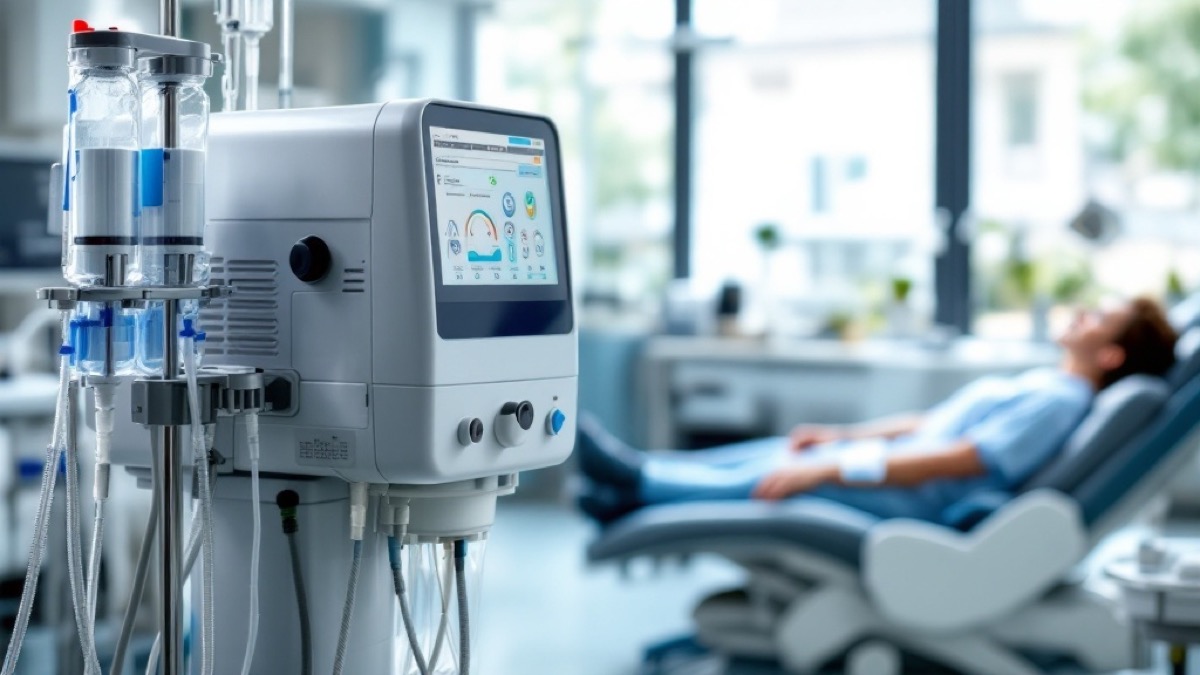
MAH ozone therapy, short for major autohemotherapy, is a form of intravenous ozone therapy in which a clinician draws about 100 to 200 mL of your own blood, mixes it with a measured ozone and oxygen gas outside the body, and drips it back into a vein. It is the most widely studied ozone delivery method and has been used in clinics for over 60 years, with a reported adverse event rate of 0.0007% in a 1982 German practitioner survey by Jacobs.
Key Takeaways
- MAH draws 100-200 mL of blood, mixes it with ozone at 20-70 mcg/mL, and reinfuses it intravenously, according to the protocol described by Bocci and colleagues (2009).
- The procedure takes 30-60 minutes per session, typically performed 1-3 times per week.
- MAH has more published research than any other ozone delivery method, with 70+ clinical trials, though many are small and older.
- Evidence is strongest for peripheral vascular disease, chronic wounds, and as an adjunct in hepatitis and herpes infections; evidence for Lyme disease, chronic fatigue, and cancer support is thin.
- MAH differs from minor autohemotherapy, which uses much smaller blood volumes injected intramuscularly.
- The FDA does not approve ozone for any medical use in the US, so MAH is offered off label, is cash pay, and is not typically covered by insurance.
What Is Major Autohemotherapy?
Major autohemotherapy is a systemic ozone delivery method. A practitioner draws 100-200 mL of the patient’s venous blood into a sterile glass bottle or bag containing an anticoagulant (typically heparin or sodium citrate). A precise volume of medical-grade ozone/oxygen gas mixture is then introduced into the blood at a controlled concentration. The ozonated blood is gently mixed and reinfused intravenously over 15-30 minutes.[1]
The procedure differs from direct IV ozone injection, which is not recommended by any major ozone therapy organization due to the risk of gas embolism. MAH ensures the ozone reacts with blood components ex vivo (outside the body) before reinfusion.
Clinics use several names for the same procedure: MAH, major autohemotherapy with ozone, ozone autohemotherapy, ozonated autohemotherapy, IV ozone, and ozone blood therapy. Multi-pass variants such as 10-pass ozone therapy repeat the draw and reinfusion cycle several times in one sitting, while EBOO filters blood through a dialysis-style circuit.
For more on the broader category of ozone blood therapy, see our complete guide.
What does MAH stand for in medicine?
In ozone therapy and integrative medicine, MAH stands for major autohemotherapy, the reinfusion of a patient’s own ozonated blood. The same letters have other meanings elsewhere: in pharmaceutical regulation, MAH means marketing authorization holder, the company legally responsible for a licensed drug. On an ozone clinic’s menu or an intake form, MAH almost always refers to the blood procedure described here.
The MAH Protocol in Detail
Step-by-Step Procedure
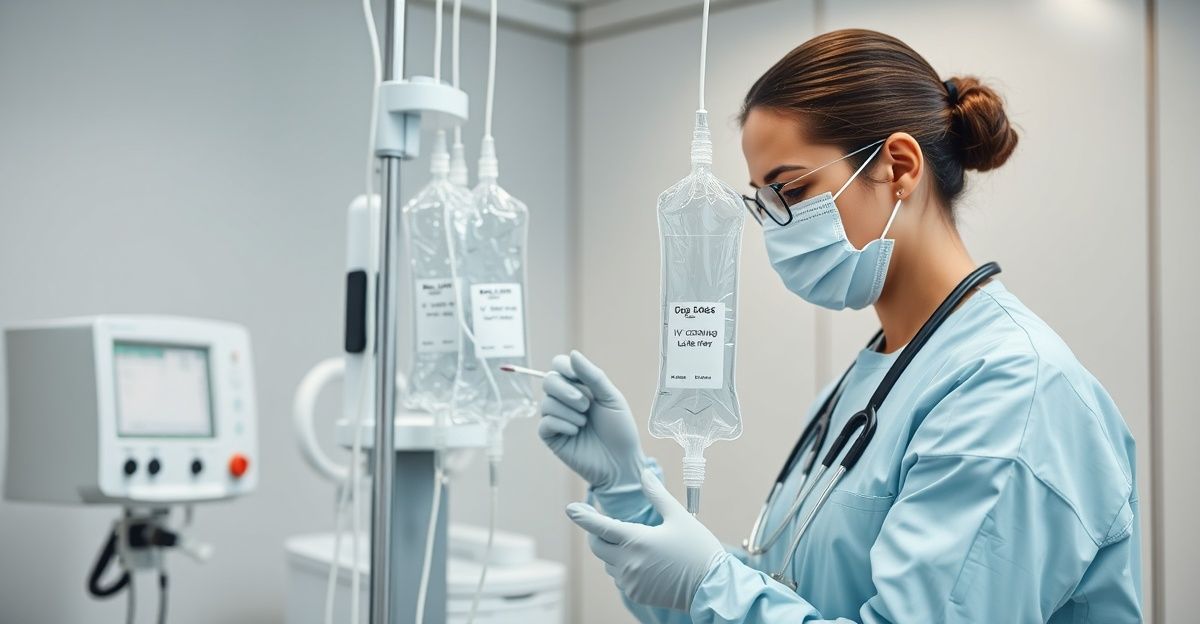
- Blood draw: 100-200 mL of venous blood is drawn from an arm vein into a sterile vacuum glass bottle or specialized ozone-resistant bag containing anticoagulant.
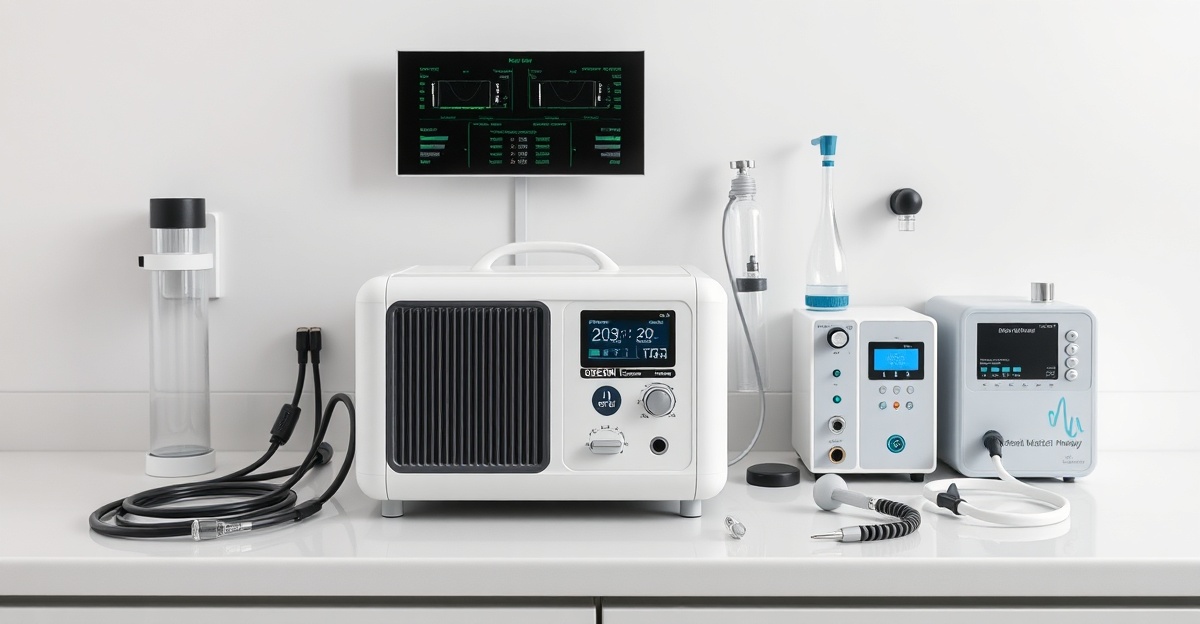
- Ozone generation: A medical-grade ozone generator produces an oxygen/ozone gas mixture at the prescribed concentration (20-70 mcg/mL).
- Mixing: 100-200 mL of ozone/oxygen gas is introduced into the blood. The bottle is gently rotated (never shaken) for 2-5 minutes to ensure complete mixing without hemolysis (red blood cell destruction).
- Reinfusion: The ozonated blood is returned to the patient through the same IV line over 15-30 minutes via gravity drip.
- Total session time: 30-60 minutes.
What to expect during an MAH session
Most patients sit in a reclining chair for the whole visit. A nurse or physician places a single IV needle in an arm vein, and the same line is used for the draw and the return. The blood often turns a brighter red after ozonation, which reflects higher oxygen saturation in the sample. Most people drive themselves home and resume normal activity the same day.
Before a first session, a careful clinic reviews your medications, checks for G6PD deficiency with a blood test, and asks about thyroid disease, bleeding disorders, and pregnancy. Expect to sign an informed consent form that describes ozone as an off-label therapy.
Ozone Concentration Ranges
| Concentration | Typical Use | Notes |
|---|---|---|
| 20-30 mcg/mL | Immunostimulation, chronic fatigue | Lower doses stimulate antioxidant pathways |
| 30-45 mcg/mL | Most common therapeutic range | Standard for infections, vascular conditions |
| 45-60 mcg/mL | Chronic infections, Lyme disease | Higher antimicrobial activity |
| 60-70 mcg/mL | Cancer support, severe infections | Upper therapeutic range; not routinely exceeded |
The World Federation of Ozone Therapy (WFOT) recommends concentrations between 15 and 50 mcg/mL as the generally safe therapeutic range. Concentrations above 80 mcg/mL are considered potentially harmful and should not be used.[2]
Uses listed in the table above reflect common practitioner protocols, not regulator-approved indications. The upper rows in particular, Lyme disease and cancer support, rest on very little controlled evidence, as the evidence table further down shows.
How MAH Works: Proposed Mechanisms
When ozone contacts blood, it does not circulate as ozone in the body. It reacts immediately with blood components, generating secondary messengers that produce the therapeutic effects:[3]
Oxidative preconditioning. Low-dose ozone exposure triggers the body’s antioxidant defense systems, upregulating superoxide dismutase (SOD), glutathione peroxidase, and catalase. This hormetic response (a small stress producing a protective adaptation) is considered the primary mechanism of MAH.
Improved oxygen delivery. Ozone increases levels of 2,3-diphosphoglycerate (2,3-DPG) in red blood cells, which shifts the oxygen-hemoglobin dissociation curve to the right. This means hemoglobin releases oxygen more readily to tissues.
Immune modulation. MAH stimulates cytokine production, particularly interferon-gamma and interleukins 2, 4, and 10. At lower concentrations, the effect is immunostimulatory. At higher concentrations, the effect shifts toward immunosuppressive/anti-inflammatory.
Improved blood rheology. Ozone treatment makes red blood cells more flexible and deformable, improving blood flow through small capillaries.
Most of this mechanistic work comes from laboratory and small clinical studies led by the Italian physiologist Velio Bocci at the University of Siena, summarized in later reviews by Smith and colleagues (2017) and Di Mauro and colleagues (2019).[5] The mechanisms are plausible, but they do not by themselves show that a patient will feel better.
“The incidence of adverse effects of ozone therapy is estimated at 0.0007%, typically manifesting as transient euphoria, nausea, headache, or fatigue.”
Bocci V, Ozone: A New Medical Drug, 2nd ed., 2011
Evidence by Condition
MAH has been studied across numerous conditions. The quality of evidence varies significantly:
| Condition | Evidence Level | Key Findings |
|---|---|---|
| Peripheral artery disease | Moderate (multiple RCTs) | Improved walking distance, wound healing, reduced amputation rates |
| Diabetic foot ulcers | Moderate | Faster healing, reduced infection. Often used alongside standard wound care. |
| Hepatitis B and C | Low-moderate | Some trials show viral load reduction when combined with standard antivirals |
| Herpes simplex/zoster | Low-moderate | Reduced outbreak frequency and severity in small studies |
| Chronic fatigue | Low | Patient-reported improvements; few controlled trials |
| Cancer (adjunct) | Very low | Used to reduce chemo side effects. No evidence for direct anti-tumor activity. |
| Lyme disease | Very low | Anecdotal reports. No published RCTs. |
The moderate ratings for vascular disease and diabetic wounds come from small randomized trials, many run in Italy and Cuba, rather than large multicenter studies. For patients with Lyme disease, chronic fatigue syndrome, or long COVID, MAH is offered mainly on the basis of clinical experience, and patients should weigh it against standard care from their physician. Readers comparing options for wounds may also look at hyperbaric oxygen therapy, which has FDA-cleared indications for diabetic foot ulcers.
MAH vs. Minor Autohemotherapy
These two procedures share a name but differ substantially:
| Feature | Major Autohemotherapy | Minor Autohemotherapy |
|---|---|---|
| Blood volume | 100-200 mL | 2-5 mL |
| Delivery route | Intravenous (reinfusion) | Intramuscular injection |
| Primary effect | Systemic (bloodstream) | Immune stimulation (local) |
| Session duration | 30-60 minutes | 5-10 minutes |
| Cost per session | $150-350 | $50-100 |
| Evidence base | More extensive | Limited |
Minor autohemotherapy draws only a few milliliters of blood, mixes it with a small amount of ozone, and injects it intramuscularly (typically into the gluteal muscle). The idea is to create a localized immune reaction. It is primarily used for allergies, acne, and immune modulation.
MAH is the procedure most practitioners mean when they discuss “ozone IV therapy” or “ozone blood therapy.”
How does MAH compare with 10-pass ozone and EBOO?
Standard MAH treats one bag of blood per visit. Multi-pass protocols repeat the cycle up to ten times, exposing more total blood to ozone, and EBOO (extracorporeal blood oxygenation and ozonation) circulates blood continuously through a filter. Both newer methods have far less published research than single-pass MAH. Our comparison of EBOO vs. 10-pass ozone covers the differences in more detail.
Finding a Trained Provider
MAH requires proper training in both the technique and the equipment. Providers should have:
- Training from recognized organizations such as the American Academy of Ozonotherapy (AAO) or the International Scientific Committee of Ozonetherapy (ISCO3)
- Medical-grade ozone generator with precise concentration control
- Proper blood handling protocols (sterile technique, anticoagulation, appropriate containers)
- Experience with dosing protocols for different conditions
MAH should be performed in a clinical setting by a licensed medical professional. It is not suitable for home use due to the IV access and blood handling requirements.
Who performs major autohemotherapy?
In the US, MAH is usually offered by integrative and functional medicine physicians (MDs and DOs), naturopathic doctors in states that allow IV therapy, and nurse practitioners working under state scope-of-practice rules. Registered nurses often place the IV and monitor the drip. Ask who will be in the room, what training they hold, and how the clinic handles a vasovagal reaction or a blown vein.
How to find MAH ozone therapy near you
People often search for MAH by suburb, for example in the Kansas City area around Lee’s Summit, or in the Houston and Southern California suburbs. Our national list of ozone therapy clinics lets you filter by state and city, and some states, such as Georgia and Massachusetts, have their own Georgia ozone therapy hub and Massachusetts ozone therapy hub. Not every clinic that lists ozone offers MAH specifically, so call and ask which delivery methods they use.
Listing order on Regenerated.com is not paid ranking. Featured slots are clearly labeled and capped, and a Verified badge means the clinic completed our credential checks, not that it paid more. Regenerated.com is free for patients, and inclusion in the directory is not an endorsement. Our guide to featured, verified, and organic listings explains each label.
Treatment Schedule and Cost
A typical MAH protocol involves:
- Acute conditions: 2-3 sessions per week for 2-4 weeks
- Chronic conditions: 1-2 sessions per week for 6-12 weeks
- Maintenance: 1-2 sessions per month
Cost ranges from $150-350 per session in the US. Insurance does not typically cover MAH. A full course of 10-20 sessions costs $1,500-7,000 out of pocket.
These schedules are practitioner conventions rather than tested regimens, and clinics vary widely. Prices depend on the region, the clinician’s credentials, and whether lab work is bundled in. See our ozone IV therapy cost breakdown for how pricing compares across delivery methods.
Is MAH ozone therapy FDA approved?
No. The US Food and Drug Administration classifies ozone as a toxic gas with no known useful medical application in specific, adjunctive, or preventive therapy (21 CFR 801.415). Physicians may still offer MAH as an off-label practice under state medical board oversight, which is why it is cash pay. Ozone autohemotherapy is more widely practiced in some European countries, including Italy, Germany, and Spain. Our article on whether ozone therapy is FDA approved covers the regulatory history.
Safety and Side Effects
MAH has a favorable reported safety profile when performed correctly. The most common side effects are mild and transient:
- Brief feeling of lightheadedness or euphoria
- Mild fatigue after the session
- Headache (uncommon)
- Nausea (rare)
Serious adverse events are extremely rare. A review of over 5 million MAH treatments estimated the adverse event rate at 0.0007%.[4]
That figure comes from a 1982 survey of German practitioners by Jacobs, which relied on self-reporting and predates modern safety monitoring. The serious events in that survey were linked mainly to direct IV injection of ozone gas, not to MAH. Bruising at the needle site, vein irritation, and fainting during the draw are the practical risks most patients encounter. Read more in our guide to IV ozone therapy side effects.
Contraindications include G6PD deficiency (ozone can cause hemolytic anemia in these patients), hyperthyroidism, active hemorrhage, and pregnancy.
The Bottom Line
MAH is the most studied and most widely used form of systemic ozone therapy. Its reported safety record is strong, and the evidence for certain conditions, particularly vascular disease and chronic wounds, is encouraging. For other conditions, the evidence remains preliminary. If you are considering MAH, choose a trained provider, understand the specific evidence for your condition, and set realistic expectations about what the treatment can and cannot do. Our ozone therapy treatment guide covers the other delivery routes, from rectal insufflation to joint injections.
Frequently asked questions
What is MAH ozone therapy?
MAH ozone therapy is major autohemotherapy, a procedure in which a clinician draws about 100 to 200 mL of your blood into a sterile bottle, mixes it with a measured ozone and oxygen gas at roughly 20 to 70 mcg/mL, and drips it back into your vein. A session takes 30 to 60 minutes. It is the most studied way to give ozone systemically, though it is not FDA approved and is offered off label.
Is major autohemotherapy with ozone safe?
Major autohemotherapy has a low reported rate of serious problems when a trained clinician uses medical-grade equipment and stays within the WFOT range of 15 to 50 mcg/mL. Common effects are brief lightheadedness, fatigue, and bruising at the needle site. People with G6PD deficiency, hyperthyroidism, active bleeding, or pregnancy should not have it. The most cited safety figure comes from an older self-reported survey, so long-term data are limited.
How many MAH sessions do I need?
There is no standard number of MAH sessions. Practitioner protocols commonly use 2 to 3 sessions a week for 2 to 4 weeks for acute problems, or 1 to 2 a week for 6 to 12 weeks for chronic conditions, followed by monthly maintenance. These schedules come from clinical convention rather than head-to-head trials, so ask the clinician how they will judge whether the treatment is helping before committing to a full course.
What is the difference between major and minor autohemotherapy?
Major autohemotherapy reinfuses 100 to 200 mL of ozonated blood through a vein and acts on the whole bloodstream. Minor autohemotherapy takes only 2 to 5 mL of blood, mixes it with ozone, and injects it into a muscle, usually the buttock, to provoke a local immune response. MAH takes 30 to 60 minutes and has the larger evidence base; minor autohemotherapy takes 5 to 10 minutes and is used mainly for allergies and acne.
Does insurance cover MAH ozone therapy?
Insurance does not typically cover MAH ozone therapy in the US, because the FDA has not approved ozone for any medical use. Patients usually pay out of pocket, at around $150 to $350 per session according to typical US clinic pricing. Ask for an itemized quote that includes any required lab tests, such as G6PD screening, before your first visit.
- Bocci V, Borrelli E, Travagli V, Zanardi I. The ozone paradox: ozone is a strong oxidant as well as a medical drug. Med Res Rev. 2009;29(4):646-682. doi:10.1002/med.20150
- World Federation of Ozone Therapy (WFOT). Review on Evidence Based Ozone Therapy. WFOT Scientific Advisory Committee. 2015.
- Bocci V. Ozone: A New Medical Drug. 2nd ed. Springer; 2011. doi:10.1007/978-90-481-9234-2
- Jacobs MT. Untersuchung uber Zwischenfalle und typische Komplikationen in der Ozon-Sauerstoff-Therapie. OzoNachrichten. 1982;1:5.
- Smith NL, Wilson AL, Gandhi J, et al. Ozone therapy: an overview of pharmacodynamics, current research, and clinical utility. Med Gas Res. 2017;7(3):212-219. doi:10.4103/2045-9912.215752
- Di Mauro R, Cantarella G, Bernardini R, et al. The biochemical and pharmacological properties of ozone: the smell of protection in acute and chronic diseases. Int J Mol Sci. 2019;20(3):634. doi:10.3390/ijms20030634