Ozone Therapy for Candida: How It Works, Evidence, and Treatment Protocols
Explore the clinic directoryIn this article
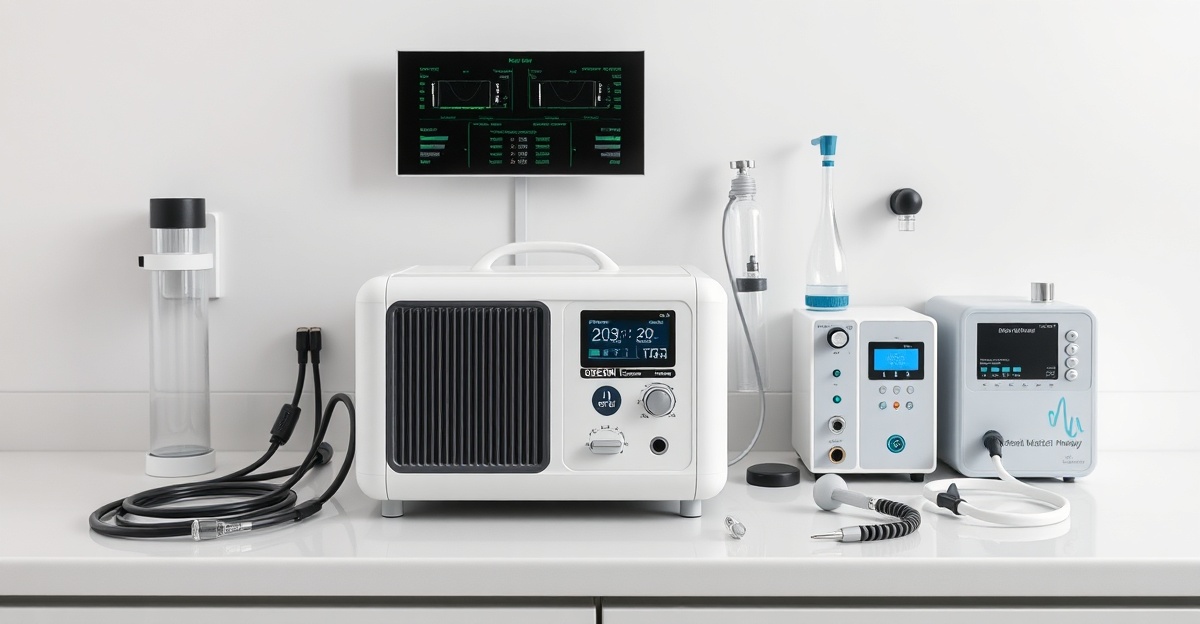
Ozone therapy for candida uses medical ozone, delivered as rectal or vaginal insufflation, ozonated oil or ozonated water, to oxidize Candida albicans and related yeasts on contact. Lab studies such as Skalska et al. (2009) show that ozonated sunflower oil kills several Candida species, including fluconazole resistant strains, but evidence in people is limited to small studies, mostly in recurrent vaginal yeast infections and denture related oral thrush.
Candida overgrowth is one of the most common reasons patients seek ozone therapy. The logic is straightforward: ozone is a powerful oxidizer that damages fungal cell membranes on contact, and candida thrives in low-oxygen environments that ozone directly disrupts. Practitioners across Europe and the Americas have used ozone insufflation and ozonated oils for candida-related conditions for decades. The clinical evidence is still limited, but what exists is encouraging, particularly for vaginal candidiasis and oral thrush.
Ozone therapy, also called medical ozone or oxygen-ozone (O2-O3) therapy, is not FDA approved for any candida infection, so in the United States it is offered off label and paid for out of pocket.
Key Takeaways
- Ozone kills candida through direct oxidation of the fungal cell membrane and by creating an oxygen-rich environment hostile to fungal growth, according to Bocci (2011)1
- Ozonated oil has the strongest in vitro evidence: Skalska et al. (2009) showed fungicidal activity against multiple Candida species including drug-resistant strains2
- Rectal insufflation is the most common systemic delivery method practitioners use for gut-related candida overgrowth, although no controlled trial has tested it for that use
- Vaginal ozone insufflation shows promise for recurrent vaginal candidiasis in a small study by Tara et al. (2019), though large controlled trials are lacking3
- Ozone therapy works best as a complement to antifungals and dietary changes, not as a standalone treatment, and the CDC's first line treatments for yeast infections remain azole antifungals
- Most protocols described by practitioners run 10 to 20 sessions over 4 to 8 weeks, with costs ranging from $75 to $250 per session
How Ozone Targets Candida
Ozone attacks candida through multiple mechanisms simultaneously, which is part of why resistance has not been documented the way it has with pharmaceutical antifungals.
Direct oxidation of fungal membranes. When ozone contacts a candida cell, it reacts with the lipids in the cell membrane. This process, called lipid peroxidation, physically damages the membrane structure. Unlike human cells, which have robust antioxidant defense systems (superoxide dismutase, glutathione peroxidase), candida cells are far more vulnerable to oxidative attack.1
Disruption of anaerobic environments. Candida thrives in low-oxygen, acidic environments, particularly in the gut, vaginal canal, and oral cavity. Ozone floods these areas with reactive oxygen species, shifting the local environment toward aerobic conditions that favor beneficial bacteria and suppress fungal growth.
Immune modulation. Ozone activates the Nrf2 pathway, upregulating the body’s own antioxidant and immune responses. This includes increased production of interferons and interleukins that enhance the immune system’s ability to identify and clear fungal infections.4
Biofilm disruption. Candida forms biofilms, protective structures that shield the organism from both the immune system and antifungal drugs. Ozone has demonstrated the ability to penetrate and disrupt biofilms in vitro, which is one reason it may help in cases where conventional antifungals have failed.5
“Ozone’s multi-target antifungal action, including membrane disruption, biofilm penetration, and immune activation, makes resistance development unlikely compared to single-mechanism pharmaceutical antifungals.”
These mechanisms come mainly from laboratory work, and yeast living under mucus and biofilm in the body may respond more weakly than cells in a dish. The ozone therapy treatment guide explains the general pharmacology of medical ozone in more depth.
Delivery Methods for Candida
The route of ozone delivery depends on where the candida overgrowth is concentrated.
| Method | Target Area | How It Works | Session Time |
|---|---|---|---|
| Rectal Insufflation | Gut/systemic | Ozone gas introduced via catheter; 70-80% systemic absorption | 5-15 min |
| Vaginal Insufflation | Vaginal candidiasis | Ozone gas directed into vaginal canal via catheter | 10-20 min |
| Ozonated Oil (Topical) | Skin, nails, oral thrush | Ozone-infused olive or sunflower oil applied directly | N/A (topical) |
| Ozonated Water | Oral/gut | Ozone bubbled through water, consumed orally | N/A (drink) |
| MAH (Major Autohemotherapy) | Systemic | Blood drawn, ozonated, reinfused for systemic immune support | 30-60 min |
Rectal Insufflation for Gut Candida
Rectal insufflation is the most frequently used ozone delivery method for intestinal candida overgrowth. A thin catheter delivers ozone gas directly into the colon, where it contacts the gut lining and is absorbed systemically at a rate of approximately 70 to 80 percent.
For candida specifically, rectal insufflation serves a dual purpose: direct antifungal action in the gut where candida colonizes, and systemic immune activation that helps the body fight fungal overgrowth throughout the body.
Typical protocols start at lower ozone concentrations (15 to 20 mcg/mL) and gradually increase to 30 to 40 mcg/mL over the course of treatment. Most practitioners recommend 2 to 3 sessions per week for 4 to 6 weeks as an initial course.
Gut candida overgrowth is itself a contested diagnosis. Candida lives in the intestines of many healthy people, and bloating, gas and fatigue overlap heavily with irritable bowel syndrome and small intestinal bacterial overgrowth, so a clinician should rule those out first. The rectal ozone therapy overview covers the procedure itself.
Vaginal Insufflation for Vaginal Candidiasis
For women with recurrent vaginal yeast infections, vaginal ozone insufflation delivers ozone directly to the site of infection. The ozone gas contacts the vaginal mucosa, creating an oxidative environment that kills candida on contact while also reaching the deeper tissue layers where candida can persist.
A 2019 study by Tara et al. found that vaginal ozone combined with conventional antifungal treatment improved outcomes in women with recurrent vulvovaginal candidiasis compared to antifungals alone.3 The combination group showed lower recurrence rates at 3-month follow-up.
Vaginal ozone is most often discussed for recurrent vulvovaginal candidiasis (RVVC), which the CDC STI Treatment Guidelines (2021) define as three or more symptomatic episodes in less than a year. Clinicians who offer it generally use it alongside an azole antifungal, not instead of one. The guide to vaginal ozone therapy describes the procedure and its other uses.
Ozonated Oil
Ozonated oil is the most studied form of ozone therapy for candida in laboratory settings. When ozone is bubbled through olive oil or sunflower oil for extended periods, it creates ozonides, stable compounds that release reactive oxygen species slowly over time.
Skalska et al. (2009) demonstrated that ozonated sunflower oil was effective against Candida albicans, C. tropicalis, and C. krusei in vitro, including strains resistant to fluconazole.2 The oil can be applied topically for skin and nail candida, used as a vaginal suppository, or taken orally in capsule form.
The fluconazole finding matters because C. krusei is naturally resistant to fluconazole and C. glabrata is often less susceptible to it. Ozonated oil, also sold as ozonized oil, is a cosmetic or supplement product in the United States rather than an FDA approved antifungal drug, so ozone concentration and quality vary widely between products.
Ozonated Water for Oral Thrush and Dentures
Ozonated water is water with ozone gas dissolved in it. Because ozone breaks down quickly in water, clinics make it fresh just before use as a rinse.
The best evidence for ozonated water against candida comes from dentistry. Arita et al. (2005) found that ozonated water reduced the number of viable Candida albicans cells on acrylic denture plates, which is relevant to denture stomatitis, a form of oral candidiasis.5 No controlled trial has shown that drinking ozonated water treats intestinal candida, so that use rests on practitioner experience alone.
What the Evidence Shows
The evidence for ozone therapy against candida is a mix of strong in vitro (lab) data and limited but positive clinical data.
| Evidence Type | Finding | Strength |
|---|---|---|
| In vitro (lab studies) | Ozone and ozonated oils kill multiple Candida species, including drug-resistant strains | Strong |
| Dental studies | Ozonated water reduces oral candida load in denture wearers and immunocompromised patients | Moderate |
| Vaginal candidiasis | Ozone + antifungals outperform antifungals alone in small clinical studies | Limited but positive |
| Gut candida overgrowth | Clinical case reports support benefit; no controlled trials | Anecdotal |
| Systemic candidiasis | Very limited data, mostly case reports in immunocompromised patients | Weak |
The gap between lab results and clinical trials is the main limitation. Ozone clearly kills candida in a petri dish. Whether that translates to consistent clinical outcomes for different types of candida overgrowth requires more research.
Invasive candidiasis, where candida reaches the bloodstream or organs, is treated in hospital with intravenous antifungals, and ozone has no established role there. The overview of what ozone therapy is used for places candida among the other conditions where the evidence is still early.
Ozone Therapy Compared with Standard Antifungal Treatment
Standard antifungal drugs are the first line treatment for every common form of candidiasis, and ozone is an add-on some integrative clinicians offer when infections keep returning.
| Option | Common use | US regulatory status | Evidence in people |
|---|---|---|---|
| Topical azoles (clotrimazole, miconazole) | Vaginal yeast infection, skin candida | FDA approved, many sold over the counter | Large trials, CDC first line treatment |
| Oral fluconazole | Vaginal, oral and esophageal candidiasis | FDA approved, prescription | Large trials, CDC option for RVVC maintenance |
| Nystatin | Oral thrush | FDA approved, prescription | Established clinical use |
| Vaginal or rectal ozone insufflation | Recurrent vaginal candidiasis, suspected gut overgrowth | Not FDA approved for any candida use | Small studies and case reports |
| Ozonated oil | Skin, nail and vaginal candida | Sold as a cosmetic or supplement, not as a drug | Mostly in vitro |
Species testing changes the picture. When a vaginal culture shows C. glabrata or C. krusei, the CDC guidelines describe non-fluconazole options such as intravaginal boric acid, and this is the group where patients most often ask about ozone.
Combining Ozone with Antifungals and Diet
Most experienced ozone practitioners do not use ozone as a standalone treatment for candida. Instead, they combine it with conventional antifungals and dietary modifications for a multi-pronged approach.
Pharmaceutical antifungals like fluconazole, nystatin, or itraconazole target candida through specific biochemical pathways. Ozone attacks through entirely different mechanisms (membrane oxidation, biofilm disruption, immune modulation). Using both creates a two-front assault that may reduce the likelihood of treatment failure.
Dietary changes are considered essential by most practitioners treating candida. The standard anti-candida dietary approach involves:
- Eliminating refined sugars and simple carbohydrates that feed candida
- Reducing alcohol consumption (yeast-derived and immunosuppressive)
- Increasing fiber intake to support beneficial gut bacteria that compete with candida
- Adding fermented foods and probiotics, particularly Lactobacillus and Saccharomyces boulardii strains
Herbal antifungals such as oregano oil, caprylic acid, and berberine are often included in integrative protocols alongside ozone. While evidence for these is also limited, the multi-target approach aligns with how ozone practitioners typically manage chronic candida.
Typical Treatment Protocols
Protocols vary by practitioner and severity, but most follow a similar framework:
| Phase | Duration | Frequency | Focus |
|---|---|---|---|
| Initial loading | 2-3 weeks | 3 sessions/week | Aggressive candida reduction, low starting dose with gradual increase |
| Core treatment | 3-5 weeks | 2 sessions/week | Sustained antifungal pressure at therapeutic dose |
| Maintenance | 4-8 weeks | 1 session/week | Prevent recurrence, support gut recolonization |
Herxheimer reactions are common during the first 1 to 2 weeks of ozone treatment for candida. As fungal organisms die, they release toxins (including acetaldehyde and gliotoxin) that can temporarily worsen symptoms. Fatigue, headaches, brain fog, bloating, and skin breakouts are the most frequently reported die-off symptoms. These typically resolve within 24 to 72 hours and diminish with each subsequent session.
How to Use Ozone Therapy for Candida, Step by Step
A responsible course of ozone therapy for candida starts with a confirmed diagnosis and ends with a follow-up test, not with a fixed number of sessions. The steps below describe how careful clinicians typically structure it.
- Confirm the diagnosis. Vaginal yeast infection is confirmed with a wet mount and, for recurrent cases, a culture that names the species. Suspected gut overgrowth needs other causes ruled out, including small intestinal bacterial overgrowth (SIBO) and celiac disease.
- Start or continue standard antifungal treatment. An azole or nystatin course remains the base of the plan.
- Screen before systemic ozone. Clinicians check for G6PD deficiency, pregnancy, thyroid overactivity and bleeding disorders before rectal insufflation or MAH.
- Begin at a low concentration. Insufflation usually starts at 15 to 20 mcg/mL and rises gradually.
- Pair ozone with diet and gut support. Lower sugar intake, more fiber and probiotics are part of most integrative candida protocols.
- Retest at the end of the course. A repeat culture or symptom review shows whether the plan worked.
Home use is where most harm happens. Ozone must never be inhaled: the FDA regulation on ozone generators, 21 CFR 801.415, describes ozone as a toxic gas with no known useful medical application, and it irritates the lungs even at low concentrations. Vaginal or rectal insufflation with a home generator gives no control over dose or concentration, a risk the article on ozone therapy at home covers in more detail.
Costs
Ozone therapy for candida is not covered by insurance. Out-of-pocket costs depend on the delivery method and clinic location.
- Rectal insufflation: $75 to $150 per session
- Vaginal insufflation: $75 to $150 per session
- MAH: $200 to $400 per session
- Ozonated oil: $15 to $40 per tube (over-the-counter)
A full treatment course of 10 to 20 insufflation sessions typically costs $750 to $3,000. Adding MAH sessions increases the total to $2,000 to $6,000.
Safety and Contraindications
These are typical practitioner ranges, and office visits and lab tests are billed separately. The ozone therapy cost breakdown compares prices across delivery methods.
Ozone therapy has a strong safety profile when administered by trained practitioners at appropriate doses. Viebahn-Haensler and Leon Fernandez documented over 11,000 MAH treatments with a very low adverse event rate.6
Contraindications specific to candida treatment include:
- G6PD deficiency: An absolute contraindication for any ozone therapy due to risk of hemolytic anemia
- Pregnancy: Insufficient safety data for ozone insufflation during pregnancy
- Active bleeding disorders: Ozone can affect clotting at high doses
- Hyperthyroidism: Ozone may increase thyroid hormone activity
The most common side effect during candida treatment is the Herxheimer reaction described above, which is not a side effect of ozone itself but rather a consequence of rapid fungal die-off.
No study has established that vaginal or rectal ozone is safe during pregnancy, and the CDC guidelines recommend only topical azole antifungals, applied for 7 days, for vaginal candidiasis in pregnant women. Anyone who is pregnant or trying to conceive should raise ozone with an obstetrician before any session.
Direct intravenous injection of ozone gas carries a risk of gas embolism and is not the same procedure as MAH, where blood is ozonated outside the body. Cramping, bloating and temporary vaginal irritation are other commonly reported effects. The full list of ozone therapy side effects covers each route.
Who Offers Ozone Therapy for Candida and How to Choose a Provider
Ozone therapy for candida is offered mainly by naturopathic doctors (NDs), integrative and functional medicine physicians (MDs and DOs), and some gynecologists and dentists, depending on state scope of practice rules. Some dentists use ozonated water for denture stomatitis. The national directory of ozone therapy clinics lists providers by state and city.
A well run clinic will ask about prior cultures and antifungal courses, screen for G6PD deficiency before systemic ozone, use medical grade oxygen with a calibrated generator, and agree on a retest point.
Listing order in the Regenerated.com directory is not a paid ranking. Featured slots are labeled and capped, Verified means a clinic has completed credential checks rather than paid for placement, and the directory is free for patients. Inclusion is not an endorsement, and the guide to Featured, Verified and organic listings explains each label.
Frequently asked questions
Does ozone therapy kill candida?
Ozone kills candida in laboratory studies by oxidizing the fungal cell membrane, and Skalska et al. (2009) showed ozonated sunflower oil killed Candida albicans, C. tropicalis and C. krusei, including fluconazole resistant strains. Killing yeast in a dish is easier than clearing it from tissue, however, and studies in people are small. Most clinicians use ozone as an add-on to antifungal drugs, not as a replacement for them.
Does vaginal ozone therapy work for recurrent yeast infections?
Vaginal ozone therapy shows early promise for recurrent yeast infections. A small study by Tara et al. (2019) found that women who received vaginal ozone plus standard antifungal treatment had fewer recurrences at three months than women who received antifungals alone. Large controlled trials have not been done, so vaginal ozone is best treated as an add-on to a culture guided antifungal plan for recurrent vulvovaginal candidiasis.
Can you have ozone therapy for candida while pregnant?
Ozone therapy for candida is not recommended during pregnancy because there are no safety data for vaginal or rectal insufflation in pregnant women. The CDC STI Treatment Guidelines (2021) recommend a 7 day course of a topical azole antifungal, such as clotrimazole or miconazole, for vaginal yeast infections during pregnancy. Pregnant patients should discuss any yeast infection with their obstetrician or midwife before trying any additional treatment.
Does drinking ozonated water help with candida?
No controlled study shows that drinking ozonated water treats intestinal candida. The evidence for ozonated water comes from dentistry: Arita et al. (2005) found that it reduced viable Candida albicans on acrylic denture plates, which supports its use as a rinse for denture related oral thrush. Ozone also breaks down quickly in water, so stored ozonated water loses most of its activity before it is consumed.
How many ozone sessions does it take to treat candida?
Practitioner protocols for candida typically run 10 to 20 insufflation sessions over 4 to 8 weeks, starting at about three sessions a week and tapering to weekly maintenance. These figures come from clinical practice rather than trials, so no session count is established by research. A repeat culture or symptom review at the end of the course is a better measure of progress than the number of sessions completed.
Is ozone therapy for candida FDA approved?
Ozone therapy is not FDA approved for candida or any other medical condition in the United States. Federal regulation 21 CFR 801.415 describes ozone as a toxic gas with no known useful medical application, so clinics that offer it do so off label and insurance does not cover it. The antifungal drugs used for candidiasis, including fluconazole, clotrimazole and nystatin, are FDA approved. Read more about ozone therapy and FDA approval.
The Bottom Line
Ozone therapy targets candida through mechanisms that conventional antifungals do not: direct membrane oxidation, biofilm disruption, environmental oxygen enrichment, and immune modulation. The lab evidence is solid. The clinical evidence is growing but still limited to small studies and case series.
For patients with recurrent or treatment-resistant candida, ozone therapy is worth discussing with a qualified integrative practitioner, particularly as part of a comprehensive protocol that includes antifungals, dietary changes, and gut restoration. It is not a magic bullet, but it addresses candida through pathways that other treatments miss.
In short, ozone therapy for candida is an off label, cash pay add-on with strong laboratory support and thin clinical evidence. The clearest early signals are for recurrent vaginal yeast infections and denture related oral thrush. Clinics that offer it can be found through the ozone therapy clinic listings, ideally once a culture has confirmed the diagnosis and species.
Sources
- Bocci, V. (2011). Ozone: A New Medical Drug. Springer. doi:10.1007/978-90-481-9234-2
- Skalska, K., et al. (2009). In vitro fungicidal activity of ozonated sunflower oil against Candida albicans. Mycopathologia, 168(3), 133-138. doi:10.1007/s11046-009-9207-7
- Tara, F., et al. (2019). The effect of ozone therapy on the recurrence of vulvovaginal candidiasis. Iranian Journal of Obstetrics, Gynecology and Infertility, 22(5), 46-53. doi:10.22038/ijogi.2019.13609
- Re, L., et al. (2008). Ozone therapy: Clinical and basic evidence of its therapeutic potential. Archives of Medical Research, 39(1), 17-26. doi:10.1016/j.arcmed.2007.07.005
- Arita, M., et al. (2005). Microbicidal efficacy of ozonated water against Candida albicans adhering to acrylic denture plates. Oral Microbiology and Immunology, 20(4), 206-210. doi:10.1111/j.1399-302X.2005.00213.x
- Viebahn-Haensler, R., & Leon Fernandez, O.S. (2021). Ozone in medicine: Clinical evaluation and evidence classification of the systemic ozone applications, major autohemotherapy and rectal insufflation. Ozone: Science & Engineering, 43(3), 242-276. doi:10.1080/01919512.2020.1796557