Ozone Therapy for Skin: Wounds, Eczema, Acne, and What Works
Explore the clinic directoryIn this article

Ozone therapy for skin has its strongest evidence for chronic wounds and diabetic foot ulcers, moderate evidence for eczema (atopic dermatitis), and only limited evidence for acne, psoriasis and facial anti-aging use, according to reviews by Liu et al. (2023, International Wound Journal) and Oliveira et al. (2022, Dermatologic Therapy). The devices behind ozone therapy in dermatology are medical ozone generators that supply gas bagging, ozonated oils, ozonated water and ozone saunas, and the FDA has not cleared any ozone generator for a medical use, so most of this market runs through cash pay clinics. Topical ozone (ozonated oils, ozone gas) and systemic ozone therapy are both used, though the strength of evidence varies dramatically by condition. Some applications are well-supported. Others are mostly marketing.
Here is what the research actually shows for each skin condition, which forms and devices are used, what an ozone facial involves, and which side effects to expect.
Key Takeaways
- Ozone therapy has the strongest skin evidence for wound healing, diabetic ulcers, and chronic non-healing wounds, although a Cochrane review by Liu et al. (2015) found only three small diabetic foot ulcer trials and could not draw firm conclusions.
- Ozonated oils show promise for eczema/atopic dermatitis: Zeng et al. (2020, International Immunopharmacology) reported lower SCORAD scores and restored skin microbiome diversity after three days of topical ozone in atopic dermatitis.
- Evidence for acne is limited to small studies with no head-to-head trials against benzoyl peroxide or retinoids. Evidence for anti-aging ozone facials is largely theoretical.
- Topical ozonated oil is the safest and most accessible form. It can be used at home, and its most common side effect is stinging or irritation on broken skin.
- Systemic ozone for skin conditions requires a trained practitioner, is not FDA cleared for any skin indication, and has a less clear risk-benefit profile. People with G6PD deficiency should avoid it.
How Ozone Works on Skin
Ozone (O3) is a reactive form of oxygen. In medicine it is used as a mix of ozone and oxygen, often called medical ozone or ozone-oxygen therapy, and it interacts with skin tissue through several mechanisms that are relevant to dermatological conditions:
Antimicrobial action: Ozone is a powerful oxidizer that kills bacteria, fungi, and viruses on contact. This is well-established in water treatment and wound care. For skin, it disrupts the cell membranes of pathogens without the antibiotic resistance concerns of conventional treatments.
Anti-inflammatory effects: At controlled doses, ozone triggers a mild oxidative stress response that activates the body’s antioxidant defense systems (Nrf2 pathway). This paradoxically reduces chronic inflammation, which drives many skin conditions including eczema, psoriasis, and acne.
Improved microcirculation: Ozone enhances local blood flow by increasing red blood cell flexibility and stimulating nitric oxide release. Better circulation means better nutrient delivery and waste removal from skin tissue.
Microbiome modulation: A study published in International Immunopharmacology (Zeng et al., 2020) found that topical ozone therapy restores microbiome diversity in atopic dermatitis. Disrupted skin microbiome is increasingly recognized as a driver of inflammatory skin conditions.
These mechanisms overlap with other oxygen-based treatments. Hyperbaric oxygen therapy (HBOT) raises tissue oxygen by delivering pure oxygen under pressure, and topical oxygen therapy for wounds delivers oxygen directly to the wound bed, while ozone adds a direct oxidizing, antimicrobial effect.
Evidence by Skin Condition
The table below summarizes how strong the evidence is for each use of ozone skin therapy, based on the reviews cited in the sources list. Each condition is covered in more detail underneath.
| Condition | Strength of evidence | Forms studied |
|---|---|---|
| Chronic wounds and diabetic foot ulcers | Strongest, though trials are small and of low quality | Gas bagging, ozonated oil |
| Eczema (atopic dermatitis) | Moderate | Ozonated oil, ozonated water |
| Psoriasis | Limited, small studies and case series | Ozonated oil, systemic ozone |
| Acne | Limited, no head-to-head trials | Ozonated oil, ozonated water, ozone facials |
| Skin aging | Largely theoretical | Ozone facials, ozone saunas |
Wounds and Diabetic Ulcers (Strongest Evidence)
Wound healing is where ozone therapy for skin has the most robust evidence. A 2023 review in the International Wound Journal (Liu et al.) detailed the cellular and molecular mechanisms by which ozone promotes wound healing: stimulating growth factors, promoting fibroblast proliferation, enhancing collagen synthesis, and reducing bacterial biofilm.
For diabetic foot ulcers specifically, ozone therapy has been reported to shorten healing time when combined with standard wound care. The antimicrobial effect is particularly valuable because diabetic ulcers are prone to infection with antibiotic-resistant organisms.
The trial base is still small. A Cochrane review by Liu J et al. (2015) found three small randomized trials of ozone for diabetic foot ulcers, with 212 participants in total and unclear or high risk of bias, and concluded that no firm conclusion about effectiveness was possible (Cochrane Database of Systematic Reviews, 2015). Ozone works best as an add-on to debridement, offloading, glucose control and infection management, not as a replacement for them.
Ozone is delivered to wounds through ozone gas bagging (placing the affected limb in a sealed bag filled with ozone gas) or application of ozonated oil directly to the wound bed.
How is ozone oil used for wounds?
Ozonated oil for wounds is spread in a thin layer over a cleaned wound bed and covered with a dressing, usually once or twice a day under the direction of a wound care nurse, podiatrist or physician. The oil releases ozone-derived compounds slowly, which gives a longer antimicrobial contact time than gas alone. Deep, infected or diabetic wounds still need medical review, because ozonated oil does not treat bone infection or poor arterial blood flow. For comparison, see how hyperbaric oxygen is used in wound healing.
Eczema and Atopic Dermatitis (Moderate Evidence)
Ozone shows promise for eczema, primarily through its microbiome-restoring effects. Patients with atopic dermatitis have reduced skin microbiome diversity, with overgrowth of Staphylococcus aureus. Ozone’s antimicrobial action targets the pathogenic bacteria while its anti-inflammatory effects calm the immune overreaction.
In a split-side study by Zeng et al. (2020) at Third Xiangya Hospital, patients with moderate to severe atopic dermatitis had one side treated with ozonated water followed by ozonated oil for three days and the other side with tap water and plain oil; SCORAD scores fell and microbial diversity rose on the ozone side, while the drop in S. aureus did not reach statistical significance (PubMed record). The study was small, and it did not compare ozone against topical steroids, calcineurin inhibitors or dupilumab.
Ozonated oils (typically ozonated sunflower or olive oil) can be applied directly to eczematous patches. They are generally well-tolerated, though some patients report initial stinging on broken skin.
Ozone therapy for eczema is usually discussed by dermatologists and integrative physicians as a complement to moisturizers and standard anti-inflammatory care. The eczema condition guide covers triggers and standard treatment, and the eczema treatment overview compares the options clinics offer.
Psoriasis (Limited Evidence)
Psoriasis is an autoimmune condition, and ozone’s immunomodulatory effects provide a theoretical rationale for treatment. A 2022 systematic review in the Journal of Clinical and Aesthetic Dermatology included psoriasis among the conditions showing potential response to ozone therapy.
The evidence is limited to small studies and case series. Systemic ozone (IV or rectal insufflation) has been used for psoriasis, but no large randomized controlled trials have been published. Given that effective conventional treatments exist (biologics, methotrexate, phototherapy), ozone should be considered only as a complementary approach. More detail is in our post on ozone therapy for psoriasis and on the psoriasis condition page.
Acne (Limited Evidence)
Ozone’s antimicrobial properties make it theoretically useful for acne, which involves bacterial colonization (Cutibacterium acnes) of sebaceous follicles. Some clinics offer ozone facials or topical ozone applications for acne.
The evidence is thin. Small studies suggest ozone may reduce C. acnes counts and improve mild inflammatory acne. But no head-to-head comparisons with standard acne treatments (benzoyl peroxide, retinoids, antibiotics) have been published.
Ozonated oil as a spot treatment is low risk and inexpensive. As a primary acne treatment replacing established therapies such as topical retinoids, benzoyl peroxide or isotretinoin, the evidence does not support it. Readers with moderate or scarring acne can compare standard options in the acne treatment guide, read about causes on the acne condition page, or see what ozone can and cannot do for scars.
Anti-Aging (Largely Theoretical)
Claims that ozone therapy makes aging skin look younger are common in wellness marketing but poorly supported by research. The theoretical basis involves ozone’s ability to improve microcirculation and stimulate collagen synthesis.
There are no randomized controlled trials comparing ozone to established anti-aging treatments (retinoids, vitamin C, chemical peels, laser resurfacing). Until such studies exist, anti-aging claims for ozone remain speculative.
Ozone Facial Treatment: What Happens in a Session
An ozone facial, also sold as ozone face therapy, is a clinic treatment in which ozone gas, ozonated water or ozonated oil is applied to the face after cleansing. Some clinics use a handheld ozone steamer or a glass applicator connected to a medical ozone generator, and others finish with an ozonated oil mask. Sessions usually sit inside a broader facial with cleansing, extraction and moisturizing.
The ozone facial is a cosmetic service, not a regulated medical treatment, and no controlled trial has measured its results for acne or wrinkles. The face is close to the nose and mouth, so a well run clinic keeps ozone gas sealed or extracted and never lets it drift into the breathing zone. Similar facial services built on other technologies include oxygen facials and red light therapy for skin.
Types of Ozone Therapy for Skin
| Type | How It Works | Best For | Availability |
|---|---|---|---|
| Ozonated oil | Ozone gas bubbled through olive or sunflower oil, creating a stable topical product | Eczema, wounds, mild infections, general skin health | Available online, no prescription needed |
| Ozone gas bagging | Affected area enclosed in a bag filled with ozone gas for 15-30 min | Wounds, ulcers, localized infections | Requires clinic visit |
| Ozone sauna | Steam sauna infused with ozone, absorbed through the skin | Widespread skin conditions, psoriasis | Specialty clinics |
| Ozonated water | Water saturated with ozone, used as a wash or spray | Acne, superficial infections, wound cleansing | Some clinics, home generators |
| Systemic ozone (IV/rectal) | Ozone delivered systemically to address underlying inflammation | Psoriasis, severe eczema, autoimmune skin conditions | Medical clinics only |
Systemic forms include major autohemotherapy (MAH), in which a portion of the patient’s blood is mixed with ozone and returned through a vein, and rectal insufflation. The ozone therapy treatment guide explains each route, and our post on ozone saunas covers the steam cabinet format in detail.
What Devices Are Used for Ozone Therapy in Dermatology?
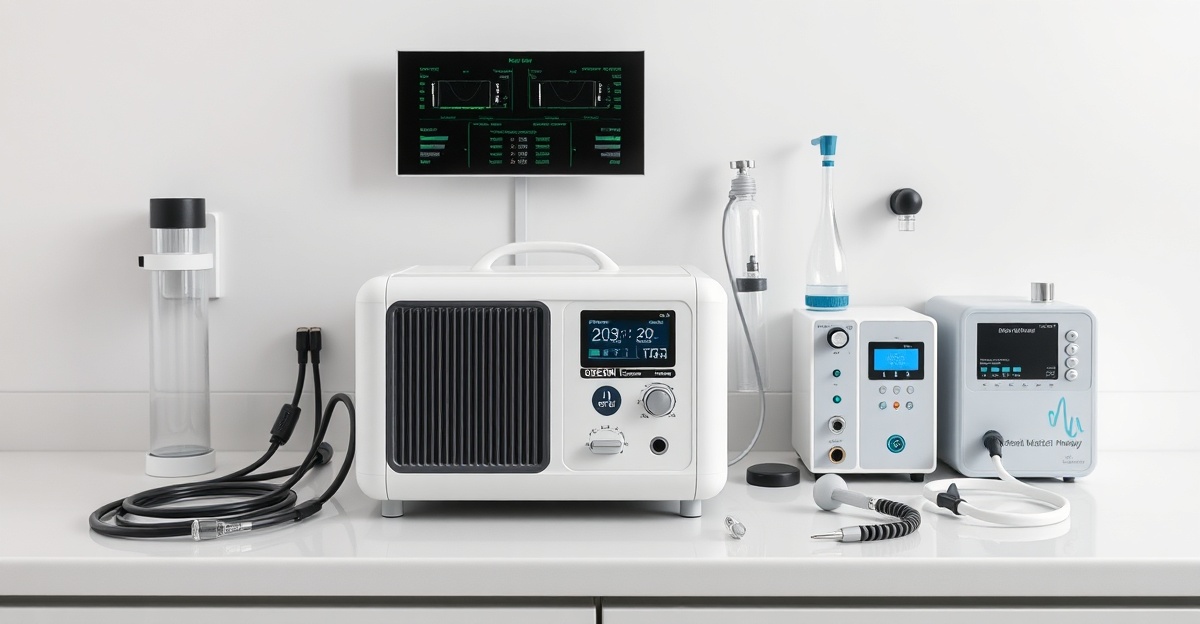
Ozone therapy devices in dermatology fall into four groups: medical ozone generators that produce a measured ozone-oxygen mix from pure oxygen, ozone steam cabinets (ozone saunas), ozone water systems for washes and hydrotherapy, and factory-made ozonated oils. Clinics pair the generator with accessories such as limb bags, cupping applicators and facial steamers.
The US regulatory position shapes this market. FDA regulation 21 CFR 801.415 describes ozone as a toxic gas with no known useful medical application in specific, adjunctive or preventive therapy (21 CFR 801.415), and no ozone generator is FDA cleared for treating a skin condition. Ozone skin therapy in the US is therefore offered off label, mostly by cash pay integrative, functional medicine and wellness clinics, while ozone therapy is more established in parts of Europe. Our post on whether ozone therapy is FDA approved explains the rules in more depth.
No reliable public data on the size of the dermatology ozone device market is cited here, and market reports on the subject are commercial estimates rather than peer-reviewed research. For a patient, the more useful questions are which generator a clinic uses, whether it is fed with medical-grade oxygen, and how the room is ventilated. Our guide to ozone therapy equipment covers what those answers should look like.
Ozonated Oil: What to Look For
Ozonated oil is the most accessible form of ozone therapy for skin. It is stable, affordable, and can be used at home. When stored at 4 degrees Celsius (refrigerator temperature), ozonated oil maintains its properties for up to 2 years.
Quality varies significantly between products. Look for:
- Base oil: Extra virgin olive oil or organic sunflower oil are most common. Olive oil holds ozone longer
- Ozonation level: Higher peroxide values indicate more ozone saturation. A peroxide value above 700 meq O2/kg is considered highly ozonated
- Storage: Should be shipped cold and stored refrigerated
- Source: Medical-grade ozone generators produce more consistent products than industrial-grade equipment
A higher peroxide value is not automatically better for sensitive or broken skin, because highly ozonated oils are the ones most often linked with stinging. Patch testing a small area for a day or two before wider use is a sensible first step.
“Ozonated oil can promote wound healing and topically treat atopic dermatitis, psoriasis, superficial bacterial infections, and fungal infections with lower adverse events than the standard of care.” Systematic Review, Biomedical Research International
Safety and Side Effects
Topical ozone therapy is generally safe. The most common side effect is mild irritation or stinging at the application site, particularly on broken skin. Repeated application of highly ozonated oil may occasionally cause irritant pain.
Systemic ozone therapy carries additional risks and should only be performed by trained practitioners. Ozone should never be inhaled, as it is toxic to lung tissue.
People with G6PD deficiency should avoid ozone therapy entirely, as it can trigger hemolytic anemia.
What are the side effects of ozone treatment for skin?
The side effects of ozone treatment for skin depend on the form. Ozonated oil and ozonated water mainly cause local stinging, redness or dryness. Gas bagging and ozone facials add the risk of breathing in leaked ozone, which can cause coughing, chest tightness and throat irritation. Systemic routes such as MAH can cause vein irritation, bruising and lightheadedness, and direct injection of ozone gas into a vein has been linked with gas embolism. Our posts on ozone therapy side effects and IV ozone side effects cover these in more detail.
Who should avoid ozone skin therapy?
People with G6PD deficiency, pregnant people, and anyone with uncontrolled hyperthyroidism, severe anemia or a bleeding disorder are usually told to avoid systemic ozone. Anyone with asthma or COPD should be cautious with gas-based treatments near the face. A spreading infection, a deep diabetic ulcer or a rapidly worsening rash needs a dermatologist, podiatrist or wound care physician first, with ozone considered only as an add-on.
Cost
- Ozonated oil: $15-$50 per jar (lasts 1-3 months depending on use)
- Ozone gas bagging session: $50-$150 per session
- Ozone sauna: $75-$200 per session
- Systemic ozone (IV/MAH): $150-$400 per session
Ozone therapy for skin conditions is almost always cash pay, because insurers in the US generally treat it as investigational. Prices vary by city and clinic, and our ozone therapy cost guide explains what drives the spread.
Who Provides Ozone Skin Therapy?
Ozone skin therapy in the US is offered mainly by integrative and functional medicine physicians, naturopathic doctors, nurse practitioners and some wound care practices, rather than by board-certified dermatologists. Before booking, ask who supervises treatment, which ozone generator and oxygen source the clinic uses, whether G6PD testing is done before systemic ozone, and how results will be measured against your current care.
You can compare providers on the national ozone therapy clinic directory, or look at clinics listed under eczema treatment and acne treatment. Listing order on those pages is not paid ranking, Featured slots are labeled and capped, Verified means credential checks rather than spend, and Regenerated.com is free for patients. Inclusion in the directory is not an endorsement, and our guide to Featured, Verified and organic listings explains each label.
Frequently asked questions
Does ozone therapy work for acne?
Ozone therapy for acne has only limited evidence. Ozone kills Cutibacterium acnes on contact, and small studies suggest ozonated oil or ozonated water may calm mild inflammatory acne, but no trial has compared ozone head to head with benzoyl peroxide, topical retinoids or oral antibiotics. Ozonated oil can be a low risk spot treatment alongside standard care. Moderate, cystic or scarring acne still calls for a dermatologist and established acne treatments.
Is ozone therapy good for eczema?
Ozone therapy for eczema has moderate early evidence. A split-side study by Zeng et al. (2020) found that three days of ozonated water and ozonated oil lowered SCORAD scores and restored skin microbiome diversity in moderate to severe atopic dermatitis. The trials are small and short, and none compare ozone with topical steroids or biologics, so ozonated oil is best used as a complement to moisturizers and prescribed treatment.
What is an ozone facial?
An ozone facial is a cosmetic clinic treatment that applies ozone gas, ozonated water or ozonated oil to cleansed facial skin, often with a steamer or glass applicator attached to an ozone generator. Clinics market it for acne, congestion and dull skin. No controlled trial has measured its results, so it is best viewed as a cosmetic service. The main safety point is that ozone gas must never be breathed in during the session.
Can ozone oil be used on wounds?
Ozonated oil is used on wounds, and wound healing is the strongest use of ozone therapy for skin. Reviews such as Liu et al. (2023) describe how ozone reduces biofilm and supports fibroblast and collagen activity. A Cochrane review in 2015 still found the diabetic foot ulcer trials too small for firm conclusions. Deep, infected or diabetic wounds should be managed by a wound care clinician, with ozonated oil used as an add-on.
What are the side effects of ozone skin therapy?
The most common side effect of ozone skin therapy is stinging, redness or irritation where ozonated oil or water is applied, especially on broken skin. Breathing in ozone gas irritates the lungs and can cause coughing or chest tightness, which matters for gas bagging and facials. Systemic ozone carries added risks, including vein irritation and rare gas embolism with direct injection. People with G6PD deficiency should avoid ozone entirely.
Are ozone therapy devices FDA approved for skin conditions?
Ozone therapy devices are not FDA approved or cleared for treating any skin condition. FDA regulation 21 CFR 801.415 describes ozone as a toxic gas with no known useful medical application, and the agency limits ozone emitted by medical devices. Ozone skin therapy in the US is therefore an off-label, cash pay service, and buyers of ozonated oil should judge products by peroxide value, base oil and cold storage.
Sources
- Liu Z, et al. Ozone therapy for skin diseases: cellular and molecular mechanisms. Int Wound J. 2023;20(6):2109-2119. doi:10.1111/iwj.14060
- Gallo Candela F, et al. Ozone therapy for dermatological conditions: a systematic review. J Clin Aesthet Dermatol. 2022;15(5):65-73.
- Zeng J, Dou J, Gao L, et al. Topical ozone therapy restores microbiome diversity in atopic dermatitis. Int Immunopharmacol. 2020;80:106191. doi:10.1016/j.intimp.2019.106191. PubMed: PMID 31986325
- Ugazio E, et al. Ozonated oil for the treatment of skin disorders: a truth or myth? Biomed J Sci Tech Res. 2020;31(1):24035-24040.
- Oliveira PG, et al. Effectiveness and safety of ozone therapy for dermatological disorders: a literature review of clinical trials. Dermatol Ther. 2022;35(12):e15967. doi:10.1111/dth.15967
- Liu J, Zhang P, Tian J, et al. Ozone therapy for treating foot ulcers in people with diabetes. Cochrane Database Syst Rev. 2015;(10):CD008474. PubMed: PMID 26505864
- US Food and Drug Administration. Maximum acceptable level of ozone. 21 CFR 801.415. eCFR text