The Autoimmune Diet (AIP): A Complete Guide to the Autoimmune Protocol
Gliadin, a protein in gluten, has a molecular structure remarkably similar to thyroid tissue. In genetically susceptible individuals, the immune system attacks gliadin and then cross-reacts with the thyroid gland (molecular mimicry). Studies show that strict gluten elimination can significantly reduce thyroid antibodies in Hashimoto’s patients, even without changes in medication. This is one of the strongest cases for AIP in autoimmune thyroid disease.
You have been told to “eat healthy,” but nobody explained what that actually means when your immune system is attacking your own tissue. The autoimmune diet, formally known as the Autoimmune Protocol (AIP), is not about willpower, deprivation, or following the latest wellness trend. It is a structured, evidence-informed framework designed to remove the foods most likely to trigger immune activation, calm systemic inflammation, and give your body the space it needs to begin healing. If you have been bouncing between doctors, collecting diagnoses, and still feeling terrible after meals, this article is for you.
📋 At a Glance
- The Autoimmune Protocol (AIP) is a structured elimination-and-reintroduction diet designed to identify food triggers that drive immune activation and inflammation
- Two phases: Elimination (30-90 days) removes grains, dairy, eggs, nuts, seeds, nightshades, legumes, and additives; Reintroduction systematically tests each category
- The science: intestinal permeability, molecular mimicry, and dietary antigens are documented drivers of autoimmune activation
- Published research (2019 Cureus study) shows significant clinical improvement in IBD patients on AIP, with some achieving remission
- AIP works best as part of a layered strategy that includes gut healing, LDN, stress management, and addressing infections or mast cell activation
What Is the Autoimmune Protocol (AIP) Diet?
The AIP diet is a specialized elimination and reintroduction protocol developed for people living with autoimmune conditions. It was built on the growing body of research linking intestinal permeability, dietary antigens, and immune dysregulation. Unlike fad diets that focus on weight loss, the autoimmune protocol diet targets the root mechanisms driving chronic inflammation.
The protocol works in two distinct phases. During the elimination phase, you remove food categories that research has identified as common immune triggers. During the reintroduction phase, you systematically add foods back one at a time, tracking your body’s response. The goal is not permanent restriction. It is personal discovery. You are building a map of what your unique immune system can and cannot tolerate.
The goal of the AIP is not lifelong restriction. It is personal discovery. The elimination phase reduces immune “noise” so you can clearly see which foods trigger your symptoms. Most people find they react to only a few food categories, not all of them. The reintroduction phase gives you back as many foods as your body can safely handle – your long-term diet should be far less restrictive than the elimination phase.
This approach has gained traction among functional medicine practitioners, immunologists, and patients with conditions ranging from Hashimoto’s thyroiditis and rheumatoid arthritis to inflammatory bowel disease and lupus. It is not a cure. It is a tool that helps you identify which dietary inputs are contributing to your symptom burden.
The Science Behind the Autoimmune Diet
To understand why the AIP diet works, you need to understand what is happening at the gut barrier. In a healthy digestive system, the intestinal lining acts as a selective gatekeeper. It allows nutrients through while keeping larger molecules, bacteria, and undigested food proteins out of the bloodstream. When this barrier becomes compromised (a condition often called leaky gut or increased intestinal permeability), those larger molecules escape into circulation.
Once in the bloodstream, certain food proteins can trigger an immune response through a process called molecular mimicry. Some food proteins share structural similarities with human tissue proteins. When the immune system mounts a response against these food-derived molecules, it can mistakenly begin attacking the body’s own tissues. Gluten’s gliadin protein, for example, has been shown to increase intestinal permeability by upregulating zonulin, a protein that modulates the tight junctions between intestinal cells.
Dairy casein, lectins found in grains and legumes, and proteins in nightshade vegetables have all been studied for their potential to promote intestinal permeability or directly stimulate immune pathways. The research is not yet definitive for every food category, but the clinical pattern is consistent: many people with autoimmune conditions experience measurable symptom improvement when these foods are temporarily removed.
A 2019 study published in Cureus examined the AIP diet in patients with inflammatory bowel disease and found significant clinical improvement during the elimination phase, with many participants achieving clinical remission. While larger trials are still needed, this study added meaningful weight to the clinical observations that practitioners had been reporting for years.
Phase 1: Elimination (What to Remove and Why)
The elimination phase typically lasts 30 to 90 days. This is long enough for the immune system to calm down and for inflammatory markers to shift, but not so long that you lose motivation. Each food category is removed for a specific immunological reason.
Grains (All Types, Including Gluten-Free)
All grains contain proteins and compounds that can irritate the gut lining. Gluten-containing grains are the most studied offenders, but even gluten-free grains like rice, corn, and oats contain lectins and other antinutrients that may promote intestinal permeability in sensitive individuals. The AIP removes all grains, not just wheat.
Dairy
Casein and whey proteins in dairy can trigger immune responses in people with autoimmune conditions. Dairy also contains butyrophilin, a protein that shares structural similarity with myelin (the protective coating around nerves), which may be relevant in conditions like multiple sclerosis. Lactose intolerance compounds the problem by creating additional gut inflammation.
Eggs
Egg whites contain lysozyme, a protein that can cross the gut barrier and contribute to immune activation. Eggs are one of the most common food sensitivities in the autoimmune population, even though they are considered a health food in conventional nutrition.
Nuts and Seeds
Nuts and seeds contain phytic acid and enzyme inhibitors that can irritate an already compromised gut lining. They are also common allergens. Seed-based spices (cumin, coriander, mustard, fennel) are removed during this phase as well.
Nightshades
Tomatoes, peppers, eggplant, potatoes (not sweet potatoes), and related spices like paprika and cayenne contain alkaloids, including solanine and capsaicin. These compounds can increase intestinal permeability and promote inflammation in some individuals, particularly those with joint-related autoimmune conditions.
Legumes
Beans, lentils, peanuts, and soy contain lectins and phytates that can damage the intestinal lining. Soy in particular has estrogenic properties that may affect hormone-sensitive autoimmune conditions.
Refined Sugar, Alcohol, and Coffee
Refined sugar feeds inflammatory pathways and disrupts the gut microbiome. Alcohol directly damages the intestinal lining and increases permeability. Coffee, even decaffeinated, stimulates cortisol production and can irritate the gut. These are removed to reduce the overall inflammatory load on the body.
Food Additives and Processed Ingredients
Emulsifiers, artificial sweeteners, carrageenan, and other food additives have been shown in research to disrupt the gut microbiome and increase intestinal permeability. During the elimination phase, eating whole, unprocessed foods eliminates these variables entirely.
Phase 1: What You CAN Eat
The AIP diet is not about starvation. When done properly, it is deeply nourishing. The foods that remain on the protocol are nutrient-dense and anti-inflammatory.
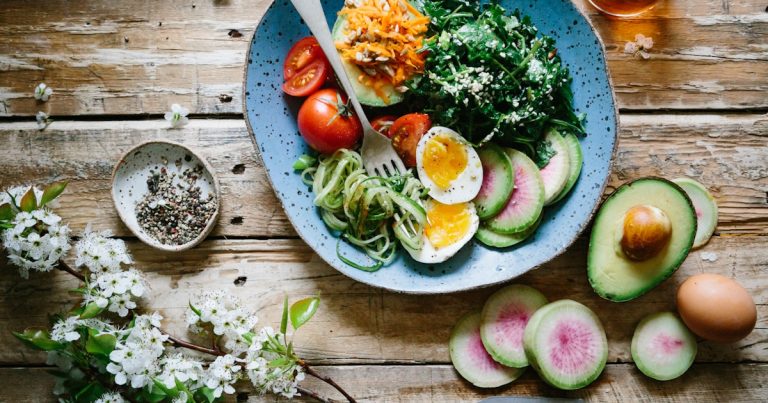
- Quality proteins: Grass-fed beef, lamb, bison, pastured poultry, wild-caught fish and seafood, organ meats (extremely nutrient-dense)
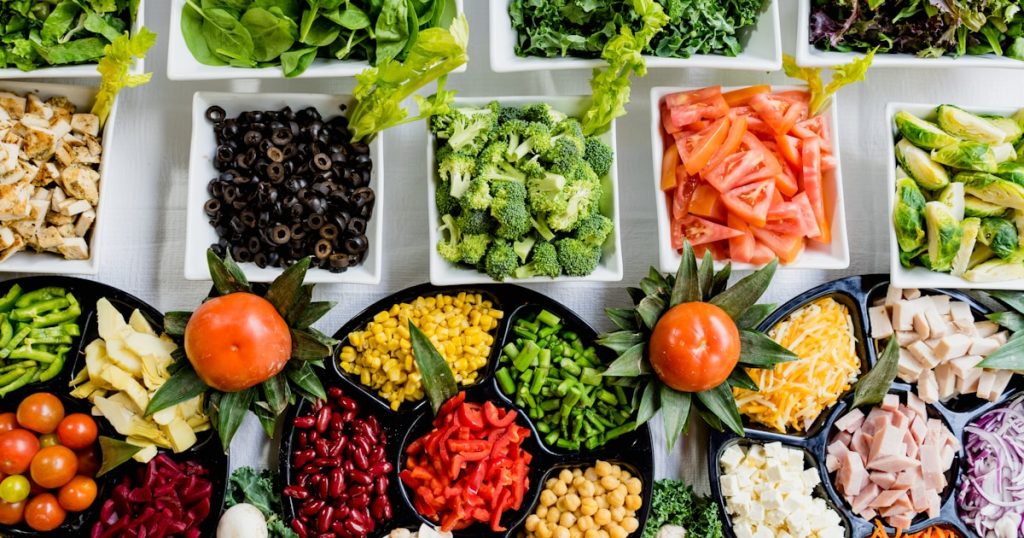
- Most vegetables: Leafy greens, cruciferous vegetables (broccoli, cauliflower, Brussels sprouts), root vegetables (sweet potatoes, beets, carrots), squash, zucchini, asparagus, artichokes
- Most fruits: Berries, citrus, apples, pears, bananas, mangoes, and other whole fruits in moderation
- Healthy fats: Extra virgin olive oil, coconut oil, avocado oil, avocados, olives
- Bone broth: Rich in collagen, glycine, and glutamine, all of which support gut lining repair
- Fermented foods: Sauerkraut, kimchi, kombucha, and coconut yogurt (if tolerated; those with histamine intolerance may need to limit these)
- Herbs and non-seed spices: Basil, oregano, thyme, rosemary, turmeric, ginger, cinnamon (Ceylon), garlic
- Natural sweeteners (small amounts): Raw honey, maple syrup, dates
Many people are surprised by how satisfying and varied AIP meals can be once they move past the initial adjustment period. Sweet potato hash with ground bison and sauteed greens for breakfast. Salmon with roasted root vegetables and a big salad dressed in olive oil and lemon for dinner. Bone broth sipped between meals to support gut healing. This is real food, prepared simply.
Phase 2: Reintroduction
The reintroduction phase is where the real value of the AIP diet reveals itself. After the elimination period, you add foods back one at a time, in a specific order, while carefully monitoring your body’s response. This is the part that transforms the AIP from a generic diet into a personalized nutrition plan.
The 72-Hour Rule
Immune reactions to food are not always immediate. Some responses take 48 to 72 hours to manifest. When reintroducing a food, eat a small amount on day one, then wait a full 72 hours before drawing conclusions. Do not introduce any other new foods during this window.
What to Track
During reintroduction, keep a detailed journal tracking the following symptoms after each new food:
- Digestive symptoms (bloating, gas, pain, diarrhea, constipation)
- Energy levels and fatigue patterns
- Joint pain or stiffness
- Skin changes (rashes, acne, eczema flares)
- Brain fog, headaches, or mood changes
- Sleep quality
- Sinus congestion or respiratory symptoms
- Any return of condition-specific symptoms
Suggested Reintroduction Order
Start with foods least likely to cause reactions and work toward the more common triggers:
- Egg yolks (better tolerated than whites)
- Seed-based spices (cumin, coriander)
- Ghee (clarified butter, casein-free)
- Nuts (almonds, macadamias first)
- Seeds (sunflower, pumpkin)
- Egg whites
- Nightshades (cooked, starting with peeled potatoes)
- Coffee
- Dairy (starting with fermented: yogurt, kefir)
- Gluten-free grains (white rice first)
- Legumes
- Gluten-containing grains (last, if at all)
Some people discover they can tolerate most reintroduced foods. Others find that certain categories consistently trigger symptoms. Both outcomes are valuable. The point is that you now have data instead of guesswork.
AIP vs. Other Anti-Inflammatory Diets
The AIP diet exists within a broader field of anti-inflammatory dietary approaches. Understanding the differences helps you determine which framework best fits your situation.
Mediterranean Diet: Rich in olive oil, fish, vegetables, and whole grains, the Mediterranean diet has strong evidence for reducing cardiovascular inflammation. However, it includes grains, legumes, dairy, and nightshades, all of which can be problematic for autoimmune patients. It is a good long-term maintenance diet for those who tolerate these foods but is not restrictive enough to serve as an elimination protocol.
Whole30: Whole30 removes sugar, dairy, grains, legumes, and alcohol for 30 days. It overlaps significantly with AIP but still allows eggs, nuts, seeds, nightshades, and coffee. For people without autoimmune conditions, Whole30 can be a useful reset. For those with autoimmune disease, the AIP goes further by removing additional immune-triggering categories.
Wahls Protocol: Developed by Dr. Terry Wahls for multiple sclerosis, this protocol emphasizes nutrient density with a focus on nine cups of vegetables daily (three cups each of greens, sulfur-rich, and deeply colored). It shares many principles with AIP but places greater emphasis on mitochondrial support. Many people combine elements of both approaches.
Low-Histamine Diet: For those with mast cell activation syndrome (MCAS) or histamine intolerance, a standard AIP diet may not be sufficient. Fermented foods, bone broth, and aged meats, all staples of AIP, are high in histamine. People with MCAS overlap often need a modified AIP that also accounts for histamine content. This is a common and under-recognized challenge in the autoimmune community.
If you are also managing gut infections or bacterial overgrowth, the SIBO diet guide covers specific dietary strategies for small intestinal bacterial overgrowth that may need to be layered with AIP principles.
Common Challenges and Practical Solutions
Social Eating
Eating AIP at restaurants, family gatherings, and social events is genuinely difficult. There is no way around this. Strategies that help: eat before you go so you are not starving, bring a dish you can eat, communicate your needs simply (“I’m on a medical elimination diet”), and focus on the social connection rather than the food. Over time, this gets easier. Most people find that a few trusted restaurants and simple phrases carry them through.
Nutrient Density
Because the AIP removes so many food categories, it is critical to eat a wide variety of the foods that remain. Organ meats, seafood, and a diverse range of colorful vegetables provide the micronutrients your body needs. If organ meats feel unappealing, consider desiccated liver capsules as a whole-food supplement. Prioritize variety over volume.
Meal Prep and Batch Cooking
Without a plan, AIP quickly becomes overwhelming. Dedicate a few hours each week to batch cooking proteins, roasting vegetables, and making bone broth. Having compliant food ready in the refrigerator makes the difference between staying on protocol and reaching for something you will regret.
Cost
Grass-fed meat, wild-caught fish, and organic produce are expensive. If budget is a constraint, prioritize where it matters most: choose pastured meats when possible, buy frozen wild-caught fish, shop seasonally for produce, and use less expensive cuts like ground meat and stew meat. Bone broth made from leftover bones stretches the budget further. The elimination of packaged and processed foods often offsets some of the increased cost of whole foods.
Fatigue of Restriction
Diet fatigue is real, and it deserves validation. Living with an autoimmune condition already requires enormous mental energy. Adding food restrictions on top of that can feel like too much. Remember that the strict elimination phase is temporary. The reintroduction phase is designed to give you back as many foods as your body can safely handle. The goal is the least restrictive diet that keeps your symptoms managed.
Several AIP-compliant foods are high in histamine: bone broth, fermented vegetables, aged meats, and kombucha. If you have mast cell activation syndrome (MCAS) or histamine intolerance, standard AIP may actually worsen some symptoms. You may need a modified AIP that also accounts for histamine content – cooking fresh food and eating it immediately, avoiding fermented foods, and freezing leftovers right away instead of refrigerating.
When Diet Alone Is Not Enough
The AIP diet is a powerful tool, but it is not a complete solution for everyone. Autoimmune conditions are driven by multiple factors, and diet addresses only one piece of the puzzle. If you have been strictly following the protocol for 60 to 90 days without meaningful improvement, it is time to look deeper.
Underlying infections: Chronic bacterial, viral, or parasitic infections can keep the immune system in a perpetual state of activation. No amount of dietary change will override an ongoing infectious trigger.
Mold and environmental toxins: Mold exposure and chronic inflammatory response syndrome (CIRS) can drive autoimmune symptoms that do not respond to dietary intervention alone. If you live or work in a water-damaged building, this needs to be addressed.
Chronic stress and nervous system dysregulation: The hypothalamic-pituitary-adrenal (HPA) axis and the vagus nerve play central roles in immune regulation. Chronic psychological stress, trauma, and nervous system dysregulation can perpetuate autoimmune flares regardless of dietary perfection.
Gut healing protocols: Diet removes the offending inputs, but actively repairing the gut lining often requires additional support. Targeted supplements like L-glutamine, zinc carnosine, and collagen peptides can accelerate gut barrier repair. Understanding intestinal permeability is essential for building an effective healing protocol.
Low-dose naltrexone (LDN): LDN is an immune-modulating medication that has shown promise in multiple autoimmune conditions. It works through a different mechanism than diet, and many patients find that combining AIP with LDN produces better results than either approach alone.
The most effective approach to autoimmune disease is rarely a single intervention. It is a layered strategy that addresses diet, gut health, infections, environmental exposures, stress, and sometimes medication. The AIP diet is often the best starting point because it reduces the noise, allowing you and your practitioner to see what other factors are still driving symptoms.
Frequently Asked Questions
How long should I stay on the AIP elimination phase?
The elimination phase typically lasts 30 to 90 days. This is long enough for the immune system to calm down and inflammatory markers to shift. Most people notice meaningful symptom improvement within 3-4 weeks. If you see no improvement after 90 days of strict adherence, the issue likely extends beyond diet – look into infections, mold exposure, or gut permeability as additional factors.
Can I do AIP if I also have MCAS or histamine intolerance?
Yes, but with modifications. Standard AIP includes bone broth, fermented foods, and aged meats that are high in histamine. If you have MCAS or histamine intolerance, you will need to eat only freshly cooked food, avoid fermented products, and freeze leftovers immediately instead of refrigerating. This “low-histamine AIP” is more restrictive but can be very effective for patients with both autoimmune and mast cell issues.
Does AIP work for Hashimoto’s thyroiditis?
A 2019 study in Cureus found that AIP improved quality of life and reduced inflammatory markers in autoimmune patients. For Hashimoto’s specifically, the removal of gluten is particularly important due to molecular mimicry between gliadin and thyroid tissue. While longer studies are needed to show significant antibody reduction, clinical experience and patient reports consistently show improvement in symptoms like fatigue, brain fog, and joint pain.
What should I do if AIP does not improve my symptoms?
If strict AIP for 60-90 days produces no meaningful improvement, look beyond diet. Investigate chronic infections (EBV, Lyme, parasites), mold exposure (CIRS), nervous system dysregulation, and gut infections like SIBO. Consider immune-modulating therapies like low-dose naltrexone (LDN). Diet addresses one piece of the autoimmune puzzle, but other drivers may need direct intervention.
Is the AIP diet safe long-term?
The full elimination phase is not designed for long-term use – it removes too many food categories to be nutritionally optimal indefinitely. However, the personalized diet that emerges from reintroduction can absolutely be followed long-term. Most people end up permanently avoiding only 1-3 trigger categories while eating broadly from all other food groups. The key is completing the reintroduction phase rather than staying in perpetual elimination.
Related Reading
- Leaky Gut: The Science of Intestinal Permeability – The gut barrier dysfunction that drives autoimmune activation
- Hashimoto’s Thyroiditis: The Complete Guide – The most common autoimmune condition and its dietary connections
- Low-Dose Naltrexone (LDN): The Complete Guide – Immune modulation that complements AIP for autoimmune conditions
- Mast Cell Activation Syndrome (MCAS): The Complete Guide – When mast cell issues require AIP modification for histamine
- Histamine Intolerance: Causes, Symptoms, and Solutions – Why some AIP-compliant foods may still trigger symptoms
- The SIBO Diet Guide – Dietary strategies for small intestinal bacterial overgrowth
- LDN (Low Dose Naltrexone): What to Know – Practical guidance for LDN use
- Mold Illness and CIRS – When environmental toxins are driving your symptoms
Medical Disclaimer: This article is for informational purposes only and is not a substitute for professional medical advice, diagnosis, or treatment. The autoimmune protocol diet should ideally be undertaken with the guidance of a qualified healthcare practitioner, particularly if you are on medications or managing multiple conditions. Always consult your doctor before making significant dietary changes.