What to Avoid When Taking Low Dose Naltrexone (LDN): A Complete Guide
Explore the clinic directoryIn this article
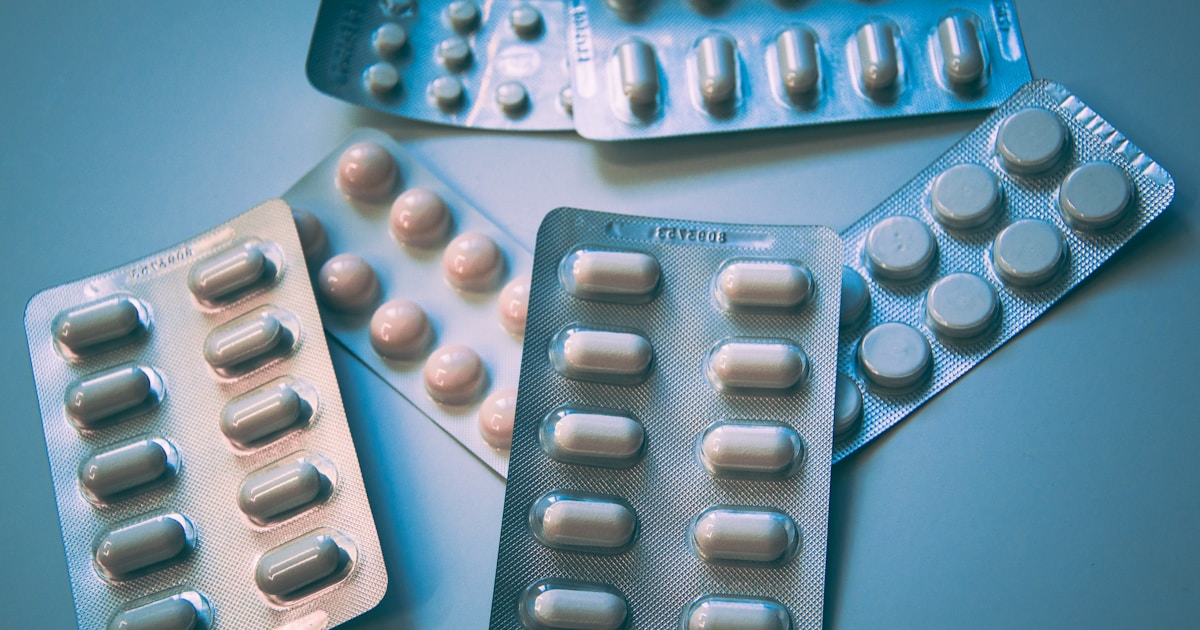
The main things to avoid when taking low dose naltrexone (LDN) are opioid pain medications, opioid containing over the counter products like loperamide and dextromethorphan, kratom, and calcium carbonate used as a capsule filler. Alcohol, immunosuppressants, and benzodiazepines are not absolute contraindications, but each one calls for caution and a conversation with the prescribing physician.
You finally got the LDN prescription. Maybe your functional medicine doctor suggested it for your autoimmune condition. Maybe you found it through a chronic pain support group. Either way, you’re hopeful – but also wondering: what can I actually take alongside this?
Low dose naltrexone (LDN) is one of the most promising – and most misunderstood – tools in the chronic illness world. At doses typically between 1.5 and 4.5 mg, it works through entirely different mechanisms than the standard 50 mg dose used for addiction medicine. It modulates the immune system, reduces neuroinflammation, and may upregulate your body’s own endorphin production.
But LDN’s unique mechanism is also what makes certain drug interactions dangerous or counterproductive. Because it works by temporarily blocking opioid receptors and antagonizing Toll-like receptor 4 (TLR4) on immune cells, the list of things to avoid isn’t always intuitive – and most of the information online is written for addiction recovery patients, not for someone managing MCAS, autoimmune disease, fibromyalgia, or chronic pain.
This guide is for you – the chronic illness patient using LDN therapeutically. Here’s everything you need to know about what to avoid, what to use with caution, and how to get the most out of your LDN prescription.
LDN is used off label across a wide range of conditions. Patients managing fibromyalgia or chronic pain syndromes make up a large share of LDN prescriptions, and the same therapy is increasingly explored for multiple sclerosis and for Crohn’s disease when conventional options have not fully resolved symptoms. The avoidance list below applies across these use cases, since it follows from how naltrexone itself behaves rather than from any single diagnosis.
Key takeaways
- Opioid medications must be fully discontinued before starting LDN. Most prescribers require a washout period of 7 to 14 days free of short acting opioids, and longer for methadone or extended release formulations.
- Hidden opioids in everyday products, including loperamide (Imodium) for diarrhea and dextromethorphan in cough syrups, can interact with LDN even though they are not prescription pain medications.
- Calcium carbonate used as a compounding filler, or taken as a supplement close to dosing time, can convert LDN into a slow release product and blunt the rapid spike and clear pattern the medication depends on.
- Alcohol, immunosuppressant biologics, and benzodiazepines are not strict contraindications, but each warrants caution and ongoing discussion with the prescribing physician.
- LDN does not cause physical dependence, so it can be stopped without a taper, though most practitioners recommend stopping it at least 3 days before any surgery that requires opioid based anesthesia.
- Typical LDN dosing starts at 1 to 1.5 mg nightly and titrates upward by 0.5 to 1.5 mg per week toward a target of 3 to 4.5 mg, a protocol commonly described by the LDN Research Trust and used by many prescribers.
How LDN Works (And Why It Matters for Interactions)
Before we get into the avoidance list, it helps to understand why these interactions exist in the first place. LDN works through two primary mechanisms that are fundamentally different from standard-dose naltrexone.
The first mechanism is the endorphin rebound effect. When you take LDN (typically at bedtime), it briefly blocks your opioid receptors for a few hours. Your body detects this blockade and responds by upregulating both endorphin production and opioid receptor sensitivity. By the time you wake up, the naltrexone has cleared your system, and your body is producing more endorphins than baseline – with more receptors to receive them. This enhanced endorphin activity has pain-relieving and immune-regulating effects.
The second mechanism is TLR4 antagonism. Naltrexone blocks Toll-like receptor 4 on microglia and macrophages – key immune cells involved in neuroinflammation. By inhibiting TLR4, LDN reduces the production of pro-inflammatory cytokines like TNF-α, IL-6, and IL-12 while potentially increasing anti-inflammatory IL-10. This is the primary mechanism behind LDN’s benefits in autoimmune conditions, and it’s why researchers describe LDN as an immune modulator rather than an immunosuppressant.
Both mechanisms depend on LDN reaching a peak blood level quickly and clearing the system within hours. Anything that interferes with this rapid spike-and-clear pattern – or that competes for the same receptors – can undermine the therapeutic effect or cause serious problems.
1. Opioid Medications – The Most Critical Interaction
This is the single most important thing to understand about LDN: it is an opioid receptor antagonist. Even at low doses, naltrexone blocks opioid receptors. If you have opioids in your system when you take LDN, it can precipitate acute withdrawal symptoms – and these can be severe.
Opioid medications that must be avoided include hydrocodone (Vicodin), oxycodone (OxyContin, Percocet), morphine, codeine, tramadol, fentanyl, and methadone. Buprenorphine (Subutex, Suboxone) also interacts with LDN, as naltrexone will block its effects and can trigger withdrawal if you’ve been using it for more than a week.
If you’re currently taking any opioid medication, you’ll need to fully discontinue it and wait a washout period before starting LDN. Most practitioners recommend at least 7 to 14 days opioid-free before the first LDN dose, though this varies depending on the specific opioid and how long you’ve been taking it. Extended-release opioids and methadone require longer washout periods.
For chronic illness patients, this creates a real dilemma. Many people with conditions like fibromyalgia, EDS, or chronic pain syndromes rely on opioid medications for baseline function. The transition off opioids and onto LDN needs to be carefully managed with your prescribing physician – never attempt it alone.
A note on timing and staggering
Some clinicians who prescribe LDN for chronic pain patients explore the possibility of timing LDN and low-dose opioids hours apart, since LDN is metabolized within a few hours. The LDN Research Trust notes that if LDN and an opioid-based painkiller are kept apart by several hours, LDN may not interfere with the opioid’s pain-relieving effects. However, this approach requires extremely careful medical supervision, individual metabolic assessment, and should only be attempted under the guidance of a physician experienced with LDN. Most practitioners recommend avoiding this combination entirely, especially when starting LDN for the first time.
2. Hidden Opioids in Common Medications
This is where many patients get caught off guard. Opioids aren’t only found in prescription pain medications – they’re ingredients in everyday over-the-counter products that you might not think twice about reaching for.
Cough medications are a common source. Many cough syrups and combination cold remedies contain codeine or hydrocodone. Dextromethorphan (the “DM” in many cold medications like Robitussin DM or NyQuil) also targets opioid-like pathways and may interact with naltrexone, though the evidence is less clear-cut than with true opioids.
Anti-diarrheal medications are another hidden source. Loperamide (Imodium) is technically an opioid – it works by activating opioid receptors in the gut to slow intestinal motility. While it doesn’t cross the blood-brain barrier at normal doses, naltrexone may reduce its effectiveness. If you have SIBO or other GI conditions, this is worth knowing.
What to use instead: For coughs, consider non-opioid options like guaifenesin (Mucinex) or honey-based remedies. For diarrhea, bismuth subsalicylate (Pepto-Bismol) works through a different mechanism and doesn’t interact with LDN. Always check the active ingredients on any OTC medication before taking it.
3. Alcohol
The relationship between LDN and alcohol is nuanced, but the practical guidance is straightforward: it’s best to avoid alcohol while taking LDN, or at minimum, significantly limit it.
There are two concerns. First, both naltrexone and alcohol are metabolized by the liver. Combining them increases the metabolic load on an organ that’s already doing double duty, which raises the risk of liver-related side effects. This is particularly relevant for autoimmune patients who may already have elevated liver enzymes or who take other medications that stress hepatic function.
Second, naltrexone blocks the endorphin-mediated pleasurable effects of alcohol. This means you may not feel the “buzz” you expect, which can lead some people to drink more than intended – a dangerous pattern. Others report that alcohol on LDN causes amplified nausea, dizziness, and fatigue.
For autoimmune and chronic illness patients, there’s an additional consideration: alcohol itself is inflammatory and can trigger mast cell degranulation, worsen gut permeability, and disrupt sleep architecture. If you’re taking LDN to reduce inflammation and modulate your immune system, alcohol directly undermines those goals regardless of the drug interaction.
4. Immunosuppressant Medications – Proceed with Caution
This one requires more nuance than a simple “avoid” recommendation, because many autoimmune patients are taking immunosuppressants when they start LDN.
LDN is an immune modulator – it doesn’t suppress the immune system; it helps recalibrate it. This means it can theoretically work at cross-purposes with drugs designed to suppress immune activity. The most commonly flagged interactions are with biologic medications used for autoimmune conditions – drugs like adalimumab (Humira), infliximab (Remicade), and etanercept (Enbrel) – as well as conventional immunosuppressants like methotrexate, azathioprine, and cyclosporine.
The concern isn’t necessarily a dangerous interaction in the acute sense, but rather unpredictable effects on immune function. LDN upregulates certain immune pathways while biologics suppress them, and the net effect of combining both isn’t well-studied.
That said, many functional medicine practitioners do prescribe LDN alongside certain immunosuppressants, particularly during a supervised transition period. The goal is often to use LDN as a bridge therapy that allows gradual tapering of the immunosuppressant over time. This is a conversation to have with your prescribing physician – not something to navigate on your own.
Corticosteroids (prednisone, methylprednisolone) present a different interaction profile. While there’s no direct pharmacological contraindication, high-dose corticosteroids can blunt the immune-modulating effects that make LDN beneficial. Some practitioners advise keeping prednisone below 10 mg daily if possible while on LDN.
This bridge strategy comes up often for patients managing psoriasis or chronic Lyme disease who are trying to reduce long term reliance on biologics or extended antibiotic courses. For a broader look at how LDN fits into autoimmune care generally, see the guide to LDN for autoimmune disease.
5. Calcium Carbonate (Including as a Capsule Filler)
This is one of the lesser-known but most practically important things to avoid – and it’s specific to how your LDN is compounded.
LDN must be prepared by a compounding pharmacy, and the filler material used in the capsule matters. Calcium carbonate – commonly used as an inexpensive filler – binds to naltrexone and effectively converts it into a slow-release formulation. This is a problem because LDN’s therapeutic mechanism depends on a rapid spike in blood levels followed by a quick clearance. If calcium carbonate turns your LDN into a slow-release capsule, you lose the endorphin rebound effect that makes the medication work.
This also applies to calcium carbonate supplements. If you’re taking calcium carbonate (Tums, Os-Cal, or similar) around the same time as your LDN dose, it may bind to the naltrexone and reduce its effectiveness.
What to ask your pharmacy: When you fill your LDN prescription, specifically request that the compounding pharmacy use an immediate-release filler like Avicel (microcrystalline cellulose), lactose, or sucrose – not calcium carbonate. Also confirm that the capsule is not formulated as sustained-release or timed-release. If your pharmacy uses calcium carbonate by default and can’t accommodate this request, find a pharmacy that can. This detail alone can be the difference between LDN working and not working.
6. Kratom and Opioid-Like Herbal Supplements
Kratom (Mitragyna speciosa) has gained popularity in the chronic illness community as a natural pain reliever and energy booster. The problem is that kratom contains alkaloids – primarily mitragynine and 7-hydroxymitragynine – that bind to opioid receptors. Taking kratom while on LDN can trigger withdrawal-like symptoms, just as prescription opioids would.
Other herbal products with opioid receptor activity include kava (at high doses), wild lettuce (Lactuca virosa), and certain Corydalis formulations. While these are generally weaker than prescription opioids, the interaction with LDN can still be clinically significant.
For the chronic illness patient who relies on natural pain management, this means rethinking your supplement stack. Anti-inflammatory alternatives that don’t interact with opioid receptors include curcumin (turmeric extract), Boswellia, palmitoylethanolamide (PEA), and magnesium glycinate. These work through entirely different pathways and are generally considered safe to combine with LDN.
7. Certain Herbal Supplements That Affect Liver Metabolism
Naltrexone is metabolized primarily by the liver, and certain herbs can alter hepatic enzyme activity in ways that either increase or decrease naltrexone levels in your bloodstream.
The most commonly flagged herbs include St. John’s Wort (a potent CYP enzyme inducer that may accelerate naltrexone clearance and reduce its effectiveness), Echinacea (which can modulate immune pathways and may have unpredictable interactions with LDN’s immune effects), and Ginkgo biloba (which affects multiple CYP enzymes).
This doesn’t mean you need to avoid every supplement while on LDN. Many commonly used supplements in the chronic illness world – including vitamin D, omega-3 fatty acids, B vitamins, CoQ10, magnesium, and probiotics – have no known interaction with naltrexone. But any time you add a new herb or supplement, it’s worth running it by your prescribing physician or a pharmacist who understands LDN.
8. Benzodiazepines – Use with Caution
Benzodiazepines (alprazolam, lorazepam, diazepam, clonazepam) don’t directly interact with opioid receptors, so the interaction with LDN is different from the opioid issue. However, there are reasons to be cautious.
Both LDN and benzodiazepines affect the central nervous system, and combining them may increase sedation and cognitive side effects. For patients dealing with nervous system dysregulation, this additional CNS burden can be particularly problematic. For chronic illness patients who already deal with brain fog, fatigue, and cognitive dysfunction, adding additional CNS-depressant effects isn’t ideal.
More importantly, LDN’s endorphin-rebound mechanism and its effects on neuroinflammation are part of what helps with the anxiety and mood symptoms that many chronic illness patients experience. Benzodiazepines, while effective for acute anxiety, work through GABA modulation and may partially counteract the downstream benefits of LDN on mood and nervous system regulation. This doesn’t mean you must immediately stop a benzodiazepine to start LDN – but it’s a conversation worth having with your provider about long-term goals.
9. Cannabis, CBD, and the Endocannabinoid System
Patients managing chronic pain, fibromyalgia, or MCAS frequently ask whether cannabis or CBD products are safe to combine with LDN. The honest answer is that the evidence is thin, and the two systems overlap enough to warrant some caution.
Tetrahydrocannabinol (THC) acts primarily on CB1 and CB2 cannabinoid receptors rather than opioid receptors, so LDN does not block THC’s effects the way it blocks opioid painkillers. However, the endocannabinoid and endorphin systems interact closely in pain and mood regulation, and some LDN prescribers report that heavy THC use can blunt the subjective benefits patients notice from LDN, particularly for sleep and mood.
CBD presents a different concern. CBD is metabolized through CYP3A4 and CYP2D6 liver enzymes, the same general pathway involved in clearing many medications. High dose CBD may theoretically slow naltrexone clearance, similar to the caution already noted around St. John’s Wort and Ginkgo biloba. This has not been studied directly in LDN patients, so the practical guidance is to start with low CBD doses, avoid combining high dose CBD with high dose THC products, and mention any regular cannabis or CBD use to the prescriber managing LDN.
10. Timing LDN with Food and Calcium-Rich Meals
Because LDN’s therapeutic effect depends on a quick rise and fall in blood levels, timing matters beyond just the calcium carbonate filler issue covered above. Most LDN prescribers recommend taking the capsule on an empty stomach, roughly one hour before or two hours after a meal, so the naltrexone is absorbed quickly and clears on schedule.
Calcium-rich meals and dairy-heavy snacks taken at the same time as the dose deserve the same caution as calcium carbonate supplements. A large glass of milk, a calcium-fortified orange juice, or a dose of Tums taken right alongside LDN can slow absorption in a way that resembles the slow-release filler problem described earlier. This does not mean avoiding dairy or calcium altogether; it means separating calcium-heavy foods and supplements from the LDN dose by a couple of hours when possible.
If nausea is an issue, a small, low-calcium snack such as crackers or a piece of fruit is less likely to interfere with absorption than a full meal or a dairy-based snack. This is especially relevant for patients managing fibromyalgia or other conditions where gastrointestinal sensitivity is already high.
Common Side Effects of LDN (And How to Minimize Them)
While this article focuses on what to avoid, it’s worth briefly addressing the side effects that LDN itself can cause – because some of them are mistaken for drug interactions when they’re actually just normal adjustment effects.
The most common side effects when starting LDN are vivid dreams or disturbed sleep (reported by up to 37% of patients initially), headaches, and mild gastrointestinal upset – nausea, diarrhea, or abdominal discomfort. These effects are generally dose-dependent and tend to resolve within one to two weeks as your body adjusts.
Tips to minimize side effects: Start low. Most experienced LDN prescribers begin at 1 mg or 1.5 mg and titrate up by 0.5-1.5 mg per week until reaching the target dose (usually 3-4.5 mg). If vivid dreams are disruptive, some patients do better taking LDN in the morning rather than at bedtime – though evening dosing is standard because it aligns with the nocturnal endorphin rebound window. If headaches persist, reducing the dose by 0.5 mg often helps. And if GI symptoms are an issue, taking LDN with a small amount of food may reduce nausea.
| Typical timeline | Typical dose | Notes |
|---|---|---|
| Week 1 to 2 | 1 to 1.5 mg nightly | Starting dose for most adults, lower for sensitive patients |
| Week 3 to 4 | 2 to 3 mg nightly | Increase by 0.5 to 1.5 mg if side effects are tolerable |
| Week 5 and beyond | 3 to 4.5 mg nightly | Typical target dose range used in autoimmune and chronic pain protocols |
This titration schedule is a general pattern used by many LDN prescribers rather than a fixed protocol, and the prescribing physician may adjust it based on how an individual patient responds.
Can You Stop Taking LDN Abruptly?
Yes. Unlike many medications used for chronic illness, LDN does not cause physical dependence and stopping it abruptly does not trigger withdrawal symptoms. If you need to discontinue – for surgery, a course of opioid pain medication, or any other reason – you can simply stop taking it.
There is no need to taper. Your endorphin levels and opioid receptor sensitivity will return to baseline within a few days of your last dose. The main thing to note is that if you stop LDN, the symptoms it was managing may gradually return over the following days to weeks.
If you’re having surgery, most practitioners recommend stopping LDN at least 3 days before the procedure (some say up to a week) to ensure opioid-based anesthesia and post-operative pain medications work effectively. This is critical – if naltrexone is still in your system during surgery, opioid pain medications won’t work, and your anesthesiologist may need to use alternative pain management protocols. Always inform your surgical team that you take LDN.
For a deeper look at tapering questions and long-term discontinuation planning, see the guide on whether you can stop taking LDN.
LDN During Pregnancy and Breastfeeding
Evidence on naltrexone, at any dose, during pregnancy and breastfeeding is thin. Naltrexone crosses the placenta, and formal safety studies in pregnant patients taking the low 1.5 to 4.5 mg LDN dose for autoimmune or pain conditions are limited to small case series rather than controlled trials.
Standard dose naltrexone has case reports describing its use in pregnant patients with opioid use disorder, generally under close monitoring, but this population and indication differ substantially from the chronic illness patient using LDN for immune modulation. Because the data is thin, most prescribers approach LDN in pregnancy and breastfeeding on a case by case basis, weighing the potential benefit for the mother’s underlying condition against the limited safety data for the fetus or infant.
If you are pregnant, planning a pregnancy, or breastfeeding and currently taking LDN, do not stop or continue the medication without discussing it directly with both your prescribing physician and your obstetric provider.
The Quick Reference: What to Avoid, What to Use with Caution, and What’s Fine
Avoid completely
All opioid medications (unless under strict medical supervision with staggered timing), kratom and opioid-like herbal supplements, calcium carbonate as an LDN capsule filler, and slow-release or timed-release LDN formulations.
Use with caution (discuss with your doctor)
Alcohol, immunosuppressant medications and biologics, benzodiazepines, St. John’s Wort and other CYP-enzyme-modulating herbs, dextromethorphan-containing cough medications, loperamide (Imodium), and corticosteroids above 10 mg prednisone equivalent.
Generally safe to combine with LDN
Vitamin D, omega-3 fatty acids, B vitamins, CoQ10, magnesium, curcumin, Boswellia, palmitoylethanolamide (PEA), probiotics, DAO enzyme supplements, H1/H2 antihistamines (commonly used alongside LDN in MCAS patients), thyroid medications (levothyroxine, liothyronine), and most non-opioid pain medications (acetaminophen, NSAIDs – though NSAIDs should be used cautiously in patients with gut permeability issues).
Bottom Line
LDN is a remarkably well-tolerated medication with a favorable safety profile – but its mechanism of action means that certain interactions can either be dangerous (opioids) or silently undermine the drug’s effectiveness (calcium carbonate fillers, slow-release formulations). The most important steps you can take are to be transparent with every healthcare provider about your LDN use, verify your compounding pharmacy’s filler choice, check the active ingredients of every OTC medication before taking it, and stop LDN well before any planned surgery.
If you’re using LDN as part of a broader strategy to address the root causes of autoimmune disease, mast cell activation, or chronic inflammation, the good news is that it plays well with most of the other interventions in the functional medicine toolkit – from dietary changes and the autoimmune protocol diet to vagus nerve exercises to targeted supplementation. The key is knowing what to steer clear of.
If LDN is one part of a larger plan for multiple sclerosis or chronic Lyme disease, the directory’s multiple sclerosis treatment guide and its Lyme disease treatment clinic hub are useful starting points for comparing how different clinics describe their approach, independent of any single diagnosis.
Frequently asked questions
Can I take ibuprofen or Tylenol while on LDN?
Yes. Standard over the counter doses of acetaminophen (Tylenol) and NSAIDs like ibuprofen do not interact with naltrexone’s opioid receptor or TLR4 mechanisms. Patients with gut permeability issues or SIBO should still use NSAIDs cautiously, since NSAIDs can independently irritate the gut lining, but this is unrelated to the LDN interaction itself.
How long do I need to be off opioids before starting LDN?
Most practitioners require 7 to 14 days completely free of short acting opioids before the first LDN dose, since starting LDN too soon can precipitate withdrawal. Methadone and extended release opioids typically require a longer washout, sometimes several weeks, because they clear the body more slowly than short acting formulations.
Can I drink coffee or caffeine on LDN?
Yes, caffeine has no established pharmacological interaction with naltrexone. Some patients notice that LDN’s effect on sleep architecture, particularly vivid dreams, feels more pronounced if caffeine is used late in the day, so it is worth separating afternoon caffeine from an evening LDN dose if sleep disruption becomes an issue.
What happens if I accidentally take an opioid while on LDN?
If naltrexone is already in your system, a typical opioid dose will largely be blocked rather than cause an overdose, since LDN occupies the opioid receptors the opioid would otherwise activate. The bigger risk runs the other direction: taking LDN after recent opioid use can trigger acute, sometimes severe, withdrawal symptoms. Contact your prescriber if this happens.
Does LDN interact with vaccines?
There is no established pharmacological interaction between LDN and vaccines, and LDN’s immune-modulating effects are not the same as the immunosuppression that complicates some live vaccine guidance. That said, patients with autoimmune disease should discuss vaccine timing with their physician as part of their overall condition management, independent of the LDN question specifically.
Can I take LDN with thyroid medication?
Yes. Levothyroxine and liothyronine have no known interaction with naltrexone, and many Hashimoto’s patients take both together under medical supervision. Thyroid hormone replacement and LDN address different aspects of autoimmune thyroid disease, and combining them is common in Hashimoto’s thyroiditis management.
Related Reading
- The MCAS, POTS, and EDS Triad – Conditions where LDN is commonly used
- The Vagus Nerve and Autoimmune Disease – Complementary approaches alongside LDN
- Hashimoto’s Thyroiditis – LDN’s role in thyroid autoimmunity
- Nervous System Dysregulation – Understanding the autonomic component LDN addresses
- The Autoimmune Protocol (AIP) Diet – Dietary support alongside LDN therapy
This article is for informational purposes only and does not constitute medical advice. Always consult with a qualified healthcare provider before starting, stopping, or changing any medication – including low dose naltrexone. LDN is prescribed off-label and should be managed by a physician experienced with its use.
- autoimmune
- functional-medicine
- treatment