In this article
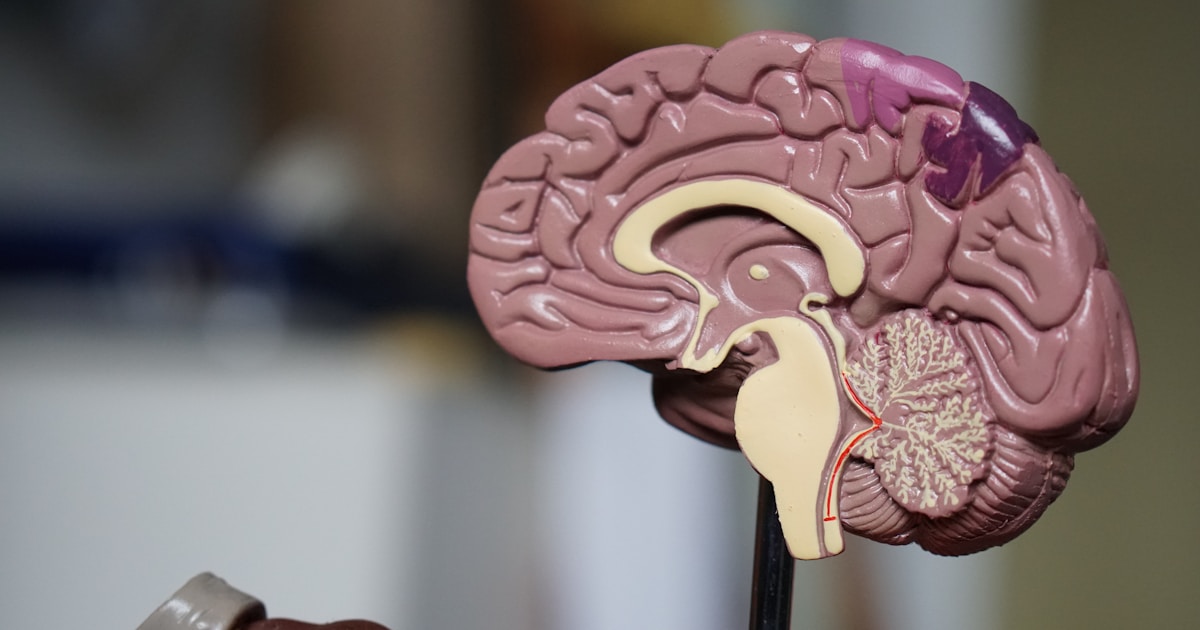
Brain fog is caused by an underlying problem that disrupts how the brain makes energy and sends signals, most often neuroinflammation driven by gut dysfunction, thyroid disease, blood sugar swings, poor sleep, nutrient deficiencies, mold exposure, chronic infection, hormonal shifts or medication side effects. A 2025 study in Brain Communications from Yokohama City University found widespread increases in AMPA receptor density in the brains of 30 people with long COVID brain fog, linked to inflammatory markers, which shows the fog is measurable rather than imagined.
A 2025 study in Brain Communications found widespread changes in AMPA receptor density in patients with long COVID cognitive impairment, directly linked to inflammatory markers. This confirms what functional practitioners have been saying: brain fog is measurable, biological, and tied to immune system activity. It is not “in your head” in the dismissive sense. It is in your head in the literal sense.
You know the feeling. You walk into a room and forget why you’re there. You read the same paragraph three times without absorbing a word. You reach for a name you’ve known for years and it simply isn’t there. Your thinking feels like it’s wrapped in cotton, and no amount of coffee seems to cut through it.
If this sounds familiar, you’re not alone. Millions of people live with this experience daily, and most of them have been told some version of the same thing: it’s stress, it’s aging, it’s normal.
It’s not normal. And it’s not “just” anything.
Brain fog is your body sending a signal that something is disrupting normal brain function. The tricky part is figuring out what. Because brain fog isn’t one condition with one cause. It’s a symptom that can be driven by dozens of different underlying problems, many of which don’t show up on standard bloodwork.
The 12 root causes below start with the ones most often overlooked. If you’ve been told “everything looks fine” while your brain clearly disagrees, this is where to start looking.
📋 Key Takeaways
- Brain fog is not a diagnosis: it is a symptom cluster of slowed thinking, poor focus, word-finding trouble and short-term memory lapses, driven by measurable biological processes, most commonly neuroinflammation.
- 12 root causes are covered, including gut dysfunction, MCAS, thyroid disorders, SIBO, mold exposure, blood sugar instability, and nutrient deficiencies, and most people have more than one contributing at once.
- A 2025 study by Fujimoto and colleagues at Yokohama City University, published in Brain Communications, used PET imaging to show AMPA receptor increases across the brains of 30 long COVID patients with cognitive impairment, tied to inflammatory markers.
- Thyroid fog can come first: in a 2022 Endocrine Practice survey of 5,170 people treated for hypothyroidism, 46.6% said their brain fog began before their thyroid diagnosis (Ettleson et al., University of Chicago).
- Standard labs often miss the cause because they test for disease, not dysfunction. Ferritin, free T3, thyroid antibodies, B12 with methylmalonic acid and fasting insulin are often left off a basic panel.
- Brain fog is often reversible once the underlying cause is identified and addressed. Treatments range from gut healing protocols to cash pay options like NAD+ IV therapy, which is not FDA approved for brain fog and has limited trial evidence.
What Brain Fog Actually Is (And What It Isn’t)
Brain fog is not a medical diagnosis. You won’t find it in the ICD-10 codes or in a textbook chapter heading. But that doesn’t mean it isn’t real, and recent research is finally catching up to what patients have been describing for years.
In clinical terms, brain fog describes a cluster of cognitive symptoms: difficulty concentrating, problems with short-term memory, mental fatigue, slow processing speed, and a subjective feeling that your thinking is “off.” Some people describe it as trying to think through mud. Others say it feels like being slightly drunk without having had anything to drink. Clinicians may chart it as cognitive dysfunction, mental fatigue or subjective cognitive impairment.
What are the symptoms of brain fog?
Brain fog symptoms fall into a recognizable pattern, even though the causes differ. The most commonly reported are:
- Trouble concentrating or holding attention on reading, meetings or conversations.
- Word-finding problems, where a familiar word or name will not come.
- Short-term memory lapses, such as losing your train of thought mid-sentence.
- Slower processing speed, so decisions and multitasking take more effort than they used to.
- Mental fatigue that builds through the day or after exertion.
- A sense of detachment or “cotton wool” thinking, sometimes with headache or low mood.
The timing of these symptoms is often the best clue to the cause. Fog that follows meals points toward blood sugar or mast cells, fog that began after a viral illness points toward post-viral inflammation, and fog that started after a move or a leak points toward mold.
A 2025 study published in Brain Communications identified one of the molecular mechanisms behind brain fog. Researchers at Yokohama City University, led by Takuya Takahashi, used a PET tracer called [11C]K-2 to compare 30 people with long COVID cognitive impairment against 80 healthy controls. The patients showed widespread increases in AMPA receptor density in the brain. These receptors are essential for learning and memory, and their changes correlated with markers of inflammation, according to Fujimoto and colleagues (2025). In other words, brain fog is measurable, biological, and tied to immune system activity.
That finding matters because it confirms what functional and integrative practitioners have been saying for years: brain fog is not “in your head” in the dismissive sense. It’s in your head in the literal sense, driven by real physiological processes that can be tested for and treated.
How is brain fog different from dementia?
Brain fog fluctuates, while dementia steadily progresses. People with brain fog usually notice their own lapses, have good and bad days, and keep their long-term memories and independence. Dementia, including Alzheimer’s disease, causes a gradual loss of memory and function that others often notice first. Memory loss that keeps worsening over months, getting lost in familiar places, or trouble managing money and medication deserves an evaluation by a neurologist or geriatrician, including formal cognitive testing.
The 12 Root Causes of Brain Fog
The 12 most common root causes of brain fog are neuroinflammation, gut dysfunction, mast cell activation syndrome, thyroid dysfunction, blood sugar instability, mold and mycotoxin exposure, chronic infections, nutrient deficiencies, sleep disruption, hormonal imbalances, medication side effects and autoimmune neuroinflammation. They overlap heavily. Most people with persistent fog have two or three of them at once, and several feed into neuroinflammation as a shared pathway.
1 Neuroinflammation
This is the master mechanism behind most brain fog. When inflammatory molecules (cytokines like TNF-alpha, IL-1, and IL-6) cross the blood-brain barrier or are produced within the brain itself, they activate the brain’s resident immune cells, called microglia. Once microglia shift into an inflammatory state, they disrupt neurotransmitter signaling, impair synaptic plasticity, and slow down neural communication.
The result? Everything feels slower. You can’t retrieve words. You lose your train of thought mid-sentence. Complex tasks that used to be automatic now require enormous effort.
Neuroinflammation isn’t a root cause in itself so much as the pathway through which many other causes produce brain fog. Gut infections, mold toxicity, autoimmune disease, chronic stress, and post-viral illness all converge on this same mechanism. If you have brain fog, there’s a good chance neuroinflammation is involved. The question is: what’s driving it?
Blood markers such as high-sensitivity C-reactive protein (hs-CRP) and erythrocyte sedimentation rate (ESR) measure systemic inflammation, not inflammation inside the brain, so a normal result does not rule neuroinflammation out. The quick reference table below matches the most common drivers with the clue that points to each one and the test that usually confirms it.
The timelines in the table are typical ranges reported once the cause is treated, not promises. Recovery is slower when several causes overlap, which is common.
2 Gut Dysfunction and Dysbiosis
Your gut and your brain are in constant two-way communication through what scientists call the gut-brain axis. This communication happens through the vagus nerve, through immune signaling molecules, and through metabolites produced by your gut bacteria that can cross the blood-brain barrier.
When the gut microbiome is disrupted (a state called dysbiosis), several things happen that directly affect brain function. Harmful bacteria and yeast produce toxins like lipopolysaccharides (LPS) that trigger systemic inflammation. Intestinal permeability increases (“leaky gut”), allowing these toxins to enter the bloodstream. And the production of beneficial neurotransmitter precursors, particularly serotonin and GABA, decreases.
Research shows that conditions like SIBO (small intestinal bacterial overgrowth) are strongly associated with brain fog. A targeted low-FODMAP approach can help reduce the bacterial fermentation that drives both gut and cognitive symptoms. SIBO produces excess hydrogen and methane gas in the small intestine, causes nutrient malabsorption, and drives inflammation that reaches the brain through the gut-brain axis. If your brain fog comes with bloating, food sensitivities, or irregular digestion, the gut is a strong place to start investigating.
Gastroenterologists diagnose SIBO with a lactulose or glucose breath test and usually treat it with antibiotics such as rifaximin, sometimes alongside diet changes. The SIBO treatment guide compares antibiotic and herbal approaches, and people whose fog travels with irritable bowel syndrome often benefit from the same workup.
3 Mast Cell Activation Syndrome (MCAS)
Mast cells are immune cells found throughout the body, including in the brain. When they’re functioning normally, they help fight pathogens and coordinate immune responses. In mast cell activation syndrome, these cells become hyperreactive and release inflammatory mediators, including histamine, prostaglandins, and cytokines, in response to triggers that shouldn’t provoke such a reaction.
Histamine in the brain is a neurotransmitter. In appropriate amounts it promotes wakefulness and attention. But when mast cells dump excessive histamine, it disrupts the delicate balance of brain chemistry. Histamine overload also dysregulates dopamine and serotonin signaling, which explains why MCAS patients often describe their brain fog as a combination of cognitive slowness, emotional blunting, and an inability to focus.
MCAS brain fog often has a distinctive pattern: it worsens after eating (especially high-histamine foods), fluctuates throughout the day, and may come alongside flushing, headaches, or skin reactions. If your brain fog seems to have triggers rather than being constant, MCAS should be on the differential.
Allergists and immunologists are the specialists most likely to test for MCAS. Treatment usually starts with H1 and H2 antihistamines and mast cell stabilizers such as cromolyn, along with identifying personal triggers.
4 Thyroid Dysfunction
Thyroid hormones regulate the metabolic rate of every cell in your body, including neurons. When thyroid hormone levels are low (hypothyroidism), brain cells literally slow down. Neurotransmitter production drops, cerebral blood flow decreases, and the speed at which neurons fire and communicate is impaired.
Here’s what makes thyroid-related brain fog tricky: standard thyroid testing often misses it. Most conventional doctors check only TSH, and sometimes free T4. But brain fog can occur with “normal” TSH if free T3 is low, if thyroid antibodies (TPO and thyroglobulin) are elevated, or if the conversion from T4 to T3 is impaired. Hashimoto’s thyroiditis, the autoimmune form of hypothyroidism, is a particularly common cause of brain fog, and the cognitive symptoms can appear years before TSH becomes abnormal enough to meet the diagnostic threshold.
Patient data backs this up. In a 2022 survey of 5,170 people treated for hypothyroidism, published in Endocrine Practice by Ettleson and colleagues at the University of Chicago, 46.6% reported that their brain fog began before their thyroid diagnosis, and 79.2% experienced it frequently.
A 2022 review published in Thyroid noted that 10 to 15% of people treated with levothyroxine report residual symptoms, brain fog among them, despite “normal” TSH values. This suggests the issue isn’t always about total hormone levels but about how effectively the brain is using those hormones.
5 Blood Sugar Instability
Your brain consumes roughly 20% of your body’s total glucose supply despite being only about 2% of your body weight. It’s an energy-hungry organ, and it’s extremely sensitive to fluctuations in its fuel source.
When blood sugar spikes after a high-carbohydrate meal and then crashes, the brain experiences what amounts to an energy crisis. Neurons don’t have enough glucose to maintain normal firing rates, and the result is the classic post-meal fog: difficulty concentrating, drowsiness, irritability, and mental sluggishness. Over time, repeated blood sugar swings lead to insulin resistance, which further impairs the brain’s ability to take up glucose efficiently.
This is one of the most common and most fixable causes of brain fog. If your fog is worst after meals, in the mid-afternoon, or when you’ve gone too long without eating, blood sugar regulation is very likely part of the picture. A continuous glucose monitor, even worn for just two weeks, can be revelatory.
Prediabetes, type 2 diabetes, polycystic ovary syndrome (PCOS) and metabolic syndrome all raise the odds of this pattern. The signs of insulin resistance often show up years before fasting glucose crosses into the diabetic range.
6 Mold and Mycotoxin Exposure
Mold toxins (mycotoxins) are among the most potent neurotoxins found in everyday environments, and they’re far more common than most people realize. Estimates suggest that up to 50% of buildings in the United States have some degree of water damage, and where there’s water damage, there’s usually mold.
Mycotoxins like ochratoxin A, trichothecenes, and gliotoxin cross the blood-brain barrier and cause direct neuronal damage. They also trigger persistent immune activation, oxidative stress, and mitochondrial dysfunction in brain cells. The cognitive effects can be severe: patients with chronic mold exposure often describe their brain fog as one of the worst symptoms, sometimes more debilitating than the fatigue, pain, or respiratory issues that accompany it.
Mold-related brain fog has some characteristic features. It typically doesn’t respond to the usual interventions (better sleep, diet changes, stress management). It often came on after moving to a new home or workplace, or after a water damage event. And it’s frequently accompanied by other multi-system symptoms: sinus congestion, unusual fatigue, sensitivity to chemicals, and a feeling of being “toxic.”
The evidence base here is thinner than for thyroid or blood sugar causes. Urine mycotoxin tests are not standardized, and mainstream and functional clinicians still disagree on how to interpret them. Fixing the water source in the building comes first, and the toxic mold exposure condition page lists the symptoms and treatments clinicians use.
7 Chronic Infections
Persistent, low-grade infections can keep the immune system in a state of constant activation, producing a steady stream of inflammatory cytokines that affect brain function. Lyme disease (Borrelia burgdorferi) is perhaps the most well-known example, with brain fog being one of its hallmark neurological symptoms. But it’s far from the only one.
Epstein-Barr virus (EBV) reactivation is increasingly recognized as a driver of chronic fatigue and cognitive dysfunction. Mycoplasma pneumoniae, Bartonella, and Babesia can all produce neurological symptoms. And post-viral syndromes, most visibly long COVID, have put a spotlight on how viral infections can trigger persistent brain fog through neuroinflammation and immune dysregulation that continues long after the acute infection has cleared.
NIH-funded research in 2025 identified specific inflammatory and stress markers in long COVID patients with brain fog, confirming the biological basis for post-viral cognitive dysfunction and opening up new avenues for treatment. The long COVID brain fog article covers that research and the post-exertional malaise (PEM) pattern in more depth.
Post-viral fog overlaps heavily with myalgic encephalomyelitis/chronic fatigue syndrome (ME/CFS). The Institute of Medicine’s 2015 diagnostic criteria for ME/CFS require either cognitive impairment or orthostatic intolerance alongside fatigue, unrefreshing sleep and post-exertional malaise, which is why brain fog is one of the defining features of chronic fatigue syndrome.
NAD+ (nicotinamide adenine dinucleotide) is a coenzyme critical for mitochondrial energy production and DNA repair in neurons. NAD+ levels decline with age, chronic inflammation, and oxidative stress, all of which are drivers of brain fog. IV NAD+ therapy is increasingly used by functional medicine practitioners to support cognitive recovery, particularly in patients with post-viral brain fog, mold-related cognitive dysfunction, and age-related decline. Controlled trials in people with brain fog are still small, and IV NAD+ is not FDA approved for this use.
8 Nutrient Deficiencies
Several key nutrients are essential for normal cognitive function, and deficiencies in any of them can produce brain fog. The most common culprits include B12, folate, iron (especially ferritin), vitamin D, magnesium, and omega-3 fatty acids.
Vitamin B12 deficiency deserves special mention because it’s both common and frequently underdiagnosed. Standard serum B12 tests can show “normal” levels while functional B12 status is actually insufficient. Methylmalonic acid (MMA) and homocysteine are more sensitive markers. B12 is critical for myelin synthesis (the insulation around nerve fibers) and for methylation reactions that regulate neurotransmitter production. Even mild insufficiency can cause noticeable cognitive symptoms.
Iron deficiency, even without full-blown anemia, is another sneaky cause. Ferritin (iron storage) levels below 30 ng/mL are associated with cognitive impairment, fatigue, and poor concentration, even though many labs list the “normal” range as starting at 10 or 12. If your ferritin is “normal” but low, it may still be contributing to your fog.
The people most at risk of these deficiencies include those taking metformin or proton pump inhibitors (both lower B12 absorption), people with celiac disease or Crohn’s disease, vegans and vegetarians, and women with heavy menstrual periods. Testing first matters, because supplementing blindly can mask a deficiency without fixing its cause.
9 Sleep Disruption
During deep sleep, the brain’s glymphatic system activates. Think of it as the brain’s waste removal service. Cerebrospinal fluid flows through the brain tissue, clearing out metabolic waste products, including beta-amyloid and tau proteins, that accumulate during waking hours. When sleep is disrupted, shortened, or not sufficiently deep, this cleaning process doesn’t complete properly, and the accumulated waste impairs cognitive function the next day.
The glymphatic system was described in animal studies from Maiken Nedergaard’s laboratory at the University of Rochester, including a 2013 paper in Science showing that sleep increases the clearance of metabolic waste from the brain.
Sleep apnea is a massively underdiagnosed cause of brain fog. It doesn’t just affect overweight middle-aged men. Thin women, people with small airways, and those with conditions like POTS or EDS can all have sleep-disordered breathing. If you wake up feeling unrefreshed despite getting enough hours in bed, or if your partner has noticed snoring or pauses in breathing, a sleep study is worth pursuing.
A sleep study can be an in-lab polysomnogram or a home sleep apnea test ordered by a sleep medicine physician. Treatment options such as CPAP, oral appliances from a dentist and positional therapy are compared in the sleep apnea treatment guide.
Beyond apnea, circadian rhythm disruption, blue light exposure, and the general modern habit of chronic sleep debt all contribute. The brain needs consistent, high-quality sleep to function. There’s no supplement or biohack that fully compensates for poor sleep.
10 Hormonal Imbalances Beyond Thyroid
Estrogen, progesterone, testosterone, and cortisol all influence brain function directly. Estrogen, for instance, promotes cerebral blood flow and supports acetylcholine production (the neurotransmitter most closely associated with memory and learning). This is why many women report brain fog during perimenopause, postpartum periods, or certain phases of their menstrual cycle.
The Study of Women’s Health Across the Nation (SWAN), reported by Greendale and colleagues in Neurology in 2009, found that the normal improvement women show with repeated memory and processing speed testing stalled during perimenopause and returned after menopause. That pattern is reassuring, and it is covered in depth in the article on menopause brain fog. Gynecologists and certified menopause practitioners can discuss options, including menopause treatment with hormone therapy where appropriate.
Cortisol dysregulation from chronic stress is another major player. In the short term, cortisol enhances focus and alertness. But chronic elevation (or eventual HPA axis dysregulation where cortisol production becomes erratic) damages the hippocampus, impairs memory consolidation, and disrupts sleep architecture, creating a self-reinforcing cycle of stress, poor sleep, and worsening fog.
Testosterone deficiency in both men and women can cause cognitive sluggishness, reduced motivation, and difficulty with spatial reasoning and verbal fluency. These hormonal contributors are often dismissed or not tested for in younger patients, which is unfortunate because they’re typically very treatable.
Many commonly prescribed medications cause cognitive impairment as a side effect. Anticholinergic drugs (diphenhydramine, amitriptyline, oxybutynin), benzodiazepines, PPIs, statins, and gabapentin can all contribute to brain fog. A 2019 JAMA Internal Medicine study linked long-term anticholinergic use to increased dementia risk. If your brain fog started or worsened after beginning a new medication, discuss alternatives with your prescriber before discontinuing anything on your own.
11 Medication Side Effects
This one is hiding in plain sight. Many commonly prescribed medications cause cognitive impairment as a side effect, and the effect can be subtle enough that patients don’t connect it to the drug.
Anticholinergic medications are the biggest offenders. This class includes some antihistamines (diphenhydramine/Benadryl), certain antidepressants (tricyclics like amitriptyline), bladder medications (oxybutynin), and some muscle relaxants. These drugs block acetylcholine, which, as mentioned above, is critical for memory and learning. A 2019 study in JAMA Internal Medicine by Coupland and colleagues, comparing 58,769 people with dementia against 225,574 matched controls aged 55 and older, linked long-term anticholinergic use to increased dementia risk.
Benzodiazepines, proton pump inhibitors (PPIs), statins, beta-blockers, and gabapentin can all contribute to brain fog in susceptible individuals. If your brain fog started or worsened after beginning a new medication, or if you take multiple medications that each have mild cognitive effects, the cumulative burden could be significant. This is a conversation worth having with your prescriber.
A pharmacist can run a medication review and flag drugs with anticholinergic or sedating effects. Cancer treatment deserves its own mention: cognitive changes after chemotherapy, often called chemo brain, are well documented and usually managed by the oncology team.
12 Autoimmune Neuroinflammation
In autoimmune conditions, the immune system produces antibodies that attack the body’s own tissues. When this process involves the nervous system, either directly or through systemic inflammation that reaches the brain, cognitive function can be significantly affected.
Lupus, multiple sclerosis, Sjogren’s syndrome, and rheumatoid arthritis all have well-documented associations with brain fog. But autoimmune-driven cognitive impairment can also occur in conditions that aren’t typically thought of as neurological: Hashimoto’s thyroiditis, celiac disease, and type 1 diabetes can all produce brain fog through autoimmune mechanisms that extend beyond their primary target organs.
Emerging research on the vagus nerve’s role in regulating immune function (the inflammatory reflex) suggests that impaired vagal tone may be a common thread linking autoimmune disease and brain fog. This is part of a broader pattern of nervous system dysregulation that can keep the body stuck in a chronic stress-and-inflammation cycle. When the vagus nerve isn’t functioning optimally, the body loses its natural brake on inflammation, allowing immune activity to persist unchecked in the brain.
Fibromyalgia sits close to this group. It is not classed as autoimmune, but its cognitive symptoms are common enough to have their own name, “fibro fog,” and the fibromyalgia brain fog article explains how it differs from the other causes.
When Is Brain Fog a Sign of Something Serious?
Brain fog that develops over weeks or months is rarely an emergency, but sudden confusion is. The CDC lists sudden confusion, trouble speaking or understanding speech, sudden numbness or weakness on one side of the body, sudden vision loss, loss of balance and a sudden severe headache as signs of stroke that need a 911 call.
Other red flags call for a prompt medical visit rather than a functional workup. These include:
- Confusion that comes on over hours or a few days, especially with fever, stiff neck or a recent head injury.
- Memory loss that keeps getting worse over months, or that family members notice before you do.
- New seizures, fainting, personality changes or hallucinations.
- Brain fog with unexplained weight loss, night sweats or a new severe headache pattern.
- Cognitive symptoms after a concussion that worsen rather than improve, which the traumatic brain injury page covers.
Ruling these out first is not a detour. It is the step that makes the rest of the root cause search safe.
Why Standard Testing Often Misses the Cause
If you’ve been to your doctor about brain fog and been told your labs are normal, here’s the likely explanation: standard bloodwork is designed to catch disease, not dysfunction. A basic metabolic panel, CBC, and TSH will tell you if you have overt diabetes, severe anemia, or frank hypothyroidism. They won’t tell you if your ferritin is suboptimal, if your thyroid antibodies are elevated, if your gut is inflamed, or if your blood sugar is spiking and crashing between meals.
The gap between “normal labs” and “feeling normal” is where most brain fog patients live. Closing that gap requires looking at functional markers, not just disease markers. The article on feeling sick with normal blood work walks through that gap in more detail.
What does a full brain fog workup include?
A full brain fog workup pairs a detailed history with targeted labs, and adds specialist tests only when the history points to them. The table below shows what each test looks for and which root cause it supports.
| Test | What it measures | Root cause it points to |
|---|---|---|
| TSH, free T3, free T4, TPO and thyroglobulin antibodies | Thyroid output, conversion and autoimmunity | Hypothyroidism, Hashimoto’s thyroiditis |
| Ferritin and iron studies | Iron stores and transport | Iron deficiency without anemia |
| Vitamin B12 with methylmalonic acid and homocysteine | Functional B12 status | B12 deficiency |
| Fasting insulin and HbA1c, or a two-week CGM trial | Insulin resistance and glucose swings | Blood sugar instability |
| hs-CRP and ESR | Systemic inflammation | Inflammatory and autoimmune drivers |
| ANA and condition-specific antibodies | Autoimmune activity | Lupus, Sjogren’s syndrome, celiac disease |
| Lactulose or glucose breath test | Hydrogen and methane from bacterial overgrowth | SIBO |
| Serum tryptase and urine mediator tests | Mast cell mediator release | MCAS |
| Polysomnography or home sleep apnea test | Breathing pauses and sleep architecture | Sleep apnea |
| Neuropsychological testing | Attention, memory and processing speed | Separates brain fog from early dementia |
Insurance usually covers the standard blood tests when a clinician orders them for symptoms. Specialty tests such as urine mycotoxin panels and comprehensive stool analysis are more often cash pay, and their interpretation varies between practitioners.
Who Treats Brain Fog?
No single specialty owns brain fog, so the right clinician depends on the most likely cause. A primary care physician or internist is the usual first stop, because they can order the core labs and rule out red flags. From there, referrals typically go to:
- Endocrinologists for thyroid disease, blood sugar problems and hormonal causes.
- Gastroenterologists for SIBO, celiac disease, inflammatory bowel disease and other gut drivers.
- Neurologists for multiple sclerosis, migraine, post-concussion symptoms and progressive memory loss.
- Rheumatologists for lupus, Sjogren’s syndrome, rheumatoid arthritis and other autoimmune causes.
- Sleep medicine physicians for sleep apnea and circadian rhythm disorders.
- Allergists and immunologists for mast cell activation syndrome.
- Neuropsychologists for formal cognitive testing when the picture is unclear.
Functional and integrative medicine physicians (MDs, DOs and naturopathic doctors, depending on the state) often take on cases that cross several of these specialties at once, such as long COVID, mold illness and chronic fatigue. Their visits are usually longer and more often cash pay. The overview of functional medicine explains how that model differs from a standard specialist referral.
Brain Fog Treatment Options and What the Evidence Shows
The most effective brain fog treatment is treating the specific cause: thyroid hormone for hypothyroidism, antibiotics for SIBO, CPAP for sleep apnea, iron or B12 for a deficiency, or a change of medication. Those treatments rest on established guidelines for the underlying condition and are usually covered by insurance. Supportive therapies offered by regenerative and functional clinics sit on thinner evidence, and most are cash pay.
| Option | Used for | Evidence status | Typical coverage |
|---|---|---|---|
| Treating the root cause | Thyroid disease, SIBO, sleep apnea, deficiencies, medication effects | Established for each underlying condition | Usually insurance covered |
| NAD+ IV therapy | Post-viral fog, fatigue, age-related decline | Small studies; not FDA approved for brain fog | Cash pay |
| Hyperbaric oxygen therapy (HBOT) | Long COVID cognitive symptoms, post-concussion symptoms | One sham-controlled trial of 73 long COVID patients; not a UHMS-recognized indication | Cash pay for these uses |
| Low-dose naltrexone (LDN) | Fibromyalgia, long COVID fatigue, autoimmune conditions | Off label; small trials, commonly 1.5 to 4.5 mg nightly | Prescription, often compounded |
| Neurofeedback | Attention problems, post-concussion symptoms | Mixed results across trials | Mostly cash pay |
Does NAD+ IV therapy help brain fog?
NAD+ IV therapy delivers nicotinamide adenine dinucleotide, a coenzyme used in mitochondrial energy production, directly into a vein over several hours. Clinics offer it for post-viral and age-related fog, but controlled trials in people with brain fog are small, and the FDA has not approved IV NAD+ for this use. The NAD+ IV therapy treatment guide covers the mechanism, side effects such as flushing and nausea during the infusion, and the research so far, and the NAD+ for brain fog article looks at the cognitive evidence specifically. To compare providers, the national directory lists clinics that offer NAD+ IV therapy by state and city.
Does hyperbaric oxygen therapy help brain fog?
Hyperbaric oxygen therapy has the strongest controlled trial data of the supportive options, though only for post-COVID cognitive symptoms. In a 2022 randomized, sham-controlled trial in Scientific Reports, Zilberman-Itskovich and colleagues gave 73 long COVID patients 40 daily sessions of HBOT or sham and found improvements in global cognitive function, attention and executive function in the HBOT group. Long COVID is not among the indications recognized by the Undersea and Hyperbaric Medical Society, so insurers rarely pay for it. The HBOT treatment guide explains pressures and protocols, and the directory lists hyperbaric oxygen therapy clinics nationwide.
How to read a clinic list for brain fog care
Regenerated.com is free for patients, and the order of a clinic list is not a paid ranking. Featured slots are labeled and capped, and Verified means a clinic has completed credential checks, not that it spent money. Inclusion in the directory is not an endorsement, so ask any clinic which root causes it tests for before it recommends an infusion or chamber protocol. The guide to Featured, Verified and organic listings explains each label.
What to Do Next
Brain fog usually has a traceable cause. Finding it is not always quick, and it rarely comes down to a single intervention, but many people who systematically investigate and address their root causes see meaningful improvement.
Start with what’s most accessible. Clean up your sleep. Stabilize your blood sugar by reducing refined carbohydrates and eating protein with every meal. Check your medications for anticholinergic effects. Get a complete blood panel that goes beyond the basics.
If those steps don’t resolve things, dig deeper. Investigate your gut health. Test your thyroid properly. Consider whether your environment (home, workplace) could be a factor. And if you have any diagnosed or suspected autoimmune condition, work with a provider who understands the connection between immune function and cognition.
A practical order of steps looks like this:
- Rule out red flags such as sudden confusion, progressive memory loss or neurological signs with your primary care physician.
- Keep a two-week log of when the fog is worse: after meals, after poor sleep, in certain buildings, around your cycle or after a new medication.
- Ask for the expanded labs listed in the testing section, not only a basic panel and TSH.
- Follow the strongest clue to the matching specialist, from endocrinology to gastroenterology to sleep medicine.
- Consider supportive therapies such as NAD+ IV therapy or HBOT only alongside root cause treatment, knowing they are cash pay and the evidence is still developing.
The step-by-step guide to getting rid of brain fog expands on the daily habits that support recovery while the workup runs.
The fog can lift. But first you have to understand what’s causing it.
Frequently Asked Questions
What is the most common cause of brain fog?
Neuroinflammation is the most common underlying mechanism of brain fog. It is usually triggered by something else: gut dysfunction such as SIBO, mast cell activation, chronic or post-viral infection, blood sugar swings, thyroid disorders, mold exposure or poor sleep. Most cases involve two or three contributing factors rather than a single cause, which is why a broad workup tends to find more than a single test does.
Can brain fog be caused by gut problems?
Yes, gut problems are a common cause of brain fog. The gut-brain axis links your digestive system and brain through the vagus nerve, immune signaling and microbial metabolites. Conditions like SIBO, dysbiosis and intestinal permeability (leaky gut) raise systemic inflammation and can reduce absorption of B12 and iron. Fog that comes with bloating, food sensitivities or irregular bowel habits is a strong reason to ask a gastroenterologist about a breath test.
What blood tests should I ask for if I have brain fog?
Ask for a full thyroid panel (TSH, free T3, free T4, TPO and thyroglobulin antibodies), ferritin and iron studies, vitamin B12 with methylmalonic acid, vitamin D (25-OH), fasting insulin and HbA1c, and high-sensitivity CRP and ESR. Add an ANA panel if autoimmunity is possible. A basic metabolic panel and TSH alone are designed to catch overt disease, so they often come back normal in people with brain fog.
How long does it take for brain fog to go away?
Brain fog typically improves over days to months, depending on the cause. Blood sugar stabilization can help within days, thyroid treatment often takes 4 to 8 weeks to show cognitive change, and gut healing protocols typically require 3 to 6 months. Mold-related and post-viral fog can take longer, often 6 to 12 months or more. Recovery is usually slower when several causes overlap.
Is brain fog a symptom of autoimmune disease?
Yes, brain fog is a recognized symptom of many autoimmune diseases. Lupus, multiple sclerosis, Sjogren’s syndrome, Hashimoto’s thyroiditis, celiac disease and rheumatoid arthritis all have well-documented associations with cognitive symptoms. The fog comes from inflammation that reaches the brain and, in some conditions, from direct immune effects on nerve tissue. A rheumatologist or neurologist can test for these conditions with antibody panels and imaging.
Can NAD+ IV therapy help with brain fog?
NAD+ IV therapy may help some people with brain fog, but the evidence is limited. NAD+ is critical for mitochondrial energy production in neurons, and functional medicine practitioners use IV NAD+ for post-viral fog, mold-related cognitive symptoms and age-related decline. Controlled trials are small, it is not FDA approved for brain fog, and it is cash pay. It works best as support while the root cause of the inflammation is treated.
Can SIBO cause brain fog?
Yes, SIBO can cause brain fog. Bacterial overgrowth in the small intestine produces excess hydrogen and methane, causes malabsorption of nutrients such as B12 and iron, and drives inflammation through the gut-brain axis. Many patients report clearer thinking after successful treatment with antibiotics such as rifaximin or herbal protocols. If your brain fog comes with bloating or other digestive symptoms, ask for a lactulose or glucose breath test.
How does mast cell activation cause brain fog?
Mast cell activation causes brain fog by flooding the brain with histamine and other inflammatory mediators. Excess brain histamine disrupts dopamine and serotonin signaling, which produces cognitive slowness, emotional blunting and trouble focusing. MCAS brain fog has a distinctive pattern: it worsens after eating, especially high-histamine foods, fluctuates through the day, and often comes with flushing or headaches. An allergist or immunologist can test for it.
Related Reading
- Brain Fog: The Complete Guide to Causes and Solutions: Our complete pillar page on cognitive dysfunction
- NAD+ IV Therapy: Benefits, Research, and What to Expect: Supporting neuronal energy production for cognitive recovery
- SIBO: The Complete Guide: When gut bacterial overgrowth is driving your brain fog
- Mast Cell Activation Syndrome (MCAS): How mast cell dysfunction causes cognitive symptoms
- The Vagus Nerve and Autoimmune Disease: The gut-brain connection explained
- The SIBO Diet Guide: If gut issues are driving your brain fog
- MCAS, POTS, and EDS: The Triad: When brain fog is part of a bigger pattern
- Hashimoto’s Thyroiditis: The Complete Guide: When thyroid autoimmunity is driving your brain fog
- Mold Illness and CIRS: Understanding mold-related cognitive symptoms
- Nervous System Dysregulation: When your body is stuck in survival mode
- Small Fiber Neuropathy: A hidden cause of autonomic and cognitive symptoms
- FODMAP Diet for SIBO: Reducing gut-driven brain fog through diet
- Brain Fog After COVID: How post-viral cognitive symptoms develop and are assessed
- Brain Fog Supplements: What the research says about nutrients for cognitive symptoms
- autoimmune
- root-causes
- symptoms