Colon Hydrotherapy: Before and After, What Actually Happens
At a Glance
- What it is: Colon hydrotherapy (a colonic) uses warm, filtered water to gently flush the large intestine, removing accumulated waste, gas, and mucus.
- Duration: 45-60 minutes per session. The procedure itself takes about 35-45 minutes of active water flow.
- What it feels like: Mild pressure during fills, relief during releases. Less uncomfortable than most people fear. Not painful when performed by a trained therapist.
- Realistic results: Reduced bloating, relief from constipation, lighter feeling. This is waste removal, not a dramatic physical transformation or “detox.”
- Preparation: Light eating and extra hydration 24 hours before. Avoid heavy meals, alcohol, and carbonated drinks.
- Cost: $75-$150 per session. Not covered by insurance.
Most people considering colon hydrotherapy have the same two questions: What actually happens during the procedure? And does it actually do anything? The internet is full of dramatic before-and-after claims on one side and dismissive “it’s pseudoscience” takes on the other. The truth is more boring and more useful than either extreme.
This is an honest, step-by-step walkthrough of the entire colonic experience, before, during, and after. What the prep looks like, what the procedure actually feels like, what you will see, and what realistic results look like. No exaggerated claims, no unnecessary fear.
Before Your Colonic: Preparation
24-48 hours before
Preparation is straightforward and does not require dramatic dietary changes. The goal is to make the procedure more comfortable and effective:
- Hydrate well. Drink at least 8-10 glasses of water in the 24 hours before your appointment. Well-hydrated stool is easier to move.
- Eat light. Focus on easily digestible foods, soups, steamed vegetables, fruits, lean proteins. Avoid heavy, greasy, or highly processed meals.
- Avoid gas-producing foods. Beans, cruciferous vegetables (broccoli, cauliflower, cabbage), carbonated drinks, and chewing gum can increase gas during the procedure, making it less comfortable.
- Skip alcohol. Alcohol dehydrates you and irritates the gut lining, the opposite of what you want going in.
- Reduce or avoid dairy. For many people, dairy slows digestion and increases mucus production.
The day of
- Eat lightly or not at all for 2 hours before your appointment. A full stomach can cause nausea during the procedure.
- Continue hydrating but stop drinking large amounts 30 minutes before, you do not want a full bladder during the session.
- Wear comfortable, loose-fitting clothing. You will be partially undressed from the waist down during the procedure.
Arrival and Setup
When you arrive at the clinic, here is what to expect:
Intake and health history. Your therapist will review a health questionnaire. They will ask about your digestive history, bowel habits, any abdominal surgeries, and current medications. Contraindications include active inflammatory bowel disease (Crohn’s flare, ulcerative colitis flare), recent colon surgery, severe hemorrhoids, and pregnancy. A good therapist screens carefully.
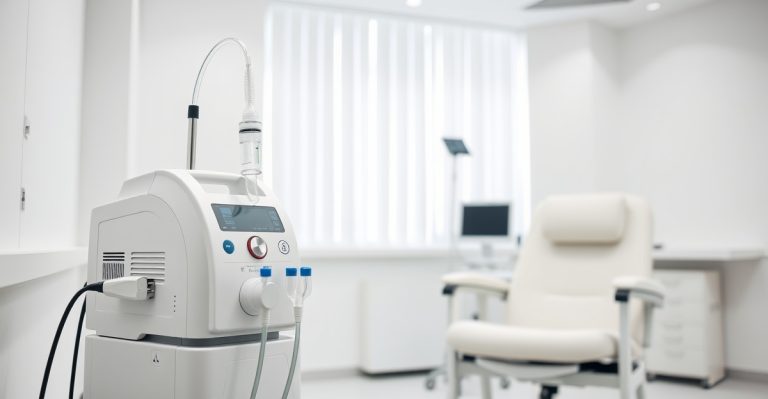
The room. Colon hydrotherapy is performed in a private room. The setup includes a treatment table (similar to a massage table), the hydrotherapy device (a closed system in most modern clinics), and a small viewing tube. The room should be clean, warm, and private. You will have a sheet or gown for draping.
The equipment. Modern colon hydrotherapy uses a closed system, meaning all waste travels through sealed tubing directly to the plumbing. There is no open basin, no mess, and no odor (or very minimal). The water is filtered and temperature-controlled, typically between 98-102 degrees Fahrenheit.
The Procedure: Step by Step
Here is exactly what happens, in order:
Insertion. The therapist inserts a small, disposable speculum (about the width of a pencil) into the rectum. This is the part most people dread, and it is genuinely less uncomfortable than it sounds. The speculum is lubricated, inserted about 1.5-2 inches, and secured. Most patients say: “That’s it?” The initial discomfort lasts about 5 seconds.
Water flow begins. Warm, filtered water flows slowly into the colon through the speculum. You will feel a gradual filling sensation, like a mild urge to have a bowel movement. The therapist controls the flow rate and temperature. The initial fills are small and gentle while your body adjusts.
Fill and release cycles. The core of the procedure alternates between filling (water flows in) and releasing (water and waste flow out through the sealed tube). Each cycle lasts 1-3 minutes. During fills, you feel mild pressure and fullness. During releases, you feel relief. The therapist guides you through breathing and may gently massage your abdomen to help move things along.
What you see. Yes, there is a clear viewing tube, and yes, you can see what comes out. Most people are curious despite themselves. You will see a mix of fecal matter, gas bubbles, mucus, and sometimes undigested food particles. The color and consistency change throughout the session as the water reaches further into the colon. This is not glamorous, but it is informative, your therapist can point out things that suggest dietary patterns or digestive issues.
Duration. The active water flow portion takes about 35-45 minutes. The entire appointment, including intake, setup, and post-session time, is typically 60-75 minutes.
Completion. The therapist gradually reduces water flow, allows a final release, and gently removes the speculum. You will use the bathroom immediately afterward, there is always residual water and waste that comes out in the minutes following the procedure.
The therapist matters, a lot
The difference between a good colon hydrotherapy experience and a bad one is almost entirely the therapist. An experienced, well-trained therapist reads your body’s responses, adjusts water flow and temperature in real time, communicates clearly, and creates a comfortable environment. A poorly trained one follows a script regardless of how you are responding. Ask about certification (I-ACT certification is the standard in the US), years of experience, and number of sessions performed. Do not be shy about this, you are trusting them with an intimate procedure.
After Your Colonic: What to Expect
Immediately after (first 1-2 hours)
- Lighter feeling. This is the most universally reported sensation. Your abdomen feels less full, less bloated, and physically lighter.
- Possible mild cramping. Some people experience mild abdominal cramping for 30-60 minutes after the session. This is normal, your colon has been exercised and is readjusting.
- Continued bathroom visits. Expect to use the bathroom 1-3 more times in the hours after your session as residual water passes.
- Increased energy (for some). Some people report feeling more alert and energetic after a colonic. Others feel tired and want to rest. Both are normal responses.
What to eat after
- Start with easily digestible foods: bone broth, steamed vegetables, avocado, bananas, cooked grains
- Include probiotic-rich foods: yogurt, kefir, sauerkraut, kimchi, to support gut bacteria replenishment
- Drink plenty of water and electrolytes, the procedure removes some fluid and minerals
- Avoid heavy, greasy, or spicy foods for 24 hours
- Avoid alcohol for 24-48 hours
What to Expect: Realistic Timeline
| Timeframe | What Happens | What You Feel |
|---|---|---|
| During session | Alternating fill/release cycles remove waste from colon | Mild pressure during fills, relief during releases, occasional cramping |
| 0-2 hours after | Residual water and waste continue to pass | Lighter, possibly mild cramping, increased bathroom visits |
| 2-12 hours after | Colon returns to normal tone, electrolytes rebalance | Reduced bloating, flatter abdomen, increased energy or fatigue |
| 1-3 days after | Normal bowel patterns resume (may be delayed 1-2 days) | Improved bowel regularity, clearer thinking (reported by some) |
| 1-2 weeks after | If part of a series, cumulative benefits may build | Sustained reduction in bloating and improved regularity if dietary changes are maintained |
What Colonics Actually Help With (and What They Do Not)
Here is the straightforward breakdown of what the evidence and clinical experience support:
What colonics can help with:
- Constipation relief, especially for people with sluggish bowels or incomplete evacuation
- Bloating and abdominal distension, removing gas and accumulated waste reduces bloating
- Preparation for dietary changes or gut-healing protocols, starting with a cleaner slate
- Colonoscopy preparation, some gastroenterologists use or recommend hydrotherapy as part of bowel prep
- Subjective improvements in energy and mental clarity, widely reported, not well-studied
What colonics do not do:
- Significant weight loss. You may lose 1-3 pounds of waste and water weight. This is not fat loss. It will return as your colon refills normally.
- “Detox” your body. Your liver and kidneys handle detoxification. The colon eliminates solid waste. Colon hydrotherapy removes waste from the colon, it does not pull toxins from your bloodstream or organs.
- Cure diseases. Claims that colonics cure cancer, autoimmune disease, or chronic illness are unsupported and irresponsible.
- Replace medical treatment. If you have a diagnosed GI condition, colon hydrotherapy is not a substitute for evidence-based medical care.
The “before and after” reality check
Social media is full of dramatic colonic before-and-after photos, usually showing a distended abdomen before and a flat stomach after. Here is the truth: if your abdomen looks significantly different after a colonic, it is because you had a lot of gas and stool. That is normal waste removal, not a transformation. The colonic did not reshape your body or remove fat. If these results are meaningful to you (and relief from chronic bloating can genuinely improve quality of life), great. Just calibrate your expectations to reality, not marketing.
Frequently Asked Questions
Does it hurt?
For most people, no. The speculum insertion is briefly uncomfortable (5-10 seconds). During the procedure, you will feel pressure and fullness during fills and relief during releases. Some people experience mild cramping, similar to a gas pain, which passes quickly. If anything is genuinely painful, tell your therapist immediately, they can adjust water pressure, temperature, or flow rate. Pain is not a normal part of the experience.
Is it safe?
When performed by a trained, certified therapist using modern closed-system equipment with disposable speculums and filtered water, colon hydrotherapy has a strong safety record. Risks include mild cramping, electrolyte imbalance (rare, usually with excessive frequency), and the theoretical risk of perforation (extremely rare, estimated at less than 1 in 10,000 when performed properly). It is not appropriate for people with active IBD, recent colon surgery, severe hemorrhoids, or certain cardiac conditions.
How many sessions do I need?
This depends on your goals. For general maintenance or bloating relief, a single session or a series of 2-3 sessions spaced 1-2 weeks apart is common. For people with chronic constipation or as part of a gut-healing protocol, 3-6 sessions may be recommended initially. More is not necessarily better, excessive colonics can disrupt electrolyte balance and the gut microbiome. A responsible therapist will not push you into buying a large package upfront.
Will it wash out my good gut bacteria?
This is a common concern. Colon hydrotherapy does remove some bacteria, both beneficial and harmful, from the colon. However, the majority of your gut microbiome resides in the mucosal lining and biofilm of the colon, not in the free-floating stool that the water removes. Supporting your microbiome after a colonic with probiotic-rich foods and/or a quality probiotic supplement is a reasonable precaution. Most practitioners recommend this as standard aftercare.
Related Reading
- Colon Hydrotherapy: Complete Guide, our full pillar covering the science, benefits, risks, and how to find a qualified practitioner
- Gut Health Guide, the broader picture of digestive wellness, microbiome health, and evidence-based gut therapies
- Functional Medicine, the integrative framework that often includes colon hydrotherapy as part of in-depth gut protocols