Cryotherapy vs Ice Bath: Differences, Benefits, and Which Is Better
Explore the clinic directoryIn this article
Cryotherapy vs ice bath comes down to how each one pulls heat from the body: whole body cryotherapy (WBC) exposes you to air at -110C to -160C for 2 to 3 minutes, while an ice bath, also called cold water immersion (CWI) or a cold plunge, uses water at 0C to 15C for 5 to 20 minutes and cools muscle far more deeply. For muscle soreness after exercise, ice baths have the stronger evidence, including a 2012 Cochrane review of 17 trials, while a 2015 Cochrane review found too little evidence to judge whole body cryotherapy.
At a Glance
- Whole body cryotherapy (WBC) uses chambers cooled to -110C to -160C with sessions lasting 2 to 3 minutes.
- Ice baths (cold water immersion) typically range from 0C to 15C with sessions lasting 5 to 20 minutes.
- Both methods reduce inflammation and muscle soreness, but they work through slightly different mechanisms.
- Ice baths have stronger and more established research support, especially for athletic recovery.
- Cryotherapy is faster, more comfortable for some, but significantly more expensive and less accessible.
Key Takeaways
- Water conducts heat about 25 times more efficiently than air, so a 10C ice bath removes more body heat than a -140C cryotherapy chamber.
- A 2012 Cochrane review by Bleakley and colleagues pooled 17 trials and found that cold water immersion reduced delayed onset muscle soreness (DOMS) compared with passive rest.
- A 2015 Cochrane review by Costello and colleagues found insufficient evidence to say whether whole body cryotherapy reduces muscle soreness or improves recovery.
- Roberts and colleagues reported in the Journal of Physiology (2015) that regular ice baths after strength training blunted long term gains in muscle mass and strength.
- The FDA states that the healing benefits of whole body cryotherapy are unconfirmed, and the chambers carry their own risks, including frostbite.
Two Approaches to Cold Therapy, One Goal
Cold exposure has been used for recovery and pain management for centuries. But in the last decade, the options have expanded dramatically. Walk into any recovery center and you will likely see both a cryotherapy chamber and a cold plunge tub. Both promise reduced inflammation, faster recovery, and better performance.
So which one actually delivers? The real differences come down to heat transfer, the quality of the research, cost and convenience, and each option fits different goals.
Cryotherapy vs Ice Bath: Which Is Better?
For most people, an ice bath is the better choice for exercise recovery and local soreness. Cold water reaches the muscle, the research base is larger, and a home cold plunge costs less over time than repeated chamber sessions.
Whole body cryotherapy suits people who want a shorter session, tolerate dry cold better than ice water, or use it alongside care for a systemic condition such as rheumatoid arthritis or fibromyalgia. The cryotherapy treatment guide covers how chamber sessions work, who offers them and what the evidence supports.
What Is Whole Body Cryotherapy?
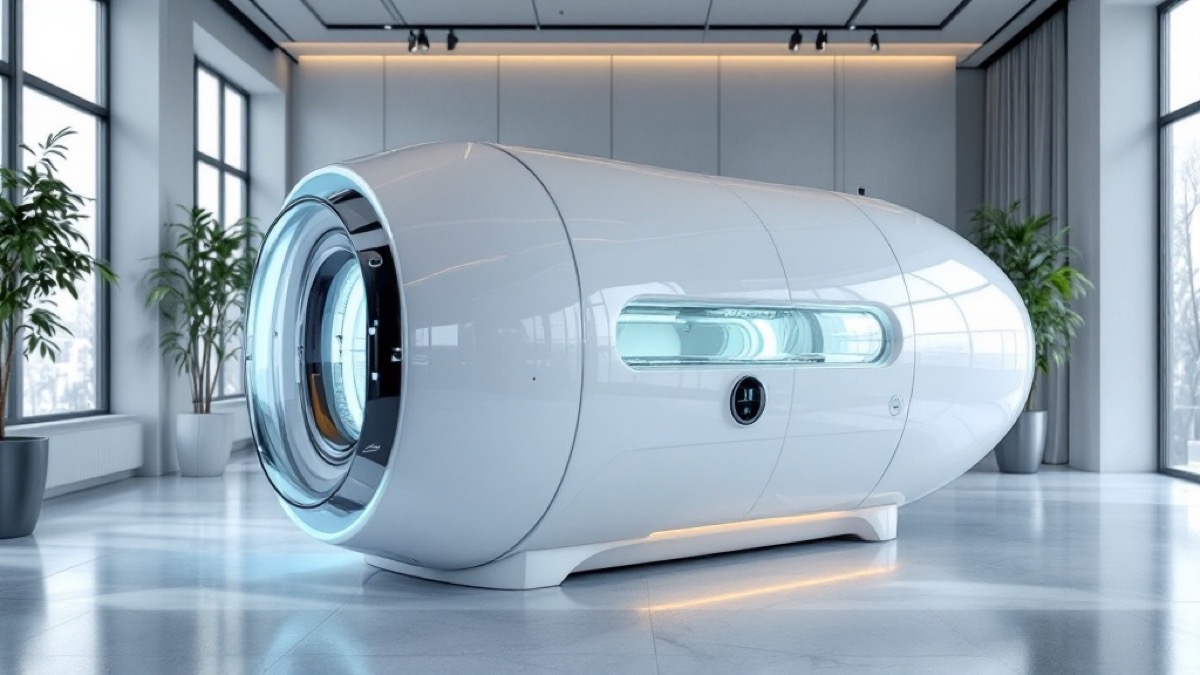
Whole body cryotherapy involves standing in a chamber (either a cryo cabin that exposes everything from the neck down or a walk-in room that includes the head) while liquid nitrogen or refrigerated cold air drops the ambient temperature to between -110C and -160C (-166F to -256F).
Sessions last two to three minutes. You wear minimal clothing (shorts, socks, gloves, and ear protection) and the extreme cold triggers a rapid stress response without actually cooling deep tissue significantly.
How Cryotherapy Works
The extreme air temperature stimulates cold receptors in the skin, triggering a systemic nervous system response. Blood vessels constrict rapidly (vasoconstriction), heart rate increases, and the body releases norepinephrine, endorphins, and anti-inflammatory cytokines. Because the exposure is so brief, your core temperature barely changes. The primary effect is neurological and hormonal rather than a deep tissue temperature shift.
Whole Body vs Partial Body Cryotherapy
Cryotherapy is a broad medical term for any therapeutic use of cold, from an ice pack to a nitrogen chamber. A cabin that leaves the head outside is often called a cryosauna or partial body cryotherapy (PBC), while a walk-in room that cools the whole body, head included, is true whole body cryotherapy. Localized cryotherapy aims a stream of cold air at one joint or muscle, which places it closer to an ice pack than to a chamber session.
What Is an Ice Bath (Cold Water Immersion)?
Cold water immersion means submerging your body (usually up to the chest or neck) in water cooled to between 0C and 15C (32F to 59F). Sessions typically last anywhere from 5 to 20 minutes depending on the temperature and the individual’s tolerance.
How Ice Baths Work
Water conducts heat 25 times more efficiently than air. This is the critical distinction. An ice bath at 10C actually extracts more heat from your body than a cryo chamber at -140C. The water makes direct contact with skin across a large surface area, producing genuine deep tissue cooling. This reduces metabolic activity in muscles, constricts blood vessels, decreases nerve conduction velocity (which reduces pain), and limits inflammatory cell infiltration into damaged tissue.
Is a Cold Plunge the Same as an Ice Bath?
A cold plunge and an ice bath are the same treatment: immersion in cold water. "Ice bath" usually means a tub cooled with bagged ice, while "cold plunge" often refers to a tub with a built-in chiller that holds a set temperature. Researchers use the term cold water immersion (CWI) for both. Contrast therapy, which alternates a cold plunge with a sauna or hot tub, is a related practice with its own, smaller body of research.
Head-to-Head Comparison
| Factor | Cryotherapy (WBC) | Ice Bath (CWI) |
|---|---|---|
| Temperature | -110C to -160C | 0C to 15C |
| Duration | 2 to 3 minutes | 5 to 20 minutes |
| Heat Extraction | Lower (air is poor conductor) | Higher (water conducts 25x better) |
| Deep Tissue Cooling | Minimal | Significant |
| Primary Mechanism | Neurological/hormonal response | Direct tissue cooling + hormonal |
| Norepinephrine Boost | 200% to 300% increase | 200% to 300% increase |
| Cost Per Session | $40 to $100 | Free to $50 (or home setup) |
| Accessibility | Requires specialized facility | Home setup possible ($100 to $7,000+) |
| Research Volume | Growing but limited | Extensive and well-established |
The table shows the core tradeoff: cryotherapy is shorter and drier, while an ice bath removes more heat, reaches deeper tissue and has a larger research base for recovery.
What Does the Research Say?
Muscle Soreness and Recovery
Cold water immersion has the stronger evidence base here. A large 2012 Cochrane review of 17 trials concluded that cold water immersion after exercise significantly reduced delayed-onset muscle soreness (DOMS) compared to passive recovery. The effect was most pronounced 24 to 48 hours post-exercise.
That review, led by Chris Bleakley, is available on PubMed (Bleakley et al., Cochrane Database of Systematic Reviews, 2012). Its authors rated much of the underlying evidence as low quality, so the benefit for soreness is real but modest.
Cryotherapy studies show similar trends in DOMS reduction, but a 2015 study in the Journal of Strength and Conditioning Research directly compared WBC and CWI and found no significant difference in recovery outcomes. Both worked, but the ice bath achieved the same results at a fraction of the cost.
The matching Cochrane review of whole body cryotherapy, by Joseph Costello and colleagues, found insufficient evidence to determine whether WBC reduces muscle soreness or improves recovery after exercise in adults, according to Costello et al. (Cochrane Database of Systematic Reviews, 2015).
Inflammation Reduction
Both methods reduce inflammatory markers, but through different pathways. Cryotherapy’s effect on inflammation appears to be primarily driven by the norepinephrine surge and systemic anti-inflammatory signaling. Ice baths reduce inflammation through both the systemic response and direct local effects on inflamed tissue.
For localized inflammation (a sore knee, a strained muscle), ice baths have a clear advantage because the cold water actually reaches the affected tissue. For systemic inflammatory conditions, the evidence is less clear-cut.
Is Cryotherapy or a Cold Plunge Better for Inflammation?
A cold plunge is the better fit for local, exercise related inflammation, because cold water lowers the temperature of the muscle and joint itself. Cryotherapy chambers mainly act through the nervous system and stress hormones, which is why clinics position WBC for whole body, systemic complaints.
Evidence for either method in chronic inflammatory disease is thin. Small European trials of WBC in rheumatoid arthritis and ankylosing spondylitis report short term drops in pain, but no cold therapy replaces disease modifying treatment from a rheumatologist. Our article on cryotherapy and inflammation looks at those studies in more detail, and the guide to chronic inflammation explains why it differs from post-workout swelling.
Pain Management
Both modalities reduce pain perception effectively. The mechanisms include reduced nerve conduction velocity, endorphin release, and the gate control theory of pain (cold signals “override” pain signals). WBC studies in rheumatic conditions show meaningful pain reduction, and cold water immersion has decades of evidence for acute pain management.
Mental Health and Mood
Cold exposure of any kind triggers a significant norepinephrine release, which improves mood, alertness, and focus. A 2008 study suggested that cold water exposure could serve as a potential treatment for depression. Both methods produce this effect reliably, though some users report a stronger “euphoria” from cryotherapy due to the more extreme temperature shock.
Is Whole Body Cryotherapy FDA Approved?
The FDA has not cleared or approved any whole body cryotherapy device to treat a medical condition. In its consumer guidance on cold therapy, the FDA (2020) states that whole body cryotherapy presents a different set of risks from ordinary cold packs and that its healing benefits are unconfirmed.
Most WBC centers operate as wellness businesses, sessions are paid out of pocket, and health insurance rarely covers them. Ice baths need no device clearance at all, though physical therapists, athletic trainers and sports medicine physicians use cold water immersion routinely in rehabilitation.
When Cryotherapy Makes More Sense
Cryotherapy has practical advantages in certain scenarios:
Time constraints. A three-minute session is simply faster than a 10 to 15 minute ice bath, especially when you factor in setup time.
Cold intolerance. Some people find the brief, dry cold of cryotherapy more tolerable than sitting in ice water. The sessions end quickly and the discomfort is different in character.
Systemic inflammatory conditions. For conditions like rheumatoid arthritis or fibromyalgia where the goal is systemic anti-inflammatory signaling rather than local tissue cooling, WBC may be equally effective in a more convenient format.
Consistency and compliance. If you will actually do cryotherapy but skip ice baths because you dread them, cryotherapy is the better choice. The best recovery method is the one you actually use.
When Ice Baths Make More Sense
Athletic recovery. For serious athletes recovering from intense training, the deeper tissue cooling from water immersion provides benefits that air-based cooling cannot match.
Budget considerations. You can set up an effective cold plunge at home for the cost of a few cryotherapy sessions. A chest freezer conversion costs $200 to $500, and purpose-built cold plunge tubs range from $500 to $7,000.
Daily practice. If you want cold exposure as a daily habit (for metabolic, mental health, or hormonal benefits), home cold water immersion is the only financially sustainable option for most people.
Localized injuries. For specific muscle or joint injuries, the direct tissue cooling from water immersion is more therapeutically relevant.
The muscle growth study, by Llion Roberts and colleagues, followed strength training over 12 weeks and found smaller gains in muscle mass and strength in the group that used cold water immersion after each session, according to Roberts et al. (Journal of Physiology, 2015).
Safety Considerations for Both Methods
Cardiovascular risk: Both methods cause rapid vasoconstriction and blood pressure spikes. People with uncontrolled hypertension, heart disease, or Raynaud’s phenomenon should consult their physician before starting either modality.
Cold shock response: Ice baths carry a greater risk of cold shock (involuntary gasping, hyperventilation) because water extracts heat so rapidly. Always enter gradually and never submerge your head. Never do ice baths alone, especially when starting out.
Frostbite risk: Cryotherapy chambers have caused frostbite injuries, particularly on extremities. Ensure the facility follows proper protocols with protective gear for hands, feet, and ears.
Pregnancy: Both methods are generally contraindicated during pregnancy due to the stress response and blood pressure effects.
Nitrogen Chambers and Supervision
Cabins cooled with liquid nitrogen can lower the oxygen level of the air around them if ventilation is poor. A well run center keeps a trained staff member with you for the whole session, keeps your head above the vapor line in a cabin, and dries your skin first, because sweat or damp clothing raises the risk of cold burns. Ask whether staff screen for blood pressure, cold allergy and circulation problems before your first session.
Practical Protocols
Cryotherapy Protocol
Start with shorter sessions (90 seconds) at higher temperatures (-110C) and gradually progress to 2.5 to 3 minutes at colder settings. Two to three sessions per week is typical for general recovery and wellness. Daily sessions are used in clinical rehabilitation settings for inflammatory conditions.
Ice Bath Protocol for Beginners
Begin at 15C (59F) for 2 minutes. Over the course of several weeks, gradually reduce the temperature and increase the duration. A solid maintenance protocol for most people is 10C (50F) for 5 to 10 minutes, three to five times per week. Focus on controlled breathing throughout: slow inhales through the nose, long exhales through the mouth.
How to Find a Cryotherapy Provider
Whole body cryotherapy is offered by recovery studios, sports medicine practices, physical therapy clinics and some integrative and functional medicine clinics. Staff training varies widely, so ask who supervises sessions, how the chamber is cooled and whether a clinician reviews your health history.
The national directory of cryotherapy clinics lists providers by state and city. Listing order is not paid ranking, Featured slots are labeled and capped, and Verified means a clinic completed credential checks, not that it paid more. Regenerated.com is free for patients, and inclusion in the directory is not an endorsement. The guide to Featured, Verified and organic listings explains each label, and our checklist for choosing a cryotherapy provider lists the questions worth asking before a first visit.
The Verdict
If you are choosing between the two based purely on evidence, ice baths are the stronger option. They have more research behind them, produce equal or greater physiological effects, and are far more accessible and affordable.
Cryotherapy is a valid alternative for people who prefer the experience, need the time efficiency, or are using it for systemic inflammatory conditions under clinical guidance. It is not “better” than ice baths based on current evidence, but it is not without merit either.
For most people, a home cold plunge practice delivers the best combination of effectiveness, consistency, and value.
Readers who still want to try chamber sessions can read the summary of whole body cryotherapy benefits to see which claims rest on trials and which rest on small or early studies.
Frequently Asked Questions
Is cryotherapy safer than ice baths?
Neither is inherently safer; they carry different risks. Cryotherapy has a lower risk of cold shock but can cause frostbite or cold burns if protocols are not followed. Ice baths carry a higher risk of cold shock and hypothermia if overdone, and should never be done alone. Both require a physician check first for anyone with heart disease, uncontrolled blood pressure or Raynaud’s phenomenon. For screened, healthy adults who follow sensible protocols, the risk of either is low.
How cold should an ice bath be for recovery?
Research suggests the useful range for recovery is 10C to 15C (50F to 59F) for 10 to 15 minutes. Going colder is not necessarily better. Extremely cold temperatures, below 5C (41F), increase the risk of cold shock and skin injury without clearly improving outcomes. Beginners can start near 15C for a couple of minutes and build up. Consistency over weeks matters more than the intensity of any single plunge.
Can I do cryotherapy and ice baths on the same day?
You can, but there is no evidence that combining both provides additive benefits. Most practitioners recommend choosing one modality per session, because both trigger the same norepinephrine and vasoconstriction response. If you use both on the same day, separate them by at least several hours and warm up fully in between. People with heart or blood pressure conditions should avoid stacking cold exposures without a physician’s input.
How many cryotherapy sessions does it take to see results?
Many people notice mood and energy improvements after a single session due to the norepinephrine response. For recovery and pain management benefits, most studies show effects emerging after 5 to 10 sessions over two to three weeks. Chronic pain conditions may require longer protocols of 20 or more sessions. The trials behind these figures are small, so treat them as a rough guide rather than an expected outcome.
Will cold exposure help me lose weight?
Cold exposure gives only a small metabolic boost and is not an effective standalone weight loss strategy. It does activate brown adipose tissue and increase caloric expenditure, but the effect is modest: a single ice bath might burn an extra 50 to 100 calories compared to normal resting metabolism. Neither cryotherapy nor cold plunges replace diet, physical activity or medical weight management, though they may add a little as part of a broader program.
Can I build my own ice bath at home?
Yes. The most popular DIY approach is converting a chest freezer with a temperature controller, which costs $200 to $500 and provides precise temperature control. A simple stock tank or large tub with ice bags also works, though maintaining consistent temperatures requires more effort. Purpose-built cold plunge units with built-in chillers range from $2,000 to $10,000. Whatever the setup, use a GFCI outlet and keep electrics well away from the water.