Oxygen Therapy: Types, Uses, and What the Evidence Shows
Explore the clinic directoryIn this article
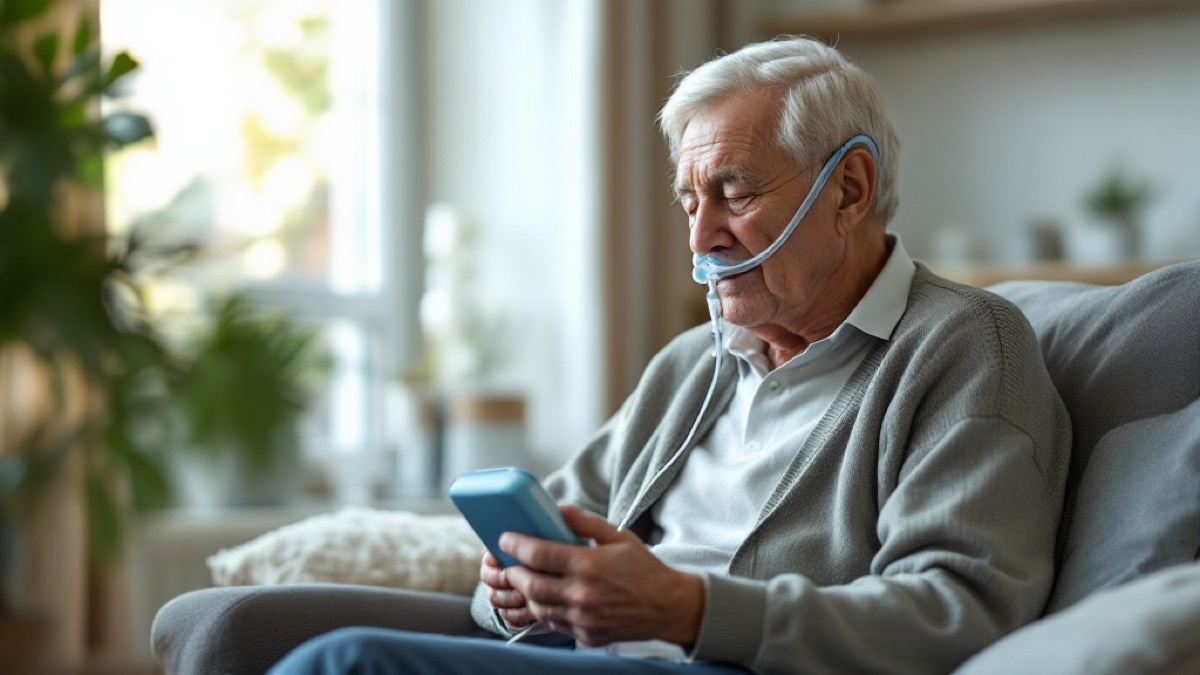
Oxygen therapy, also called supplemental oxygen or O2 therapy, is a medical treatment that gives you oxygen at a higher concentration than the 21% in room air, or at higher pressure, to raise blood and tissue oxygen levels. Physicians prescribe it for low blood oxygen (hypoxemia) from COPD, pneumonia and other lung disease, and in pressurized form, hyperbaric oxygen therapy (HBOT), for carbon monoxide poisoning, decompression sickness and hard-to-heal wounds. It ranges from the supplemental oxygen flowing through a nasal cannula in a hospital bed to pressurized chambers that push oxygen deep into damaged tissues. More than 1.5 million Americans use long-term oxygen therapy at home, according to an American Thoracic Society workshop report (2018).1
The sections below compare every major form of oxygen therapy, what the clinical evidence shows for each, who benefits, who should avoid it, and what it costs. The strongest evidence is for prescribed oxygen in severe hypoxemia; the weakest is for wellness uses such as oxygen bars.
Four routes at a glance:
- Supplemental oxygen: nasal cannula or mask, normal pressure (1.0 ATA), 24 to 100% oxygen. Used for COPD, pneumonia, and respiratory failure.
- Normobaric oxygen: non-rebreather mask, normal pressure (1.0 ATA), 100% oxygen. Used for cluster headaches and acute carbon monoxide poisoning.
- Hyperbaric oxygen (HBOT): pressurized chamber (1.5 to 3.0 ATA), 100% oxygen. Used for wound healing, decompression sickness, and CO poisoning.
- Topical oxygen: oxygen applied directly to the wound surface, 100% oxygen. Used for diabetic foot ulcers and chronic wounds.
Key Takeaways
- Long-term oxygen therapy improves survival in COPD patients with severe hypoxemia. In the landmark Nocturnal Oxygen Therapy Trial (NOTT, 1980), the nocturnal-only group had 1.94 times the mortality of the continuous-oxygen group over an average of 19 months.2
- The Long-Term Oxygen Treatment Trial (LOTT, 2016) found no survival or hospitalization benefit from long-term oxygen in 738 COPD patients with only moderate desaturation, so oxygen helps most when levels are truly low.22
- Hyperbaric oxygen therapy (HBOT) delivers 100% oxygen at 1.5 to 3.0 atmospheres of pressure, and the Undersea and Hyperbaric Medical Society (UHMS) lists 14 accepted indications for it.3
- Supplemental oxygen requires a prescription in the US, and Medicare covers home oxygen when resting SpO2 is 88% or below or PaO2 is 55 mmHg or below, according to the Centers for Medicare & Medicaid Services.4
- Topical oxygen therapy improved wound closure in diabetic foot ulcers compared with standard care alone in a meta-analysis by Thanigaimani and colleagues (2021).5
- Typical US costs in the table below run from about $100 to $300 a month to rent a home concentrator to $200 to $400 per clinical HBOT session, and insurance pays only for qualifying diagnoses.
What Is Oxygen Therapy?
Oxygen therapy is the medical use of supplemental oxygen to treat conditions where the body cannot get enough on its own. Normal air contains about 21% oxygen. Oxygen therapy increases that concentration, sometimes to 100% medical-grade oxygen, to raise blood oxygen levels and support tissue function. If you are weighing pressurized against regular oxygen, our HBOT vs normobaric oxygen comparison covers the physics and the trial evidence.
Your body depends on oxygen for every cellular process. Red blood cells pick up oxygen in the lungs and carry it to tissues throughout the body. When disease, injury, or altitude reduces the oxygen supply, cells begin to struggle and organs start to malfunction. At severe levels, oxygen deprivation becomes life-threatening within minutes.
Physicians prescribe oxygen therapy for two broad purposes. The first is life support: keeping blood oxygen levels high enough to sustain organ function in patients with chronic lung disease, acute respiratory failure, or post-surgical recovery. The second is therapeutic: using concentrated or pressurized oxygen to accelerate healing, reduce inflammation, or fight infection in damaged tissues.
Is oxygen treatment the same as O2 therapy or medical oxygen therapy?
Yes. Oxygen treatment, O2 therapy, medical oxygen therapy and supplemental oxygen all describe the same thing: breathing oxygen above room-air levels under a clinician's prescription. Long-term oxygen therapy (LTOT) means daily home use, usually 15 or more hours a day, and home oxygen therapy (HOT) is the broader term for any oxygen used outside the hospital. Hyperbaric oxygen therapy is a separate category because it adds pressure, and the oxygen therapy treatment guide explains how the two overlap.
What blood oxygen level is normal, and when is oxygen needed?
Most healthy adults have a pulse oximeter reading (SpO2) of about 95 to 100% at sea level. The British Thoracic Society oxygen guideline by O'Driscoll and colleagues (2017) recommends a target SpO2 of 94 to 98% for most acutely ill adults, and 88 to 92% for people at risk of carbon dioxide retention, such as many with COPD.23 Clinicians confirm the need for oxygen with pulse oximetry, an arterial blood gas test (PaO2), a six-minute walk test, or overnight oximetry.
Mortality in the nocturnal-only group versus continuous oxygen over an average of 19 months
Nocturnal Oxygen Therapy Trial Group, Ann Intern Med, 1980
What are the types of oxygen therapy?
There are seven main types of oxygen therapy: supplemental oxygen, hyperbaric oxygen (HBOT), normobaric oxygen, topical oxygen, exercise with oxygen therapy (EWOT), ozone therapy and oxygen bars or facials. They differ in delivery method, pressure and oxygen concentration, and only the first four have strong clinical backing for specific medical uses. The table compares the major types.
| Type | How It Works | Oxygen Level | Typical Use |
|---|---|---|---|
| Supplemental Oxygen | Nasal cannula, face mask, or ventilator delivers extra O2 | 24-100% | COPD, pneumonia, heart failure, post-surgery |
| Hyperbaric (HBOT) | 100% O2 in a pressurized chamber (1.5-3.0 ATA) | 100% | Wound healing, CO poisoning, decompression sickness |
| EWOT | Breathing concentrated O2 during exercise | 90-95% | Marketed for athletic performance, aging and circulation |
| Topical Oxygen | Oxygen applied directly to wound surface | 100% | Diabetic foot ulcers, chronic wounds |
| Ozone Therapy | Medical ozone (O3) administered via IV, injection, or insufflation | O3/O2 mix | Immune support, chronic infections, pain |
| Normobaric Oxygen | 100% O2 at normal atmospheric pressure via mask | 100% | Cluster headaches, acute carbon monoxide exposure |
| Oxygen Bars/Facials | Brief sessions of scented or concentrated oxygen | 40-90% | Relaxation, cosmetic (no demonstrated medical benefit) |
Supplemental (Medical) Oxygen
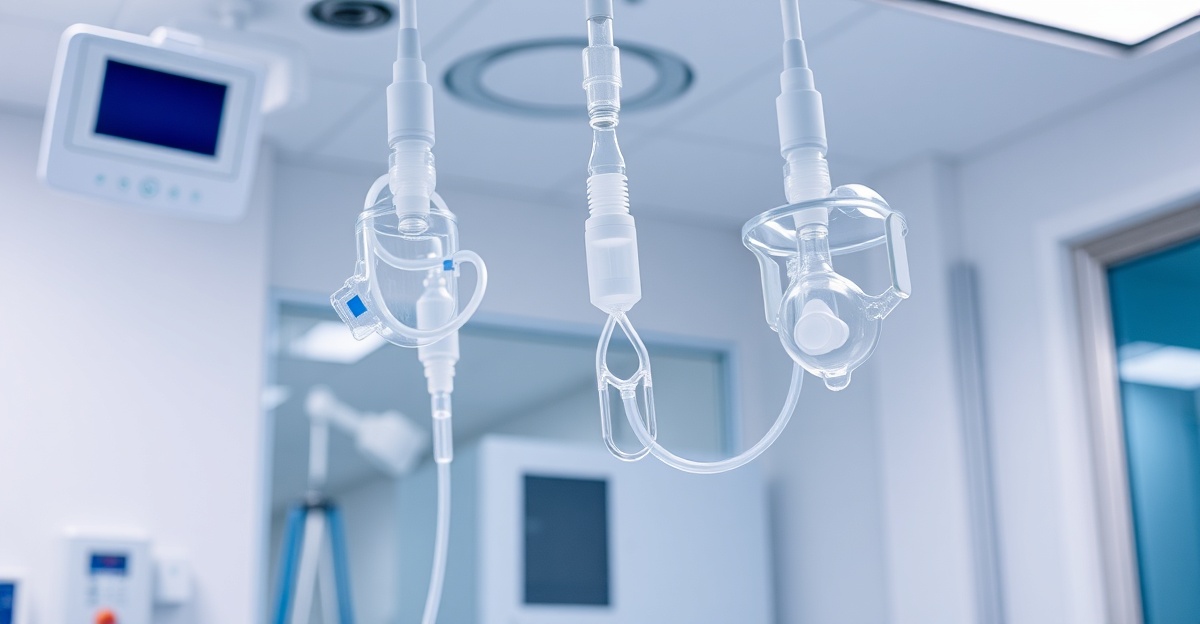
Supplemental oxygen is the most common form of oxygen therapy worldwide. A physician prescribes a specific flow rate (measured in liters per minute), which maps to a delivered oxygen concentration in our oxygen therapy flow rate chart, and the patient receives it through a nasal cannula (small prongs in the nostrils), a simple face mask, a non-rebreather mask, or in critical cases, a mechanical ventilator.
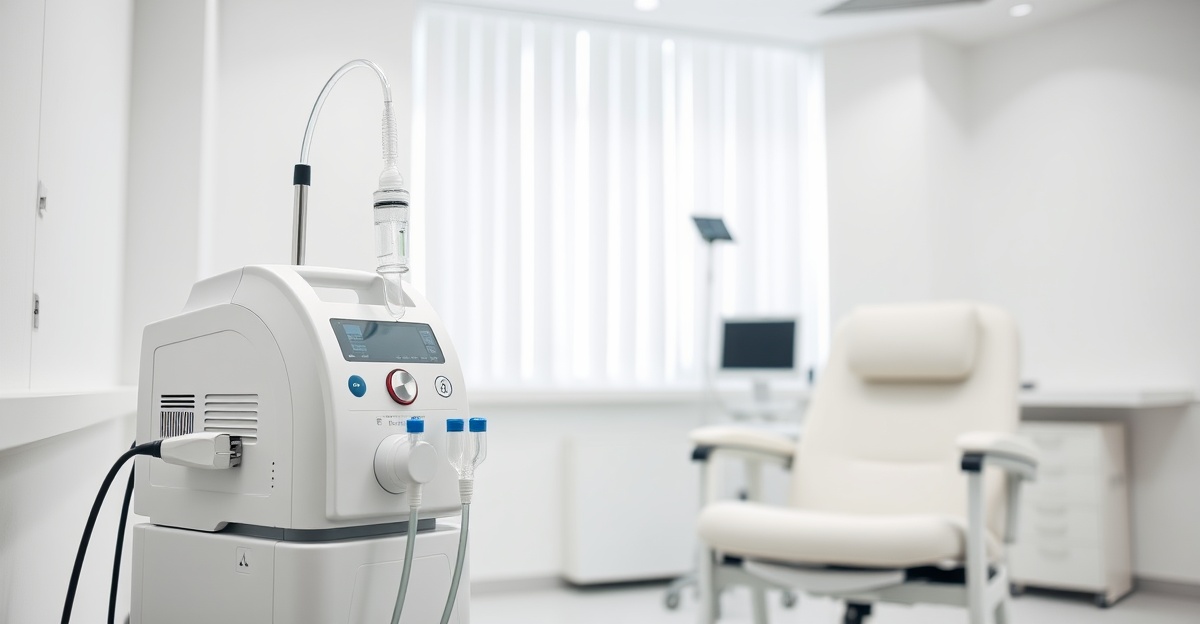
The oxygen source can be a compressed gas cylinder, a liquid oxygen tank, or an oxygen concentrator that filters nitrogen from room air. Home concentrators have become the standard for long-term therapy because they never run out and are relatively affordable to operate. Respiratory therapists and durable medical equipment (DME) suppliers usually set up and service the equipment.
Medicare and most private insurers cover supplemental oxygen when a patient’s arterial oxygen saturation drops to 88% or below (or PaO2 of 55 mmHg or less) at rest.4 The qualifying test is a resting arterial blood gas or pulse oximetry reading taken during a stable clinical state.
Hyperbaric Oxygen Therapy (HBOT)
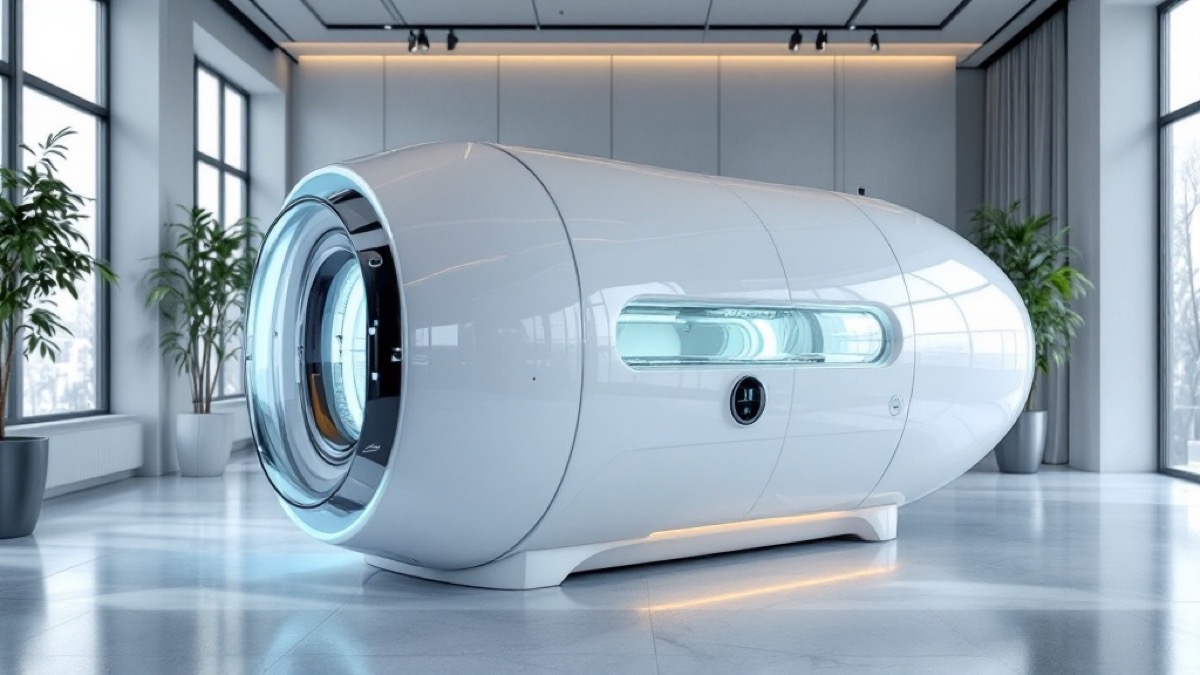
Hyperbaric oxygen therapy places the patient inside a sealed chamber pressurized to 1.5 to 3.0 times normal atmospheric pressure while breathing 100% medical-grade oxygen. The increased pressure forces far more oxygen into the blood plasma than breathing alone can achieve. According to Henry’s Law, the amount of gas dissolved in a liquid is directly proportional to the pressure of that gas above the liquid.
At 2.0 ATA (the most common treatment pressure), blood plasma carries roughly 10 times more dissolved oxygen than at sea level, according to Gill and Bell (2004).6 This oxygen-rich plasma can reach tissues that damaged or blocked blood vessels cannot supply through normal red blood cell delivery. Treatments take place in monoplace chambers (one person, usually pressurized with oxygen) or multiplace chambers (several patients breathing oxygen by hood or mask).
UHMS-accepted indications for HBOT
Undersea and Hyperbaric Medical Society
The Undersea and Hyperbaric Medical Society lists 14 accepted indications for HBOT, including decompression sickness, carbon monoxide poisoning, gas gangrene, crush injuries, diabetic foot ulcers, radiation tissue damage, and compromised skin grafts, and the FDA clears hyperbaric chambers for a similar list.3 Research into off-label uses like traumatic brain injury treatment, stroke recovery, and Long COVID is ongoing, and those uses are not FDA-cleared. The full list of FDA-cleared HBOT indications sets out each one. For a deeper look at how chambers work and the clinical evidence behind them, our complete guide to hyperbaric chambers covers everything in detail, and the hyperbaric oxygen therapy guide covers protocols and pressures.
Exercise with Oxygen Therapy (EWOT)
EWOT involves breathing high-concentration oxygen (90 to 95%) through a mask while exercising, typically on a stationary bike or treadmill, for 15 to 20 minutes. The concept traces back to German physicist Manfred von Ardenne, who developed what he called “oxygen multistep therapy” in the 1970s.7
Von Ardenne’s research proposed that combining exercise (which increases cardiac output and opens capillaries) with concentrated oxygen would improve tissue oxygenation, particularly in areas with compromised microcirculation. His published work reported improvements in blood flow and oxygen utilization in older adults.
EWOT has a following in wellness and longevity circles, but it lacks the clinical trial evidence that supports supplemental oxygen for COPD or HBOT for wound healing. Most evidence remains observational or from small studies. It is not FDA-cleared for any medical condition and is not covered by insurance. Our EWOT vs HBOT comparison sets the two side by side.
Topical Oxygen Therapy
Topical oxygen therapy (TOT) delivers oxygen directly to the surface of a wound rather than through the lungs and bloodstream. The most common approach uses a small, portable device that creates an oxygen-enriched environment around the wound using a sealed dressing or chamber placed over the affected area.
The rationale is straightforward: chronic wounds often have severely reduced local oxygen levels because of damaged blood vessels in the surrounding tissue. Delivering oxygen directly to the wound site bypasses the circulatory bottleneck. A 2021 systematic review and meta-analysis by Thanigaimani et al. found that topical oxygen therapy significantly improved healing rates in diabetic foot ulcers compared to standard wound care alone.5
The FDA has cleared several topical oxygen devices for wound management. Unlike HBOT, topical oxygen can be applied at home and does not require a pressurized chamber. It is often used when patients cannot access or tolerate HBOT sessions, and our topical oxygen therapy guide covers devices and wound types.
Ozone Therapy
Ozone therapy uses medical-grade ozone (O3), a molecule made of three oxygen atoms, delivered through various routes including intravenous infusion (major autohemotherapy), injection into joints, rectal or vaginal insufflation, or topical application. Proponents argue that ozone triggers a controlled oxidative stress response that stimulates the immune system and improves oxygen utilization at the cellular level.
Ozone therapy is widely practiced in Europe and Latin America and is offered in the US mainly through integrative and regenerative medicine clinics. It is not FDA-approved in the United States, and the FDA has explicitly stated that ozone has “no known useful medical application.”8 Published research still exists: Bocci et al. (2009) outlined the biochemical mechanisms and Clavo et al. (2018) reviewed its use in cancer as a complementary approach.910 For a detailed comparison with other oxygen-based treatments, see our breakdown of HBOT vs. ozone therapy vs. IV NAD, and the ozone therapy guide covers its regulatory status.
Normobaric Oxygen Therapy
Normobaric oxygen therapy means breathing 100% medical-grade oxygen at normal atmospheric pressure (1.0 ATA), typically through a tight-fitting non-rebreather mask. It sits between standard supplemental oxygen (which often delivers 24 to 60% concentration) and hyperbaric oxygen (which uses pressure above 1.0 ATA).
The best-established use is for acute cluster headache attacks. A randomized controlled trial by Cohen et al. (2009) found that inhaling 100% oxygen at 12 liters per minute provided pain relief in 78% of cluster headache episodes within 15 minutes, compared to 20% with room air.11 It is also the standard first-line treatment for acute carbon monoxide poisoning when a hyperbaric chamber is not immediately available.
Oxygen Bars and Oxygen Facials
Oxygen bars offer brief sessions (typically 10 to 20 minutes) of breathing flavored or scented oxygen at concentrations around 40 to 90%. They are found in spas, airports, and wellness centers. Oxygen facials spray pressurized oxygen onto the skin, sometimes mixed with serums.
Neither has any demonstrated medical benefit. The American Lung Association has noted that healthy individuals do not benefit from supplemental oxygen, and short sessions at a bar or spa cannot meaningfully change blood oxygen levels in someone whose levels are already normal.12 These are recreational experiences, not therapies.
What conditions does oxygen therapy treat?
Oxygen therapy treats conditions that cause low blood oxygen, such as COPD, pneumonia and respiratory failure, plus a shorter list where concentrated or pressurized oxygen acts as a drug: carbon monoxide poisoning, decompression sickness, cluster headache and some chronic wounds. These are the most common and well-supported applications.
Chronic Obstructive Pulmonary Disease (COPD)
COPD is the single largest reason people use long-term oxygen therapy. When COPD progresses to the point where blood oxygen levels drop chronically below safe thresholds, supplemental oxygen becomes a lifeline. Our guide to oxygen therapy for COPD covers flow settings and daily use, and the COPD treatment overview places oxygen alongside inhalers and pulmonary rehabilitation.
Two landmark trials established the survival benefit. The Nocturnal Oxygen Therapy Trial (NOTT) in 1980 compared continuous oxygen (at least 19 hours/day) with nocturnal-only oxygen (12 hours/day) in 203 COPD patients. The nocturnal-only group had 1.94 times the mortality of the continuous group (roughly a halving of deaths with continuous oxygen) over an average of 19 months.2 The British Medical Research Council (MRC) trial in 1981 compared oxygen (at least 15 hours/day) with no oxygen in 87 patients and found a significant survival advantage in the oxygen group over five years.13
The current GOLD 2024 guidelines recommend long-term oxygen therapy for stable COPD patients with a resting PaO2 at or below 55 mmHg (or SpO2 at or below 88%).14 HBOT has also been explored for COPD, and you can read about that research in our article on hyperbaric chambers for COPD.
The benefit does not extend to milder disease. The Long-Term Oxygen Treatment Trial (LOTT), published in the New England Journal of Medicine in 2016, followed 738 patients with stable COPD and moderate desaturation (resting SpO2 of 89 to 93%, or desaturation during exercise) for 1 to 6 years and found no difference in time to death or first hospitalization with long-term oxygen.22
Pneumonia and Acute Respiratory Failure
Supplemental oxygen is a cornerstone of treatment for pneumonia, acute respiratory distress syndrome (ARDS), and other conditions that acutely impair gas exchange. In hospitals, oxygen delivery ranges from low-flow nasal cannula to high-flow nasal therapy to mechanical ventilation, depending on severity. Emergency physicians, hospitalists and intensivists titrate the flow to a target saturation rather than giving as much oxygen as possible.23
Carbon Monoxide Poisoning
Carbon monoxide binds to hemoglobin with 200 to 250 times the affinity of oxygen, displacing oxygen from red blood cells. Breathing 100% medical-grade oxygen at normobaric or hyperbaric pressure accelerates CO clearance from the blood. The half-life of carboxyhemoglobin drops from 4 to 6 hours on room air to about 60 to 90 minutes on 100% normobaric oxygen, and to 15 to 23 minutes under hyperbaric conditions, according to Weaver (2009).15 The carbon monoxide poisoning treatment guide explains when emergency teams refer for HBOT.
Decompression Sickness and Gas Embolism
Decompression sickness (the bends) and arterial gas embolism are the original indications for hyperbaric oxygen. Recompression in a chamber shrinks gas bubbles in the blood and tissues, and 100% oxygen speeds the washout of nitrogen. Both are on the UHMS list of accepted indications and are treated as emergencies at hospital-based hyperbaric units.3
Wound Healing
Oxygen is essential for collagen synthesis, angiogenesis (new blood vessel growth), and the oxidative killing of bacteria by white blood cells. When wounds are hypoxic, healing stalls. Both HBOT and topical oxygen therapy address this by raising local oxygen levels. HBOT is FDA-cleared for diabetic foot ulcers, compromised grafts, and chronic refractory osteomyelitis. Topical oxygen offers a more accessible alternative for wounds that have not responded to standard care.
The evidence for HBOT in diabetic foot ulcers is real but short-lived in trials. A Cochrane review by Kranke and colleagues (2015) pooled 12 trials and found that HBOT improved ulcer healing at six weeks, but the benefit was not evident at one year and the trials had design flaws.24 Wound care physicians usually add oxygen to offloading, debridement and infection control rather than using it alone. Our article on HBOT for wound healing goes deeper.
Cluster Headaches
High-flow normobaric oxygen (100% at 12 to 15 L/min for 15 to 20 minutes) is one of the two first-line acute treatments for cluster headache, alongside sumatriptan injection. The response rate exceeds 75% in most studies, and side effects are rare and mild.11 Neurologists and headache specialists prescribe it, and our post on oxygen therapy for cluster headaches covers masks and flow rates.
Stroke Recovery
Research on HBOT for stroke recovery has shown mixed results. A 2013 randomized trial by Efrati et al. reported neurological improvements in post-stroke patients treated with HBOT even 6 to 36 months after the event, with improvements in brain activity shown on SPECT imaging.16 Larger confirmatory trials are still needed. This remains an off-label application.
What does the evidence show for oxygen therapy?
The evidence for oxygen therapy is strongest where oxygen corrects a measurable shortage, such as severe hypoxemia in COPD or carbon monoxide poisoning, and thinnest for wellness uses in people whose oxygen levels are already normal. The table pairs each common use with the study the evidence rests on.
| Use | Type of oxygen | Key evidence | Strength |
|---|---|---|---|
| Severe hypoxemia in COPD | Long-term supplemental oxygen | NOTT (1980) and MRC (1981) trials showed longer survival with 15 or more hours a day | Strong |
| Moderate desaturation in COPD | Long-term supplemental oxygen | LOTT (2016) found no survival or hospitalization benefit in 738 patients | Strong evidence of no benefit |
| Cluster headache attacks | High-flow normobaric oxygen | Cohen et al. (2009) randomized trial: 78% pain-free at 15 minutes versus 20% on air | Strong |
| Carbon monoxide poisoning | Normobaric or hyperbaric oxygen | Weaver (2009) review of carboxyhemoglobin clearance and treatment | Strong for oxygen; debated for HBOT versus normobaric |
| Diabetic foot ulcers | HBOT or topical oxygen | Kranke Cochrane review (2015) and Thanigaimani meta-analysis (2021) | Moderate |
| Stroke, brain injury, Long COVID | HBOT | Small randomized trials by Efrati (2013) and Zilberman-Itskovich (2022) | Early and off-label |
| Wellness, performance, recovery | EWOT, oxygen bars, mild home chambers | Small or observational studies | Limited |
Most of the strong evidence comes from prescribed, insurance-covered uses. Many of the uses patients ask about in cash-pay clinics, including EWOT, ozone and HBOT for neurological or longevity goals, rest on small studies and are not FDA-cleared for those purposes. The HBOT research roundup tracks the newer trials.
How does home oxygen therapy work?
About 1.5 million Americans use supplemental oxygen at home.1 Home oxygen therapy requires a prescription and a qualifying diagnosis, most commonly COPD, interstitial lung disease, pulmonary hypertension, or cystic fibrosis. A pulmonologist or primary care physician writes the order, and a DME supplier delivers the equipment and trains the patient.
Equipment Options
Oxygen concentrators (stationary): These plug into a wall outlet and filter nitrogen from room air, producing oxygen continuously at flow rates of 1 to 10 liters per minute. They are the most cost-effective option for home use and never need refilling. Most home units deliver up to 5 or 10 liters per minute, and the prescribed flow decides which size fits.
Portable oxygen concentrators (POCs): Battery-powered units weighing 3 to 10 pounds that allow mobility. Most deliver oxygen in pulse-dose mode (a burst on inhalation) rather than continuous flow, so the prescriber has to confirm that pulse dosing keeps saturation on target during activity and sleep. Our portable oxygen therapy guide compares pulse and continuous flow.
Compressed gas cylinders: Traditional green tanks that contain gaseous oxygen under pressure. They are reliable but heavy (the standard E-cylinder weighs about 8 pounds) and need regular refilling or exchange.
Liquid oxygen systems: Store oxygen in liquid form at extremely cold temperatures. A large stationary reservoir at home feeds a small portable unit the patient carries. They hold more oxygen per volume than gas cylinders but are less common now that POCs have improved.
Prescription Requirements
In the United States, supplemental oxygen is a prescription medical device. To qualify for Medicare coverage, a patient must have:4
- A qualifying blood oxygen test (SpO2 of 88% or below, or PaO2 of 55 mmHg or below at rest)
- A face-to-face evaluation with their treating physician
- Documentation of the underlying condition causing hypoxemia
- A Certificate of Medical Necessity completed by the physician
Private insurers generally follow similar criteria. Oxygen concentrators sold for medical use in the US, including portable units, are prescription devices, so paying out of pocket does not remove the need for a prescription, and medical-grade stationary systems and liquid oxygen also require one. A prescription also sets the flow rate, which matters because too much oxygen can harm some patients.
How does oxygen therapy work in the body?
Oxygen therapy works by raising the amount of oxygen carried in the blood, first by saturating hemoglobin and then, under pressure, by dissolving extra oxygen directly into plasma. Understanding why it helps requires a quick look at how your body transports and uses oxygen.
Under normal conditions, about 98.5% of oxygen in your blood travels bound to hemoglobin inside red blood cells. The remaining 1.5% dissolves directly in blood plasma. At sea level, breathing room air (21% oxygen), arterial blood carries roughly 0.3 mL of dissolved oxygen per deciliter of blood.
increase in dissolved plasma oxygen at 2.0 ATA
Henry’s Law applied to HBOT
Here is where Henry’s Law becomes relevant: the amount of gas dissolved in a liquid is directly proportional to the partial pressure of that gas above the liquid. Breathing 100% oxygen at 1.0 ATA raises dissolved plasma oxygen to about 1.5 mL/dL. At 2.0 ATA (standard HBOT pressure), dissolved oxygen reaches approximately 3.0 mL/dL. At 3.0 ATA, it can reach 6.0 mL/dL.6
This dissolved oxygen is clinically significant because it does not require hemoglobin or red blood cells for delivery. It can reach tissues through plasma alone, bypassing blockages in small blood vessels, damaged capillaries, or areas of swelling that red blood cells cannot penetrate.
At the cellular level, oxygen drives the mitochondrial electron transport chain, the process that generates ATP (the cell’s energy currency). Hypoxic cells cannot produce enough ATP to maintain normal function, repair damage, or fight infection. Restoring oxygen supply reactivates these processes. Oxygen also stimulates growth factor release (including vascular endothelial growth factor, which triggers new blood vessel formation) and enhances the ability of white blood cells to kill bacteria through oxidative burst mechanisms.17
What are the side effects of oxygen therapy?
Oxygen therapy is generally safe when used as prescribed, but every form carries some risks. Our full guide to oxygen therapy safety precautions covers fire risk, storage, and handling in detail.
Supplemental oxygen: The main risk is oxygen toxicity from prolonged exposure to high concentrations. Breathing more than 60% oxygen for extended periods can damage lung tissue, causing tracheobronchitis and eventually pulmonary fibrosis.18 In COPD patients, excessive oxygen can suppress the hypoxic respiratory drive and cause CO2 retention (hypercapnia). Nasal dryness, skin irritation from the cannula, and nosebleeds are common minor side effects.
HBOT: The most common side effect is barotrauma, particularly middle ear pain or sinus pressure during pressurization. Temporary myopia (nearsightedness) can occur with repeated sessions and usually reverses within weeks of stopping treatment. Oxygen toxicity seizures are rare (estimated at 1-2 per 10,000 treatments) and resolve when oxygen delivery stops.19
Fire risk: Oxygen itself does not burn, but it accelerates combustion. Any environment with concentrated oxygen has an elevated fire risk. Patients using home oxygen should keep equipment away from open flames, avoid petroleum-based products near the face, and never smoke while on oxygen. Smoking while using supplemental oxygen causes an estimated 182 home oxygen fire deaths per year in the United States.20
Ozone therapy: Side effects can include temporary coughing, chest tightness, and shortness of breath if ozone is inadvertently inhaled. Improperly administered IV ozone can cause air embolism. Because it is not FDA-regulated, quality control varies significantly between practitioners.
For a detailed look at HBOT-specific risks and insurance considerations, see our guide on hyperbaric oxygen therapy insurance.
Who should not use oxygen therapy?
People who smoke, or live with someone who smokes indoors, should not use home oxygen until that stops, because of the fire risk described above. For HBOT, an untreated pneumothorax (collapsed lung) is the main absolute contraindication. Relative contraindications that a hyperbaric physician screens for include certain chemotherapy drugs (such as a history of bleomycin), uncontrolled seizures, severe claustrophobia, and recent ear or sinus surgery.
People with COPD and carbon dioxide retention need careful flow settings rather than avoidance, which is why guidelines set a lower SpO2 target of 88 to 92% for them.23 Healthy people with normal oxygen levels gain little from extra oxygen, so the main reason to skip wellness oxygen is cost and the absence of benefit rather than danger.
How much does oxygen therapy cost?
Oxygen therapy costs anywhere from about $15 for an oxygen bar session to thousands of dollars for a course of clinical HBOT, and insurance pays only for qualifying diagnoses. The cost varies enormously depending on the type, whether you rent or buy equipment, and insurance coverage. The ranges below are typical US figures, not quotes.
| Type | Typical Cost | Insurance Coverage |
|---|---|---|
| Home concentrator (stationary) | $300-800 to buy; $100-300/month to rent | Medicare/most insurers cover with qualifying diagnosis |
| Portable oxygen concentrator | $1,500-3,500 to buy; $200-400/month to rent | Often covered; may require prior authorization |
| HBOT (clinical, per session) | $200-400/session (protocols often run 20 to 40 sessions) | Covered for FDA-cleared indications only |
| HBOT (home chamber) | $4,000-20,000 (mild, 1.3-1.5 ATA) | Not covered |
| EWOT system | $2,000-5,000 (home setup) | Not covered |
| Topical oxygen (per treatment cycle) | $500-2,000 for device + dressings | Some insurers cover for diabetic wounds |
| Ozone therapy (per session) | $100-350/session | Not covered |
| Oxygen bar session | $15-50 per session | Not covered (recreational) |
Does insurance cover oxygen therapy?
Insurance covers prescribed oxygen therapy for qualifying medical conditions. Medicare Part B pays for home oxygen equipment when testing shows resting SpO2 of 88% or below or PaO2 of 55 mmHg or below, with a physician's evaluation and documented diagnosis.4 Clinical HBOT is covered for accepted indications such as diabetic foot ulcers and radiation injury, usually with prior authorization. EWOT, ozone therapy, oxygen bars and HBOT for off-label goals are paid out of pocket, and our HBOT cost breakdown shows how cash prices are set.
Who provides oxygen therapy, and how do you find a clinic?
Oxygen therapy is prescribed by physicians and delivered by a mix of hospital teams, specialists and private clinics, depending on the type. Knowing who does what helps you check that a provider fits the treatment you need.
- Supplemental and home oxygen: pulmonologists, primary care physicians and hospitalists prescribe it; respiratory therapists and DME suppliers set it up.
- Hyperbaric oxygen: hospital-based hyperbaric units and wound care centers, supervised by physicians trained in undersea and hyperbaric medicine, with certified hyperbaric technologists running the chamber.
- Topical oxygen: wound care physicians, podiatrists and home health nurses.
- Cluster headache oxygen: neurologists and headache specialists.
- EWOT, ozone and wellness HBOT: integrative, functional and regenerative medicine clinics, mostly on a cash-pay basis.
To compare cash-pay providers, start with the directory of oxygen therapy clinics in the US, or browse hyperbaric oxygen therapy clinics if you need a chamber. Listing order in the directory is not paid ranking, Featured slots are clearly labeled and capped, and Verified means a clinic completed credential checks, not that it paid more. Regenerated.com is free for patients, and inclusion in the directory is not an endorsement. The guide to Featured, Verified and organic listings explains each label.
Before booking, ask which type of oxygen therapy the clinic offers, at what pressure or concentration, who supervises sessions, and whether your condition is an accepted indication. A well run clinic will answer those questions plainly and will ask about your diagnosis, medications and recent oxygen readings first.
Frequently Asked Questions
Can you do oxygen therapy at home?
Yes, oxygen therapy can be done at home with a prescription. About 1.5 million Americans use home oxygen, most often from a stationary concentrator that plugs into a wall outlet, with a portable concentrator or small cylinders for time outside the home. A physician sets the flow rate and a medical equipment supplier delivers the system. Mild home hyperbaric chambers (1.3 to 1.5 ATA) are also sold, but they run at much lower pressure than clinical units and are not covered by insurance.
What is the difference between oxygen therapy and hyperbaric oxygen therapy?
The difference is pressure. Standard oxygen therapy delivers supplemental oxygen at normal atmospheric pressure (1.0 ATA), usually at concentrations of 24 to 100%, to correct low blood oxygen. Hyperbaric oxygen therapy delivers 100% medical-grade oxygen at 1.5 to 3.0 ATA inside a sealed chamber. That pressure dissolves far more oxygen into blood plasma, which lets it reach damaged tissue that normal-pressure oxygen cannot, and it is used for wounds, carbon monoxide poisoning and decompression sickness.
Is oxygen therapy safe for elderly patients?
Oxygen therapy is widely used in older adults and carries low risk when it is prescribed and monitored. The main concern is giving too much oxygen to people with COPD, which can suppress the drive to breathe and raise carbon dioxide levels. Physicians set a specific flow rate and check blood oxygen to keep it in range, typically an SpO2 of 88 to 92% for COPD patients. Fall risk from tubing and fire risk near flames or smoking are the everyday safety issues at home.
How long do you need to be on oxygen therapy?
How long you need oxygen therapy depends on the condition. COPD patients with severe hypoxemia may use supplemental oxygen for life, typically 15 or more hours per day, because survival benefits in the NOTT and MRC trials came from long daily use. HBOT protocols usually run 20 to 40 sessions over several weeks. Acute conditions like pneumonia or carbon monoxide poisoning need oxygen only until the crisis resolves. Your physician sets duration based on your blood oxygen levels and diagnosis.
Does oxygen therapy help with COVID and Long COVID?
Supplemental oxygen is standard treatment for acute COVID-19 when blood oxygen drops below safe levels. For Long COVID, research is ongoing. A 2022 randomized controlled trial by Zilberman-Itskovich et al. found that HBOT improved cognitive function, fatigue, and brain perfusion in Long COVID patients.21 This is promising but still experimental, off-label and not yet standard of care, and the Long COVID treatment guide sets it beside other options.
Are there any natural alternatives to oxygen therapy?
There is no natural substitute for oxygen therapy when blood oxygen is genuinely low from lung disease or another condition. For healthy people who want better oxygen delivery to tissues, regular aerobic exercise is the most effective approach, because it increases red blood cell production, capillary density and mitochondrial efficiency. Breathing exercises and pulmonary rehabilitation can strengthen respiratory muscles and ease breathlessness in COPD. These support, but do not replace, prescribed oxygen.
Sources
- Jacobs SS, Lederer DJ, Garvey CM, et al. Optimizing Home Oxygen Therapy. An Official American Thoracic Society Workshop Report. Ann Am Thorac Soc. 2018;15(12):1369-1381. doi:10.1513/AnnalsATS.201809-627WS
- Nocturnal Oxygen Therapy Trial Group. Continuous or nocturnal oxygen therapy in hypoxemic chronic obstructive lung disease: a clinical trial. Ann Intern Med. 1980;93(3):391-398. doi:10.7326/0003-4819-93-3-391
- Undersea and Hyperbaric Medical Society. Indications for Hyperbaric Oxygen Therapy. uhms.org
- Centers for Medicare & Medicaid Services. Medicare Coverage of Home Oxygen Equipment and Supplies. cms.gov
- Thanigaimani S, Singh T, Golledge J. Topical oxygen therapy for diabetes-related foot ulcers: A systematic review and meta-analysis. Diabet Med. 2021;38(8):e14585. doi:10.1111/dme.14585
- Gill AL, Bell CN. Hyperbaric oxygen: its uses, mechanisms of action and outcomes. QJM. 2004;97(7):385-395. doi:10.1093/qjmed/hch074
- von Ardenne M. Oxygen Multistep Therapy: Physiological and Technical Foundations. Stuttgart: Georg Thieme Verlag; 1990.
- U.S. Food and Drug Administration. Ozone: A toxic gas with no known useful medical application. 21 CFR 801.415
- Bocci V, Borrelli E, Travagli V, Zanardi I. The ozone paradox: ozone is a strong oxidant as well as a medical drug. Med Res Rev. 2009;29(4):646-682. doi:10.1002/med.20150
- Clavo B, Santana-Rodriguez N, Llontop P, et al. Ozone Therapy as Adjuvant for Cancer Treatment: Is Further Research Warranted? Evid Based Complement Alternat Med. 2018;2018:7931849. doi:10.1155/2018/7931849
- Cohen AS, Burns B, Goadsby PJ. High-flow oxygen for treatment of cluster headache: a randomized trial. JAMA. 2009;302(22):2451-2457. doi:10.1001/jama.2009.1855
- American Lung Association. Supplemental Oxygen. lung.org
- Medical Research Council Working Party. Long term domiciliary oxygen therapy in chronic hypoxic cor pulmonale complicating chronic bronchitis and emphysema. Lancet. 1981;1(8222):681-686. doi:10.1016/S0140-6736(81)91970-X
- Global Initiative for Chronic Obstructive Lung Disease (GOLD). Global Strategy for the Diagnosis, Management, and Prevention of COPD. 2024 Report. goldcopd.org
- Weaver LK. Carbon monoxide poisoning. N Engl J Med. 2009;360(12):1217-1225. doi:10.1056/NEJMcp0808891
- Efrati S, Fishlev G, Bechor Y, et al. Hyperbaric oxygen induces late neuroplasticity in post stroke patients: randomized, prospective trial. PLoS One. 2013;8(1):e53716. doi:10.1371/journal.pone.0053716
- Thom SR. Hyperbaric oxygen: its mechanisms and efficacy. Plast Reconstr Surg. 2011;127 Suppl 1:131S-141S. doi:10.1097/PRS.0b013e3181fbe2bf
- Kallet RH, Matthay MA. Hyperoxic acute lung injury. Respir Care. 2013;58(1):123-141. doi:10.4187/respcare.01963
- Plafki C, Peters P, Almeling M, Welslau W, Busch R. Complications and side effects of hyperbaric oxygen therapy. Aviat Space Environ Med. 2000;71(2):119-124.
- Dunne S, Hiremath V. Home Oxygen Therapy-Related Burns and Fires: Summary Report. U.S. Fire Administration. 2019.
- Zilberman-Itskovich S, Catalogna M, Sasson E, et al. Hyperbaric oxygen therapy improves neurocognitive functions and symptoms of post-COVID condition: randomized controlled trial. Sci Rep. 2022;12(1):11252. doi:10.1038/s41598-022-15565-0
- Long-Term Oxygen Treatment Trial Research Group. A randomized trial of long-term oxygen for COPD with moderate desaturation. N Engl J Med. 2016;375(17):1617-1627. doi:10.1056/NEJMoa1604344
- O’Driscoll BR, Howard LS, Earis J, Mak V. BTS guideline for oxygen use in adults in healthcare and emergency settings. Thorax. 2017;72(Suppl 1):ii1-ii90. doi:10.1136/thoraxjnl-2016-209729
- Kranke P, Bennett MH, Martyn-St James M, Schnabel A, Debus SE, Weibel S. Hyperbaric oxygen therapy for chronic wounds. Cochrane Database Syst Rev. 2015;(6):CD004123. doi:10.1002/14651858.CD004123.pub4