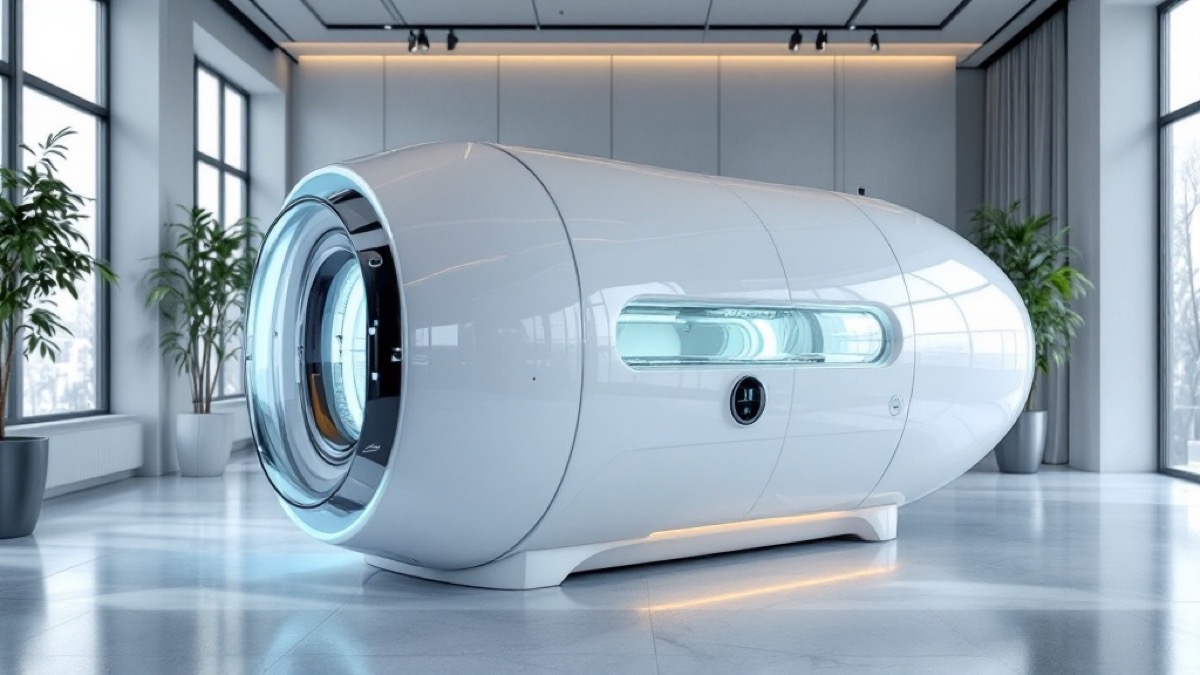
Normobaric oxygen is oxygen breathed at normal sea level pressure, while hyperbaric oxygen therapy is near 100% oxygen in a chamber at 2 to 3 ATA. Pressure lifts plasma oxygen from about 1.5 to 6 mL per 100 mL of blood.
Oxygen therapy, also called supplemental oxygen or O2 therapy, delivers more oxygen than room air, or oxygen under pressure, to raise blood and tissue oxygen levels in conditions such as COPD, carbon monoxide poisoning and chronic wounds.
Oxygen for asthma is an emergency treatment used when an attack drops blood oxygen below 94%, with a target of 94 to 98%. It protects your organs while inhalers and steroids reopen the airways, but it does not treat asthma itself.
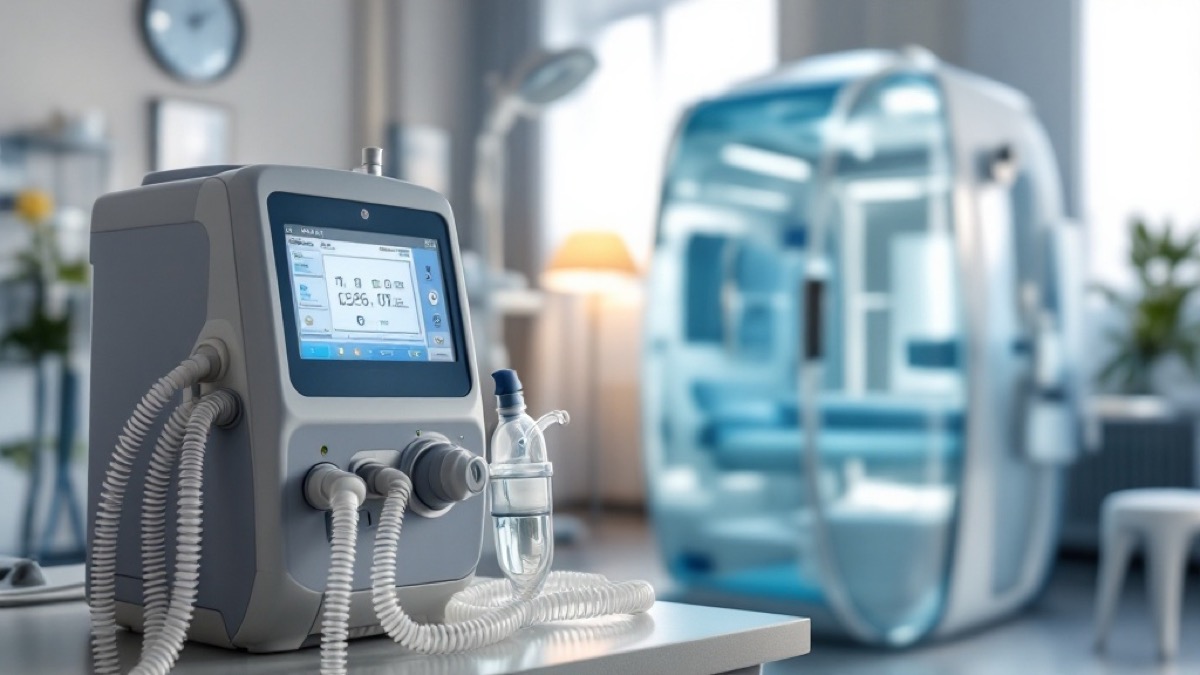
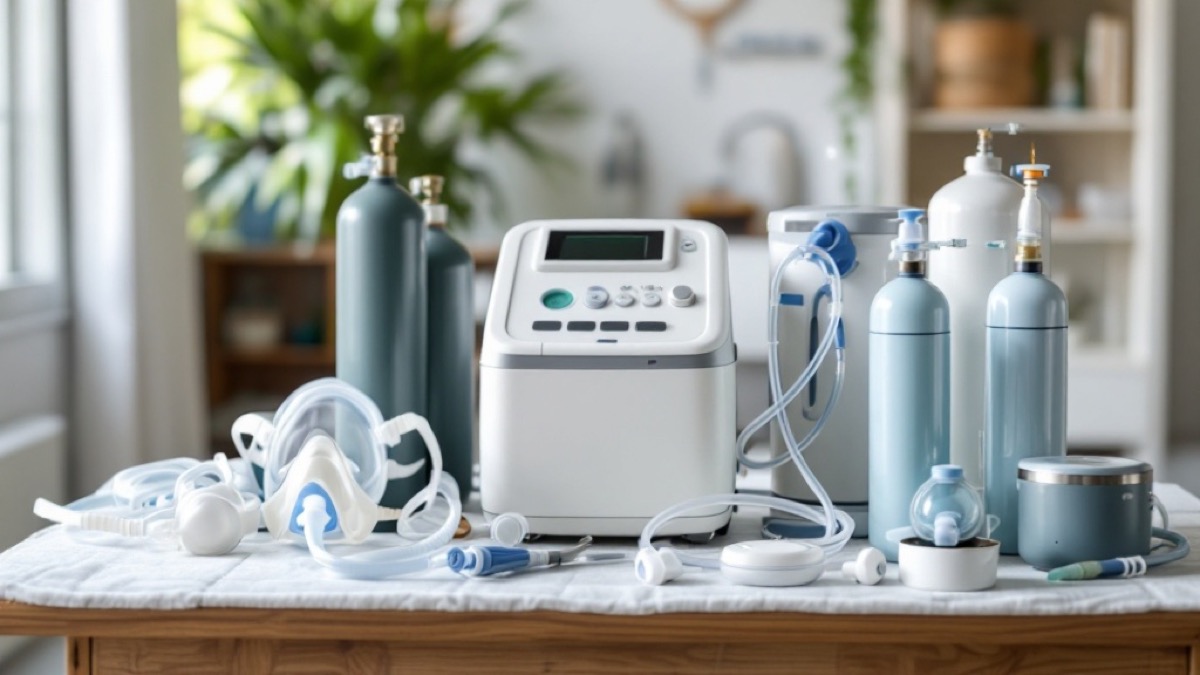
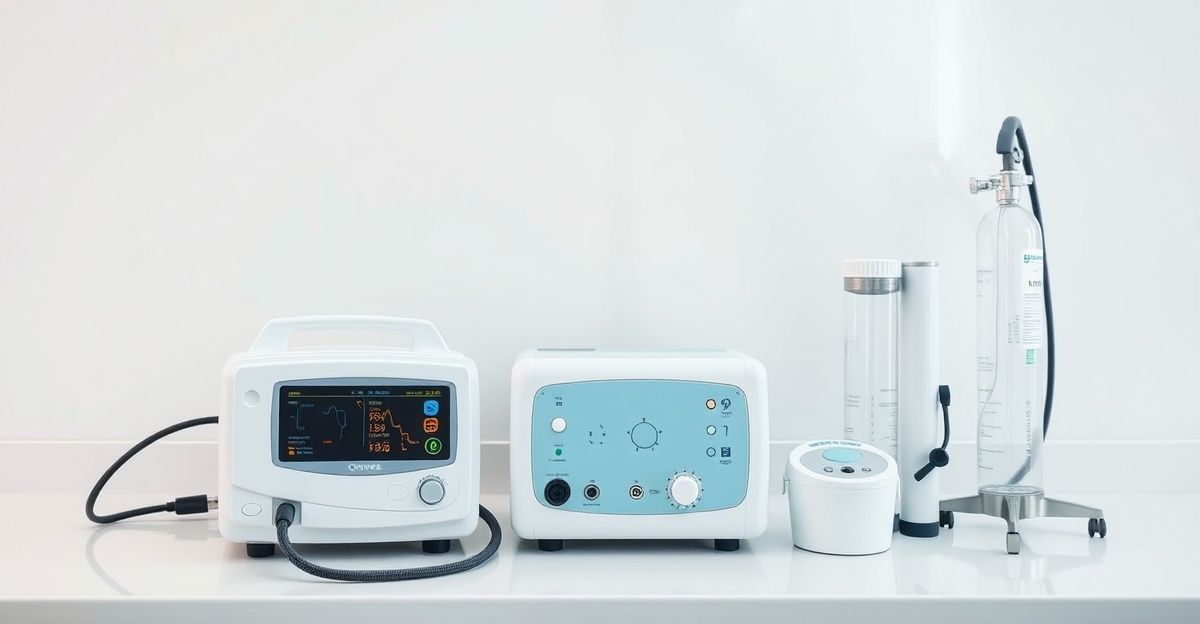
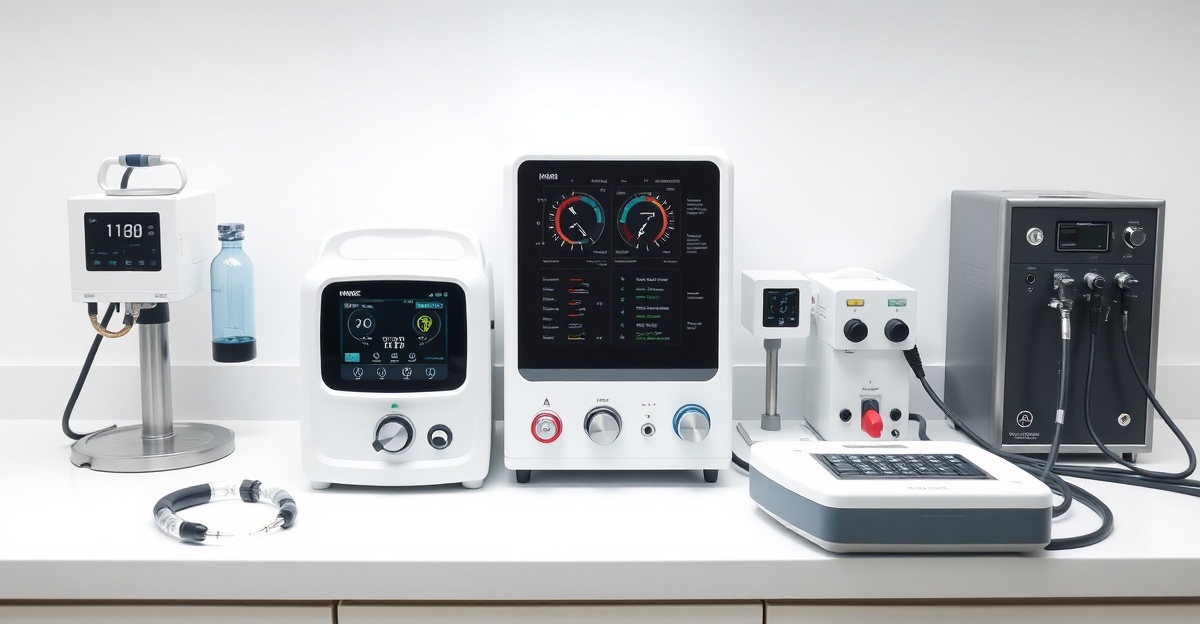
Oxygen therapy equipment is the concentrators, cylinders, liquid oxygen systems, cannulas, masks and pulse oximeters that supply and monitor supplemental oxygen. Medicare Part B covers it as prescription DME when resting SpO2 is 88% or lower.
Most adults who need oxygen for pneumonia stay on it for a few days to about a week, and those sent home on oxygen usually wean off within 2 to 6 weeks. Oxygen starts when SpO2 falls below 94 percent.
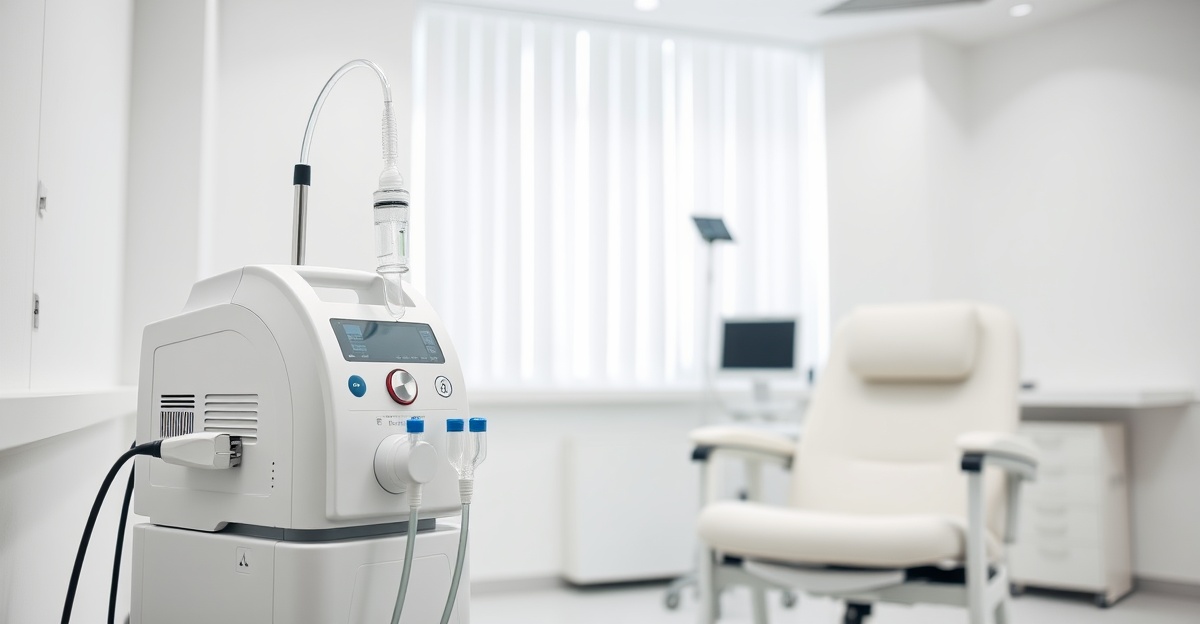
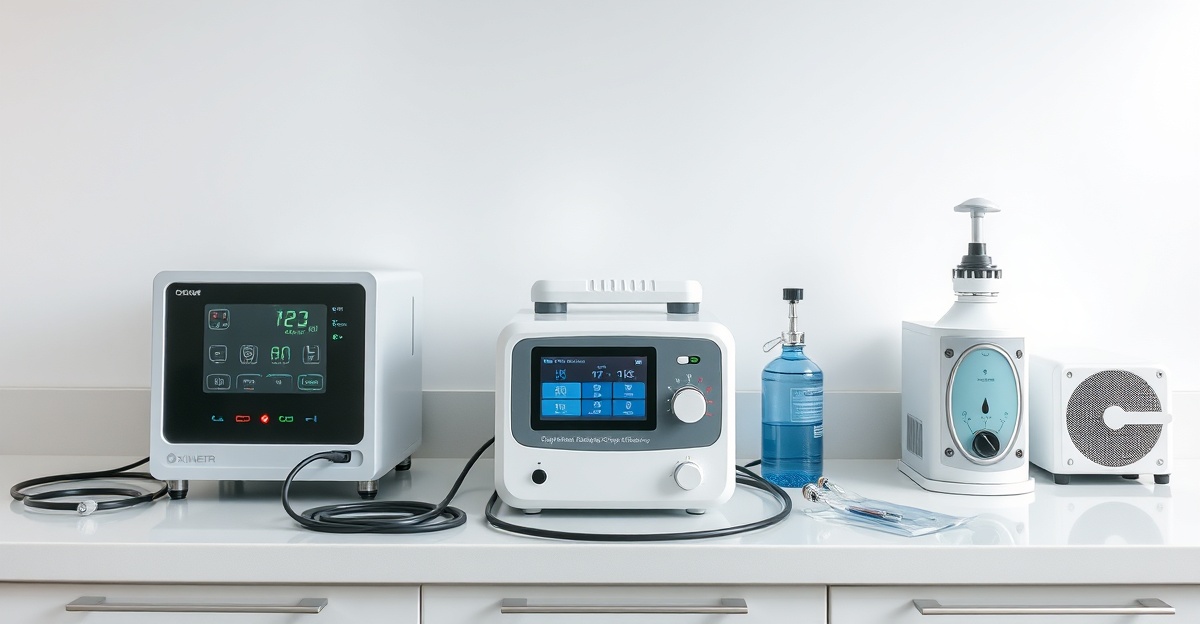
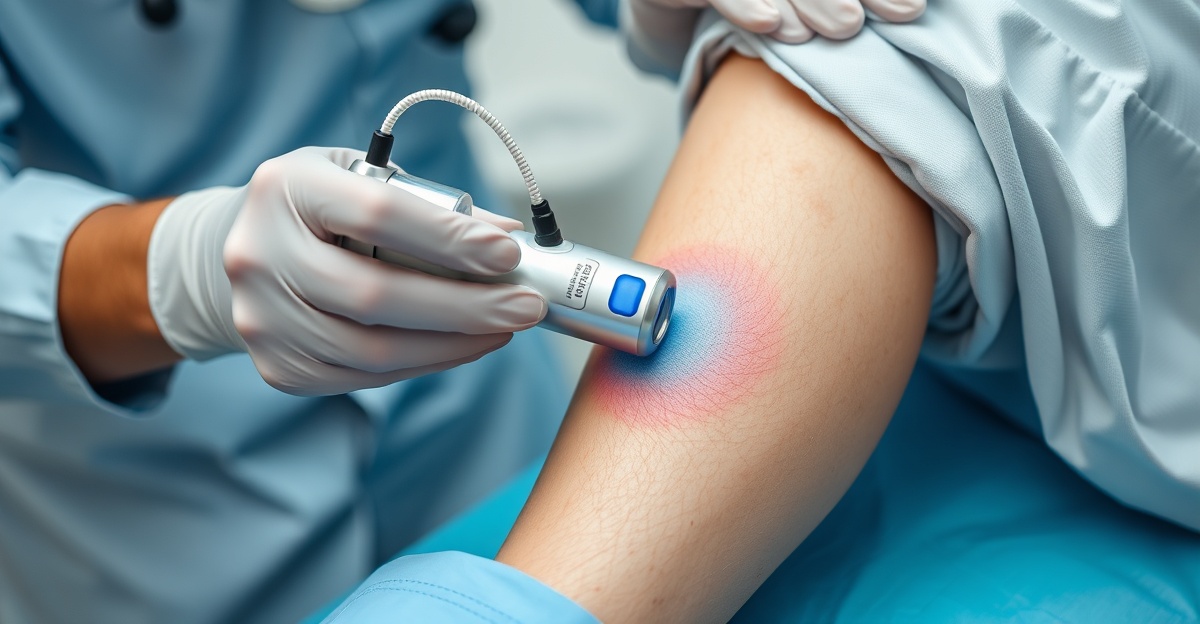
Oxygen wound therapy at home uses a small prescription device, usually rented monthly, to deliver oxygen straight onto a chronic wound. In a double-blinded trial, 41.7% of diabetic foot ulcers closed at 12 weeks vs 13.5% with sham treatment.
Topical oxygen wound therapy delivers pure oxygen straight to a chronic wound through a portable device, without a pressurized chamber. In the TWO2 trial, 41.7% of diabetic foot ulcers closed with active treatment vs 13.5% with sham.