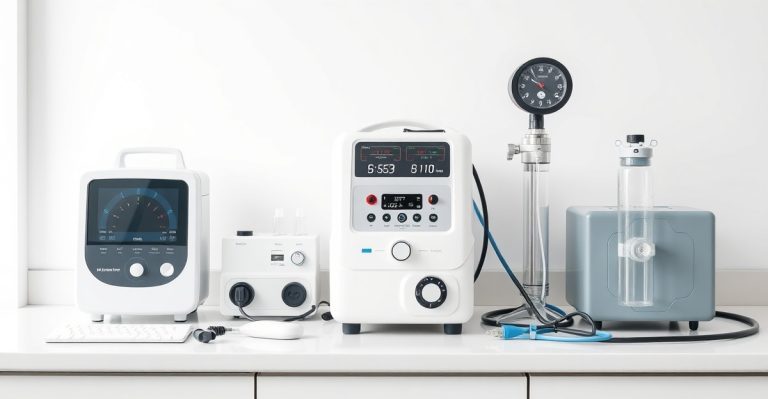
Exercise with Oxygen Therapy (EWOT): Benefits, Research, and How It Works

Exercise with Oxygen Therapy (EWOT): Benefits, Research, and How It Works
Most of us take breathing for granted. We inhale air that is approximately 21% oxygen, and for a healthy person at rest, that is usually sufficient. But what happens when you exercise while breathing significantly higher concentrations of oxygen? That is the idea behind Exercise with Oxygen Therapy, commonly known as EWOT.
EWOT involves performing physical exercise, typically on a stationary bike or treadmill, while breathing concentrated oxygen (usually 90 to 95% O2) delivered through a mask connected to an oxygen reservoir. Sessions typically last 15 to 20 minutes, making it a relatively quick intervention compared to other oxygen-based therapies.
The concept is not new. Dr. Manfred von Ardenne, a German physicist and researcher, developed the scientific foundation for EWOT (which he called Oxygen Multistep Therapy) in the 1960s and 1970s. His work focused on how increased oxygen delivery during exercise could improve microcirculation, boost cellular energy production, and support recovery from various chronic conditions [1].
How EWOT Works: The Science
To understand EWOT, it helps to understand what happens to oxygen delivery when the body is under stress, whether from aging, illness, or sedentary living.
Oxygen and Microcirculation
The body’s smallest blood vessels, the capillaries, are where oxygen is actually delivered to tissues. In healthy individuals, red blood cells pass through capillaries one at a time, delivering oxygen efficiently to surrounding cells. But several factors can impair this process:
- Inflammation causes capillary walls to swell, narrowing the passage and reducing blood flow [2]
- Aging leads to decreased capillary density and reduced elasticity of blood vessel walls [3]
- Chronic disease often involves impaired endothelial function, meaning the cells lining blood vessels do not respond properly to signals that regulate blood flow
- Sedentary lifestyle results in reduced capillary recruitment during physical activity
When microcirculation is compromised, cells receive less oxygen than they need. This creates a state of relative tissue hypoxia, even when blood oxygen saturation levels measured at the finger appear normal.
What Happens During an EWOT Session
When you exercise while breathing high-concentration oxygen, several things happen simultaneously:
The net result is a temporary but significant increase in tissue oxygenation, particularly in areas that may have been chronically under-supplied.
The Role of ATP
At the cellular level, oxygen is required for oxidative phosphorylation, the process by which mitochondria produce adenosine triphosphate (ATP), the body’s primary energy currency. When oxygen availability increases, mitochondria can produce ATP more efficiently. Research has shown that even modest improvements in tissue oxygenation can enhance mitochondrial function and cellular energy production [6].
Benefits of EWOT
Cardiovascular Health
The cardiovascular system benefits from EWOT through multiple mechanisms. Exercise itself improves cardiac output, vascular tone, and endothelial function. Adding supplemental oxygen may amplify these effects.
A study published in Respiratory Physiology & Neurobiology found that breathing supplemental oxygen during exercise improved exercise tolerance and reduced the perceived effort of exercise in both healthy adults and those with cardiovascular limitations [7]. This is particularly relevant for individuals who cannot sustain high-intensity exercise due to breathlessness or fatigue, as EWOT may allow them to exercise at higher intensities for longer periods.
Research on supplemental oxygen during exercise in patients with heart failure has demonstrated improvements in exercise capacity and peak oxygen consumption (VO2 peak), suggesting that increased oxygen availability supports better cardiovascular performance [8].
Energy and Fatigue Reduction
Many EWOT practitioners report a noticeable increase in energy that lasts for hours or even days after a session. While subjective, this aligns with the physiological principle that improved tissue oxygenation supports more efficient ATP production.
Chronic fatigue, whether related to aging, illness, or lifestyle factors, often involves some degree of mitochondrial dysfunction or impaired oxygen delivery. By temporarily flooding tissues with oxygen while the cardiovascular system is actively pumping, EWOT may help “reset” cellular energy metabolism [6].
Exercise Performance and Recovery
Athletes and fitness enthusiasts have used supplemental oxygen for decades, both during training and for post-exercise recovery. The rationale is straightforward: better oxygen delivery means better performance and faster clearance of metabolic waste products like lactate.
A study in the Journal of Sports Science and Medicine found that breathing hyperoxic air during high-intensity exercise increased time to exhaustion and improved power output [9]. Another study demonstrated that post-exercise oxygen supplementation accelerated lactate clearance and reduced perceived muscle soreness [10].
For non-athletes, these same mechanisms translate to better exercise tolerance, less post-workout fatigue, and potentially faster recovery between sessions.
Cognitive Function
The brain consumes roughly 20% of the body’s oxygen despite accounting for only about 2% of body weight. Even small reductions in cerebral oxygenation can affect cognitive performance.
Research has shown that breathing supplemental oxygen improves various cognitive measures, including memory, reaction time, and attention, in both young and older adults [11]. While these studies did not specifically evaluate EWOT (they measured the effects of oxygen supplementation alone), the combination of exercise, which independently improves cerebral blood flow, with supplemental oxygen may produce additive benefits for brain function.
Immune Function Support
Adequate tissue oxygenation is important for immune function. Neutrophils and macrophages, key immune cells, require oxygen to produce the reactive oxygen species they use to destroy pathogens. Hypoxic tissues are more susceptible to infection and slower to heal [12].
While direct clinical studies on EWOT and immune function are limited, the physiological principle that improved tissue oxygenation supports immune cell activity is well established.
Wound Healing and Tissue Repair
Oxygen plays a direct role in collagen synthesis, angiogenesis (new blood vessel formation), and epithelialization, all of which are necessary for wound healing. The evidence for oxygen therapy in wound healing comes primarily from hyperbaric oxygen therapy (HBOT) research, but the underlying principle, increasing oxygen delivery to tissues, applies to EWOT as well [12].
EWOT vs. Hyperbaric Oxygen Therapy (HBOT)
EWOT and HBOT both aim to increase tissue oxygenation, but they work through different mechanisms and have different practical considerations.
| Feature | EWOT | HBOT |
|—|—|—|
| Mechanism | Breathing concentrated O2 during exercise | Breathing 100% O2 in a pressurized chamber |
| Pressure | Ambient (1 ATA) | 1.5 to 3 ATA |
| Session length | 15 to 20 minutes | 60 to 120 minutes |
| Exercise component | Yes (core part of therapy) | No (patient is stationary) |
| Cost per session | $50 to $150 (or home equipment purchase) | $150 to $400+ |
| FDA approval | Not FDA-approved as a medical device/treatment | FDA-approved for 14 specific conditions |
| Home use | Possible with commercially available equipment | Possible with mild (1.3 ATA) chambers |
HBOT has a larger body of clinical research supporting its use for specific conditions, including non-healing wounds, carbon monoxide poisoning, decompression sickness, and radiation tissue injury [13]. The pressurized environment forces significantly more oxygen into tissues than is possible at ambient pressure.
EWOT’s advantage is the exercise component. Physical activity increases cardiac output, opens capillary beds, and stimulates beneficial physiological adaptations (improved endothelial function, mitochondrial biogenesis) that oxygen alone does not provide. The two therapies are not mutually exclusive, and some practitioners recommend both.
What an EWOT Session Looks Like
A typical EWOT session follows a straightforward protocol:
The total session typically lasts 15 to 20 minutes. Many people report feeling energized and mentally clear immediately after a session.
Equipment Options
EWOT can be performed in clinical settings or at home. Home systems typically include:
- An oxygen concentrator (5 to 10 liters per minute)
- A reservoir bag
- A breathing mask
- An exercise machine (stationary bike, recumbent bike, or treadmill)
Complete home systems range from approximately $2,000 to $5,000, depending on the brand and features. Over time, this can be more cost-effective than clinical sessions.
Who Benefits Most from EWOT?
EWOT may be particularly helpful for:
- Aging adults experiencing declining energy, cognitive function, or exercise tolerance
- People with cardiovascular conditions (with physician clearance) who want to improve circulation and exercise capacity
- Athletes seeking improved performance and faster recovery
- Individuals with chronic fatigue from various causes
- People recovering from illness or surgery who want to support tissue healing
- Anyone looking to optimize mitochondrial function and cellular energy production
Who Should Avoid EWOT?
EWOT is generally considered safe for most people, but certain conditions warrant caution or medical clearance:
- Uncontrolled seizure disorders
- Untreated pneumothorax (collapsed lung)
- Severe COPD (paradoxically, some COPD patients rely on low oxygen as a breathing stimulus)
- Active fever or acute illness
- Certain ear or sinus conditions that may be affected by changes in oxygen concentration
Anyone with a serious medical condition should consult their physician before starting EWOT.
When to See a Doctor
While EWOT is generally used as a wellness and performance optimization tool rather than a treatment for acute illness, you should consult a healthcare provider if:
- You experience chest pain, dizziness, or shortness of breath during or after a session
- You have a cardiovascular condition and want to incorporate EWOT into your routine
- You are using EWOT as part of a treatment plan for a chronic condition and are not seeing expected improvement
- You have respiratory conditions like COPD that could be affected by supplemental oxygen
The Bottom Line
EWOT represents an accessible, time-efficient approach to improving tissue oxygenation and supporting overall health. By combining the well-established benefits of exercise with increased oxygen delivery, it addresses a common underlying factor in many chronic health conditions: insufficient oxygen reaching the cells that need it.
The research base for EWOT specifically is still growing, though the individual components (exercise benefits, supplemental oxygen effects) are well supported in the scientific literature. For many people, a 15-minute EWOT session provides a noticeable boost in energy and mental clarity that more passive oxygen therapies may not match.
Whether you are an athlete looking to optimize performance, an aging adult wanting to maintain energy and cognitive sharpness, or someone managing a chronic health condition, EWOT is worth investigating as part of a broader health optimization strategy.
—
References
[1] von Ardenne M. “Oxygen Multistep Therapy: Physiological and Technical Foundations.” Thieme, 1990. Also: von Ardenne M. “Principles and concept 1993 of the Systemic Cancer Multistep Therapy (sCMT).” Strahlenther Onkol. 1994;170(10):581-589. PMID: 7974386
[2] Granger DN, Senchenkova E. “Inflammation and the Microcirculation.” San Rafael (CA): Morgan & Claypool Life Sciences, 2010. PMID: 21452435
[3] Lam TK, Bhatt DL. “Microvascular disease and aging: a clinical perspective.” Circ Res. 2021;128(6):707-709. Also: Ungvari Z, Tarantini S, Donato AJ, Galvan V, Csiszar A. “Mechanisms of vascular aging.” Circ Res. 2018;123(7):849-867. PMID: 30355080
[4] Dejours P. “Principles of Comparative Respiratory Physiology.” 2nd ed. Elsevier, 1981. Also: West JB. “Respiratory Physiology: The Essentials.” 10th ed. Wolters Kluwer, 2016.
[5] Laughlin MH, Davis MJ, Secher NH, et al. “Peripheral circulation.” Compr Physiol. 2012;2(1):321-447. PMID: 23728977
[6] Gnaiger E. “Capacity of oxidative phosphorylation in human skeletal muscle: new perspectives of mitochondrial physiology.” Int J Biochem Cell Biol. 2009;41(10):1837-1845. PMID: 19467914
[7] Sperlich B, Zinner C, Hauser A, Holmberg HC, Wegrzyk J. “The impact of hyperoxia on human performance and recovery.” Sports Med. 2017;47(3):429-438. PMID: 27480762
[8] Restrick LJ, Davies SW, Noone L, Wedzicha JA. “Ambulatory oxygen in chronic heart failure.” Lancet. 1992;340(8829):1192-1193. PMID: 1359266. Also: Russell SD, Koshkarian GM, Medinger AE, Carson PE, Higginbotham MB. “Lack of effect of increased inspired oxygen concentrations on maximal exercise capacity or ventilation in stable heart failure.” Am J Cardiol. 1999;84(12):1412-1416. PMID: 10606114
[9] Peltonen JE, Tikkanen HO, Rusko HK. “Cardiorespiratory responses to exercise in acute hypoxia, hyperoxia and normoxia.” Eur J Appl Physiol. 2001;85(1-2):82-88. PMID: 11508324
[10] Maeda T, Yasukouchi A. “Blood lactate disappearance during breathing hyperoxic gas after exercise in two different physical fitness groups on the same absolute exercise intensity.” Eur J Appl Physiol Occup Physiol. 1997;75(6):578-582. PMID: 9202957
[11] Moss MC, Scholey AB, Wesnes K. “Oxygen administration selectively enhances cognitive performance in healthy young adults: a placebo-controlled double-blind crossover study.” Psychopharmacology (Berl). 1998;138(1):27-33. PMID: 9694524
[12] Hopf HW, Gibson JJ, Angeles AP, et al. “Hyperoxia and angiogenesis.” Wound Repair Regen. 2005;13(6):558-564. PMID: 16283871
[13] Undersea and Hyperbaric Medical Society. “Indications for Hyperbaric Oxygen Therapy.” UHMS, 2024. Also: Leach RM, Rees PJ, Wilmshurst P. “Hyperbaric oxygen therapy.” BMJ. 1998;317(7166):1140-1143. PMID: 9784458
[14] Navarrete-Opazo A, Mitchell GS. “Therapeutic potential of intermittent hypoxia: a matter of dose.” Am J Physiol Regul Integr Comp Physiol. 2014;307(10):R1181-R1197. PMID: 25231353