Oxygen Therapy for Pulmonary Fibrosis: A Patient Guide to Daily Life
Explore the clinic directoryIn this article
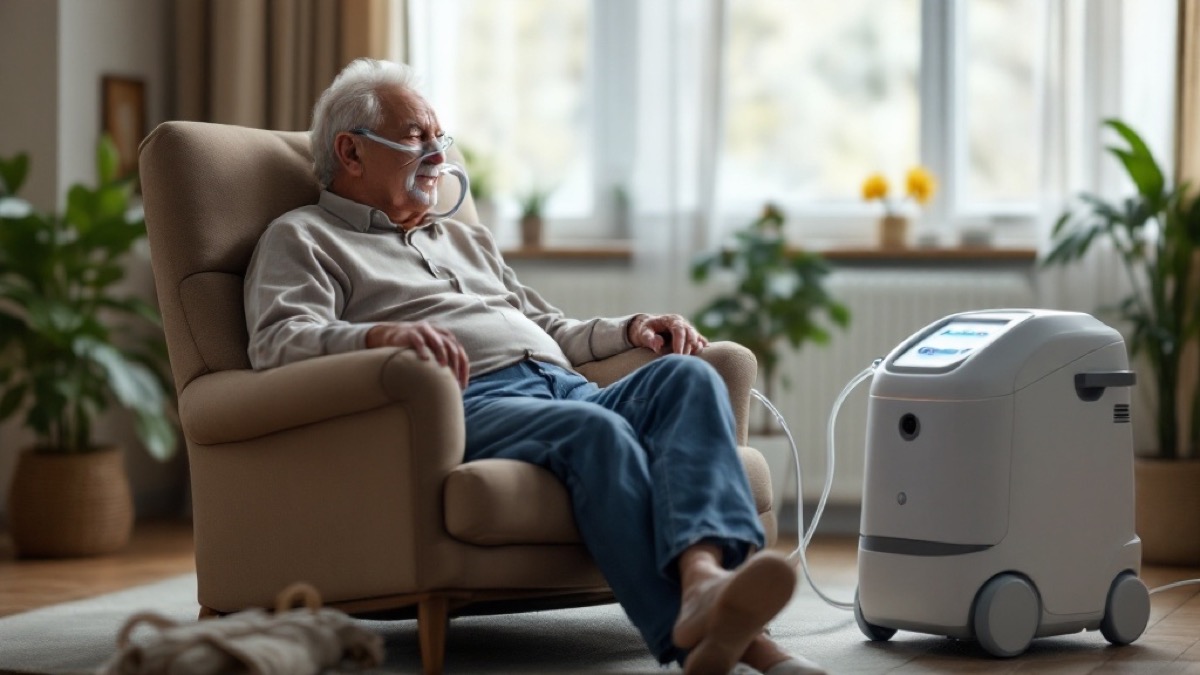
Oxygen therapy for pulmonary fibrosis is prescribed when blood oxygen saturation (SpO2) falls to 88% or lower at rest, during exercise or during sleep, and its job is to ease breathlessness and keep you active, not to slow the scarring itself. The American Thoracic Society home oxygen guideline (Jacobs et al., 2020) recommends long-term oxygen for interstitial lung disease with severe resting hypoxemia and ambulatory oxygen for severe exertional hypoxemia, while rating the evidence behind both as low quality.
Living with pulmonary fibrosis means learning to live with oxygen. For many patients, the moment a doctor prescribes supplemental oxygen marks a turning point. It can feel like a loss. But for most people, it quickly becomes the thing that lets them keep doing what matters: walking the dog, cooking dinner, visiting grandchildren, sleeping through the night.
This guide is written for patients and caregivers navigating oxygen therapy during IPF progression. It covers the practical, the emotional, and the logistical realities that clinical resources often skip.
Supplemental oxygen goes by several names: home oxygen, long-term oxygen therapy (LTOT), ambulatory oxygen for use on the move, and nocturnal oxygen for sleep. It is used in idiopathic pulmonary fibrosis (IPF) and in other forms of interstitial lung disease (ILD), and it works alongside antifibrotic medicines, pulmonary rehabilitation and transplant evaluation rather than replacing them. The oxygen therapy treatment guide explains how medical oxygen is used for other conditions too.
Key Takeaways
- Pulmonologists prescribe oxygen therapy when blood oxygen saturation drops to 88% or lower, either at rest or during activity, which is also the threshold Medicare uses for home oxygen coverage.
- Many patients need oxygen only during exercise at first, then progress to nighttime and continuous use as the disease advances.
- Oxygen eases symptoms rather than slowing fibrosis: a 2017 systematic review in the European Respiratory Review (Bell et al.) could not estimate an effect on survival, while the AmbOx trial (Visca et al., 2018) found ambulatory oxygen improved quality of life in fibrotic ILD.
- Managing oxygen at home involves pulse oximetry, equipment maintenance, fire safety, and adapting daily routines.
- Travel with oxygen is possible with planning: portable concentrators are FAA-approved for flights, and compressed or liquid oxygen is not allowed on board.
- The emotional impact of starting oxygen is real and worth addressing with support groups, counseling, or peer mentoring through groups such as the Pulmonary Fibrosis Foundation.
Why Pulmonary Fibrosis Causes Low Oxygen
In healthy lungs, oxygen passes from the air sacs (alveoli) through a thin membrane into the surrounding capillaries. Carbon dioxide moves in the opposite direction. This gas exchange happens across a surface area roughly the size of a tennis court.
Pulmonary fibrosis replaces normal, flexible lung tissue with thick, stiff scar tissue. This scarring does two things that directly impair oxygenation:
- Thickened gas exchange barrier. The membrane between the alveoli and capillaries becomes thicker, slowing the diffusion of oxygen into the blood. Carbon dioxide, which diffuses more easily, is less affected at first.
- Reduced lung volume. Scarred lungs cannot expand fully. The total surface area available for gas exchange shrinks. Each breath moves less air, and less of that air reaches functioning alveoli.
The result is progressive hypoxemia: blood oxygen levels that decline over months and years. Initially, oxygen levels may be normal at rest but drop during physical activity (exertional desaturation). As fibrosis advances, resting oxygen levels fall too.
What Oxygen Levels Mean in Pulmonary Fibrosis
Oxygen levels in pulmonary fibrosis are tracked with two numbers. SpO2 is the saturation a fingertip pulse oximeter reads. PaO2 is the pressure of oxygen in arterial blood, measured with an arterial blood gas test. Most healthy adults at sea level read 95% to 100% on a pulse oximeter.
| SpO2 Reading | What It Usually Means | What Usually Happens Next |
|---|---|---|
| 95% to 100% | Typical range for healthy adults at sea level | No oxygen needed at that moment |
| 89% to 94% | Below normal, but above the usual prescribing threshold | Closer monitoring, walking test, overnight oximetry |
| 88% or lower | Meets the standard threshold for supplemental oxygen | Oxygen prescribed for rest, exertion or sleep, wherever the drop occurs |
Once you are on oxygen, the usual goal is to keep SpO2 at 90% or above during the activities that cause the drop. Your pulmonologist sets that target and the flow rate that reaches it.
Fingertip readings have limits. The FDA warned in 2021 that pulse oximeters can be less accurate in people with darker skin pigmentation, and cold hands, poor circulation and nail polish can also skew a reading. If a number does not match how you feel, tell your care team and do not change your flow rate based on one reading alone.
When Is Oxygen Therapy Prescribed?
The standard criteria for prescribing long-term oxygen therapy (LTOT) in pulmonary fibrosis follow established guidelines:
- Resting SpO2 of 88% or lower or PaO2 at or below 55 mmHg
- SpO2 of 89% (PaO2 of 56 to 59 mmHg) with evidence of cor pulmonale, right heart failure, or polycythemia (elevated red blood cell count)
- Exertional desaturation to 88% or lower during a six-minute walk test, even if resting levels are normal
Your pulmonologist will typically determine oxygen needs through pulse oximetry at rest and during a walking test. Some patients need oxygen only during exercise or sleep. Others require it around the clock.
These thresholds come from the American Thoracic Society clinical practice guideline on home oxygen therapy (Jacobs et al., 2020) and from Medicare coverage rules. The guideline gives a strong recommendation for long-term oxygen in ILD with severe chronic resting hypoxemia and a conditional recommendation for ambulatory oxygen in ILD with severe exertional hypoxemia, and it rates the evidence for both as low quality.
Who decides how much oxygen you need?
A pulmonologist, often one at an ILD specialty center, writes the oxygen prescription, including the flow rate at rest, with exertion and during sleep. Respiratory therapists run walking tests and teach you the equipment. A durable medical equipment (DME) supplier delivers and services it.
Do you need oxygen at night?
Nighttime desaturation is common in pulmonary fibrosis and can be missed by daytime testing. An overnight oximetry study records your SpO2 while you sleep. Morning headaches, unrefreshing sleep or new daytime grogginess are reasons to ask for one. Some people with IPF also have obstructive sleep apnea, which is assessed separately.
Types of Supplemental Oxygen Systems
| System | How It Works | Best For |
|---|---|---|
| Stationary Concentrator | Pulls oxygen from room air, delivers via nasal cannula | Home use, continuous flow, nighttime |
| Portable Concentrator (POC) | Battery-powered, lightweight, pulse or continuous dose | Travel, errands, staying active |
| Compressed Gas Tanks | Pressurized oxygen in metal cylinders | Backup supply, short outings |
| Liquid Oxygen | Oxygen stored as liquid, converted to gas on delivery | High-flow needs, extended portability |
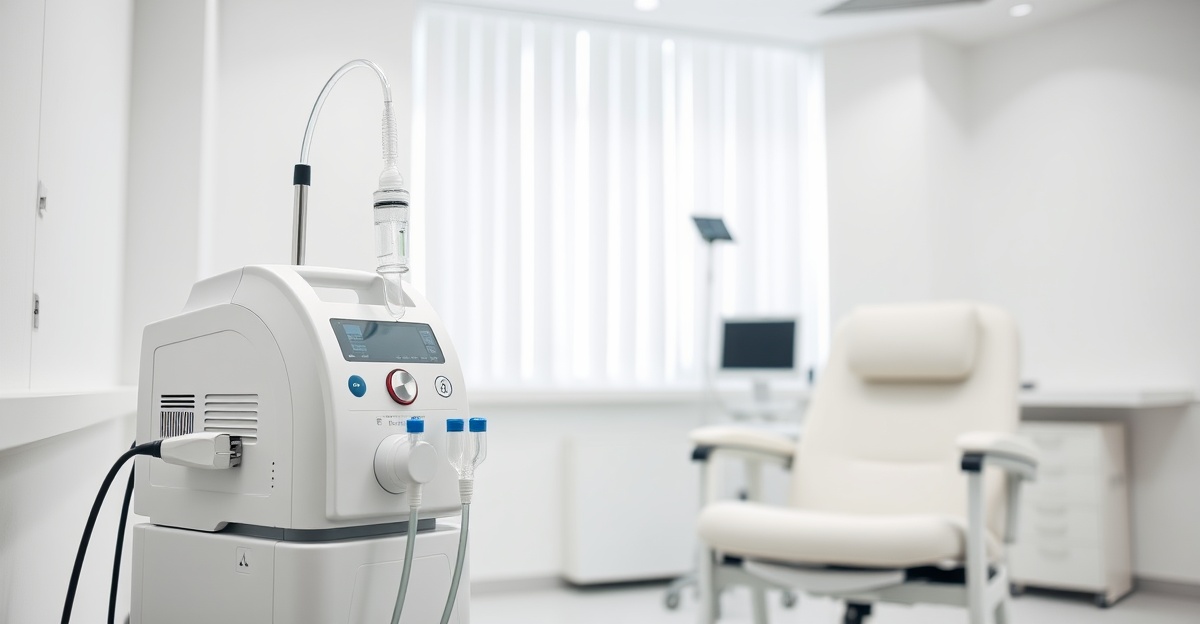
Most pulmonary fibrosis patients start with a stationary concentrator at home and a portable unit for leaving the house. Your durable medical equipment (DME) provider will help set up the equipment and train you on its use.
Pulse dose or continuous flow?
Pulse dose portable concentrators release a puff of oxygen each time you inhale, which saves battery. Continuous flow delivers a steady stream measured in liters per minute (LPM). Pulse settings are numbered by each device maker and are not the same as liters per minute.
People with fibrosis often breathe fast and shallow during exertion, and some do not hold their saturation on pulse dose. Ask to be tested walking on the exact device you will use. The 2020 ATS guideline also suggests liquid oxygen for mobile patients who need more than 3 L/min of continuous flow during exertion. The oxygen flow rate chart and the overview of portable oxygen therapy options go deeper on settings and devices.
Evidence for Survival Benefit
The evidence for oxygen therapy extending life in pulmonary fibrosis is surprisingly thin. Unlike in COPD, where landmark trials (NOTT and MRC studies) demonstrated a clear survival benefit from long-term oxygen therapy, no equivalent large-scale trial has been completed for idiopathic pulmonary fibrosis (IPF).
“Studies reporting the use of long-term oxygen therapy in interstitial lung disease are at high risk of bias, and it was not possible to estimate its impact on survival.”
European Respiratory Review, 2017
Current guidelines recommend oxygen therapy for pulmonary fibrosis patients with significant hypoxemia, but this recommendation is based on physiological rationale and extrapolation from COPD data rather than robust IPF-specific evidence (Bell et al., 2017, doi:10.1183/16000617.0080-2016).
What the evidence does support:
- Improved exercise capacity in patients whose hypoxemia limits activity
- Reduced breathlessness during daily tasks
- Better quality of life for many patients, including improved mobility and ability to complete household tasks
- Maintained independence for longer as the disease progresses
The strongest trial in fibrotic lung disease is AmbOx (Visca et al., The Lancet Respiratory Medicine, 2018). It enrolled people at three UK ILD centers who were not low at rest but dropped to 88% or lower on a six-minute walk test. Two weeks of ambulatory oxygen improved health-related quality of life on the King's Brief Interstitial Lung Disease questionnaire (K-BILD) compared with two weeks without oxygen. The trial was short and open label, so it supports oxygen for symptoms, not survival.
A cohort study published in Scientific Reports (2023) evaluated prognostic factors in IPF patients introduced to oxygen therapy and found that the timing of oxygen initiation and baseline lung function at the time of prescription were important predictors of outcomes (Kato et al., 2023, doi:10.1038/s41598-023-40508-8).
The contrast with chronic obstructive pulmonary disease matters when you read online advice. Much of what is written about home oxygen comes from COPD research, so the guidance on oxygen therapy for COPD and broader COPD treatment is useful background but does not transfer one to one to fibrosis.
How Oxygen Fits With Antifibrotic Treatment
Oxygen and antifibrotic drugs do different jobs. Antifibrotics slow the rate at which lung function, measured as forced vital capacity (FVC), declines. Oxygen corrects low blood oxygen so you can move, sleep and breathe more comfortably. Most people with progressing IPF use both.
The FDA approved nintedanib and pirfenidone for IPF in 2014. In October 2025 it approved nerandomilast, the first new IPF therapy in more than a decade. None of these medicines repairs existing scar tissue, and none removes the need for oxygen once hypoxemia develops.
What if first-line IPF treatment doesn't work?
If an antifibrotic is not tolerated or the disease keeps progressing, the next steps are usually a dose adjustment, a switch to another antifibrotic, and a referral to an ILD center if you are not already seen at one. Your team will reassess oxygen needs at the same time, because progression often shows up first as a lower walking saturation.
Other options run in parallel. Pulmonary rehabilitation improved walking distance, breathlessness and quality of life in ILD in a Cochrane review (Dowman et al., 2021). Lung transplant evaluation, clinical trials listed on ClinicalTrials.gov, and palliative care for breathlessness are all reasonable to raise.
Lung Transplant Considerations
For eligible patients, lung transplantation remains the only treatment that can halt the progression of pulmonary fibrosis. The need for supplemental oxygen, particularly escalating requirements, is one factor that transplant centers evaluate when assessing candidacy and timing.
Patients on oxygen therapy should discuss transplant evaluation with their pulmonologist, especially if:
- Oxygen requirements are increasing over time
- Exercise capacity is declining despite optimal medical management
- Quality of life is significantly impaired
- They are under age 65 (though age cutoffs vary by center)
Being on oxygen does not disqualify a patient from transplant. In fact, increasing oxygen needs can be an important signal to accelerate the evaluation process.
What Daily Life Looks Like With Oxygen
The first week on oxygen is the hardest. The tubing feels awkward. The cannula irritates your nose. You bump into furniture. You wonder if people are staring.
By the third or fourth week, most patients report that the benefits overshadow the annoyances. Survey studies show that oxygen therapy helps people with IPF maintain mobility and complete household tasks more easily. Most people feel less tired.
Here is what a typical day looks like for someone managing IPF with supplemental oxygen:
Morning
You wake up and check your pulse oximeter. If your oxygen levels dipped overnight (common as the disease progresses), you may feel groggy. A stationary concentrator by the bed delivers continuous-flow oxygen through a nasal cannula while you sleep. You disconnect from the long tubing, switch to your portable concentrator, and start your morning routine.
Daytime
For errands, social activities, or exercise, a portable oxygen concentrator (POC) goes with you. Most weigh between 3 and 10 pounds. Many come with backpack-style carriers that distribute weight across both shoulders, which is more comfortable than a shoulder strap for longer outings.
Your flow rate during activity is usually higher than at rest. Your pulmonologist determines both rates during a walking test. You monitor yourself with a portable pulse oximeter, aiming to keep SpO2 above 90%.
Evening
Back home, you reconnect to the stationary concentrator. Longer tubing (up to 50 feet) lets you move around the house without being tethered to the machine. Dinner, TV, reading, all done with the gentle hiss of the concentrator in the background. Most patients stop noticing the sound within a few weeks.
Oxygen Safety at Home
Oxygen does not explode or burn on its own, but it makes anything that is already burning burn faster and hotter. Fire is the main home risk, and it is preventable. The 2020 ATS guideline lists education on oxygen equipment and safety as a best practice for every patient and caregiver.
- No smoking or vaping by you or anyone near you while oxygen is in use.
- Keep oxygen away from open flames such as gas stoves, candles, fireplaces and space heaters.
- Use water-based products on your face and lips instead of petroleum-based creams.
- Keep working smoke detectors and tell your local fire department and electric utility that you use home oxygen.
- Keep a backup supply of compressed gas for power outages, since concentrators need electricity.
- Route tubing along walls and away from doorways to reduce trips and falls.
The longer checklist of oxygen therapy safety precautions covers storage, cylinders and cleaning.
Managing Oxygen During IPF Progression
IPF is a progressive disease. What works at diagnosis may not work a year later. Oxygen needs typically increase over time, and being proactive about reassessment helps maintain quality of life.
Stages of Oxygen Need
| Stage | Typical Oxygen Need | What This Looks Like |
|---|---|---|
| Early | Exertional only (2-4 LPM) | Oxygen during walks, stairs, exercise. Normal at rest. |
| Moderate | Exertional + nocturnal (2-6 LPM) | Oxygen during activity and sleep. Resting levels borderline. |
| Advanced | Continuous (4-10+ LPM) | Oxygen at all times. Higher flow rates needed. May require high-flow systems. |
Ask your pulmonologist to repeat your six-minute walk test every 3 to 6 months. If you notice increasing breathlessness at your current flow rate, do not wait for a scheduled appointment. Call your provider and request a reassessment.
Exercise With Oxygen
Exercise is one of the most important things you can do with IPF. It maintains cardiovascular fitness, preserves muscle strength, and reduces the deconditioning that makes breathlessness worse.
But exercising with supplemental oxygen requires some adjustments:
- Your exercise flow rate is usually higher than your resting rate. A common prescription is 2 LPM at rest and 4 to 6 LPM during activity. Your doctor sets this based on how your oxygen levels behave during a walking test.
- Pulmonary rehabilitation programs are designed for this. These supervised exercise programs tailor intensity to your oxygen needs and lung function. Ask your pulmonologist for a referral.
- Walking is enough. You do not need intense exercise. Consistent, moderate walking for 20 to 30 minutes, 3 to 5 times per week, makes a measurable difference.
- Monitor during exercise. Wear a pulse oximeter on your finger. If your SpO2 drops below 88%, slow down or rest until it recovers.
“People living with PF and IPF can jog, work out, and play sports (with permission from their doctors) while using oxygen. Over time, most find that the benefits of using oxygen greatly improve their quality of life.”
Pulmonary Fibrosis Foundation
Traveling With Oxygen
Travel is possible with oxygen therapy. It requires planning, but it does not have to limit where you go.
Air Travel
- You must use a portable oxygen concentrator (POC) on flights. Compressed gas tanks and liquid oxygen are not allowed on aircraft.
- Your POC must be FAA-approved. Check the FAA’s list of approved devices before booking.
- Notify the airline in advance. Most airlines require medical forms completed before check-in. Call the airline at least 48 hours ahead.
- Bring enough battery. FAA regulations require battery life of at least 150% of the scheduled flight time. Carry extra batteries.
- Request high-altitude simulation testing (HAST) from your pulmonologist before flying, especially if your oxygen needs are borderline. Cabin pressure at cruising altitude is equivalent to about 6,000 to 8,000 feet elevation, which reduces available oxygen.
Road Trips
- Bring your portable concentrator and a car charger
- Carry backup compressed gas tanks in case of equipment failure
- Plan rest stops and know where medical facilities are along your route
- Keep your POC out of direct sunlight and away from extreme heat (below 104 degrees Fahrenheit)
Train Travel
Amtrak allows both tanks and portable oxygen concentrators. You must inform them in advance by calling ahead. Limits apply: no more than six tanks or 120 pounds of oxygen supplies. POCs must have at least four hours of battery life.
Paying for Home Oxygen: Medicare and Insurance
Medicare Part B covers home oxygen equipment as durable medical equipment when your doctor documents that you are not getting enough oxygen and your blood gas or saturation results fall within the qualifying range. According to Medicare.gov, you pay 20% of the Medicare-approved amount after the Part B deductible.
Medicare oxygen equipment is rented from a supplier for 36 months. The monthly rental covers the equipment, refills, tubing and servicing, and the supplier must keep providing oxygen for as long as you need it, up to 5 years from the start. The supplier must also give you equipment that fits your mobility needs inside and outside the home, which matters if you need a portable concentrator.
Is Hyperbaric Oxygen Therapy Used for Pulmonary Fibrosis?
Hyperbaric oxygen therapy (HBOT) is not a standard treatment for pulmonary fibrosis. HBOT delivers oxygen inside a pressurized chamber for set sessions, while home supplemental oxygen is delivered at normal pressure for hours each day. Pulmonary fibrosis is not on the list of FDA-cleared HBOT indications, and no guideline recommends it for IPF.
The hyperbaric oxygen therapy guide explains what HBOT is used for, and the comparison of HBOT and normobaric oxygen therapy sets out how the two differ. If a clinic suggests chamber sessions for lung scarring, ask what evidence supports it and share the plan with your pulmonologist first.
How to use the oxygen therapy clinic directory
Prescription home oxygen for pulmonary fibrosis comes through your pulmonologist and a DME supplier, not a walk-in clinic. Some people also look for outpatient practices that offer oxygen services. You can compare clinics that list oxygen therapy by location and services. Listing order is not paid ranking, Featured slots are labeled and capped, Verified means credential checks rather than spend, the directory is free for patients, and inclusion is not an endorsement.
The Emotional Side
Starting oxygen therapy can trigger a grief response. It is a visible reminder that the disease is progressing. Common feelings include:
- Self-consciousness. Wearing a nasal cannula in public feels conspicuous. This feeling fades with time, but it is real.
- Loss of independence. Relying on equipment can feel limiting, especially for people accustomed to being active and self-sufficient.
- Frustration with logistics. Managing equipment, batteries, refills, and tubing adds mental load to every day.
- Fear of progression. Increasing oxygen needs can feel like a countdown. This anxiety is normal and worth discussing with your care team.
What helps:
- Peer support. The Pulmonary Fibrosis Foundation offers peer mentoring programs that connect you with someone who has navigated the same transition.
- Online communities. Forums and social media groups for PF patients provide practical tips and emotional support from people who understand.
- Counseling. A therapist experienced with chronic illness can help you process the adjustment. Many pulmonary rehab programs include psychosocial support.
- Focus on function. Frame oxygen as a tool that lets you do more, not a sign that you can do less. The data supports this: most patients report greater activity levels after starting oxygen.
Support Resources
- Pulmonary Fibrosis Foundation (pulmonaryfibrosis.org): Patient education, support groups, peer mentoring, care center network
- American Lung Association (lung.org): Lung disease resources, Better Breathers Club meetings, oxygen therapy guides
- ILD Collaborative (ildcollaborative.org): Patient journey resources specific to interstitial lung disease
- Inspire PF Community (inspire.com): Online peer support forum for pulmonary fibrosis patients and caregivers
When to Talk to Your Doctor
Contact your pulmonologist if:
- Your SpO2 regularly drops below 88% at your current flow rate
- You are waking up with headaches (possible sign of overnight desaturation or CO2 retention)
- Your breathlessness is worsening despite oxygen use
- Your portable concentrator can no longer keep up with your activity level
- You are experiencing swelling in your legs or ankles (possible sign of right heart strain)
- You want to discuss lung transplant evaluation
Leg swelling and rising oxygen needs can point to pulmonary hypertension, a common complication of advanced fibrosis. The overview of oxygen therapy for pulmonary hypertension explains how that changes the plan.
The Bottom Line
Oxygen therapy during pulmonary fibrosis is not the end of living fully. It is a tool that helps you continue. The logistics take some getting used to. The emotional adjustment is real. But the practical reality, confirmed by patient surveys and clinical experience, is that most people function better and feel less exhausted once they start using oxygen appropriately.
The key is working closely with your pulmonologist to match your oxygen prescription to your actual needs, reassessing regularly, and staying as active as your body allows.
In short, oxygen is prescribed when your saturation falls to 88% or lower, it is matched to rest, exertion and sleep through testing, and it eases breathlessness while antifibrotic medicines, pulmonary rehabilitation and transplant evaluation address the disease itself.
Frequently asked questions
What oxygen level means you need oxygen with pulmonary fibrosis?
Supplemental oxygen is usually prescribed when SpO2 falls to 88% or lower, or PaO2 is 55 mmHg or below, at rest, on a six-minute walk test or during sleep. A reading of 89% can also qualify when there are signs of right heart strain or a high red blood cell count. Once you are on oxygen, the usual target is to keep saturation at 90% or above during the activities that cause the drop.
Does oxygen therapy slow pulmonary fibrosis?
No, oxygen therapy does not slow the scarring in pulmonary fibrosis. It treats the low blood oxygen the scarring causes. A 2017 systematic review in the European Respiratory Review could not estimate any effect on survival, while the AmbOx trial in 2018 found that ambulatory oxygen improved quality of life. Antifibrotic medicines such as nintedanib, pirfenidone and nerandomilast are the treatments aimed at slowing lung function decline.
Do you need oxygen all day with pulmonary fibrosis?
Not at first for most people. Many patients start with oxygen only during exertion, such as walking or climbing stairs, then add it during sleep, and move to continuous use as the disease advances and resting levels fall. Your pulmonologist decides this from a resting oximetry reading, a six-minute walk test and an overnight oximetry study, and repeats the testing every few months as needs change.
What if first-line IPF treatment doesn't work?
If an antifibrotic is not tolerated or the disease keeps progressing, pulmonologists usually adjust the dose or switch to another antifibrotic, and refer you to an ILD center if you are not seen at one. They also reassess your oxygen, add pulmonary rehabilitation, and discuss lung transplant evaluation, clinical trials and palliative care for breathlessness. These steps run alongside each other, and oxygen remains part of the plan whenever saturation is low.
Can you fly with pulmonary fibrosis if you use oxygen?
Yes, most people with pulmonary fibrosis can fly with planning. You must use an FAA-approved portable oxygen concentrator, because compressed and liquid oxygen are not allowed on aircraft, and carry batteries for at least 150% of the flight time. Airline cabins are pressurized to about 6,000 to 8,000 feet, so ask your pulmonologist about high-altitude simulation testing and an in-flight flow rate before you book.
Is hyperbaric oxygen therapy a treatment for pulmonary fibrosis?
Hyperbaric oxygen therapy is not a recognized treatment for pulmonary fibrosis. HBOT delivers oxygen in a pressurized chamber for short sessions, and pulmonary fibrosis is not among its FDA-cleared indications or in any IPF guideline. People with fibrosis need oxygen delivered at normal pressure throughout the day, prescribed by a pulmonologist. Anyone considering chamber sessions should review the evidence and the risks with their lung specialist first.
Sources
- Pulmonary Fibrosis Foundation. Supplemental Oxygen. pulmonaryfibrosis.org
- American Lung Association. Oxygen and Pulmonary Fibrosis. lung.org
- ILD Collaborative. Oxygen Therapy: IPF Patient Journey. ildcollaborative.org
- Visca, D., et al. (2018). Ambulatory oxygen in interstitial lung disease. European Respiratory Review, 27(148), 170089.
- Bell, E.C., et al. (2017). Oxygen therapy for interstitial lung disease: a systematic review. European Respiratory Review, 26(143), 160080.
- Jacobs, S.S., et al. (2020). Home Oxygen Therapy for Adults with Chronic Lung Disease. An Official American Thoracic Society Clinical Practice Guideline. American Journal of Respiratory and Critical Care Medicine. https://pubmed.ncbi.nlm.nih.gov/33185464/
- Visca, D., et al. (2018). Effect of ambulatory oxygen on quality of life for patients with fibrotic lung disease (AmbOx): a prospective, open-label, mixed-method, crossover randomised controlled trial. The Lancet Respiratory Medicine. https://pubmed.ncbi.nlm.nih.gov/30170904/
- Kato, et al. (2023). Cohort study to evaluate prognostic factors in idiopathic pulmonary fibrosis patients introduced to oxygen therapy. Scientific Reports. https://www.nature.com/articles/s41598-023-40508-8
- U.S. Food and Drug Administration (2025). FDA approves drug to treat idiopathic pulmonary fibrosis. https://www.fda.gov/drugs/news-events-human-drugs/fda-approves-drug-treat-idiopathic-pulmonary-fibrosis
- Medicare.gov. Oxygen equipment and accessories. https://www.medicare.gov/coverage/oxygen-equipment-accessories