Oxygen Therapy for Pneumonia in Children: WHO Guidelines, Devices, and Thresholds
Explore the clinic directoryIn this article
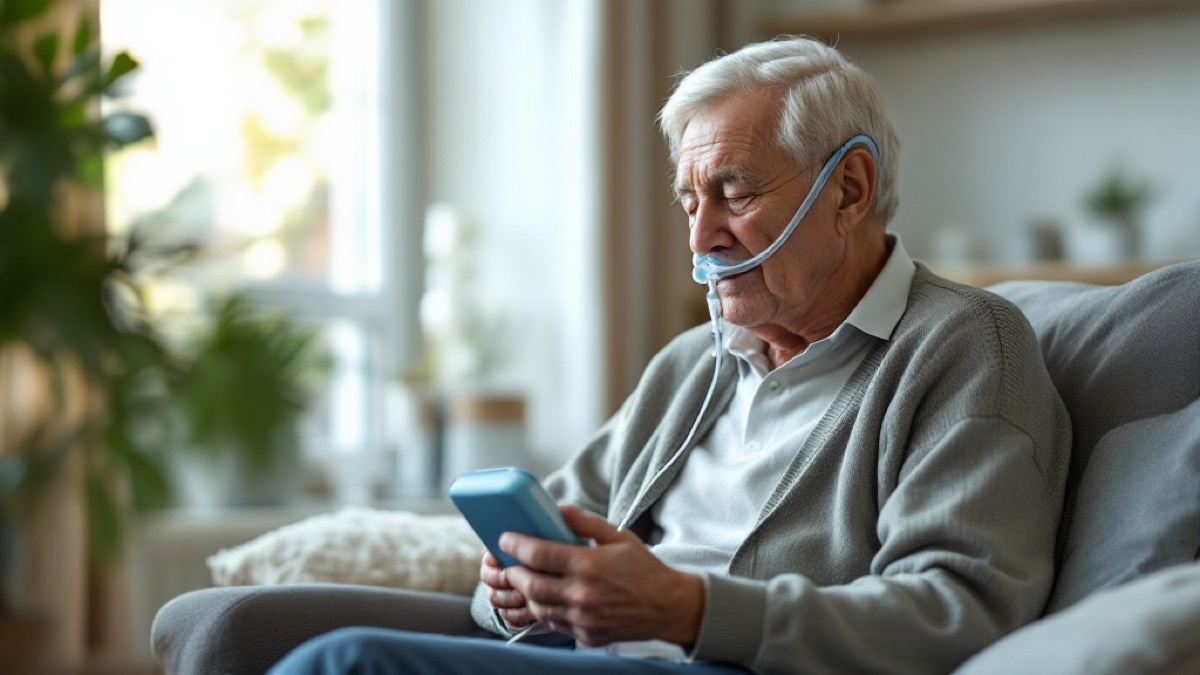
WHO guidelines recommend oxygen therapy for a child with pneumonia when oxygen saturation (SpO2) falls below 90%, and nasal prongs (a nasal cannula) are the first-line delivery device for infants and young children. A hospitalized toddler breathing 44 times a minute with an SpO2 of 90% on room air is usually best served by a nasal cannula at 1 to 2 L/min, with high-flow nasal cannula (HFNC) or bubble CPAP kept for a child who stays hypoxemic at maximum low flow. Pneumonia kills more children under five than any other infectious disease worldwide, and oxygen is the single most critical intervention for children with severe pneumonia-related hypoxemia. The World Health Organization estimates that pneumonia accounts for 14% of all deaths in children under 5, killing approximately 740,000 children annually. In many of these cases, death results not from the infection itself but from the resulting oxygen deprivation. Appropriate oxygen delivery, at the right flow rate, through the right device, guided by pulse oximetry, saves lives.1
Treating hypoxemia in childhood pneumonia comes down to four decisions: the SpO2 threshold for starting oxygen, the device and flow rate that fit the child's age, the signs that call for escalation to HFNC or bubble CPAP, and how to keep oxygen and pulse oximeters available in low-resource hospitals where most children with pneumonia die.
Key Takeaways
- WHO recommends oxygen therapy for children with pneumonia when SpO2 falls below 90%, while British Thoracic Society and US practice often start at 92% depending on clinical context.1
- Nasal prongs at 0.5 to 2 L/min are the preferred delivery method for infants and toddlers with moderate hypoxemia, which makes a nasal cannula the usual answer for a toddler at 90% on room air.2
- Bubble CPAP, usually run at 5 to 8 cmH2O, lowered mortality by about 75% compared with low-flow oxygen in a 2015 randomized trial of children under 5 in Bangladesh (Chisti et al., The Lancet).3
- Pulse oximetry is essential for guiding oxygen therapy in children, yet it is unavailable in many facilities in sub-Saharan Africa and South Asia, according to Graham et al. (2019).4
- Over-oxygenation in preterm neonates (SpO2 above 95%) raises the risk of retinopathy of prematurity (ROP), so neonatal targets sit at 88 to 95%.
- Clinical signs alone (cyanosis, respiratory rate, chest indrawing) missed hypoxemia in 29% of children with pneumonia in a Papua New Guinea study by Laman et al. (2005).5
What is oxygen therapy for pneumonia in children?
Oxygen therapy, also called supplemental oxygen, raises the fraction of inspired oxygen (FiO2) above the 21% in room air so that a child's blood oxygen level returns to a safe range. In pneumonia, an acute lower respiratory infection, the air sacs (alveoli) fill with fluid and inflammatory cells, and less oxygen crosses into the blood. The result is hypoxemia, a low SpO2 on a pulse oximeter.
Oxygen does not treat the infection. Antibiotics do that: the 2014 WHO revision recommends oral amoxicillin for most children with fast breathing or chest indrawing pneumonia, with injectable antibiotics for severe cases.1 Oxygen keeps the brain, heart and other organs supplied while the lungs recover, which is why WHO treats it as an essential medicine for children.
In hospitals, the team giving pediatric oxygen usually includes pediatricians or pediatric hospitalists, nurses, respiratory therapists and, for the sickest children, pediatric intensivists in a pediatric intensive care unit (PICU). The same principles apply to adults, covered in our overview of oxygen therapy for pneumonia in adults and children, and to the wider field described in the oxygen therapy treatment guide.
Which oxygen delivery device is best for a hospitalized toddler with pneumonia?
A nasal cannula is the best oxygen delivery device for a hospitalized toddler with pneumonia who has a respiratory rate of 44 breaths/min and an SpO2 of 90% on room air. A respiratory rate of 44 is above the WHO fast breathing cutoff of 40 for children aged 1 to 5, and an SpO2 of 90% sits at the WHO threshold and below the 92% used by the BTS and in US hospitals.1 That picture is moderate hypoxemia, which low-flow oxygen through nasal prongs at 1 to 2 L/min usually corrects.
Nasal prongs suit toddlers because they deliver enough oxygen at low flow, stay in place during sleep, and let the child eat, drink and be held by a parent. Feeding matters in pneumonia, because inability to drink is itself a WHO danger sign.1
Why not a face mask, oxygen hood or tent?
A face mask needs at least 4 L/min to prevent rebreathing, and young children often pull it off. A head box (oxygen hood) is designed for neonates and small infants who lie still, not for a mobile toddler. An oxygen tent makes it hard to watch the child's breathing and to hold a steady oxygen concentration. A non-rebreather mask delivers far more oxygen than a toddler at 90% needs and is reserved for severe distress or emergencies.
| Device | Usual Setting in Children | Approximate FiO2 | Fit for a Toddler at SpO2 90% |
|---|---|---|---|
| Nasal cannula (nasal prongs) | 1 to 2 L/min for toddlers | 28 to 45% | First choice |
| Face mask | 4 to 8 L/min | 35 to 60% | Short term, if prongs are not tolerated |
| Head box (oxygen hood) | 5 to 10 L/min | 30 to 90% | Built for neonates and small infants |
| High-flow nasal cannula (HFNC) | Up to 2 L/kg/min | Adjustable with a blender | Escalation if SpO2 stays low |
| Bubble CPAP | 5 to 8 cmH2O, 5 to 10 L/min | 21 to 60% | Escalation for severe pneumonia |
Once oxygen starts, the nurse rechecks SpO2, respiratory rate and work of breathing. If SpO2 stays below 90% at the maximum nasal prong flow, or chest indrawing worsens, the next step is HFNC or bubble CPAP, as set out under When to Escalate below.
WHO Classification of Childhood Pneumonia
The WHO classifies childhood pneumonia severity to guide treatment decisions, including when to start oxygen therapy. The 2014 revision groups children by breathing rate, chest indrawing, danger signs and SpO2:1
| Classification | Key Signs | Oxygen Needed? | Setting |
|---|---|---|---|
| Non-severe pneumonia | Fast breathing only (no chest indrawing) | No (unless SpO2 < 90%) | Outpatient |
| Severe pneumonia | Chest indrawing, SpO2 < 90%, inability to drink | Yes | Hospital |
| Very severe pneumonia | Central cyanosis, severe respiratory distress, danger signs | Yes, high-flow or CPAP | Hospital / ICU |
Fast breathing thresholds by age:1
- Under 2 months: 60 breaths per minute or more
- 2-12 months: 50 breaths per minute or more
- 1-5 years: 40 breaths per minute or more
SpO2 Thresholds: When to Start Oxygen
Pulse oximetry is the cornerstone of oxygen therapy decisions in children. WHO recommends starting oxygen when SpO2 drops below 90%. Some national guidelines and clinical contexts use different thresholds:
| Guideline | Start Oxygen At | Target SpO2 |
|---|---|---|
| WHO (low-resource) | SpO2 < 90% | 90-96% |
| BTS (British Thoracic Society) | SpO2 < 92% | 94-98% |
| AAP / US practice | SpO2 < 90-92% | 94-98% |
| Preterm neonates | SpO2 < 88-90% | 88-95% (to prevent ROP) |
Clinical signs alone are unreliable for detecting hypoxemia in children. A study by Laman et al. found that clinical assessment missed hypoxemia in 29% of children with pneumonia who had SpO2 below 90%.5 Cyanosis, the most recognized clinical sign, does not appear until SpO2 drops below approximately 80-85%, and is difficult to detect in children with dark skin.
Pulse oximeters have their own limits. The US Food and Drug Administration (FDA) issued a safety communication in 2021 noting that oximeters can overestimate oxygen saturation in people with darker skin pigmentation, so a borderline reading deserves a recheck and a look at the whole child. Cold hands, movement and a poorly fitted probe also produce false readings.
“Pulse oximetry is not optional in childhood pneumonia management. Clinical signs alone miss nearly one-third of hypoxemic children. Where pulse oximeters are unavailable, mortality from pneumonia is significantly higher.”
Duke et al., 2008, Archives of Disease in Childhood
Oxygen Delivery Devices for Children
Nasal Prongs (Nasal Cannula)
Nasal prongs are the preferred first-line oxygen delivery device for infants and children with moderate hypoxemia. They are simple, allow feeding and interaction, and are well-tolerated by most children.
| Age Group | Flow Rate | Approximate FiO2 |
|---|---|---|
| Neonates | 0.25-0.5 L/min | 25-35% |
| Infants (1-12 months) | 0.5-1 L/min | 25-40% |
| Toddlers (1-3 years) | 1-2 L/min | 28-45% |
| Children (3-12 years) | 1-4 L/min | 28-50% |
Maximum recommended flow rate via nasal prongs in children is 2 L/min for infants and 4 L/min for older children. Higher flows cause nasal irritation, gastric distension, and discomfort without significant FiO2 improvement.2 A wider reference for adult and pediatric settings is in our oxygen flow rate chart.
Head Box (Oxygen Hood)
A head box is a clear plastic enclosure placed over the infant’s head that fills with oxygen-enriched air. It is used primarily for neonates and small infants who do not tolerate nasal prongs.
- Flow rate: 5-10 L/min (to prevent CO2 accumulation)
- FiO2: 30-90% (adjustable, should be measured with an oxygen analyzer)
- Best for: Neonates in NICUs, infants requiring precise FiO2 without nasal interfaces
- Limitations: Infant must remain still, limits access for feeding and procedures
Face Mask
Pediatric face masks are available in various sizes but are generally less well-tolerated than nasal prongs in young children. They are used when higher FiO2 is needed than nasal prongs can provide but CPAP is not indicated.
- Flow rate: 4-8 L/min (minimum 4 L/min to prevent rebreathing)
- FiO2: 35-60%
- Best for: Short-term use, procedural sedation, transition from higher to lower support
Bubble CPAP
Bubble CPAP (continuous positive airway pressure) has been one of the most significant advances in pediatric respiratory care in low-resource settings. The system uses nasal prongs connected to a water seal that creates a constant positive pressure, keeping alveoli open during exhalation.
| Parameter | Typical Setting |
|---|---|
| CPAP pressure | 5-8 cmH2O |
| Flow rate | 5-10 L/min |
| FiO2 | 21-60% (blended oxygen and air) |
| Cost of equipment | $300-500 (improvised systems even less) |
A landmark trial by Chisti et al. (2015) at a hospital in Dhaka, Bangladesh, showed that bubble CPAP reduced mortality by 75% compared to low-flow oxygen alone in children under 5 with severe pneumonia and hypoxemia. The trial was stopped early due to the overwhelming benefit.3
Results depend on the setting. A later trial in district hospitals in Malawi (McCollum et al., 2019, The Lancet Global Health) found no survival benefit from bubble CPAP in wards run mainly by non-physician clinicians, so the evidence supports bubble CPAP most clearly in hospitals with trained staff and close monitoring.
High-Flow Nasal Cannula (HFNC)
HFNC is increasingly used in pediatric settings, delivering heated and humidified oxygen at higher flow rates than standard nasal prongs:
- Neonates: 2-8 L/min
- Infants: 4-15 L/min (approximately 2 L/kg/min)
- Children: Up to 2 L/kg/min (max 50 L/min in adolescents)
HFNC provides some CPAP effect (2-5 cmH2O), washes out nasopharyngeal dead space, and is better tolerated than CPAP by many children. In a randomized trial of infants with bronchiolitis, Franklin et al. (2018, New England Journal of Medicine) found that high-flow oxygen reduced the need to escalate care compared with standard oxygen, although intubation rates did not differ. Evidence for HFNC in childhood pneumonia specifically is thinner and still being studied.6
Hospital vs. Outpatient Management
WHO guidelines recommend hospitalization and oxygen therapy for children with:1
- SpO2 below 90% (or below 92% in some guidelines)
- Severe chest indrawing
- Inability to feed or drink
- Altered consciousness, convulsions, or danger signs
- Age under 2 months with any pneumonia diagnosis
Outpatient management with oral antibiotics is appropriate for non-severe pneumonia in children who can feed, have SpO2 above 92%, and can be reliably followed up within 48-72 hours.
Acute hypoxemia from pneumonia is treated in a hospital or emergency department, not at home. Home oxygen for children is prescribed for chronic conditions, such as bronchopulmonary dysplasia after premature birth, and is managed by a pediatric pulmonologist.
When to Escalate
Escalation from standard oxygen to advanced respiratory support should occur when:
| Sign | Action |
|---|---|
| SpO2 remains < 90% on nasal prongs at max flow | Switch to bubble CPAP or HFNC |
| Increasing respiratory rate despite oxygen | Escalate to CPAP; consider ICU transfer |
| Worsening chest indrawing or grunting | Start CPAP if not already on it |
| Apneic episodes | Immediate escalation; consider intubation |
| Failure to improve on CPAP after 1-2 hours | Intubation and mechanical ventilation |
| Altered consciousness or exhaustion | Intubation regardless of SpO2 |
For the toddler at 44 breaths per minute and 90% on room air, escalation is not the starting point. Nasal prongs come first, and the team moves up this table only if the child fails to respond.
Challenges in Low-Resource Settings
The majority of childhood pneumonia deaths occur in sub-Saharan Africa and South Asia, where oxygen therapy faces significant barriers:4
- Pulse oximetry access: Many district hospitals and health centers lack functional pulse oximeters, making hypoxemia detection unreliable
- Oxygen supply: Cylinder-based oxygen is expensive and supply chains are unreliable. Oxygen concentrators are more sustainable but require reliable electricity
- Trained staff: Many facilities lack health workers trained in pediatric oxygen therapy, proper flow rate selection, and monitoring
- Equipment maintenance: Concentrators, flowmeters, and pulse oximeters require maintenance and calibration that is often unavailable
The whole oxygen system matters, not only the device. In a stepped-wedge trial across Nigerian hospitals, Graham et al. (2019, PLoS Medicine) introduced pulse oximetry, oxygen equipment and staff training together and studied the effect on outcomes for children and newborns.4
Organizations like PATH, WHO, and UNICEF have been working to expand oxygen access through concentrator distribution, solar-powered systems, and the Every Breath Counts coalition.7
Safety Considerations Specific to Children
- Preterm neonates: Keep SpO2 between 88-95% to prevent retinopathy of prematurity (ROP). Avoid targeting SpO2 above 95%.
- Monitoring frequency: Check SpO2 at least every 2-4 hours. Continuous monitoring preferred in severe cases.
- Weaning: Reduce oxygen gradually as clinical condition improves. Wean by 0.5 L/min at a time and recheck SpO2 after 15-30 minutes.
- Nasal obstruction: Young infants are obligate nasal breathers. Clear nasal secretions regularly to maintain oxygen delivery effectiveness.
- Humidification: Always humidify oxygen delivered above 2 L/min to prevent mucosal drying in children.
- Fire safety: Oxygen feeds flames, so keep open flames, candles and smoking away from the bedside. Our oxygen therapy safety precautions cover the details.
Where oxygen therapy clinics fit, and where they do not
Childhood pneumonia with low oxygen is hospital care. Outpatient oxygen therapy clinics, hyperbaric oxygen therapy (HBOT) centers and exercise with oxygen therapy (EWOT) studios do not treat acute pneumonia, and a child with fast breathing or an SpO2 near 90% needs a pediatrician or emergency department, not a wellness appointment.
Families often look further once a child is home and well. Children with ongoing breathing problems, such as asthma, are followed by pediatricians and pediatric pulmonologists, and the asthma treatment guide explains the options, with more on emergency oxygen use in our post on oxygen therapy for asthma. For hyperbaric oxygen, which is FDA cleared only for specific conditions, see hyperbaric chambers for children and the HBOT treatment guide.
Adults managing chronic lung disease, such as COPD, can compare clinics offering oxygen therapy across the US. Regenerated.com is free for patients, and listing order is not paid ranking. Inclusion in the directory is not an endorsement, so check each clinic's credentials and ask what evidence supports the service you are considering.
Bottom Line
Oxygen therapy is a life-saving intervention for childhood pneumonia when delivered appropriately. WHO recommends starting oxygen when SpO2 falls below 90%, and nasal prongs are the first-line device for most children, which is why a toddler breathing 44 times a minute at 90% on room air is usually started on a nasal cannula at 1 to 2 L/min. Bubble CPAP has dramatically reduced mortality in severe cases where trained staff can run it, and HFNC is an emerging alternative. Pulse oximetry should guide all oxygen therapy decisions, as clinical signs alone miss nearly a third of hypoxemic children. The biggest challenge is not knowing how to deliver oxygen therapy but ensuring that the right equipment and training reach the facilities where children are dying.
Frequently asked questions
Which oxygen delivery device is best for a toddler with pneumonia and an SpO2 of 90%?
A nasal cannula, also called nasal prongs, is the best device for a hospitalized toddler with pneumonia, a respiratory rate of 44 breaths per minute and an SpO2 of 90% on room air. At 1 to 2 L/min it corrects moderate hypoxemia, lets the child eat and drink, and is tolerated far better than a face mask or oxygen tent. HFNC or bubble CPAP follow only if SpO2 stays below 90% at maximum flow.
At what oxygen level does a child with pneumonia need oxygen?
WHO guidelines recommend oxygen when a child's SpO2 falls below 90% on room air. The British Thoracic Society and many US hospitals start at 92%, and preterm neonates are kept between 88 and 95% to protect their eyes from retinopathy of prematurity. At altitudes above 2,500 meters, WHO uses a lower threshold of 87%, because healthy children living there have lower baseline readings.
What is a normal oxygen level for a child?
A healthy child at sea level usually has an oxygen saturation of 95% or higher on a pulse oximeter. Readings of 92 to 94% deserve a closer look and a recheck, and readings below 90% in a child with pneumonia meet the WHO threshold for oxygen therapy. Movement, cold fingers and darker skin pigmentation can make a pulse oximeter read inaccurately, so trained staff confirm low numbers.
How long does a child with pneumonia need oxygen therapy?
A child with pneumonia needs oxygen therapy until SpO2 stays at or above the target range on room air and breathing has eased. Clinicians wean gradually, lowering nasal prong flow by about 0.5 L/min at a time and rechecking SpO2 after 15 to 30 minutes. The total time varies with how severe the pneumonia is, how quickly antibiotics work, and whether the child has other lung or heart conditions.
Is high-flow nasal cannula better than standard oxygen for children?
High-flow nasal cannula (HFNC) is not the first choice for most children with pneumonia; it is an escalation step for children who stay hypoxemic on standard nasal prongs. In infants with bronchiolitis, Franklin et al. (2018) found HFNC reduced the need to escalate care, although intubation rates did not differ. Evidence for HFNC in childhood pneumonia is thinner, and bubble CPAP has the strongest trial data in low-resource hospitals.
Can a child with pneumonia get oxygen therapy at home or at a clinic?
Acute pneumonia with low oxygen needs hospital care, where SpO2 is monitored and treatment can be escalated quickly. Home oxygen for children is prescribed for chronic conditions, such as lung disease after premature birth, under a pediatric pulmonologist. Outpatient oxygen and hyperbaric oxygen clinics serve different purposes and are not a substitute for hospital treatment of childhood pneumonia.
Sources
- World Health Organization. “Revised WHO classification and treatment of childhood pneumonia at health facilities: evidence summaries.” Geneva: WHO; 2014. WHO Publication
- Duke T. “CPAP: a guide for clinicians in developing countries.” Paediatrics and International Child Health, 2014;34(1):3-11. DOI: 10.1179/2046905513Y.0000000102
- Chisti MJ, Salam MA, Smith JH, et al. “Bubble continuous positive airway pressure for children with severe pneumonia and hypoxaemia in Bangladesh: an open, randomised controlled trial.” The Lancet, 2015;386(9998):1057-1065. DOI: 10.1016/S0140-6736(15)00249-5
- Graham H, Bakare AA, Ayede AI, et al. “Oxygen systems to improve clinical care and outcomes for children and neonates: a stepped-wedge cluster-randomised trial in Nigerian hospitals.” PLoS Medicine, 2019;16(11):e1002951. DOI: 10.1371/journal.pmed.1002951
- Laman M, Ripa P, Vince J, Tefuarani N. “Can clinical signs predict hypoxemia in Papua New Guinean children with moderate and severe pneumonia?” Annals of Tropical Paediatrics, 2005;25(1):23-27. DOI: 10.1179/146532805X23308
- Franklin D, Babl FE, Schlapbach LJ, et al. “A randomized trial of high-flow oxygen therapy in infants with bronchiolitis.” New England Journal of Medicine, 2018;378(12):1121-1131. DOI: 10.1056/NEJMoa1714855
- Every Breath Counts Coalition. “Oxygen is essential: a call to action.” The Lancet Respiratory Medicine, 2019;7(3):e15-e16. DOI: 10.1016/S2213-2600(18)30515-2