Urolithin A: What the Research Actually Shows
Urolithin A: What the Research Actually Shows
The short answer: Urolithin A is a gut-microbiome metabolite that triggers mitophagy, the cellular cleanup of damaged mitochondria. Unlike most longevity supplements, it has real randomized human trials behind it. Those trials show modest gains in muscle strength, endurance, and mitochondrial biomarkers in middle-aged and older adults. It is well tolerated.
Next step: Browse vetted clinics in the Directory when you want clinic-side regenerative options alongside Urolithin A research.
Key Takeaways
- What it is: A metabolite your gut bacteria make from ellagitannins in pomegranate, walnuts, and some berries. Only 30 to 40 percent of people carry the microbes to produce meaningful amounts, which is why supplements exist.
- How it works: It activates mitophagy, the recycling of worn-out mitochondria, which tends to decline with age.
- What the trials show: Improved muscle strength (around 10 to 12 percent), better endurance, and improved mitochondrial biomarkers at 500 to 1,000 mg daily over 4 months.
- Evidence grade: Promising. This is rare for the anti-aging category. Multiple randomized, placebo-controlled human trials exist, not just cell and mouse data.
- Verdict: One of the better-evidenced longevity supplements for muscle and mitochondrial function. Lifespan and disease-prevention claims remain unproven.
What is urolithin A?
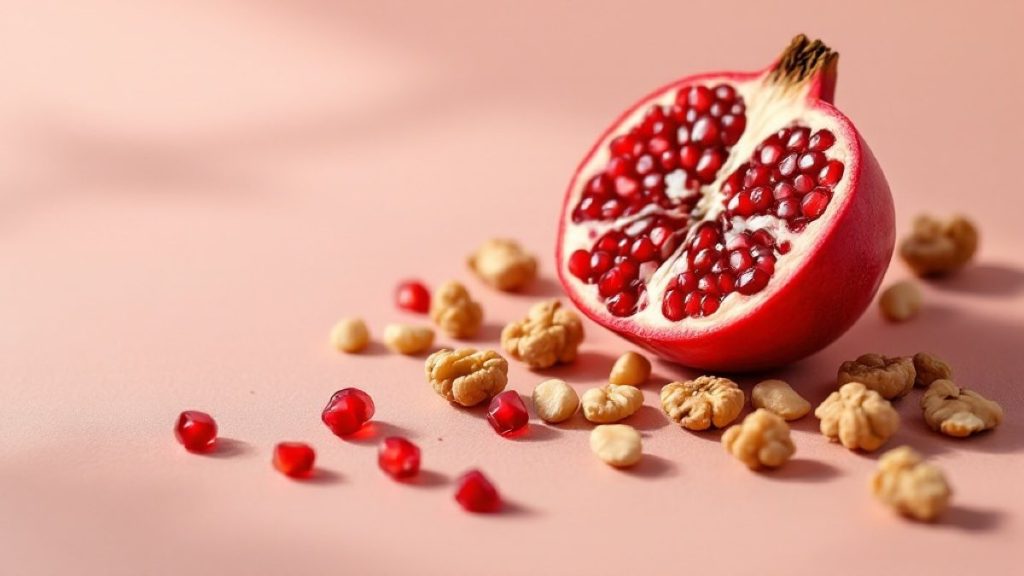
Urolithin A is not something you eat directly. It is a postbiotic, meaning your gut bacteria produce it. When you eat foods rich in ellagitannins and ellagic acid, such as pomegranates, walnuts, raspberries, and strawberries, resident microbes convert those compounds into urolithin A in the lower intestine [1].
Here is the catch. Not everyone’s microbiome can perform this conversion. Studies estimate that only about 30 to 40 percent of people produce urolithin A in meaningful amounts from diet alone [1]. The rest are effectively non-producers regardless of how much pomegranate they eat. This variability is the entire reason a direct supplement exists. Branded urolithin A, sold as Mitopure by Amazentis and in other formulations, delivers the finished metabolite so the result no longer depends on your gut flora.
How does urolithin A work in the body?
The core mechanism is mitophagy. Mitochondria are the energy plants inside your cells, and over time some become damaged and inefficient. Mitophagy is the quality-control process that identifies and clears those failing mitochondria so the cell can build fresh ones. This housekeeping slows with age, and the buildup of dysfunctional mitochondria is linked to the loss of muscle strength and stamina seen in older adults [2].
In preclinical work, urolithin A restored mitophagy and improved muscle function in aged mice and in the worm model C. elegans, where it also extended lifespan [2]. Those animal findings drove the human trials. The important distinction is that a lifespan effect in a worm is not evidence of a lifespan effect in people, a gap this article keeps in view.
What do the human trials show?
This is where urolithin A stands apart from most of the longevity shelf. It has been tested in several randomized, double-blind, placebo-controlled trials, the gold standard for supplement research.
The first-in-human trial, published in Nature Metabolism in June 2019, gave sedentary older adults single and repeated doses over 4 weeks. It established a favorable safety profile and showed that urolithin A shifted plasma acylcarnitines and skeletal-muscle mitochondrial gene expression toward a healthier signature at 500 mg and 1,000 mg [3].
A trial published in JAMA Network Open on January 20, 2022 studied 66 sedentary adults aged 65 to 90 taking 1,000 mg daily or placebo for 4 months. Muscle endurance improved significantly in the hand and leg muscles versus placebo, and several plasma mitochondrial biomarkers improved [4].
A trial in Cell Reports Medicine, published May 17, 2022, followed 88 middle-aged adults aged 40 to 64 at 500 mg, 1,000 mg, or placebo for 4 months. Muscle strength rose roughly 10 to 12 percent, with clinically meaningful gains in aerobic endurance and the 6-minute walk test [5].
More recently, a trial in Nature Aging (2025) tested urolithin A against age-related immune decline, extending the evidence base beyond muscle into immune function [6].
| Trial (year) | Population | Dose and duration | Main finding |
|---|---|---|---|
| Nature Metabolism (2019) | Sedentary older adults | 500 to 1,000 mg, 4 weeks | Safe; improved mitochondrial gene and acylcarnitine signatures [3] |
| JAMA Network Open (2022) | Adults 65 to 90 | 1,000 mg, 4 months | Improved muscle endurance and mito biomarkers [4] |
| Cell Reports Medicine (2022) | Adults 40 to 64 | 500 to 1,000 mg, 4 months | Muscle strength up ~10 to 12 percent; better endurance [5] |
| Nature Aging (2025) | Older adults | Daily, months | Signals of improved age-related immune function [6] |
What dose was used, and is it safe?
The trials clustered on two doses: 500 mg and 1,000 mg per day, taken orally, for durations of 4 weeks to 4 months. Both doses moved the needle on mitochondrial biomarkers, and the muscle-function benefits appeared across this range rather than only at the top dose [4][5].
On safety, urolithin A has been well tolerated across every published trial. The 2019 first-in-human study set safety as its primary outcome and found a favorable profile with no serious treatment-related adverse events [3]. Branded urolithin A has also received self-affirmed GRAS (Generally Recognized As Safe) status in the United States for use in foods and supplements. That said, all published trials are short, running months rather than years, so long-term safety data in humans is still limited.
What has not been shown yet?
Honesty matters here, because the marketing around this molecule often runs ahead of the data. What the human trials support is narrow and specific: better muscle strength, better muscle endurance, and improved mitochondrial biomarkers in middle-aged and older adults.
What the trials do not show is just as important. There is no human evidence that urolithin A extends lifespan, prevents age-related disease, treats any medical condition, or reverses aging in any broad sense. The lifespan extension was observed in a worm, not in people [2]. The biomarker improvements are encouraging proxies, but a biomarker moving in the right direction is not the same as living longer or healthier for longer. Treat urolithin A as a promising muscle-and-mitochondria intervention, not a fountain of youth.
Frequently asked questions
Can I get enough urolithin A from food?
Possibly, but only if your gut microbiome can make it. Roughly 30 to 40 percent of people convert ellagitannins from pomegranate and walnuts into urolithin A efficiently. If you are a non-producer, eating more of these foods will not raise your levels much, which is the rationale behind taking the finished metabolite directly [1].
How long until urolithin A works?
In the published trials, mitochondrial biomarkers shifted within 4 weeks, while measurable gains in muscle strength and endurance were assessed over 2 to 4 months of daily use [3][4][5]. This is not an acute, same-day supplement. The benefits accumulate with consistent daily intake over months, in line with how mitophagy operates.
Is urolithin A the same as Mitopure?
Mitopure is a branded, purified form of urolithin A made by Amazentis, and it is the exact product used in most of the published human trials [4][5]. Generic urolithin A supplements contain the same molecule, but they were not necessarily the material tested in those studies, so purity and dosing can vary between brands.
Who should not take urolithin A?
The trials enrolled generally healthy middle-aged and older adults, so evidence is thin for other groups. People who are pregnant or breastfeeding, those under 18, and anyone with a serious medical condition or on prescription medication should talk to a clinician first. Long-term safety beyond a few months has not been established in humans [3].
Bottom Line
Evidence grade: Promising. Urolithin A is one of the few supplements in the anti-aging category backed by multiple randomized, placebo-controlled human trials rather than cell and animal data alone. For middle-aged and older adults looking to support muscle strength, endurance, and mitochondrial function, the 500 to 1,000 mg daily dose used in trials is a reasonable, well-tolerated option. It is a weaker fit for younger, already-athletic people, where benefits are less established, and it is not a treatment for any disease. The main limitations are short trial durations, modest effect sizes, and the absence of any human data on lifespan or disease outcomes.
This article is for educational purposes only and is not medical advice. Supplements can interact with medications and health conditions. Talk with a qualified healthcare professional before starting urolithin A or any new supplement, especially if you are pregnant, breastfeeding, taking prescription medication, or managing a chronic condition.
References
- Tomás-Barberán FA, et al. Urolithins, the rescue of “old” metabolites to understand a “new” concept. Molecular Nutrition & Food Research. https://pmc.ncbi.nlm.nih.gov/articles/PMC5813288/
- Ryu D, et al. Urolithin A induces mitophagy and prolongs lifespan in C. elegans and increases muscle function in rodents. Nature Medicine, 2016. https://pubmed.ncbi.nlm.nih.gov/27400265/
- Andreux PA, et al. The mitophagy activator urolithin A is safe and induces a molecular signature of improved mitochondrial and cellular health in humans. Nature Metabolism, 2019. https://www.nature.com/articles/s42255-019-0073-4
- Liu S, et al. Effect of urolithin A supplementation on muscle endurance and mitochondrial health in older adults: a randomized clinical trial. JAMA Network Open, January 20, 2022. https://pmc.ncbi.nlm.nih.gov/articles/PMC8777576/
- Singh A, et al. Urolithin A improves muscle strength, exercise performance, and biomarkers of mitochondrial health in a randomized trial in middle-aged adults. Cell Reports Medicine, May 17, 2022. https://pmc.ncbi.nlm.nih.gov/articles/PMC9133463/
- Effect of the mitophagy inducer urolithin A on age-related immune decline: a randomized, placebo-controlled trial. Nature Aging, 2025. https://www.nature.com/articles/s43587-025-00996-x


One Comment