Fisetin: The Senolytic Flavonoid, and What the Evidence Says
Fisetin: The Senolytic Flavonoid, and What the Evidence Says
The short answer: Fisetin is a plant flavonoid found in strawberries, apples, and onions. In aged mice it clears senescent “zombie” cells and extends healthspan and lifespan, which is why it draws attention. Human evidence is still early. Trials are running, results are limited, and the best dose is unknown.
Next step: Use the Directory to browse vetted clinics while you research senolytic options like fisetin.
Key Takeaways
- Fisetin is a dietary flavonoid with antioxidant and anti-inflammatory activity, concentrated in strawberries.
- The hype comes from strong mouse data: fisetin acts as a senolytic, clearing senescent cells and extending median and maximum lifespan in aged mice [2].
- Human trials (Mayo Clinic AFFIRM program) are testing frailty and inflammation endpoints, but published results are still pending [4][5].
- Two dosing camps circulate online: high-dose “hit-and-run” intermittent protocols and low-dose daily supplements. Neither is validated for humans.
- Evidence grade: Early. Mechanistic plus strong animal data, thin human data. Verdict: biologically promising, not yet proven in people.
What is fisetin?
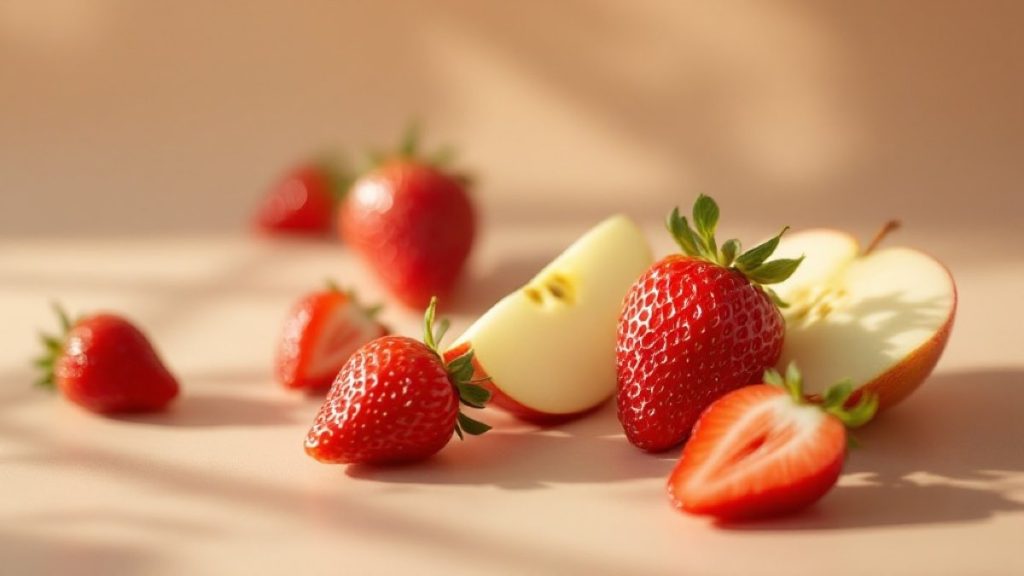
Fisetin is a flavonol, a subclass of plant flavonoids. It gives some fruits and vegetables their color and acts as a natural antioxidant. Dietary sources include strawberries (the richest common source), apples, persimmons, grapes, onions, and cucumbers. Typical daily intake from food is small, in the low milligram range, far below the doses used in laboratory studies.
Chemically, fisetin is closely related to quercetin, another flavonol studied for senolytic activity. For decades fisetin was studied mainly as a general antioxidant and anti-inflammatory compound, with signals in neuroprotection and metabolic health from cell and animal work [1][6]. Its current fame rests on something newer: its behavior as a senolytic.
Why is fisetin getting so much attention?
Answer first: because a 2018 mouse study found fisetin was the most potent senolytic among a panel of flavonoids, and giving it to already-aged mice extended their healthspan and lifespan [2].
Senescent cells are cells that have stopped dividing but refuse to die. They accumulate with age and secrete a mix of inflammatory signals known as the senescence-associated secretory phenotype, or SASP. This low-grade inflammation is linked to many age-related conditions. A senolytic is a compound that selectively kills these cells. Earlier work identified fisetin among agents that target senescent cells [3], and the 2018 study went further by showing whole-animal benefits: reduced senescence markers across tissues, lower inflammation, and longer life even when treatment started late [2].
That combination, a cheap dietary molecule with a clear mechanism and dramatic animal results, is what fuels the interest.
What does the human evidence actually show?
Answer first: very little so far. The human story is mostly ongoing trials, not finished results.
The Mayo Clinic has run the AFFIRM program, short for Alleviation by Fisetin of Frailty, Inflammation, and Related Measures. These trials test intermittent fisetin in older adults and look at frailty, physical function, and inflammatory markers rather than lifespan [4][5]. As of July 24, 2026, this early-phase work has not produced large, published, peer-reviewed efficacy results that confirm the mouse findings translate to people.
Fisetin is also being explored in neurodegeneration, where preclinical data are encouraging but clinical application remains early [6]. The honest summary: the mechanism is plausible, the animal data are strong, and the human data are thin and still coming in.
| Evidence type | What it shows | Strength |
|---|---|---|
| Mechanistic / cell studies | Selective killing of senescent cells, antioxidant and anti-inflammatory effects [1][3] | Strong |
| Animal (aged mice) | Reduced senescence markers, extended healthspan and lifespan [2] | Strong |
| Human trials | Frailty and inflammation endpoints under study; results limited or pending [4][5] | Early / thin |
| Long-term human safety | Not established at high supplement doses | Unknown |
What is the difference between hit-and-run dosing and daily supplements?
Answer first: they are two very different strategies, and neither has a proven human dose.
The “hit-and-run” approach mirrors the animal trials. Senolytics are often given in short, high-dose bursts on the theory that you only need to knock out senescent cells periodically, then stop, letting the body clear the debris. Protocols circulating online typically cite around 20 mg/kg per day for two consecutive days, repeated every few weeks or months. For a 70 kg adult that is roughly 1,400 mg per day, a large dose taken briefly.
The low-dose daily approach instead uses smaller amounts, often 100 to 500 mg, taken continuously like a routine supplement. This is closer to how many flavonoid supplements are marketed, but it does not match the intermittent, high-exposure design that produced the mouse benefits.
The key point: the optimal human dose, schedule, and even whether either strategy works in people are unknown. Online protocols are extrapolated from animals and self-experimenters, not established by clinical outcomes.
What about bioavailability and safety?
Answer first: fisetin is poorly absorbed and cleared quickly, and while short-term use looks reasonably tolerated, long-term high-dose safety is not established.
Fisetin has low oral bioavailability. It is not very water soluble, is metabolized rapidly, and reaches only modest blood levels after ingestion. This is a central reason high doses are used in research and why some supplements add absorption enhancers or use liposomal or nano-formulations to try to raise uptake. How well these formulations improve real-world outcomes in humans is not yet clear.
On safety, fisetin has a long history as a food component and short-term study doses have generally been tolerated. But supplement-level doses far exceed dietary intake, long-term data are missing, and flavonoids can interact with drug-metabolizing enzymes and blood thinners. Anyone on medication, pregnant, or managing a health condition should treat high-dose fisetin as an experimental compound and talk to a clinician first.
How does fisetin compare to other senolytics?
Fisetin sits alongside a small group of compounds studied for clearing senescent cells. The most cited pharmaceutical pairing is dasatinib and quercetin, a prescription drug plus a flavonoid combination tested in early human senolytic trials. Fisetin is attractive because it is a single, food-derived molecule with a strong animal signal, but it shares the field’s core limitation: human proof is still forming. For the wider landscape, see our guides on senolytics and anti-aging supplements linked below.
Frequently asked questions
Can I get enough fisetin from food to clear senescent cells?
No. Strawberries are the richest common source, but even a large serving delivers only a few milligrams. The senolytic effects seen in animals used doses hundreds of times higher than any realistic diet. Eating fisetin-rich foods is healthy, but it will not replicate the doses used in research or in online protocols.
Is fisetin proven to extend human lifespan?
No. The lifespan and healthspan extension was shown in aged mice, not humans [2]. Human trials so far focus on frailty and inflammation markers, and their results are limited or still pending [4][5]. As of July 24, 2026 there is no clinical evidence that fisetin extends human lifespan.
What dose of fisetin do people take?
It varies and none is validated. High-dose “hit-and-run” users cite around 20 mg/kg for two days, repeated periodically, mimicking animal studies. Daily-supplement users take 100 to 500 mg. The optimal human dose and schedule are unknown, so any figure online is an estimate, not an evidence-based recommendation.
Is fisetin safe to take as a supplement?
Short-term use at study doses appears reasonably tolerated, but long-term high-dose safety is not established. Fisetin can interact with drug-metabolizing enzymes and blood thinners, and supplement doses far exceed dietary intake. If you take medication, are pregnant, or have a health condition, consult a clinician before using high-dose fisetin.
Bottom Line
Evidence grade: Early. Fisetin has a plausible mechanism, strong data in aged mice showing senolytic activity and extended lifespan, and thin, still-developing human evidence. It may appeal to healthy adults who understand they are experimenting with an unproven longevity compound. It is not appropriate as a treatment, and it is a poor fit for anyone on medication, pregnant, or expecting proven benefits. Main limitations: poor bioavailability, unknown optimal human dose, and no long-term human safety or efficacy data. Promising biology, unproven in people.
Related reading
References
- Khan N, Syed DN, Ahmad N, Mukhtar H. Fisetin: a dietary antioxidant for health promotion. Antioxid Redox Signal. 2013. PMID 23121441
- Yousefzadeh MJ, et al. Fisetin is a senotherapeutic that extends health and lifespan. EBioMedicine. 2018. DOI 10.1016/j.ebiom.2018.09.015 (PMID 30279143)
- Zhu Y, et al. New agents that target senescent cells: the flavone, fisetin, and the BCL-XL inhibitors A1331852 and A1155463. Aging (Albany NY). 2017. PMID 28273655
- Mayo Clinic. Alleviation by Fisetin of Frailty, Inflammation, and Related Measures in Older Women (AFFIRM). ClinicalTrials.gov. NCT03430037
- Mayo Clinic. Alleviation by Fisetin of Frailty, Inflammation, and Related Measures in Older Adults. ClinicalTrials.gov. NCT03675724
- Fisetin and Neurodegeneration: From Preclinical Studies to Potential Clinical Applications. 2026. PMID 42227472
Medical disclaimer: This article is for general educational purposes only and is not medical advice. Fisetin is not an approved treatment for any condition. Do not start, stop, or change any supplement or medication based on this content. Consult a qualified healthcare professional before using high-dose fisetin, especially if you take medication, are pregnant or breastfeeding, or have a medical condition.

One Comment