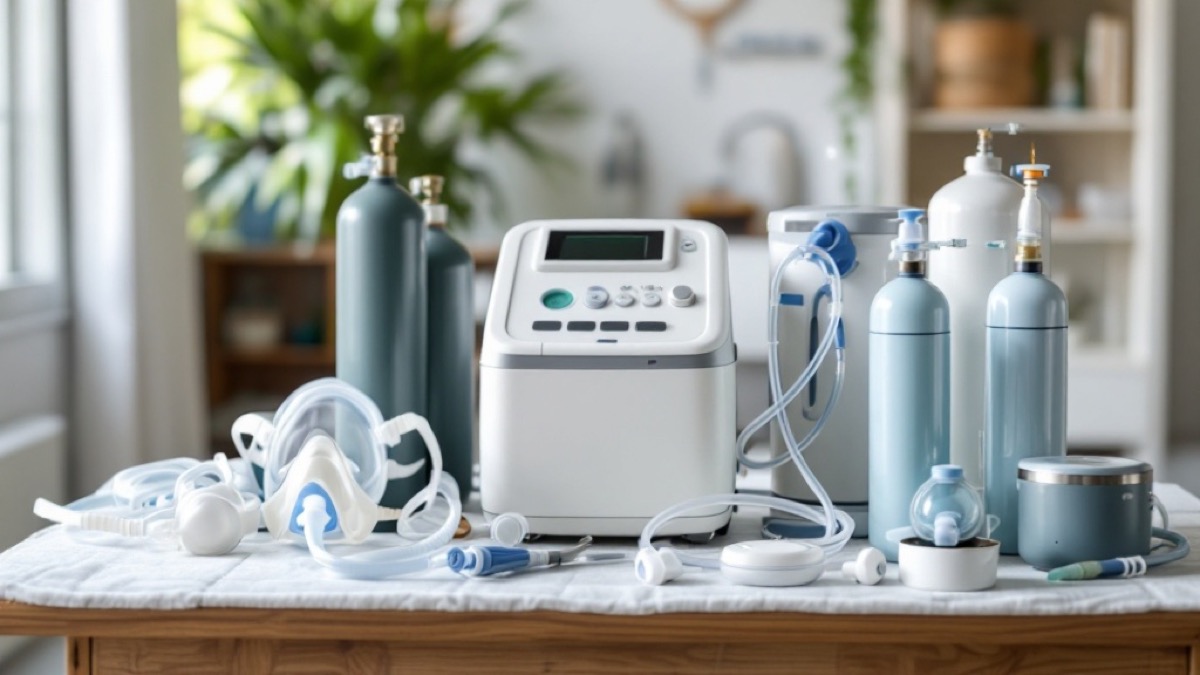
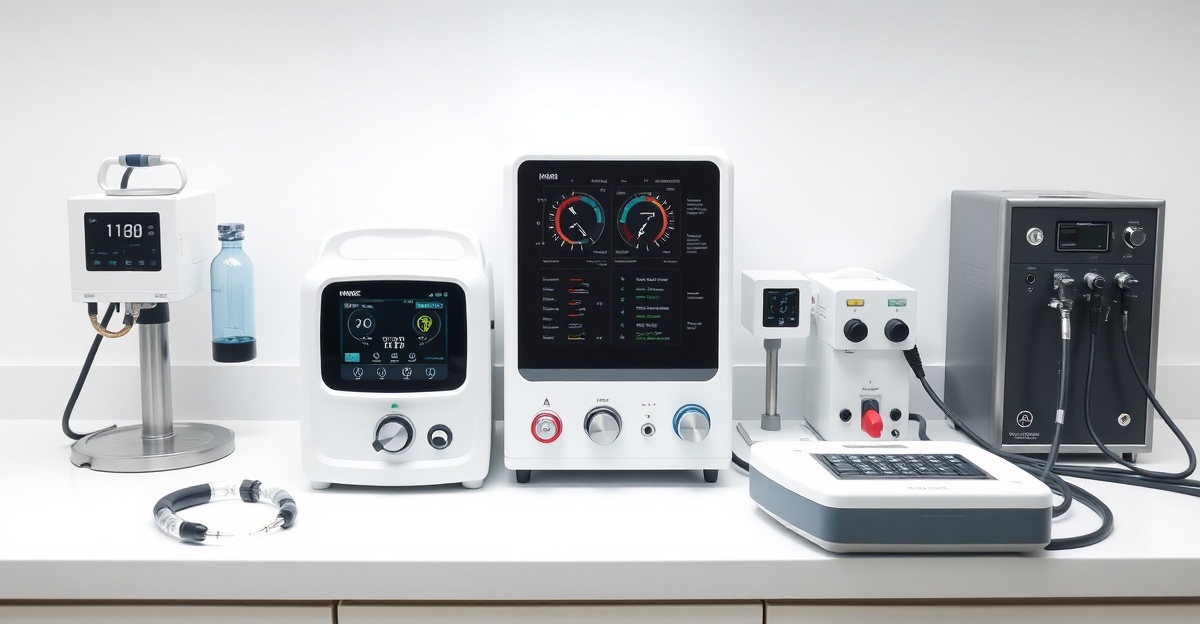
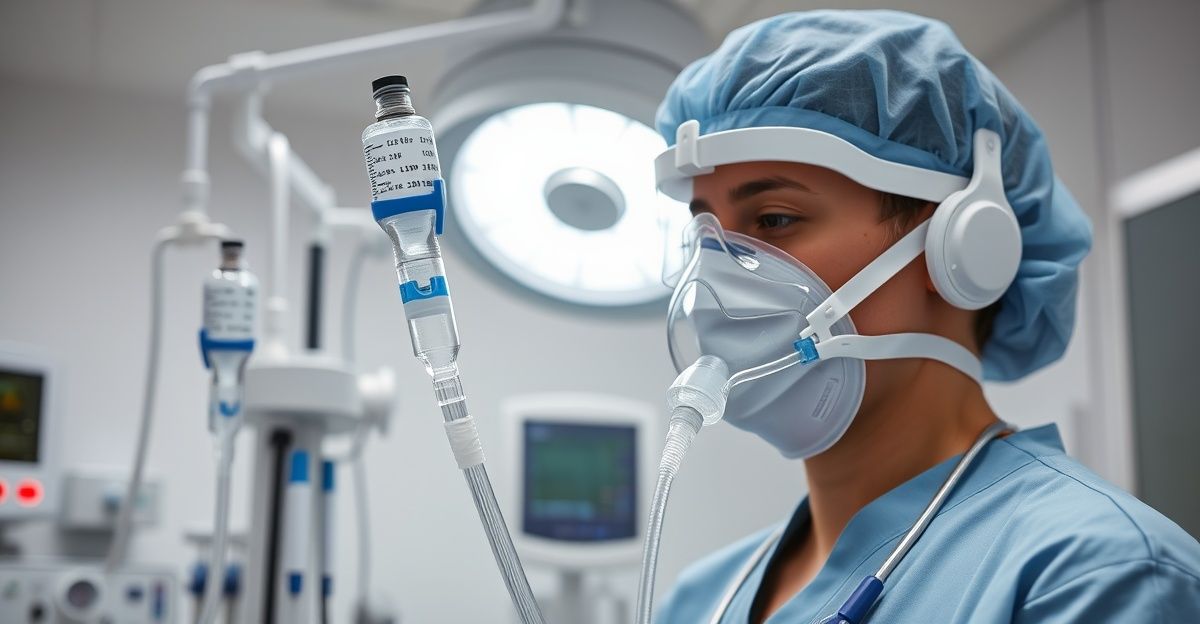
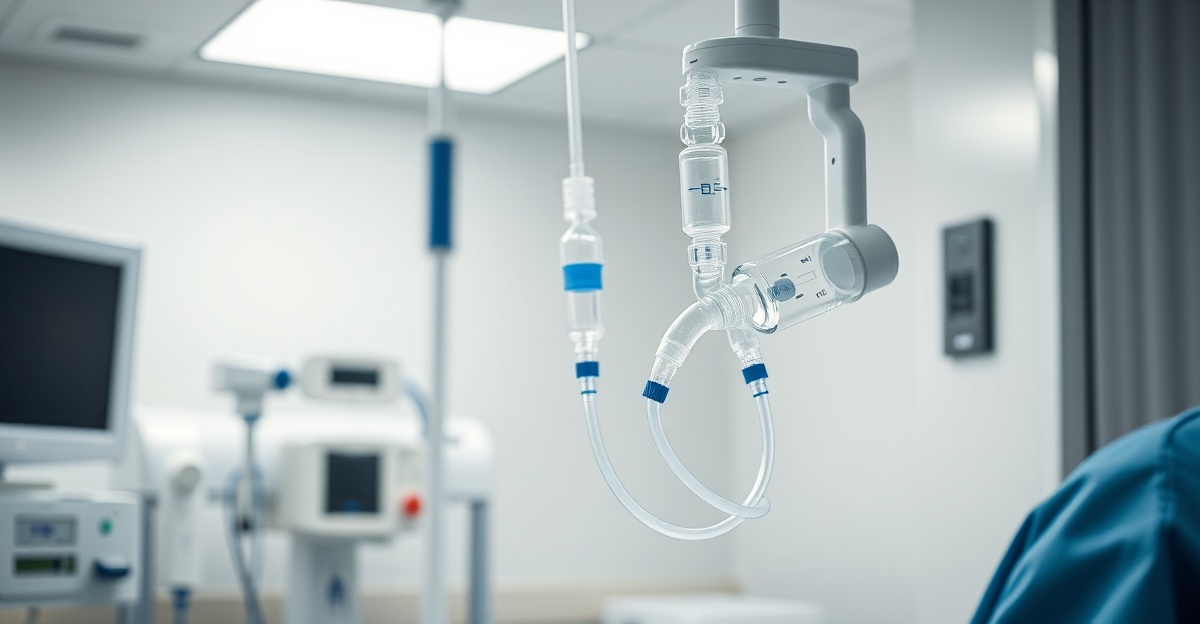
Oxygen therapy equipment is the concentrators, cylinders, liquid oxygen systems, cannulas, masks and pulse oximeters that supply and monitor supplemental oxygen. Medicare Part B covers it as prescription DME when resting SpO2 is 88% or lower.
Most adults who need oxygen for pneumonia stay on it for a few days to about a week, and those sent home on oxygen usually wean off within 2 to 6 weeks. Oxygen starts when SpO2 falls below 94 percent.
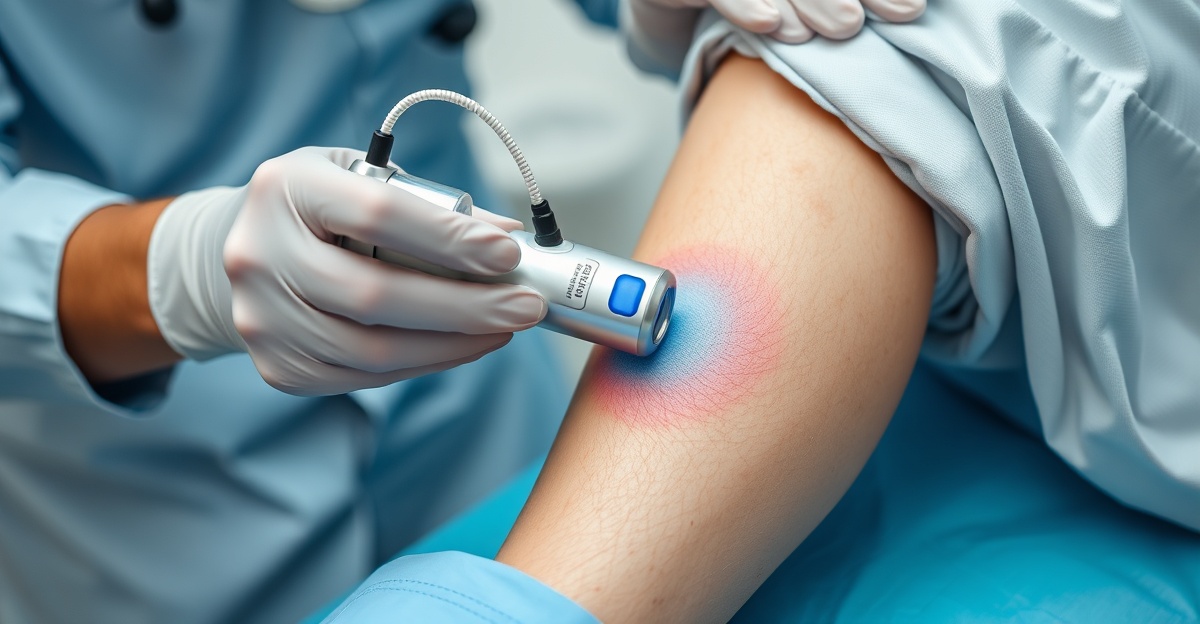
Oxygen wound therapy at home uses a small prescription device, usually rented monthly, to deliver oxygen straight onto a chronic wound. In a double-blinded trial, 41.7% of diabetic foot ulcers closed at 12 weeks vs 13.5% with sham treatment.
Topical oxygen wound therapy delivers pure oxygen straight to a chronic wound through a portable device, without a pressurized chamber. In the TWO2 trial, 41.7% of diabetic foot ulcers closed with active treatment vs 13.5% with sham.
Oxygen therapy for dogs is supplemental oxygen a veterinarian gives when a dog cannot keep its blood oxygen normal, most often for respiratory distress, heart failure, pneumonia, chest trauma or recovery from anesthesia.
Oxygen bars deliver 90 to 95% oxygen through a nasal cannula for 10 to 20 minutes, but a 2011 randomized study found no effect on energy, relaxation or stress in healthy adults.
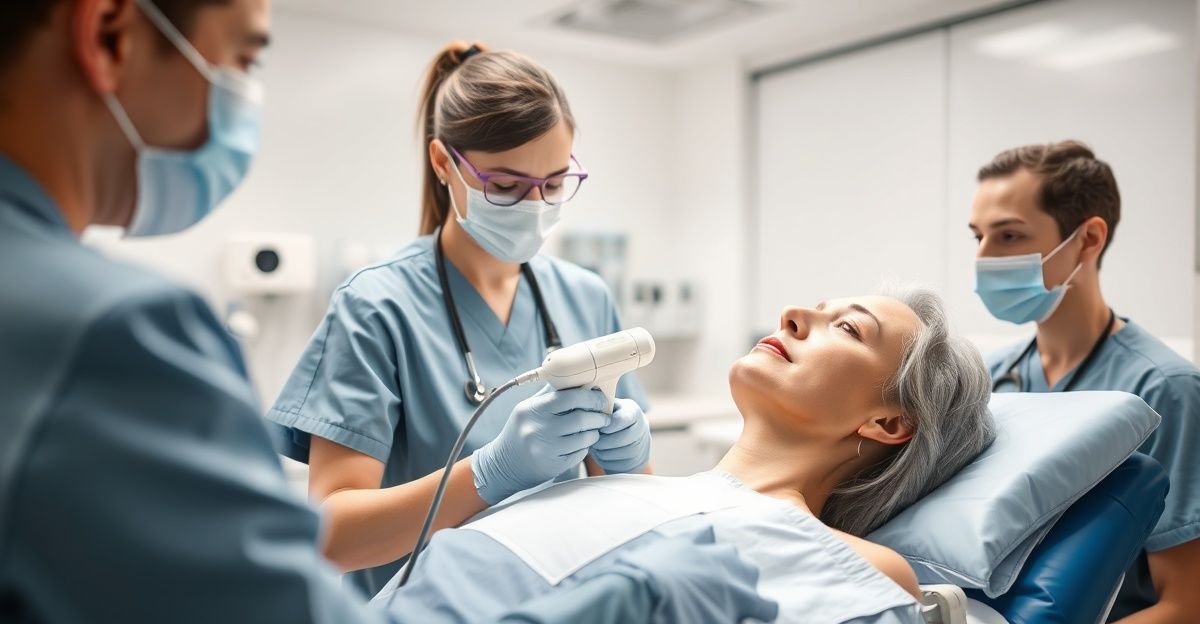
An oxygen facial sprays pressurized oxygen and hyaluronic acid serum onto the skin for hydration that lasts one to three days. It is not a collagen induction or anti-aging treatment, and the evidence behind it is thin.