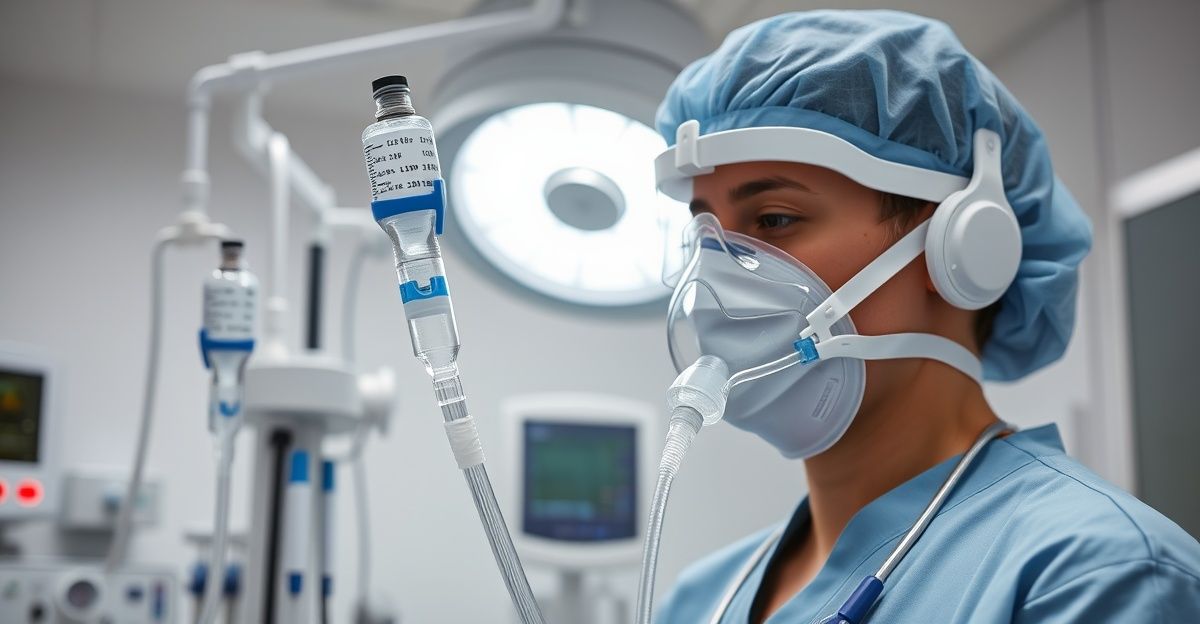
Oxygen therapy for dogs is supplemental oxygen a veterinarian gives when a dog cannot keep its blood oxygen normal, most often for respiratory distress, heart failure, pneumonia, chest trauma or recovery from anesthesia.
Oxygen bars deliver 90 to 95% oxygen through a nasal cannula for 10 to 20 minutes, but a 2011 randomized study found no effect on energy, relaxation or stress in healthy adults.
An oxygen facial sprays pressurized oxygen and hyaluronic acid serum onto the skin for hydration that lasts one to three days. It is not a collagen induction or anti-aging treatment, and the evidence behind it is thin.
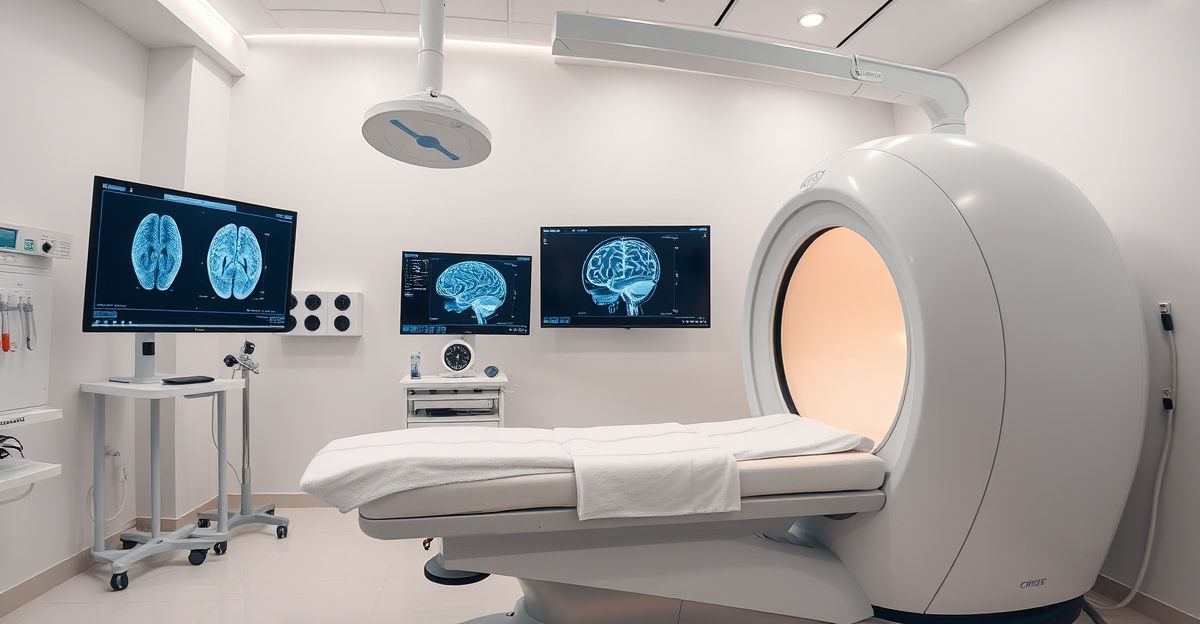
Plastic surgeons use hyperbaric oxygen therapy after facelifts, rhinoplasty and body contouring to support healing and rescue compromised flaps. In a small 2023 study, facelift patients on HBOT healed in 13.3 days versus 36.9 days.
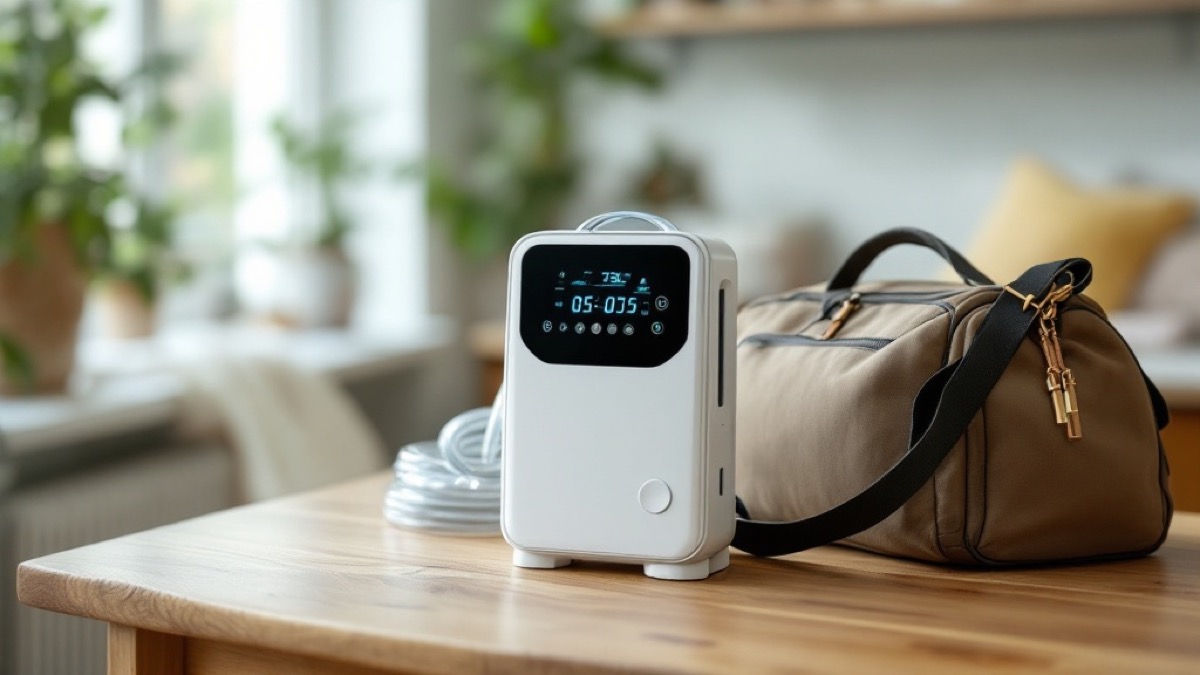
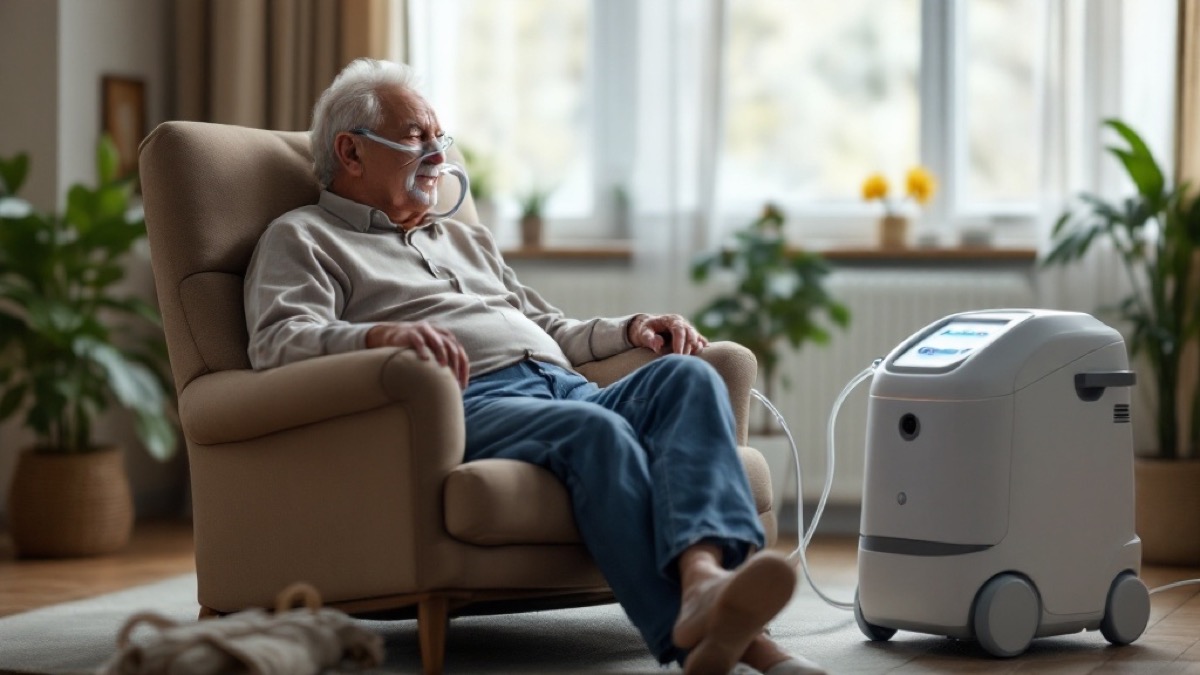
A standard nasal cannula tops out at 6 liters per minute, and portable oxygen therapy works inside that limit. Compare POC types, pulse dose vs continuous flow, cost, FAA travel rules and Medicare coverage.
Hyperbaric oxygen therapy (HBOT) for stroke has its best evidence in chronic recovery, where a 2013 randomized trial found gains after 40 sessions at 2.0 ATA. Routine oxygen after acute stroke did not help in the 8,003-patient SO2S trial.
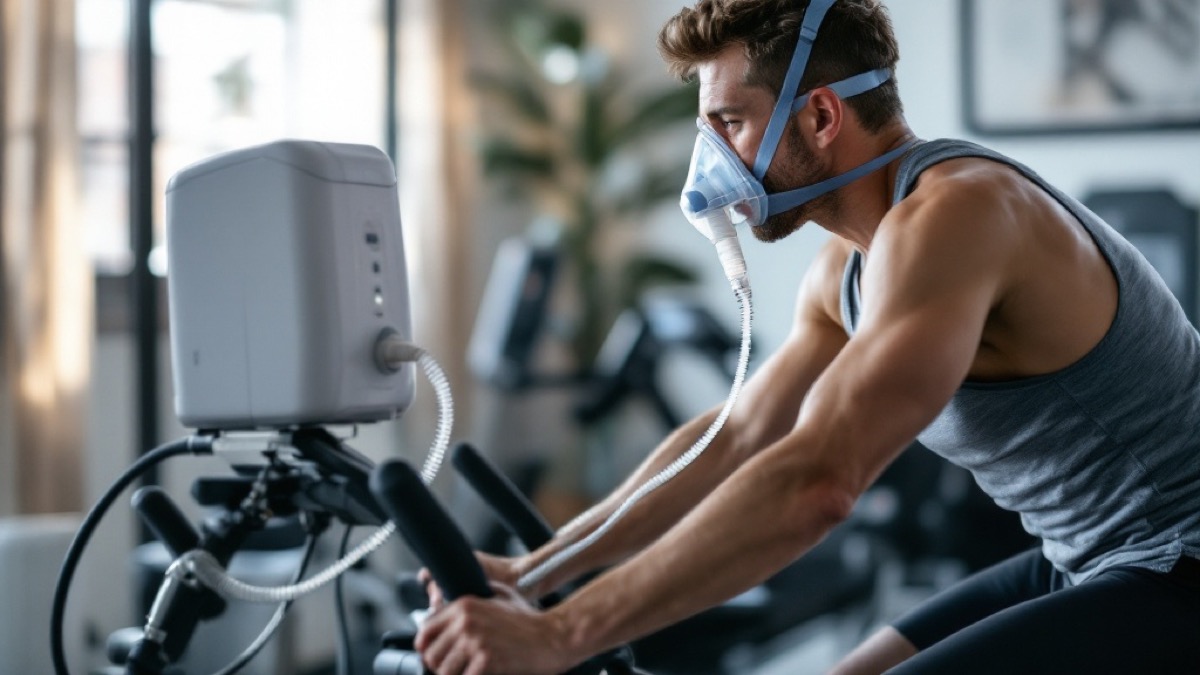
You can do exercise with oxygen therapy (EWOT) at home with a concentrator, a reservoir bag, a mask and a bike, in 15 minute sessions. A complete system typically costs $1,500 to $4,000.
Oxygen therapy for pulmonary fibrosis is prescribed when blood oxygen saturation falls to 88% or lower at rest, with exercise or during sleep. It eases breathlessness and helps people stay active, but it does not slow the scarring itself.