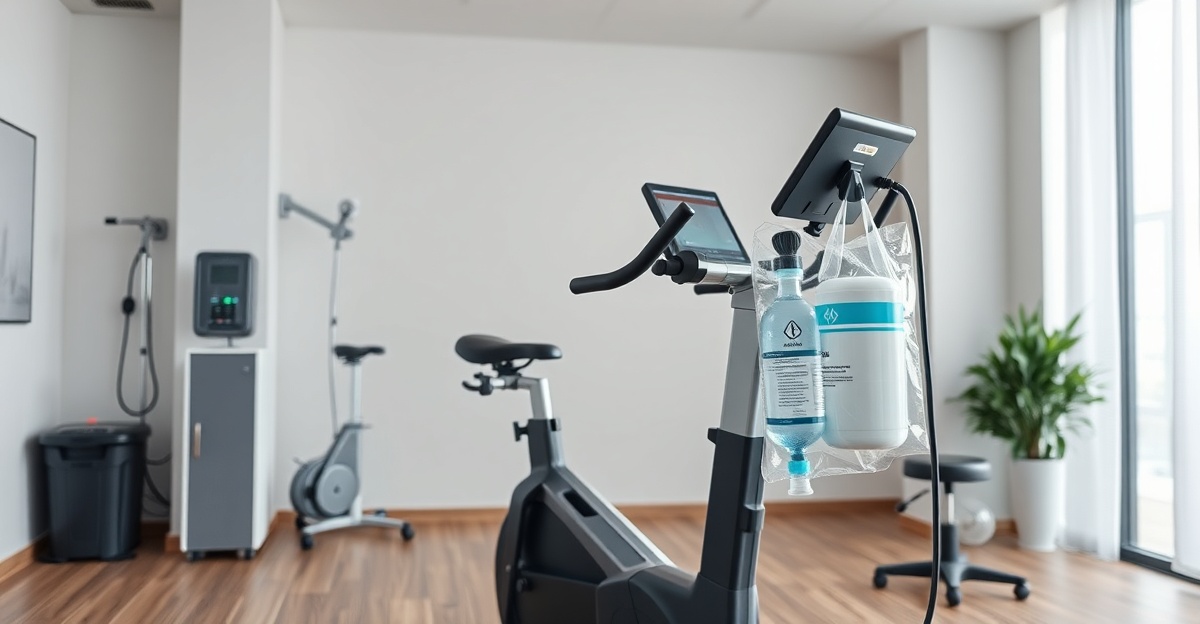
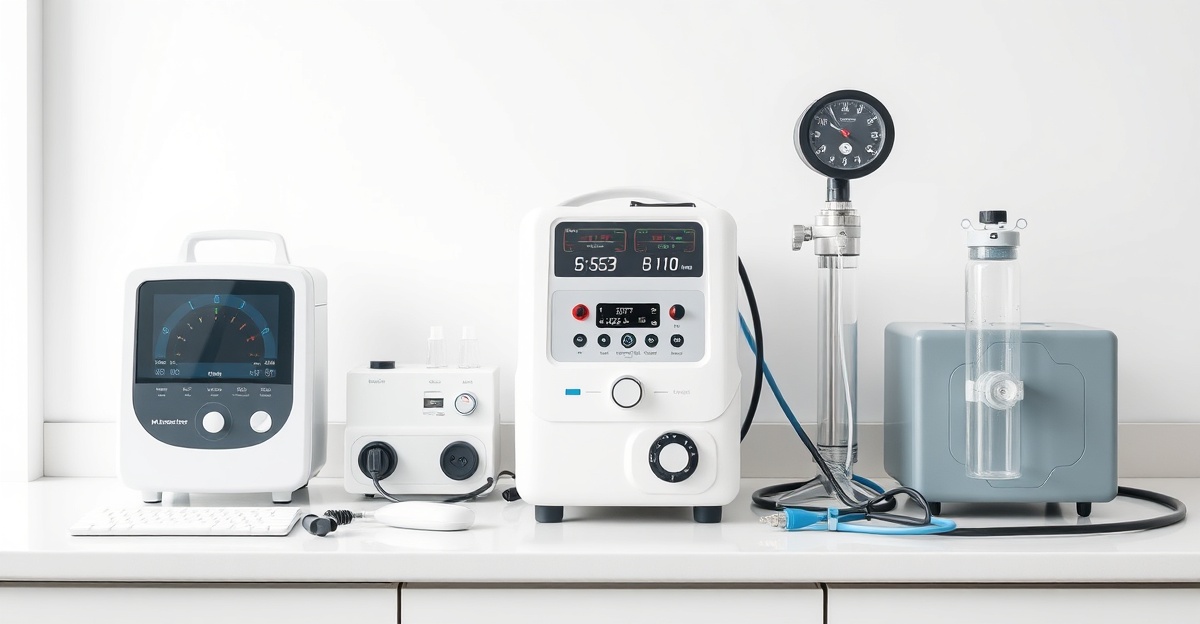
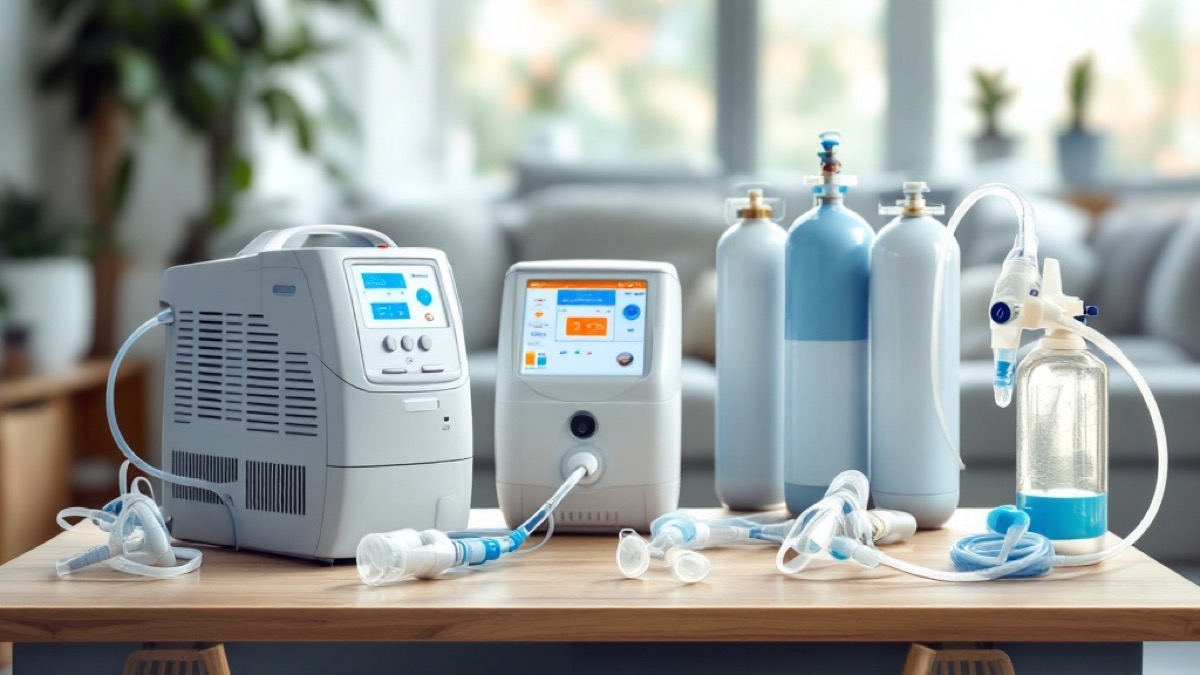
An EWOT session is a 15 to 20 minute workout breathing 90 to 95% oxygen from a reservoir bag filled by a concentrator. Hyperoxia studies show acute performance gains, while training and recovery benefits remain unsettled.
WHO recommends oxygen therapy for children with pneumonia when SpO2 falls below 90%, and nasal prongs at 1 to 2 L/min are the usual first device for a toddler. Bubble CPAP or high-flow nasal cannula follow when a child stays hypoxemic.
Oxygen therapy safety means keeping fire away from oxygen and preventing oxygen enrichment: turn it off when not in use, ventilate the room, and fix leaks. The NFPA links home medical oxygen to about 228 US home fires a year.
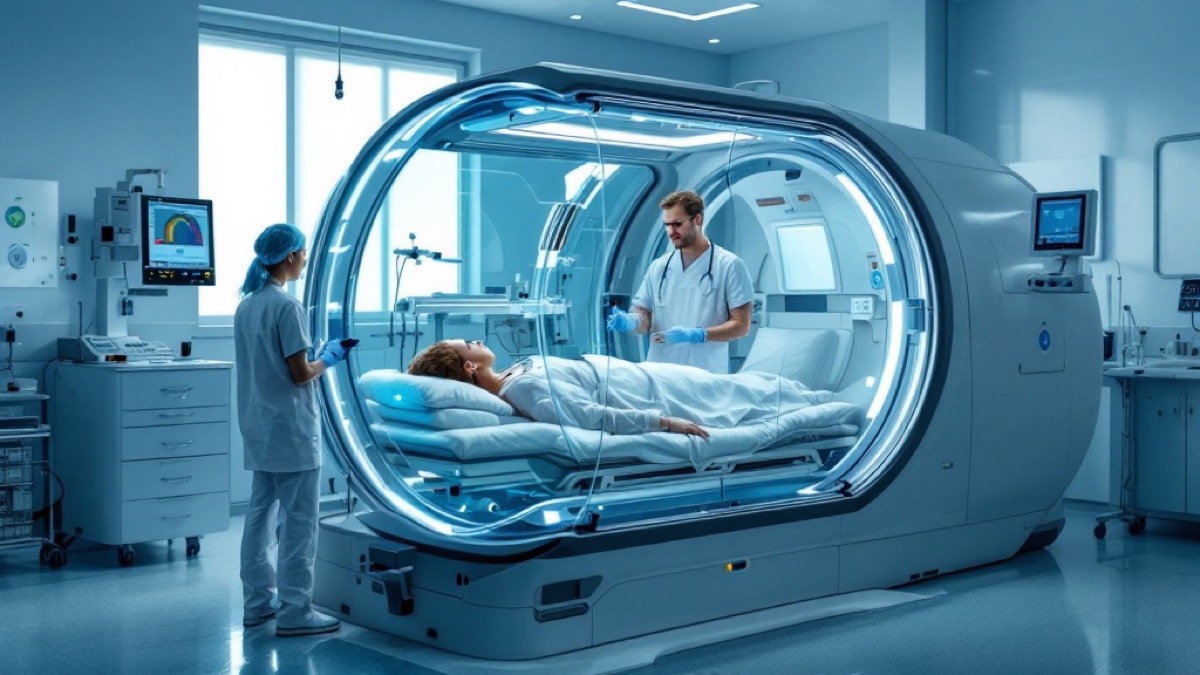
Athletes use hyperbaric oxygen therapy at 1.5 to 2.0 ATA to recover from soft tissue injuries, bone stress injuries and concussion, but the evidence is thin and sessions are usually cash pay.
How to find a quality HBOT provider: clinical-grade vs mild chambers, UHMS accreditation, questions to ask, cost expectations, and red flags to watch for.
Cryotherapy is the deliberate use of cold, from whole body chambers at minus 110 to minus 160 degrees Celsius to ice baths, to reduce pain and inflammation. Evidence is clearest for ice baths after exercise, and whole body cryotherapy is not FDA cleared to treat any condition.
A science-backed guide to red light therapy covering how photobiomodulation works at the cellular level, what conditions it actually treats, how to choose the right device, treatment protocols, costs, safety, and where the research stands.
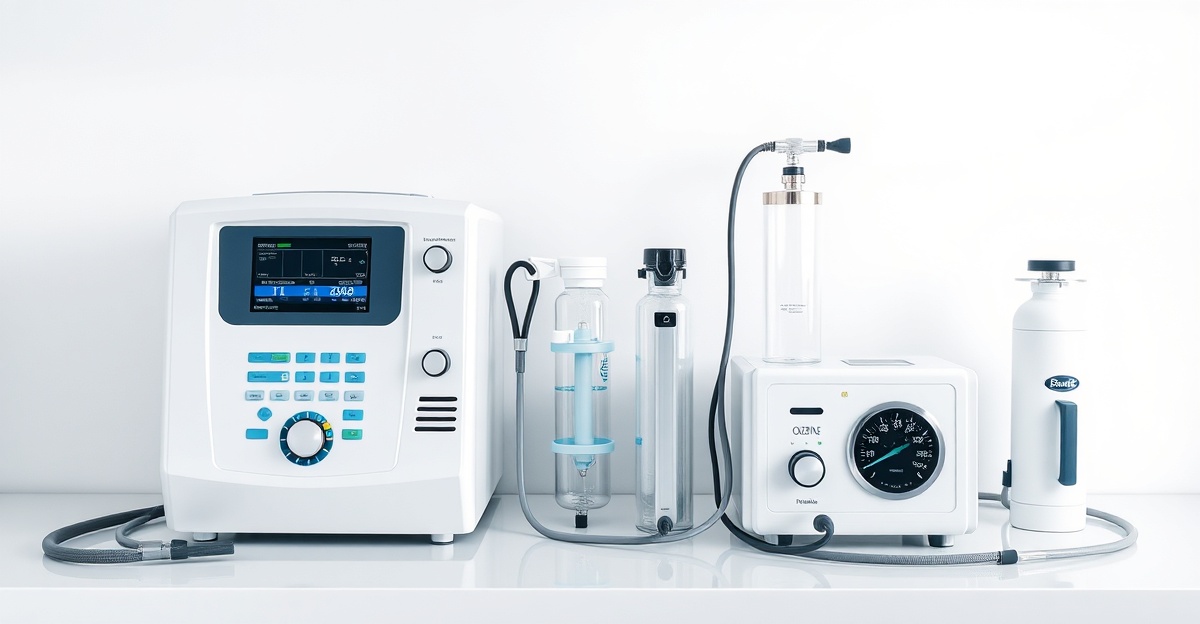
A thorough, evidence-based guide to medical ozone therapy. Covers how ozone works (oxidative preconditioning, immune modulation), administration methods (MAH, rectal insufflation, prolozone, ozone sauna), conditions treated, safety, costs, FDA status, and finding a qualified provider.
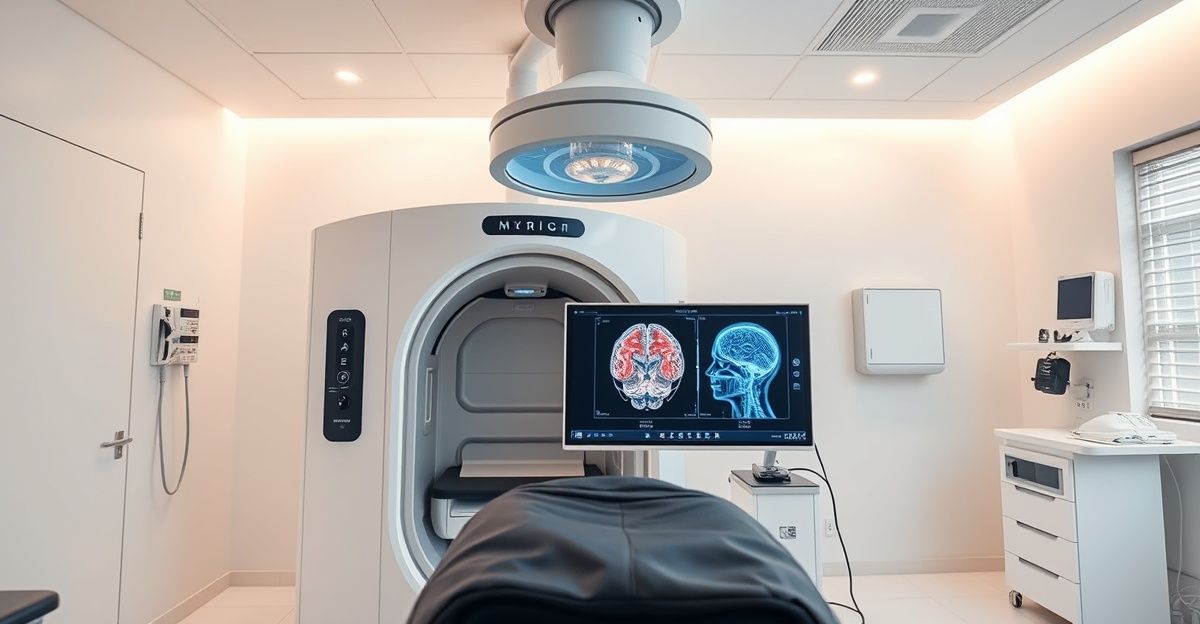
Hyperbaric oxygen therapy (HBOT) is breathing 100% oxygen in a chamber pressurized to 1.5 to 3.0 ATA. It is established for 14 recognized indications such as carbon monoxide poisoning and diabetic foot ulcers, while brain injury, long COVID and longevity uses remain investigational.