Cryotherapy: What It Is, How It Works, and What the Science Says
Explore the clinic directoryIn this article
Cryotherapy is the deliberate use of cold to reduce pain, swelling and inflammation, most often as whole body cryotherapy (WBC) at roughly minus 110 to minus 160 degrees Celsius for 2 to 4 minutes, or as cold water immersion at 10 to 15 degrees Celsius for 10 to 15 minutes. The science is clearest for ice baths after hard exercise, which a Cochrane review by Bleakley and colleagues (2012) found reduce muscle soreness; whole body cryotherapy is not FDA cleared to treat any condition, and its benefits for pain, mood and weight loss rest on smaller studies.
Key Takeaways
- Whole-body cryotherapy exposes the body to roughly minus 110 to minus 160 degrees Celsius for 2 to 4 minutes to reduce inflammation and pain, a method first built for rheumatoid arthritis by Toshima Yamaguchi in Japan in 1978.
- Evidence is strongest (Established) for post-exercise muscle recovery: a Cochrane review by Bleakley and colleagues (2012) found cold water immersion reduced delayed onset muscle soreness, while a Cochrane review by Costello and colleagues (2015) found too little evidence to judge whole body cryotherapy for the same goal. Systematic reviews also report pain relief in chronic inflammatory conditions like rheumatoid arthritis and fibromyalgia.
- Mood benefits are an Early, promising application that still needs larger randomized trials, and claims of major weight loss are not supported (only about 50 to 80 extra calories burned per session, according to Lombardi and colleagues, 2017).
- Typical cost runs about $40 to $100 per session, or roughly $300 to $500 for a 10-session package, and whole body sessions are almost always cash pay.
- It is contraindicated in Raynaud’s disease, cold urticaria, uncontrolled hypertension, cardiovascular disease, pregnancy, peripheral neuropathy, and open wounds, with side effects usually mild such as temporary skin redness and numbness.
- The FDA has not cleared or approved any whole body cryotherapy device to treat a medical condition, and its consumer guidance describes the healing benefits of whole body cryotherapy as unconfirmed.
Evidence grade: Established for muscle recovery and inflammatory pain; Early for mood; Insufficient for weight loss
How we reach these grades: see our editorial and evidence-grading process.
Cryotherapy at a Glance
- What it is: Therapeutic cold exposure used to reduce inflammation, relieve pain, and support recovery.
- Types: Whole body cryotherapy (WBC), partial body cryo cabins, localized cryotherapy, cold water immersion/ice baths.
- Session length: 2 to 4 minutes (WBC); 10 to 15 minutes (ice bath).
- Typical cost: $40 to $100 per session; packages often reduce per-session price.
- Frequency: 2 to 3 sessions per week is common for ongoing benefits.
- Best evidence for: Pain reduction, exercise recovery, inflammatory conditions.
- Key risks: Cold burns, cardiovascular stress; contraindicated in Raynaud’s disease, cold urticaria, uncontrolled hypertension, pregnancy.
- Who offers it: Cryotherapy studios, sports medicine and physical therapy practices, chiropractic offices, and some functional and integrative medicine clinics.
- Regulatory status: Whole body chambers are not FDA cleared to treat any disease; some localized cold therapy devices used in medical offices are cleared for specific uses.
What Is Cryotherapy?
Cryotherapy literally means “cold therapy.” At its core, it is the deliberate application of extreme cold to the body for a therapeutic purpose. The practice has ancient roots: Hippocrates recommended cold applications for pain and swelling, and northern European cultures have used ice water plunges for centuries. Modern clinical cryotherapy took shape in 1978 when Japanese rheumatologist Toshima Yamaguchi developed the first whole body cryotherapy chamber to treat rheumatoid arthritis (Lombardi et al., 2017).
Today, cryotherapy refers to a range of cold exposure techniques, from stepping into a chamber cooled to minus 110 degrees Celsius to sitting in an ice bath in your backyard. The unifying principle is simple: expose the body to cold stress, trigger a cascade of physiological responses, and aim for reduced inflammation, less pain, and a better mood afterward.
You will see the same practice under several names. Clinics and researchers use whole body cryotherapy (WBC), whole body cryostimulation, partial body cryotherapy (PBC), localized or spot cryotherapy, cold water immersion (CWI), cold plunge, ice bath and, more broadly, cold exposure therapy. Physical therapists and athletic trainers often call ice packs and cold compression “cold therapy,” which is the same idea at a gentler dose. Our cryotherapy treatment overview collects these forms in one place.
It is worth separating therapeutic cryotherapy from cryosurgery. Cryosurgery uses liquid nitrogen or argon gas to freeze and destroy abnormal tissue, such as warts, precancerous lesions, or small tumors. That is a separate medical procedure performed by dermatologists and other physicians, with a different mechanism and purpose.
Types of Cryotherapy
Cryotherapy comes in four main forms that differ in temperature, duration, how much of the body is cooled, and where it is delivered. The table summarizes the figures given in each subsection below.
| Type | Typical temperature | Typical session | Where it is offered |
|---|---|---|---|
| Whole body cryotherapy (WBC) | Minus 110 to minus 160 degrees Celsius air | 2 to 4 minutes | Cryotherapy centers, some sports medicine and rehabilitation clinics |
| Partial body cryotherapy (cryo cabin) | Minus 130 to minus 170 degrees Celsius nitrogen vapor, head outside | 2 to 3 minutes | Commercial cryo studios and spas |
| Localized cryotherapy | Cold air or cold probe on one area | 5 to 10 minutes per area | Physical therapy, sports medicine, chiropractic and orthopedic offices |
| Cold water immersion (ice bath, cold plunge) | 10 to 15 degrees Celsius water | 10 to 15 minutes | Home, gyms, athletic training rooms, recovery studios |
Whole Body Cryotherapy (WBC)
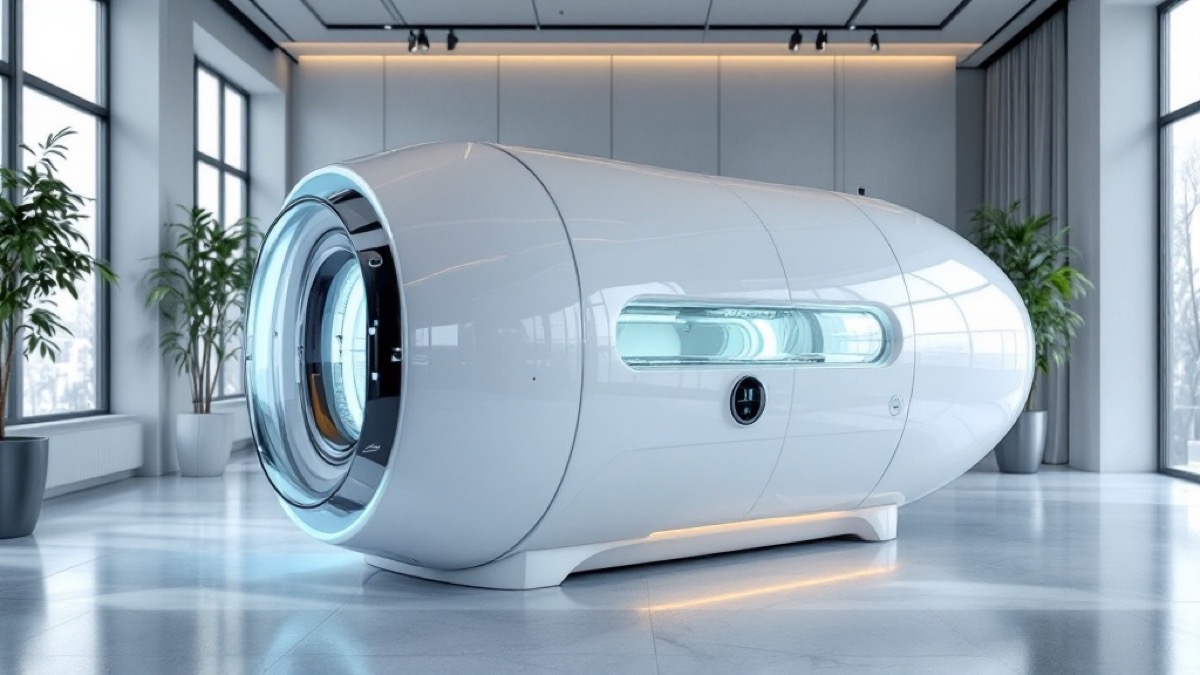
In whole body cryotherapy, you step into an enclosed chamber cooled by liquid nitrogen or refrigerated air to temperatures between minus 110 and minus 160 degrees Celsius (minus 166 to minus 256 Fahrenheit). Your entire body, including your head, is exposed to the cold. Sessions last 2 to 4 minutes. This is the form most commonly studied in clinical research (Rose et al., 2022).
Electric cryotherapy chambers are becoming more common. Unlike liquid nitrogen units, these systems cool the air without displacing oxygen, which allows the head to remain inside the chamber safely. They also offer more precise temperature control.
Partial Body Cryotherapy (Cryo Cabins)
Cryo cabins, sometimes called cryosaunas, expose everything from the neck down. Your head stays above the chamber’s rim, so you breathe room-temperature air. These are the units you will see in most commercial cryo studios. They use liquid nitrogen to cool the cabin and typically reach minus 130 to minus 170 degrees Celsius. Sessions run 2 to 3 minutes.
One limitation: because the head is not exposed, partial body units may produce a less pronounced systemic response. A 2020 study in the Journal of Thermal Biology found that whole body exposure produced greater core temperature reductions and stronger autonomic nervous system responses than partial body exposure (Polidori et al., 2020).
Localized Cryotherapy
Localized cryotherapy targets a specific area of the body using a device that blows cold air or applies a cold probe directly to the skin. Treatment areas might include a sore knee, an inflamed shoulder, or a post-surgical site. Sessions typically last 5 to 10 minutes per area. This approach is popular in sports medicine clinics and physical therapy offices, where it is often combined with exercise therapy, shockwave therapy or low level laser therapy for tendon and joint complaints.
Cold Water Immersion and Ice Baths
Cold water immersion (CWI) is the oldest and most accessible form of cryotherapy. You submerge your body in water cooled to 10 to 15 degrees Celsius (50 to 59 Fahrenheit) for 10 to 15 minutes. Athletes have used ice baths for decades, and the practice has surged in popularity thanks to figures like Wim Hof.
Water is about 25 times more thermally conductive than air, which means an ice bath at 10 degrees Celsius can extract heat from your body far more efficiently than a cryo chamber at minus 110 degrees Celsius. This is an important point we will return to when comparing the two methods.
How Cryotherapy Works: The Physiology
When your skin temperature drops rapidly, your body launches a coordinated survival response. Understanding this cascade helps explain why cryotherapy produces such a wide range of reported benefits, and why some of those benefits are better documented than others.
Vasoconstriction and Vasodilation
The moment cold hits your skin, peripheral blood vessels constrict. Blood is shunted away from the extremities and toward your core organs. When you exit the cold, those vessels rapidly dilate, flooding tissues with oxygen-rich blood. This “pumping” action is thought to flush metabolic waste products and deliver nutrients to damaged tissue (Allan et al., 2022).
Cold also slows nerve conduction and lowers local tissue metabolism. That is the simplest explanation for why an ice pack dulls a sprained ankle: the nerves carrying pain signals fire more slowly while the area is cold, and swelling builds more slowly.
Norepinephrine Release
Cold exposure triggers a significant release of norepinephrine, a neurotransmitter and hormone with powerful anti-inflammatory and mood-elevating effects. A frequently cited study by Leppaluoto and colleagues found that whole body cryotherapy increased plasma norepinephrine levels by 200 to 300 percent (Leppaluoto et al., 2008). This surge appears to be one of the central mechanisms behind cryotherapy’s benefits.
Norepinephrine also plays a role in attention and focus, which may help explain why many people report feeling mentally sharp and alert after cold exposure.
Anti-Inflammatory Cytokine Shift
Research shows that repeated cryotherapy sessions shift the balance of cytokines in the blood. Pro-inflammatory markers like IL-6, TNF-alpha, and IL-1beta tend to decrease, while anti-inflammatory cytokines like IL-10 increase (Lombardi et al., 2018). This makes cryotherapy especially interesting for conditions driven by chronic, low-grade inflammation, a topic covered in more depth in our post on how cold exposure affects inflammation.
Endorphin and Endocannabinoid Release
Cold stress stimulates the release of beta-endorphins and may activate the endocannabinoid system, producing the sense of euphoria that many users describe after a session (Esperland et al., 2022). This “cryotherapy high” is not just subjective. Measurable changes in mood scores have been documented in multiple trials.
Cold Shock Proteins
One of the more exciting areas of research involves cold shock proteins, particularly RNA-binding motif protein 3 (RBM3). Animal studies have shown that RBM3 promotes synaptogenesis, the formation of new connections between neurons, and protects against neurodegeneration (Peretti et al., 2015). The Peretti study was done in mice, and human research is still in early stages, so these findings point to a research question rather than a reason to book sessions.
Brown Adipose Tissue
Repeated cold exposure activates brown adipose tissue (BAT), a type of fat that burns energy to make heat. This is the basis for most weight loss claims about cryotherapy. The extra energy use is real but small, which is why the evidence section below grades weight loss as insufficient.
Conditions and Uses
Cryotherapy is used for exercise recovery, chronic pain and inflammatory joint disease, mood, some skin conditions, and recovery after surgery. The strength of evidence differs a great deal between these uses, and most of them are wellness or off label uses rather than approved medical indications.
Athletic Recovery
This is the most popular application of cryotherapy and the area with the most supporting data. A 2022 meta-analysis in the British Journal of Sports Medicine found that cold water immersion after exercise significantly reduced muscle soreness at 24, 48, and 72 hours compared to passive recovery (Moore et al., 2022). An earlier Cochrane review by Bleakley and colleagues reached a similar conclusion for cold water immersion while noting that most trials were small and of low quality (Bleakley et al., 2012).
Whole body cryotherapy has shown similar results in some trials, though the evidence for CWI is larger and more consistent. When Costello and colleagues reviewed whole body cryotherapy for Cochrane, they found insufficient evidence to say whether it reduces muscle soreness or improves recovery, and almost no data on its safety (Costello et al., 2015).
One nuance matters here: cold exposure after strength training may blunt some of the muscle-building adaptations you are trying to create. If your primary goal is hypertrophy, you may want to wait at least 4 to 6 hours after lifting before doing a cold session (Roberts et al., 2015).
Chronic Pain and Inflammation
The original use case for WBC was rheumatoid arthritis, and the evidence for pain and inflammatory conditions is encouraging. A 2021 systematic review found that WBC significantly reduced pain in patients with fibromyalgia, osteoarthritis, rheumatoid arthritis, and ankylosing spondylitis (Vitenet et al., 2021). In parts of Europe, notably Poland and Germany, whole body cryotherapy is used inside rheumatology and rehabilitation programs alongside exercise therapy rather than on its own.
For fibromyalgia specifically, a randomized controlled trial by Rivera and colleagues found that 15 sessions of WBC reduced pain scores by 30 percent and improved quality of life measures compared to a control group (Rivera et al., 2018). Trials in this area are short, and few follow patients after the sessions stop, so the length of any relief is unclear.
People living with long-term pain usually use cryotherapy as one tool next to medication, physical therapy and other options. Our chronic pain treatment guide and arthritis treatment guide compare those options.
Mood and Depression
This is one of the more promising emerging applications. The norepinephrine surge triggered by cold exposure has well-known antidepressant effects. A 2008 paper proposed that adapted cold showers could be a useful adjunct treatment for depression, based on mechanism rather than trial data (Shevchuk, 2008). More recently, a systematic review found that cold water immersion was associated with improvements in mood and reductions in symptoms of anxiety and depression (Kelley et al., 2024).
Many people who incorporate cold exposure into their routine report an immediate lift in mood that lasts several hours. The biological mechanisms are plausible and the subjective reports are consistent, but larger randomized controlled trials are still needed. Cold exposure is not a substitute for care from a psychiatrist, psychologist or primary care physician for clinical depression.
Skin Conditions
Localized cryotherapy has a long track record in dermatology for treating warts, actinic keratoses, and other skin lesions. Whole body cryotherapy has been explored for atopic dermatitis (eczema) and psoriasis, with some studies reporting reduced itching and improved skin barrier function (Gizinska et al., 2015). The anti-inflammatory cytokine shift is the likely explanation, though these studies are small and dermatology guidelines do not list whole body cryotherapy as a standard treatment.
Post-Surgical Recovery
Cold therapy after surgery is standard practice in orthopedics. Localized cryotherapy devices can reduce swelling, limit pain medication requirements, and improve range of motion after joint replacement, ACL reconstruction, and other procedures. For knee replacement specifically, a Cochrane review by Adie and colleagues found small short-term benefits for pain and blood loss, but rated the evidence low to very low in quality and questioned whether the benefits are large enough to matter (Adie et al., 2012).
What a Session Is Like
Whole Body or Partial Body Cryotherapy
Before a first session, a well run center asks you to complete a health questionnaire and may check your blood pressure. You will be asked to remove all jewelry, piercings, and wet clothing. Most facilities provide dry socks, gloves, and slippers to protect your extremities. Men typically wear shorts; women wear shorts and a sports bra or similar minimal clothing. Your skin must be completely dry.
You step into the chamber and the door closes. Cold air fills the space rapidly. The first 30 seconds feel intense. Your skin prickles and your body tenses. By about 60 seconds, many people find it becomes more tolerable as endorphins begin to kick in. You will likely shift your weight, move your hands, and try to stay relaxed. An attendant monitors you the entire time.
After 2 to 4 minutes, the door opens and you step out. Your skin will be red and cold to the touch. Within 5 to 10 minutes, you will likely feel a rush of energy, warmth, and mental clarity. Many people describe it as invigorating.
Cold Water Immersion
For an ice bath or cold plunge, you slowly lower yourself into water that is typically 10 to 15 degrees Celsius. The initial shock is more intense than a cryo chamber because of water’s thermal conductivity. Controlled breathing is critical during the first 30 to 60 seconds. Most protocols call for 10 to 15 minutes of immersion. An observational study of Danish winter swimmers, whose routines averaged about 11 minutes of cold water a week spread across several sessions, is often quoted as a minimum dose, though it did not test that dose directly (Soberg et al., 2021).
Localized Cryotherapy
A localized session is usually done seated or lying on a treatment table. A clinician or technician moves a nozzle of cold air or a cold probe over the target area for about 5 to 10 minutes while watching skin temperature. It feels sharply cold and then numb, and you can usually go straight back to normal activity.
Risks and Contraindications
Cryotherapy is generally well tolerated, but it is not risk-free and it is not appropriate for everyone. The main risks are cold burns to the skin, a short spike in blood pressure, and, in liquid nitrogen units, low oxygen in an enclosed space.
Who Should Avoid Cryotherapy
- Raynaud’s disease: Cold exposure can trigger severe vasospasm in the fingers and toes, cutting off blood flow.
- Cold urticaria: An allergic reaction to cold that can cause hives, swelling, and in severe cases, anaphylaxis.
- Uncontrolled hypertension or cardiovascular disease: The sudden vasoconstriction raises blood pressure and puts strain on the heart.
- Pregnancy: The cardiovascular stress and potential for hypothermia make cryotherapy inadvisable during pregnancy.
- Peripheral neuropathy: Reduced sensation increases the risk of cold burns because you may not feel the warning signs.
- Open wounds or acute infections: Cold exposure can impair local immune responses needed for healing.
Potential Side Effects
- Skin redness and numbness (temporary, resolves within minutes)
- Cold burns or frostbite (rare with proper protocols; more common with direct liquid nitrogen contact)
- Dizziness or lightheadedness upon exiting the chamber
- Transient increase in blood pressure
A 2021 safety review found that adverse events in cryotherapy clinical trials were generally mild and self-limiting (Vitenet et al., 2021). Serious events, such as significant cold burns, have been reported in cases where safety protocols were not followed or equipment malfunctioned.
Liquid Nitrogen and Oxygen
Liquid nitrogen chambers cool the air by releasing nitrogen vapor, which displaces oxygen. The FDA has named asphyxiation as a hazard of whole body cryotherapy for this reason, along with frostbite, burns and eye injury. Cryo cabins keep the head above the rim so you breathe room air, and a well run center uses oxygen sensors, ventilates the room, never leaves a client unattended, and never allows staff to use a chamber alone.
Is Cryotherapy FDA Approved? How It Is Regulated
Whole body cryotherapy is not FDA approved or cleared to treat any disease or condition. In a 2016 consumer update, the FDA said it had no evidence that whole body cryotherapy effectively treats conditions such as Alzheimer’s disease, fibromyalgia, migraine, rheumatoid arthritis, multiple sclerosis, anxiety or chronic pain. Its current consumer guidance states that whole body cryotherapy presents a different set of risks from water-circulating cold therapy devices and that its healing benefits are unconfirmed (FDA, 2020).
Localized cold therapy devices are a different category. Some cold compression and cold air units used in physical therapy and orthopedic offices are FDA cleared medical devices for uses such as reducing pain and swelling, and a physician or physical therapist usually directs their use. Ice packs and cold water at home are not regulated as treatments at all.
Commercial cryotherapy studios are usually run as wellness businesses rather than medical practices, and oversight of them varies by state. That means staff training, health screening and equipment checks depend largely on the business itself, which is why the questions in the provider section below matter.
Cost and Frequency
A single whole body cryotherapy session typically costs $40 to $100, depending on location and facility. Many studios offer packages (for example, 10 sessions for $300 to $500) and monthly memberships. Cold water immersion at home is essentially free beyond the initial investment in a cold plunge tub ($500 to $5,000 depending on whether it is a basic stock tank or a purpose-built unit with a chiller).
Health insurance generally does not cover whole body cryotherapy, because it is not an approved treatment for any condition, so studio sessions are cash pay. Localized cold therapy delivered during a covered physical therapy visit is different: it is often part of the visit rather than a separate charge. Ask the clinic in writing what a session or package costs before you book.
Most protocols in the research literature use 3 to 5 sessions per week for 1 to 3 weeks for acute conditions. For general wellness and ongoing recovery, 2 to 3 sessions per week is a common recommendation. Some people maintain benefits with just 1 to 2 sessions per week once an initial loading phase is complete.
At-Home Options: Cold Plunge and Ice Baths
The at-home cold exposure movement has exploded. Your options range from simple to sophisticated:
- Cold shower: Free and easy. Turn the water as cold as it goes (typically 10 to 15 degrees Celsius depending on your location and season) for the last 2 to 5 minutes of your shower. This is a good starting point for cold exposure beginners.
- Chest freezer conversion: A popular DIY option. A large chest freezer filled with water can be set to maintain temperatures around 3 to 5 degrees Celsius. Cost: $200 to $500. Requires some waterproofing, temperature monitoring and careful electrical safety, since water and mains power sit close together.
- Stock tank with ice: A simple livestock tank or large tub filled with cold water and ice. Inexpensive but requires frequent ice purchases or very cold tap water.
- Purpose-built cold plunge: Several manufacturers sell tubs with built-in chillers and filters that maintain consistent temperatures. Cost ranges from $500 to $7,000 or more. These are the most convenient option for regular use.
The water temperature target for most at-home protocols is 10 to 15 degrees Celsius. Start with shorter durations (2 to 3 minutes) and work your way up to 10 to 15 minutes as you adapt. Always have a way to get out quickly and never do cold immersion alone if you are new to the practice. Our comparison of cryotherapy versus an ice bath covers the trade-offs in more detail.
What the Research Shows
Research supports cold water immersion for reducing muscle soreness after exercise, gives moderate support to whole body cryotherapy for short-term pain relief in inflammatory and rheumatic conditions, and is still early for mood, sleep and immune effects. The table grades each use, and the subsections explain the grades.
| Use | Evidence level | Key sources |
|---|---|---|
| Muscle soreness after exercise (cold water immersion) | Strong, though trials are small | Bleakley et al. (2012), Moore et al. (2022) |
| Muscle soreness after exercise (whole body cryotherapy) | Insufficient to judge | Costello et al. (2015) |
| Pain in rheumatic and inflammatory conditions | Moderate, short-term | Vitenet et al. (2021), Rivera et al. (2018) |
| Pain after knee replacement (localized cold) | Low quality, small benefit | Adie et al. (2012) |
| Mood, anxiety and depression | Early | Kelley et al. (2024) |
| Sick days and immune function | Limited | Buijze et al. (2016) |
| Weight loss | Insufficient | Lombardi et al. (2017) |
Strong Evidence
Pain and inflammation: Multiple systematic reviews and meta-analyses support the use of both WBC and CWI for reducing pain and inflammatory markers. The evidence is strongest for post-exercise recovery and chronic inflammatory conditions like rheumatoid arthritis.
Exercise recovery: Cold water immersion after intense exercise reduces delayed-onset muscle soreness (DOMS). The effect is modest but consistent across studies (Moore et al., 2022).
Emerging Evidence
Mood and mental health: Several observational studies and small trials suggest cold exposure improves mood and may reduce symptoms of depression. The mechanistic basis (norepinephrine surge) is well-established, but we need larger RCTs to confirm clinical significance.
Sleep quality: Some evidence suggests that cold exposure, particularly in the afternoon or evening, can improve sleep onset and quality. The link likely involves the post-exposure drop in core body temperature that mimics the natural circadian cooling pattern.
Limited or Mixed Evidence
Weight loss: Cold exposure does activate brown adipose tissue (BAT) and increase calorie expenditure, but the effect is modest. A 2 to 3 minute WBC session burns perhaps 50 to 80 extra calories. Claims of massive calorie burns (500 to 800 calories per session) that circulate on social media are not supported by research (Lombardi et al., 2017).
Immune function: A notable Dutch study found that people who took cold showers had a 29 percent reduction in sick days from work, though actual infection rates were not different (Buijze et al., 2016). This suggests cold exposure may improve the subjective experience of illness or reduce symptom severity rather than preventing infection.
For a closer look at each claimed benefit, see our review of whole body cryotherapy benefits.
Cryotherapy Chamber vs. Ice Bath: How Do They Compare?
This is one of the most common questions people ask. Here is how the two approaches stack up:
- Temperature: WBC chambers reach minus 110 to minus 160 degrees Celsius. Ice baths are typically 0 to 15 degrees Celsius. Despite the extreme temperature difference, water’s thermal conductivity means an ice bath can extract body heat more efficiently.
- Duration: WBC sessions last 2 to 4 minutes. Ice baths typically last 10 to 15 minutes.
- Core temperature reduction: Ice baths produce a greater drop in core body temperature than WBC of equivalent duration (Rose et al., 2022).
- Research base: Cold water immersion has a larger and longer research history. Most WBC studies are smaller and more recent.
- Convenience: WBC sessions are quick and require no cleanup. Ice baths take time to prepare and require a place to do them.
- Cost: WBC requires a facility visit ($40 to $100 per session). Ice baths can be done at home for minimal ongoing cost.
- Tolerability: Many people find WBC easier to tolerate than ice baths because the cold is dry and brief. The initial shock of cold water immersion can be intense.
Bottom line: both approaches produce meaningful physiological responses. If you have access to a cryo facility and prefer speed and convenience, WBC is a reasonable option. If you want the lowest cost and the larger body of research, and you do not mind the discomfort, cold water immersion at home is effective and affordable.
Cryotherapy Compared With Other Recovery Treatments
Cryotherapy is often offered in the same studios and clinics as red light therapy, infrared sauna, compression therapy and hyperbaric oxygen therapy. These treatments work through different mechanisms, and their evidence bases differ, so it helps to compare them on the same terms.
| Treatment | How it works | FDA status for common uses | Where the evidence is best |
|---|---|---|---|
| Whole body cryotherapy | Brief exposure to extremely cold air triggers vasoconstriction, norepinephrine release and an anti-inflammatory cytokine shift | No device cleared to treat any condition | Short-term pain relief in rheumatic conditions, from small trials |
| Cold water immersion | Water removes body heat quickly and lowers muscle and core temperature | Not regulated as a treatment | Muscle soreness after hard exercise |
| Red light therapy (photobiomodulation) | Red and near-infrared light is absorbed by cells and is thought to affect mitochondrial activity | Some devices cleared for specific uses such as pain relief or hair growth | Some skin, hair and pain uses, with mixed quality trials |
| Hyperbaric oxygen therapy (HBOT) | Breathing pure oxygen at raised pressure increases oxygen dissolved in blood plasma | Accepted for a defined list of indications, such as decompression sickness and some nonhealing wounds | Its accepted medical indications, not sports recovery |
Many people pair cold with heat in contrast therapy. For the other treatments, see our guides to red light therapy and hyperbaric oxygen therapy, or read the complete red light therapy guide on the blog.
Who Offers Cryotherapy?
Cryotherapy is delivered by a mix of medical and nonmedical providers. Whole body and partial body sessions are mostly offered by dedicated cryotherapy studios, gyms, spas and recovery centers, where trained technicians rather than clinicians run the sessions. Localized cryotherapy and cold compression are more often delivered by physical therapists, athletic trainers, chiropractors, and sports medicine and orthopedic physicians.
Some functional and integrative medicine clinics, pain clinics and rheumatology practices offer cryotherapy as part of a wider plan for arthritis, fibromyalgia or chronic pain. If you have a diagnosed condition, a provider who can review your history and coordinate with your physician is usually a better fit than a walk-in studio. Dermatologists perform cryosurgery, which is a different procedure.
How to Choose a Cryotherapy Provider
The right provider screens you before your first session, explains what the evidence does and does not support, and is clear about price. You can compare cryotherapy studios and clinics in the Regenerated.com cryotherapy clinic directory, or browse state lists such as cryotherapy clinics in New York, Pennsylvania and Arizona.
A few points help you read the directory. Listing order is not a paid ranking. Featured slots are clearly labeled and capped, and Verified means a clinic completed our claim and credential checks, not that it spent money with us. Regenerated.com is free for patients, and being listed is not an endorsement. Our explainer on Featured, Verified and organic listings covers each label.
Before you book, ask the provider these questions:
- Do you screen clients first? Expect a written health questionnaire covering heart disease, blood pressure, Raynaud’s, cold urticaria, neuropathy and pregnancy.
- Who runs the session and what training do they have? Ask whether a technician or a licensed clinician will be present, and whether an attendant watches every session.
- What kind of chamber do you use? For liquid nitrogen units, ask about oxygen sensors and room ventilation; electric chambers avoid nitrogen vapor altogether.
- How do you control time and temperature? A well run center uses a fixed timer, keeps sessions within 2 to 4 minutes, and provides dry gloves, socks and footwear.
- What does it cost, and is anything covered? Get session, package and membership prices in writing, and expect whole body sessions to be cash pay.
- What do you claim it treats? Be cautious with any provider who promises results for serious diseases, since the FDA has not cleared whole body cryotherapy to treat any condition.
Our post on finding a cryotherapy provider covers these checks in more depth.
How to Get Started
If you are new to cryotherapy, here is a practical roadmap:
- Check with your doctor if you have cardiovascular disease, Raynaud’s, or any condition that could make cold exposure risky.
- Start with cold showers. End your regular shower with 30 seconds of cold water. Increase the duration by 15 to 30 seconds each week until you reach 2 to 3 minutes.
- Try a cryo studio. Book a single session to see how you respond. Many facilities offer a reduced price on the first visit.
- Establish a routine. Two to three sessions per week is a good target. Consistency matters more than intensity.
- Track how you feel. Pay attention to your pain levels, mood, sleep, and recovery. These subjective markers are valuable for determining whether cryotherapy is working for you.
Frequently Asked Questions
Is cryotherapy FDA-approved?
No, whole body cryotherapy is not FDA approved or cleared to treat any disease or condition. The FDA has said it has no evidence that whole body cryotherapy treats conditions such as fibromyalgia, rheumatoid arthritis or chronic pain, and its consumer guidance calls the healing benefits unconfirmed. Most studios operate as wellness businesses. Some localized cold therapy and cold compression devices used in physical therapy and orthopedic offices do have FDA clearance for specific uses, such as reducing pain and swelling.
How soon will I feel results?
Most people feel a short-lived lift in mood and energy within minutes of their first session, linked to the norepinephrine surge that cold triggers. Pain relief and recovery effects, when they appear, usually become noticeable after 3 to 5 sessions. Trials in rheumatic conditions used courses of sessions over several weeks, such as the 15 sessions in the Rivera fibromyalgia trial, so judge chronic condition effects over that time frame rather than after one visit.
Can I do cryotherapy every day?
Healthy adults can do whole body cryotherapy daily, and some clinical protocols use daily sessions for one to three weeks. Most maintenance programs use 2 to 3 sessions per week, which appears to be enough for ongoing benefits and lowers cost and skin irritation. If you have heart disease, high blood pressure, Raynaud’s or neuropathy, ask your physician before starting any regular cold exposure routine.
Should I do cryotherapy before or after a workout?
For recovery, do cryotherapy after your workout, which is how most soreness studies were run. For an energy and alertness boost, some people prefer a cold session before training. If your goal is muscle growth, wait 4 to 6 hours after strength training, because Roberts and colleagues (2015) found that cold water immersion straight after lifting blunted the signals that drive muscle adaptation.
How much does cryotherapy cost?
A whole body cryotherapy session typically costs $40 to $100, depending on the city and the facility. Packages such as 10 sessions for roughly $300 to $500 and monthly memberships lower the per-session price. Health insurance generally does not cover whole body cryotherapy, so studio sessions are cash pay. Cold showers cost nothing, and a home cold plunge tub ranges from about $500 for a basic setup to several thousand dollars for a chilled unit.
Does cryotherapy help you lose weight?
Cryotherapy does not produce meaningful weight loss on its own. A 2 to 3 minute whole body session burns roughly 50 to 80 extra calories, according to a review by Lombardi and colleagues (2017), far below the 500 to 800 calories claimed on social media. Cold exposure does activate brown adipose tissue, which burns energy to make heat, but the effect is small compared with diet, physical activity and medical weight loss treatment.
Related Reading
- Red Light Therapy: A Complete Guide: another recovery modality often paired with cryotherapy.
- Infrared Sauna Therapy: contrast therapy (alternating heat and cold) may amplify the benefits of both.
- Cold Exposure Protocols for Beginners: step-by-step instructions for building a cold exposure habit.
- Understanding Chronic Inflammation: why reducing systemic inflammation matters for long-term health.
- Cryotherapy Benefits: what each claimed benefit rests on.
- Cryotherapy vs. Ice Bath: a side-by-side look at the two most common forms of cold therapy.
Sources
- Lombardi, G., Ziemann, E., & Banfi, G. (2017). Whole-body cryotherapy in athletes: From therapy to stimulation. Journal of Thermal Biology, 63, 106-114. https://doi.org/10.1016/j.jtherbio.2014.11.005
- Rose, C., et al. (2022). Whole-body cryotherapy as a recovery technique after exercise: A review. Frontiers in Physiology, 13, 1006291. https://doi.org/10.3389/fphys.2022.1006291
- Polidori, G., et al. (2020). Should whole-body cryotherapy sessions be differentiated between partial and whole-body exposures? Journal of Thermal Biology, 87, 102530. https://doi.org/10.1016/j.jtherbio.2020.102530
- Allan, R., et al. (2022). Cold water immersion and the athlete. BMC Sports Science, Medicine and Rehabilitation, 14(1), 42. https://doi.org/10.1186/s13102-022-00469-1
- Leppaluoto, J., et al. (2008). Effects of long-term whole-body cold exposures on plasma concentrations of ACTH, beta-endorphin, cortisol, catecholamines and cytokines in healthy females. Scandinavian Journal of Clinical and Laboratory Investigation, 68(2), 145-153. https://doi.org/10.1111/j.1600-0838.2008.00885.x
- Lombardi, G., et al. (2018). Whole-body cryotherapy and cytokines: A literature review. PLoS ONE, 13(12), e0209275. https://doi.org/10.1371/journal.pone.0209275
- Esperland, D., de Weerd, L., & Mercer, J.B. (2022). Health effects of voluntary exposure to cold water. International Journal of Circumpolar Health, 81(1), 2046010. https://doi.org/10.1016/j.mehy.2019.109388
- Peretti, D., et al. (2015). RBM3 mediates structural plasticity and protective effects of cooling in neurodegeneration. Nature, 518(7538), 236-239. https://doi.org/10.1038/nature14142
- Moore, E., et al. (2022). Effect of cold-water immersion on exercise recovery: A systematic review and meta-analysis. British Journal of Sports Medicine, 56(14), 818-826. https://doi.org/10.1136/bjsports-2021-104765
- Roberts, L.A., et al. (2015). Post-exercise cold water immersion attenuates acute anabolic signalling and long-term adaptations in muscle to strength training. Journal of Physiology, 593(18), 4285-4301. https://doi.org/10.1113/JP270570
- Vitenet, M., et al. (2021). Whole body cryotherapy for pain management: A systematic review. International Journal of Environmental Research and Public Health, 18(15), 7211. https://doi.org/10.3390/ijerph18157211
- Rivera, J., et al. (2018). The effect of cryotherapy on fibromyalgia: A randomized clinical trial. Revista Brasileira de Reumatologia (English Edition), 58(5), 402-409. https://doi.org/10.1016/j.rbre.2018.09.002
- Shevchuk, N.A. (2008). Adapted cold shower as a potential treatment for depression. Medical Hypotheses, 70(5), 995-1001. https://doi.org/10.1016/j.mehy.2007.04.052
- Kelley, M., et al. (2024). Cold water immersion for mental health: A systematic review. BMJ Open Sport and Exercise Medicine, 10(1), e001588. https://doi.org/10.1136/bmjsem-2023-001588
- Soberg, S., et al. (2021). Altered brown fat thermoregulation and enhanced cold-induced thermogenesis in young, healthy, winter-swimming men. Cell Reports Medicine, 2(10), 100408. https://doi.org/10.3389/fphys.2023.1226559
- Buijze, G.A., et al. (2016). The effect of cold showering on health and work: A randomized controlled trial. PLoS ONE, 11(9), e0161749. https://doi.org/10.1371/journal.pone.0161749
- Adie, S., et al. (2012). Cryotherapy following total knee replacement. Cochrane Database of Systematic Reviews, (9), CD007911. https://doi.org/10.1002/14651858.CD007911.pub3
- Gizinska, M., et al. (2015). Effects of whole-body cryotherapy in comparison with other physical modalities used in Kinesitherapy. BioMed Research International, 2015, 409174. https://doi.org/10.1111/jdv.14713
- Costello, J.T., et al. (2015). Whole-body cryotherapy (extreme cold air exposure) for preventing and treating muscle soreness after exercise in adults. Cochrane Database of Systematic Reviews, CD010789. https://doi.org/10.1002/14651858.CD010789.pub2
- Bleakley, C., et al. (2012). Cold-water immersion (cryotherapy) for preventing and treating muscle soreness after exercise. Cochrane Database of Systematic Reviews, CD008262. https://doi.org/10.1002/14651858.CD008262.pub2
- U.S. Food and Drug Administration (2020). Cold facts to help avoid injury from water-circulating hot/cold therapy devices. Consumer Update. fda.gov

About the medical reviewer
Dr. Bronwyn Holmes, MD, FAARFM is a physician specialising in regenerative medicine, advanced peptide therapeutics, exosome and stem cell biology, hormonal health, and longevity. Last reviewed July 5, 2026.