HBOT Cost: How Much Does Hyperbaric Oxygen Therapy Cost?

At a Glance
- Hyperbaric oxygen therapy (HBOT) sessions typically cost $150 to $450 each at clinical facilities, with 20 to 40+ sessions commonly recommended.
- Total treatment costs range from $3,000 to $18,000+ depending on the number of sessions, pressure level, and facility type.
- Insurance covers HBOT for 14 FDA-approved indications (diabetic wounds, radiation injury, carbon monoxide poisoning, etc.) but not for off-label uses.
- Mild (low-pressure) chambers for home use cost $5,000 to $25,000 and operate at lower pressures than clinical units.
- Package pricing and membership models can significantly reduce per-session costs.
What Does Hyperbaric Oxygen Therapy Cost?
Hyperbaric oxygen therapy uses pressurized chambers to deliver 100% oxygen at pressures greater than normal atmospheric levels. This dramatically increases oxygen dissolution in blood plasma, reaching tissues that compromised circulation cannot supply through red blood cells alone. The therapy has FDA-cleared applications for wound healing, infection treatment, and radiation injury, along with growing off-label use for brain injury, Long COVID, Lyme disease, and performance recovery.
Next step: Read the HBOT guide, then compare clinic hyperbaric options in the Directory.
Understanding HBOT pricing requires knowing the difference between facility types, pressure levels, and whether insurance applies to your specific condition.
Cost Breakdown by Setting
| Setting | Cost Per Session | Pressure (ATA) | Best For |
|---|---|---|---|
| Hospital-Based Facility | $250 to $450+ | 2.0 to 3.0 ATA | FDA-approved conditions, insurance-covered treatment |
| Freestanding Clinical Center | $150 to $350 | 1.5 to 3.0 ATA | Both approved and off-label conditions |
| Wellness/Recovery Center | $75 to $200 | 1.3 to 1.5 ATA | Mild HBOT, general wellness, recovery |
| Home Chamber | N/A (ownership cost: $5,000 to $25,000) | 1.3 to 1.5 ATA | Long-term maintenance, convenience |
Total Treatment Cost Estimates
HBOT is not a one-session treatment. Most protocols call for 20 to 60 sessions depending on the condition. Here is what total costs look like:
Standard Protocol (40 sessions at a clinical facility): $6,000 to $14,000 at $150 to $350 per session.
Short Protocol (20 sessions for recovery/wellness): $1,500 to $4,000 at mild HBOT facilities or $3,000 to $7,000 at clinical facilities.
Extended Protocol (60+ sessions for neurological conditions): $9,000 to $21,000+ depending on facility and pressure.
Mild vs. Clinical HBOT Chambers
This distinction is critical for understanding both cost and therapeutic value.
Clinical (Hard-Shell) Chambers
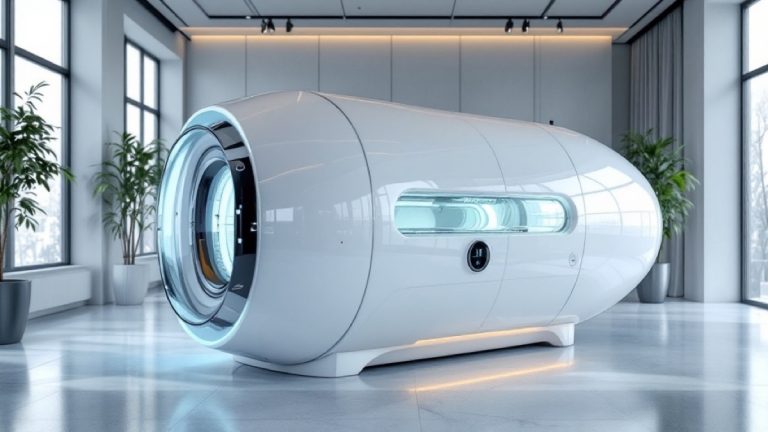
These are the steel or acrylic chambers found in hospitals and dedicated HBOT facilities. They reach pressures of 2.0 to 3.0 ATA (atmospheres absolute) and deliver 100% oxygen through a mask or hood system. This is the type of HBOT used in clinical research and for FDA-approved indications.
At 2.4 ATA breathing 100% oxygen, your blood plasma oxygen levels increase by approximately 10 to 15 times normal. This level of hyperoxygenation drives angiogenesis (new blood vessel formation), reduces inflammation, mobilizes stem cells, and enhances immune function.
Mild (Soft-Shell) Chambers
Soft-shell portable chambers reach maximum pressures of 1.3 to 1.5 ATA. Most use an oxygen concentrator rather than 100% medical-grade oxygen, delivering approximately 90 to 95% oxygen. The pressure and oxygen concentration are both significantly lower than clinical chambers.
At 1.3 ATA with concentrated oxygen, plasma oxygen levels increase by roughly 3 to 4 times normal. This is still a meaningful physiological stimulus, but it is a fraction of what clinical chambers deliver.
The debate over mild vs. clinical HBOT continues. Proponents of mild HBOT point to studies showing benefits for concussion recovery, general wellness, and inflammation reduction at lower pressures. Critics argue that the dose is often insufficient for meaningful therapeutic outcomes. The truth likely sits in between: mild HBOT may provide real benefits for some conditions and general wellness, but the stronger evidence base supports clinical pressures for most specific medical applications.
Insurance Coverage: What Is and Is Not Covered
Insurance (including Medicare) covers HBOT for 14 specific FDA-approved indications:
- Air or gas embolism
- Carbon monoxide poisoning
- Gas gangrene (clostridial myonecrosis)
- Crush injuries and acute traumatic ischemia
- Decompression sickness
- Diabetic wounds (Wagner grade III or higher)
- Exceptional blood loss anemia
- Intracranial abscess
- Necrotizing soft tissue infections
- Osteomyelitis (refractory)
- Delayed radiation injury
- Compromised skin grafts and flaps
- Thermal burns
- Idiopathic sudden sensorineural hearing loss
For these conditions, insurance typically covers the chamber time, physician supervision, and associated monitoring. Copays and deductibles still apply.
Home Chamber Costs
For patients needing long-term HBOT, purchasing a home chamber can be cost-effective compared to ongoing clinic visits.
Soft-shell portable chambers: $5,000 to $15,000 for the chamber. Add $1,000 to $3,000 for an oxygen concentrator. Total setup: $6,000 to $18,000.
Higher-end portable chambers (1.5 ATA): $12,000 to $25,000 for chambers with higher pressure ratings and better construction. These provide a more meaningful oxygen dose than basic 1.3 ATA models.
Used chambers: Available for 30 to 60% of new prices, but inspect carefully for wear on zippers, seams, and pressure systems. Ask for maintenance records.
The break-even point for home chamber ownership vs. clinic visits depends on how many sessions you plan to do. At $200 per clinic session, a $10,000 home setup pays for itself after 50 sessions. If you plan to use HBOT regularly for a chronic condition, home ownership often makes financial sense within 3 to 6 months.
Ongoing costs: Electricity ($10 to $20 per month for the compressor), oxygen concentrator filter replacements ($50 to $100 annually), and periodic chamber maintenance. Some users opt for medical-grade oxygen tanks at $30 to $50 per tank, though concentrators are more practical for daily use.
How to Reduce Your HBOT Costs
Ask about package pricing. Nearly every clinic offers discounted multi-session packages.
Look for membership models. Some wellness centers offer monthly memberships ($200 to $500/month) with unlimited or near-unlimited mild HBOT sessions.
Consider a home chamber for long-term use. If your treatment plan calls for 40+ sessions or ongoing maintenance, the math often favors owning a chamber.
Check clinical trial access. Some universities and research hospitals offer HBOT at no cost through clinical trials. ClinicalTrials.gov lists active studies by condition and location.
Use HSA/FSA funds. HBOT is generally eligible for HSA and FSA payment when prescribed by a physician, even for off-label uses. Get a letter of medical necessity from your provider.
Frequently Asked Questions
How many HBOT sessions do I need?
This depends entirely on the condition being treated. Diabetic wounds and radiation injury protocols typically require 30 to 60 sessions. Concussion and TBI protocols commonly use 40 sessions. General wellness and recovery protocols may use 10 to 20 sessions. Your treating physician should provide a specific treatment plan with a defined number of sessions based on your condition and goals.
Is mild HBOT worth the lower cost?
For general wellness, inflammation reduction, and recovery support, mild HBOT at 1.3 to 1.5 ATA may provide meaningful benefits at a significantly lower cost than clinical pressures. For serious medical conditions with established HBOT protocols (wound healing, radiation injury, decompression sickness), clinical pressures of 2.0 ATA and above are strongly preferred. Mild HBOT should not be viewed as a cheap substitute for clinical HBOT when the condition requires the stronger dose.
Can I rent a hyperbaric chamber instead of buying one?
Yes. Several companies offer chamber rentals for $1,500 to $3,000 per month. This can be a good option for a defined treatment course (2 to 3 months) where you need daily sessions but do not plan on long-term use. Rental often includes delivery, setup, and basic training.
Why does HBOT cost so much?
Clinical HBOT facilities have high overhead: medical-grade hyperbaric chambers cost $100,000 to $500,000 each, require dedicated space, specialized maintenance, trained technicians, physician oversight, and liability insurance specific to hyperbaric medicine. The per-session cost reflects these real operational expenses. Mild HBOT at wellness centers has lower overhead, which is reflected in lower pricing.
Will the cost of HBOT decrease over time?
As HBOT gains broader acceptance and more research validates additional applications, competition and scale should gradually reduce costs. The growth of mild HBOT centers has already made low-pressure treatments much more accessible and affordable than they were a decade ago. If more conditions receive FDA approval for HBOT, insurance coverage expansion would also effectively reduce out-of-pocket costs for patients.
Related Reading
- Chronic Fatigue Syndrome (ME/CFS): Understanding, Diagnosing, and Treating the Most Misunderstood Condition in Medicine
- Long COVID: Symptoms, Causes, Treatment, and What Regenerative Medicine Offers
- Lyme Disease: Testing, Treatment, Chronic Lyme, and Integrative Approaches
- Stem Cell Therapy: Types, Evidence, Cost, Risks, and What You Need to Know