In this article
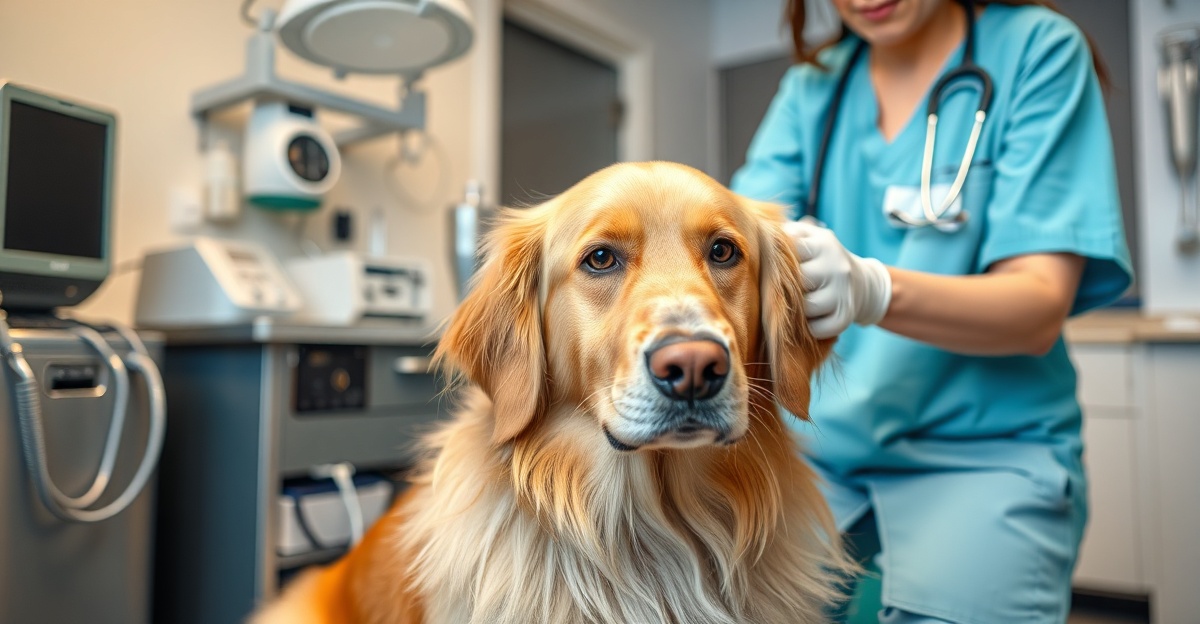
Ozone therapy for dogs is a veterinary treatment that uses medical-grade ozone gas to fight infections, reduce inflammation, support cancer treatment, and accelerate wound healing. Rectal insufflation is the most common delivery method. A growing number of integrative veterinarians now offer ozone as part of their practice, and early clinical research in canines shows promising results for specific conditions.
Key Takeaways
- Veterinary ozone therapy is used for infections, arthritis, cancer support, wound healing, and dental disease in dogs
- Rectal insufflation is the most common and least invasive delivery method for dogs
- A 2024 study found ozone improved survival rates and quality of life in dogs with mammary cancer undergoing chemotherapy
- A 2023 retrospective study showed 62% complete remission in dogs with intervertebral disc protrusions treated with ozone
- Cost ranges from $75-250 per session, with most protocols requiring 6-10 sessions
- Ozone is used as a complementary treatment alongside conventional veterinary care, not as a replacement
Why Veterinarians Use Ozone Therapy
Ozone (O3) has three well-documented biological effects that make it useful in veterinary medicine. It kills bacteria, viruses, and fungi on contact. It modulates the immune system, calming overactive responses while boosting underactive ones. And it reduces inflammation by regulating pro-inflammatory cytokines.1
For dogs specifically, ozone therapy has gained traction because it can address conditions where conventional treatments have limitations. Dogs with chronic infections that don’t fully respond to antibiotics. Older dogs with arthritis who can’t tolerate NSAIDs long-term. Cancer patients dealing with chemotherapy side effects. These are the cases where integrative veterinarians reach for ozone.
A comprehensive review by Teixeira et al. (2020) documented ozone’s mechanisms of action across mammalian species, noting its antimicrobial, anti-inflammatory, and immunomodulatory properties in veterinary contexts.2
Conditions Treated with Ozone in Dogs
Infections
Ozone is a potent antimicrobial. It destroys bacteria, viruses, and fungi by oxidizing their cell membranes. In dogs, this is particularly useful for chronic or resistant infections including skin infections (pyoderma), ear infections, urinary tract infections, and tick-borne diseases.
Topical ozone applications using ozonated oils or direct gas exposure are used for skin infections and wound infections. Systemic delivery through rectal insufflation or major autohemotherapy (MAH) is used for deeper or systemic infections.
Arthritis and Joint Disease
Osteoarthritis affects up to 20% of dogs over the age of one. Ozone’s anti-inflammatory properties make it a useful adjunct for managing joint pain, particularly in dogs who have adverse reactions to pharmaceutical pain management.
Ozone can be delivered locally via intra-articular injection directly into affected joints, or systemically through rectal insufflation. The anti-inflammatory effect comes from ozone’s ability to modulate Nuclear Factor kappa-B (NF-kB), a key driver of inflammatory cascades.3
Cancer Support
A 2024 study by researchers published in Antioxidants evaluated ozone therapy in 25 female dogs with mammary cancer undergoing chemotherapy. Dogs were divided into two groups: 11 treated with carboplatin alone and 14 with carboplatin plus ozone therapy.4
The results were notable. Dogs in the ozone group had higher red blood cell and platelet counts, experienced less intense and less frequent adverse reactions to chemotherapy, showed increased total antioxidant capacity, and had reduced malondialdehyde (a marker of oxidative damage). Most importantly, the ozone group had significantly better survival rates and quality of life scores.
“Dogs receiving carboplatin plus ozone therapy had significantly better survival rates, quality of life, and fewer adverse reactions than those on chemotherapy alone.”
Antioxidants, 2024
Intervertebral Disc Disease
A 2023 retrospective study published in Animals evaluated medical ozone as an adjuvant treatment for 21 dogs with intervertebral disc protrusions. The dogs had a mean age of 12 years and represented various breeds.5
Results showed pain relief within an average of 7 days, improvement of neurological signs within 11 days, and increased quality of life within 13 days. Thirteen of 21 patients (62%) achieved complete remission of clinical signs. These are encouraging numbers for a condition that often requires expensive surgery or long-term medication.
Wound Healing
Ozone accelerates wound healing through multiple mechanisms. It increases local oxygen delivery, stimulates growth factors, and kills wound-bed bacteria. Dogs treated with intra-lesional ozone injections and ozonated sunflower oil showed rapid granulation tissue formation and re-epithelialization.3
If your dog is recovering from surgery or injury, hyperbaric oxygen therapy for pets is another option that uses oxygen to speed healing, though it requires specialized chambers and is more widely available at veterinary referral centers.
Dental Disease
Periodontal disease affects over 80% of dogs by age three. Ozone can be applied directly to infected gum tissue to kill bacteria and reduce inflammation. It’s used as an adjunct to dental cleaning, not a replacement for it. Ozonated water irrigation during dental procedures helps disinfect periodontal pockets.
Delivery Methods for Dogs
| Method | How It Works | Best For | Invasiveness |
|---|---|---|---|
| Rectal insufflation | Ozone gas introduced into colon via catheter | Systemic conditions, infections, immune support | Minimal |
| Major autohemotherapy (MAH) | Blood drawn, mixed with ozone, reinfused | Cancer, chronic infections, immune modulation | Moderate (requires IV access) |
| Topical (gas or ozonated oil) | Direct application to skin or wounds | Wounds, skin infections, hot spots | None |
| Intra-articular injection | Ozone gas injected directly into joints | Arthritis, joint inflammation | Moderate (may require sedation) |
| Ozonated saline IV | Saline infused with ozone, administered IV | Systemic infections, liver support | Moderate |
Rectal insufflation is the most commonly used method in veterinary practice. It’s quick (5-10 minutes), non-invasive, well-tolerated by most dogs, and provides systemic effects. Ozone gas is gently introduced into the colon through a small catheter. The medical ozone is absorbed through the intestinal lining and enters the bloodstream, reaching tissues throughout the body.
Most dogs tolerate rectal insufflation without sedation. Some may be mildly uncomfortable or restless for the first session but typically settle into subsequent treatments without issue.
What a Vet Ozone Session Looks Like
A typical ozone therapy session for a dog follows this pattern:
Initial consultation (first visit): The veterinarian reviews your dog’s medical history, current medications, and condition. Blood work may be ordered to establish a baseline. The vet will explain the treatment plan and expected timeline.
Rectal insufflation session: The dog lies on its side on a treatment table. A lubricated catheter is gently inserted. Medical-grade ozone at a specific concentration (typically 20-40 mcg/mL) is slowly infused over 5-10 minutes. The total volume depends on the dog’s size. The procedure is painless for most dogs.
MAH session: A small amount of blood is drawn from the dog (proportional to body weight), mixed with ozone in a sterile bag, and reinfused through an IV line. This takes 30-45 minutes and may require mild sedation depending on the dog’s temperament.
Post-treatment: Dogs can typically go home immediately after treatment. There’s no recovery period. Some dogs are slightly more energetic after treatment; others may be mildly tired.
Cost of Ozone Therapy for Dogs
| Treatment | Cost Per Session | Typical Protocol | Total Estimated Cost |
|---|---|---|---|
| Rectal insufflation | $75-150 | 6-10 sessions, 1-2x/week | $450-1,500 |
| Major autohemotherapy | $150-250 | 6-10 sessions, 1-2x/week | $900-2,500 |
| Topical application | $50-100 | As needed | Varies |
| Intra-articular injection | $100-200 | 3-6 sessions | $300-1,200 |
Pet insurance generally does not cover ozone therapy, as it falls under integrative or complementary medicine. Some policies with holistic care riders may provide partial coverage. Check your specific plan before starting treatment.
Finding a Vet Who Offers Ozone
Ozone therapy requires specialized training and equipment. Not every veterinarian offers it. Here’s how to find a provider:
- American Holistic Veterinary Medical Association (AHVMA) has a searchable directory of integrative and holistic veterinarians
- Chi University and IVAS train veterinarians in integrative therapies including ozone
- Search for “integrative veterinarian” or “holistic vet” plus your city
- Ask specifically about ozone therapy experience and which conditions they’ve treated with it
Safety Considerations
Ozone therapy is generally considered safe when administered by a trained veterinarian at appropriate concentrations. Key safety points:
- Ozone must never be inhaled. It’s a respiratory irritant. Proper equipment and ventilation are essential.
- Concentration matters. Too little is ineffective; too much can cause oxidative damage. This is why proper training and calibrated equipment are non-negotiable.
- Not appropriate for all conditions. Dogs with hyperthyroidism, G6PD deficiency, or active hemorrhage should not receive ozone therapy.
- Medication interactions: Discuss all current medications with the vet. Ozone can interact with certain drugs, particularly anticoagulants.
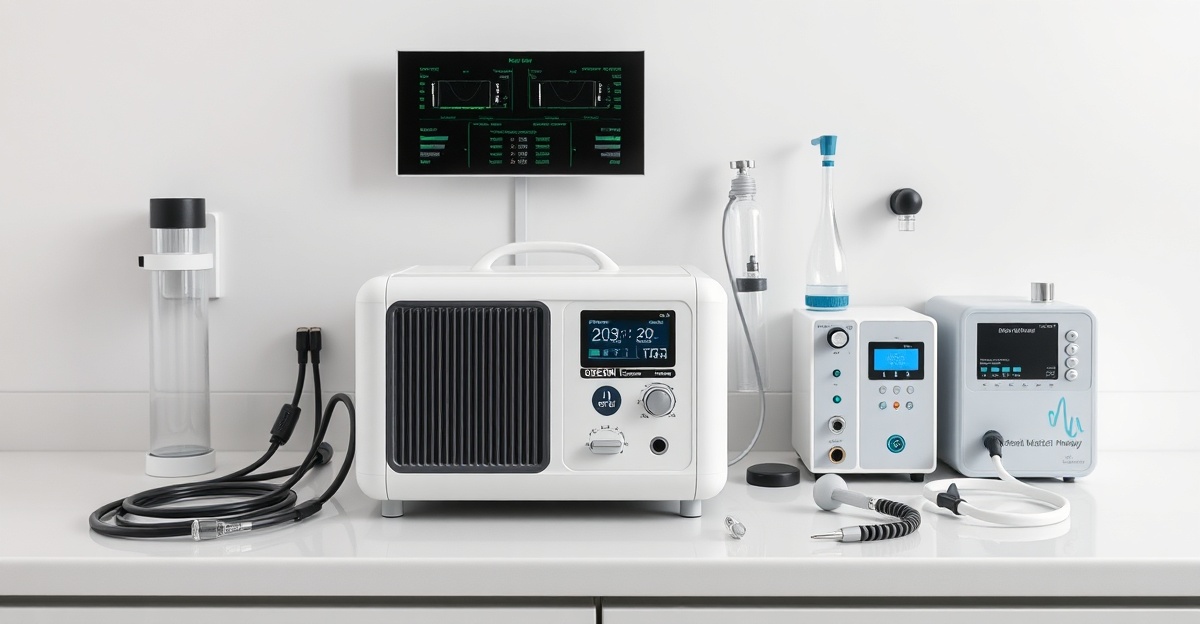
- Quality of ozone generator matters. Medical-grade generators produce precise concentrations. Industrial or home-use ozone generators are not appropriate for medical use.
A 2024 safety and pharmacokinetics study on rectal ozone insufflation in dogs confirmed the procedure’s safety profile when performed according to established protocols.6
Ozone therapy for dogs is a growing field with real clinical evidence behind specific applications. It works best as part of an integrative approach, combining conventional veterinary medicine with complementary therapies. Talk to a qualified integrative veterinarian about whether it makes sense for your dog’s specific condition.
Sources
- Teixeira LR, et al. Ozone therapy in veterinary medicine: A review. Res Vet Sci. 2020;130:240-246. doi:10.1016/j.rvsc.2020.03.026
- Teixeira LR, et al. Ozone therapy in veterinary medicine: A review. Res Vet Sci. 2020;130:240-246. doi:10.1016/j.rvsc.2020.03.026
- Sciorsci RL, et al. Ozone and its derivatives in veterinary medicine: A careful appraisal. Vet Anim Sci. 2021;13:100191. doi:10.1016/j.vas.2021.100191
- Silva BF, et al. Ozone Therapy in the Integrated Treatment of Female Dogs with Mammary Cancer: Oxidative Profile and Quality of Life. Antioxidants. 2024;13(6):673. doi:10.3390/antiox13060673
- Dall’Aglio C, et al. Efficacy of Medical Ozone as an Adjuvant Treatment in Dogs with Intervertebral Disc Protrusions – A Retrospective Study. Animals. 2023;13(23):3717. doi:10.3390/ani13233717
- Ozone therapy by rectal insufflation in dogs: safety and pharmacokinetics. Vet Rec. 2024. doi:10.1002/vetr.4173