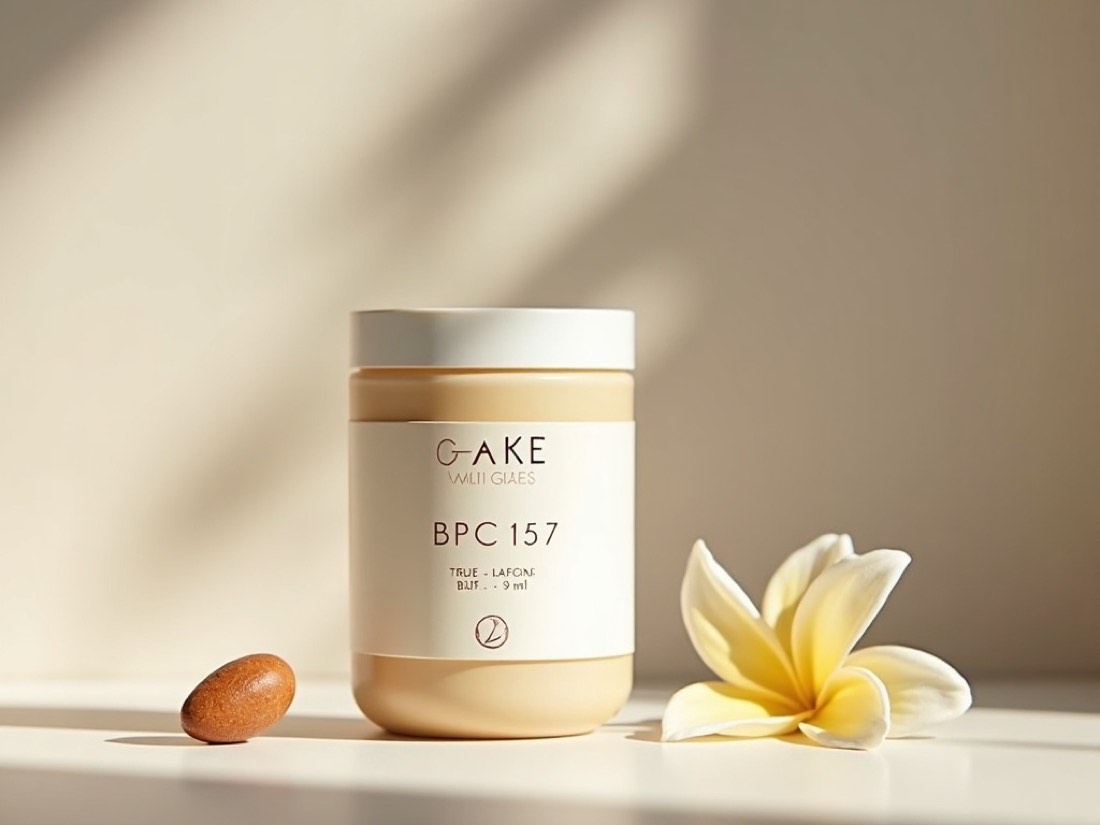
A thorough look at BPC-157 peptide therapy for GI repair: how it promotes angiogenesis and growth factors, what the animal evidence shows for ulcers and IBD, oral versus injectable dosing, and why human RCT data is still missing.
Colon hydrotherapy (colonics) uses warm water to gently flush the large intestine. This guide covers how it works, potential benefits, safety considerations, what the research says, and how it fits into a broader gut health strategy.
A comprehensive guide to extracorporeal shockwave therapy (ESWT) — types, conditions treated, evidence for plantar fasciitis, tendinopathy, ED, costs, and what to expect.
Perimenopause can start years before your last period, with symptoms that mimic thyroid disease, anxiety disorders, and sleep problems. Here’s how to recognize what’s actually happening and when to get help.
How ketamine treats chronic pain through NMDA antagonism and central sensitization reversal. Evidence for CRPS (50-80% response), fibromyalgia, neuropathic pain, infusion protocols, and at-home options.
Ketamine therapy is one of the fastest-acting treatments for treatment-resistant depression, chronic pain, and PTSD. This guide covers the science, different formats (IV, nasal, oral, IM), costs, and what a session actually looks like.
At a Glance Prolotherapy: Injects dextrose (sugar water) to trigger a controlled inflammatory response that stimulates the body’s natural repair process. Cost: $200-$600 per session. PRP (Platelet-Rich Plasma): Injects concentrated platelets from your own blood, delivering growth factors directly to damaged tissue. Cost: $500-$2,000 per session. Key difference: Prolotherapy triggers healing indirectly through inflammation. PRP…
At a Glance Whole body cryotherapy (WBC) uses chambers cooled to -110C to -160C with sessions lasting 2 to 3 minutes. Ice baths (cold water immersion) typically range from 0C to 15C with sessions lasting 5 to 20 minutes. Both methods reduce inflammation and muscle soreness, but they work through slightly different mechanisms. Ice baths…
The Dose Problem: Why Many Patients Quit Too Early Most neurofeedback studies that show significant benefit use 20-40 sessions. Many patients in real-world clinical settings quit after 10-15 sessions, either because they feel some improvement and assume it is “enough,” because the time and financial commitment becomes too much, or because they have not yet…
Hormone replacement therapy for menopause has been misunderstood for over two decades. Here’s what the science actually says about HRT types, benefits, risks, and how to make an informed decision.
Eczema at a Glance 🔬 What it is: A group of chronic inflammatory skin conditions that cause dry, itchy, and inflamed skin 👶 Prevalence in children: Affects up to 25% of children worldwide 🧑 Prevalence in adults: Affects roughly 7-10% of adults 🧬 Root cause: A combination of genetic predisposition (especially filaggrin gene mutations), immune…