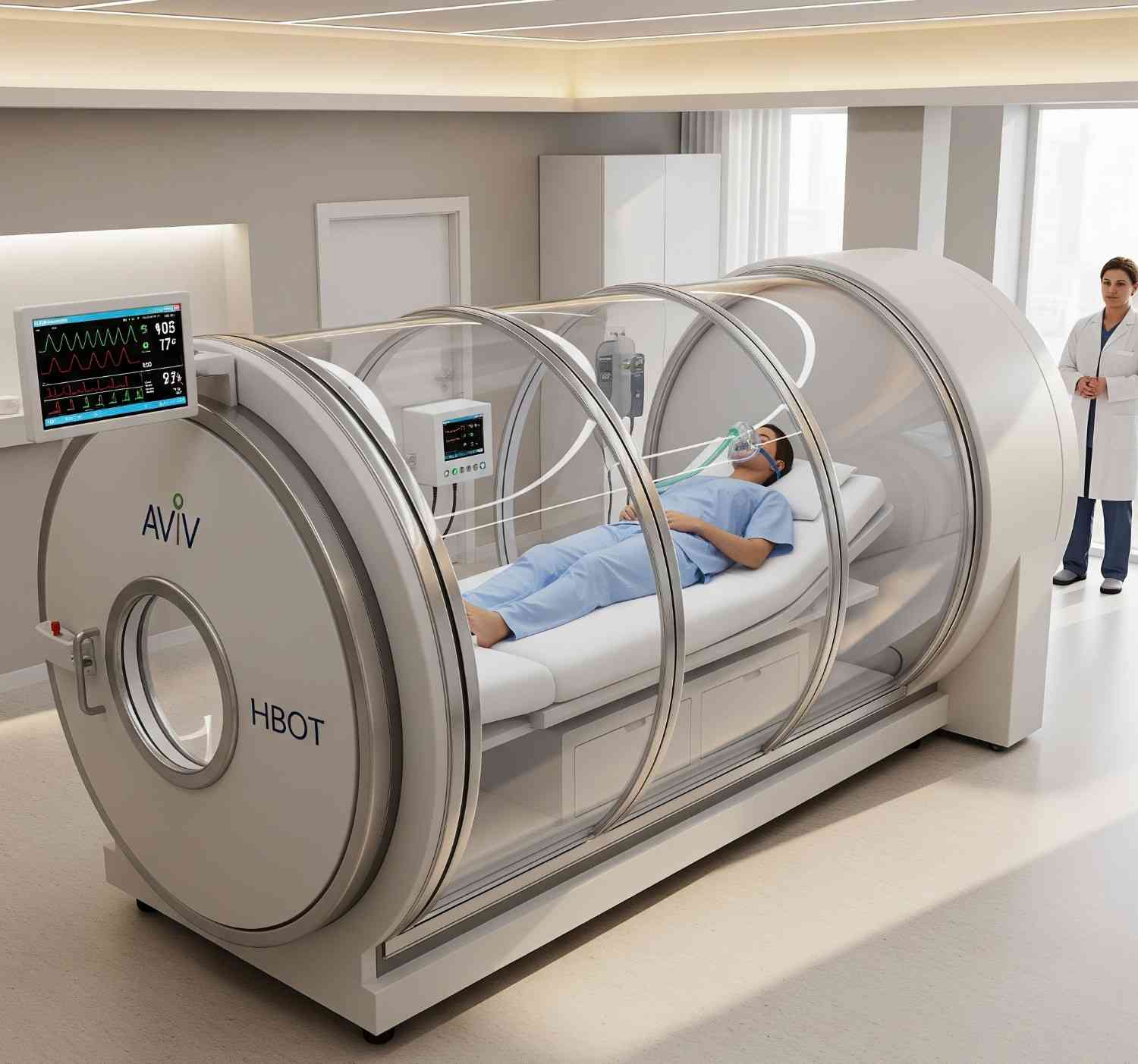
Aviv HBOT is a 60-session hyperbaric oxygen therapy protocol at 2.0 ATA, developed at Israel's Sagol Center, that alternates 100% oxygen with air breaks. Its cognitive and telomere results come from one research group and await independent replication.
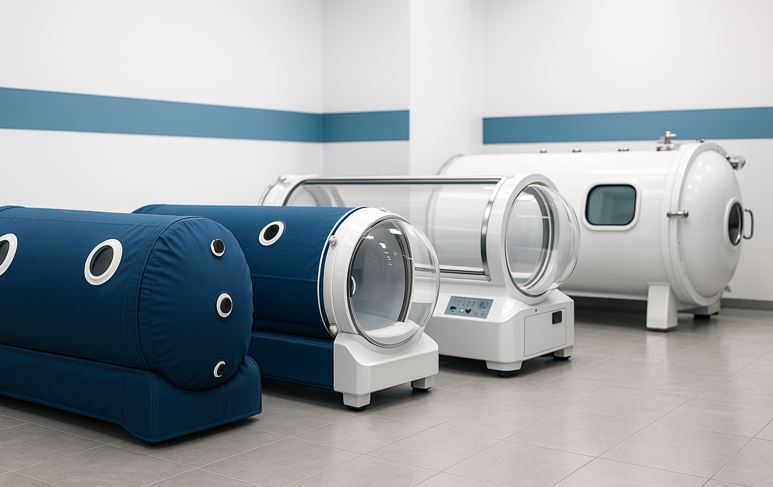
A hyperbaric chamber costs $2,500 to $20,000 for a soft-shell home unit and $25,000 to $136,000 for a personal hard-shell unit. A clinic HBOT session averages about $200, and Medicare paid $595.86 per session in 2022.
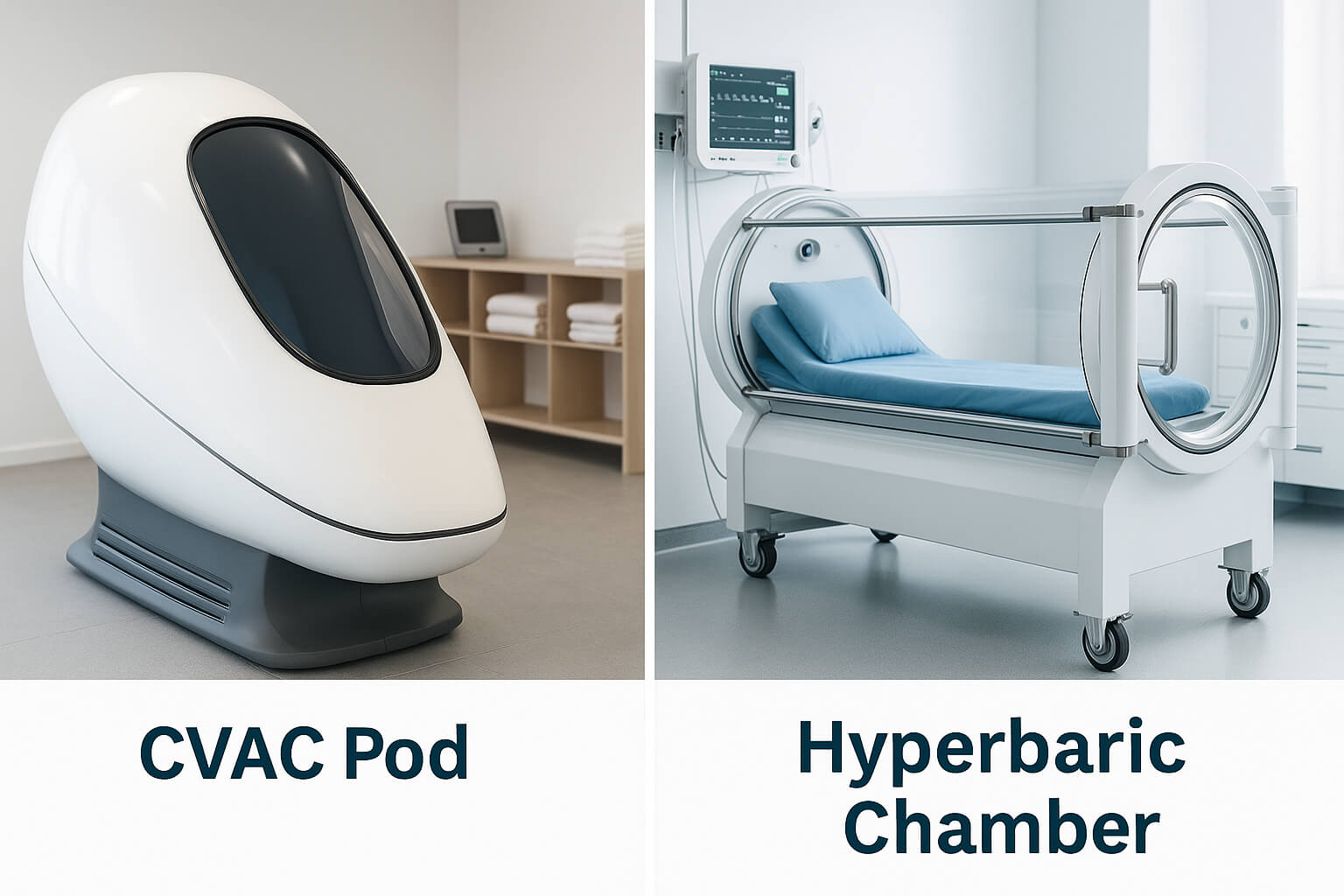
A CVAC machine, or CVAC pod, cycles air pressure down to simulate altitude without added oxygen, while a hyperbaric chamber raises pressure as you breathe up to 100% oxygen. CVAC rests on 2 small studies; HBOT has 14 UHMS-recognized indications.
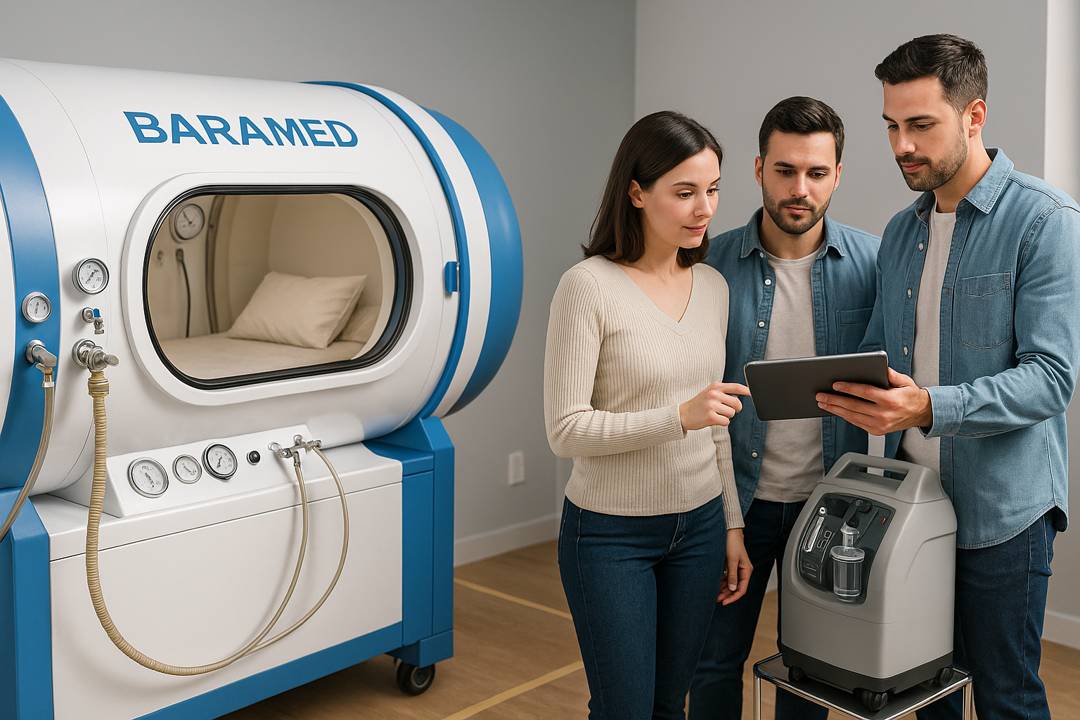
There is no BARA-MED long neck model. ETC built three configurations, the BARA-MED, Select and XD, all 34 inch acrylic monoplace chambers rated to 3.0 ATA and now sold and serviced by Perry Baromedical.
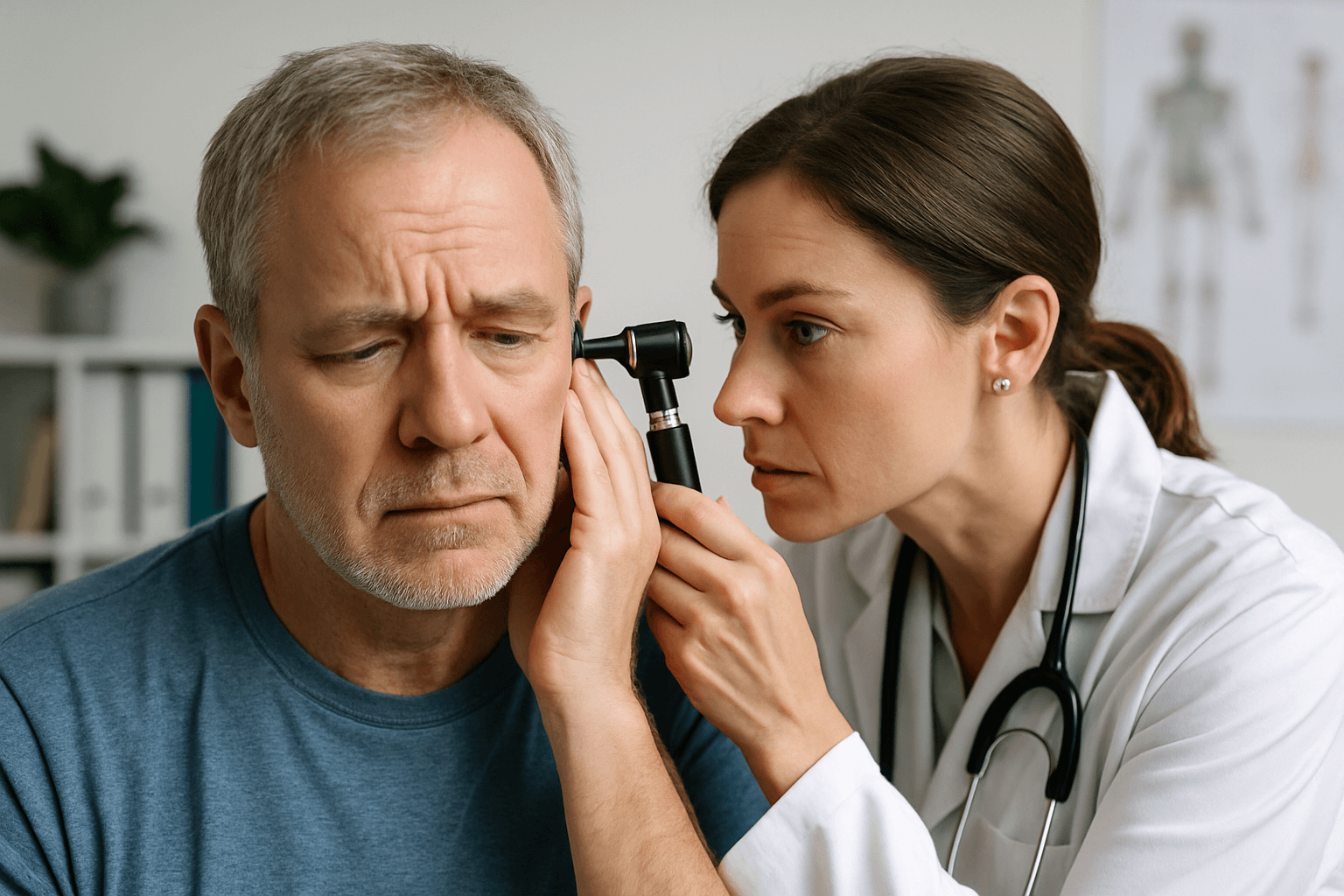
A hyperbaric chamber can cause ear pressure and temporary muffled hearing, but permanent hearing loss from HBOT is not documented in large studies. HBOT plus steroids is also a guideline option for sudden hearing loss treated within 2 weeks.
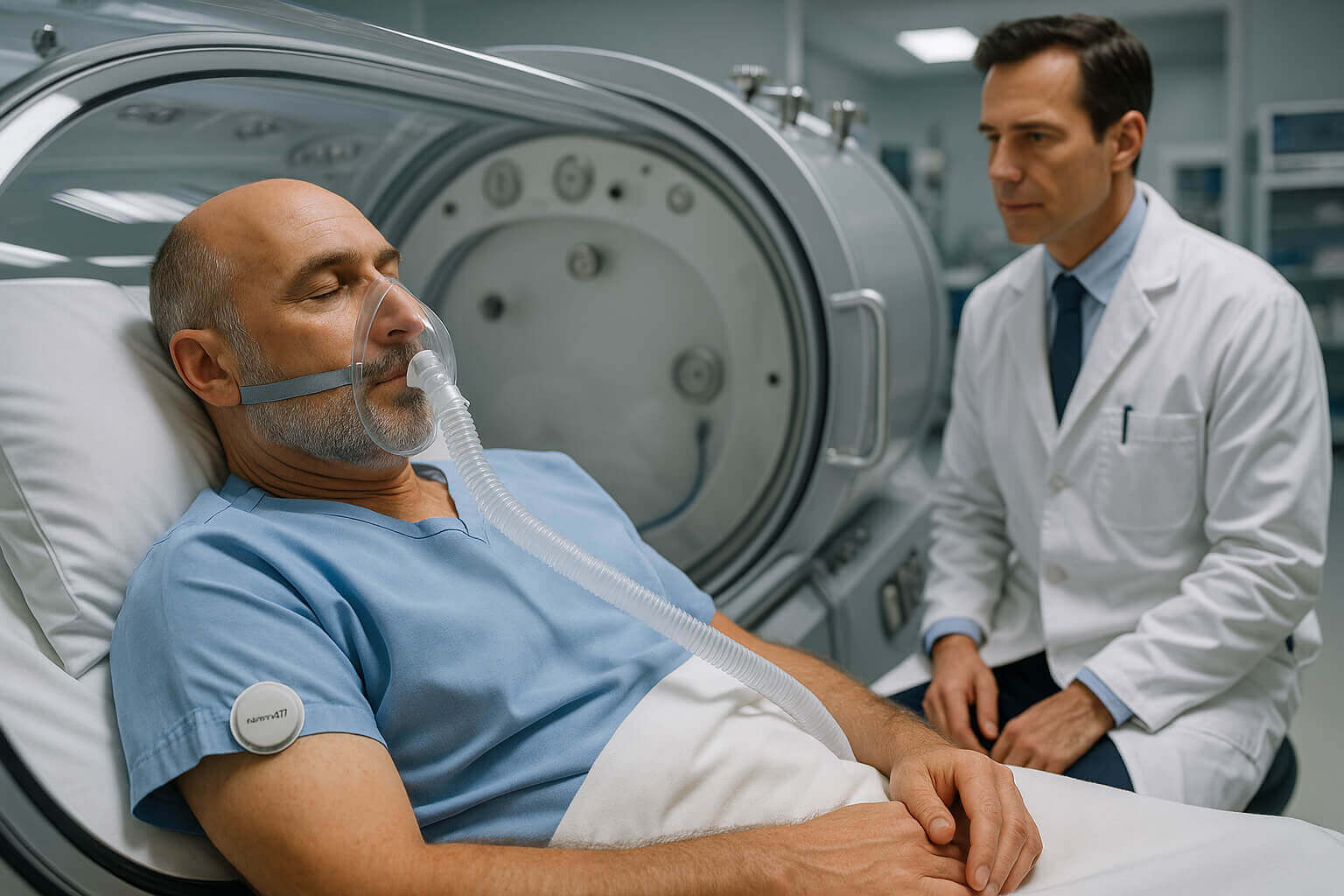
You cannot wear a Dexcom G7, an arm-worn FreeStyle Libre or any other CGM inside a hyperbaric chamber. Remove it before every session and check glucose by fingerstick before and after.
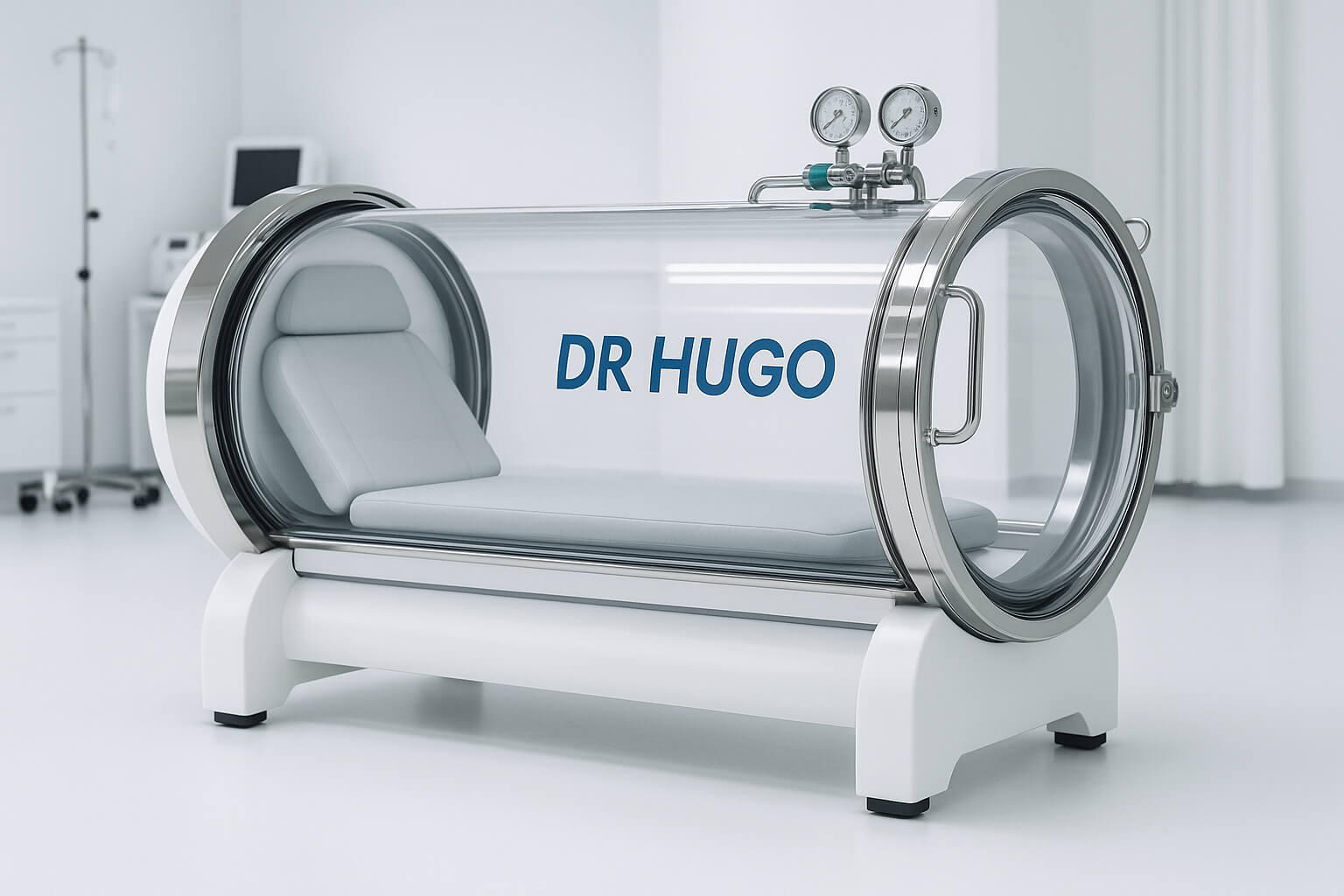
The Dr. Hugo hyperbaric chamber is a hard-shell, sit-in pod from LANNX that reaches 1.5 ATA and costs roughly $6,000 to $10,000. It is CE and ISO 13485 certified but not FDA cleared.
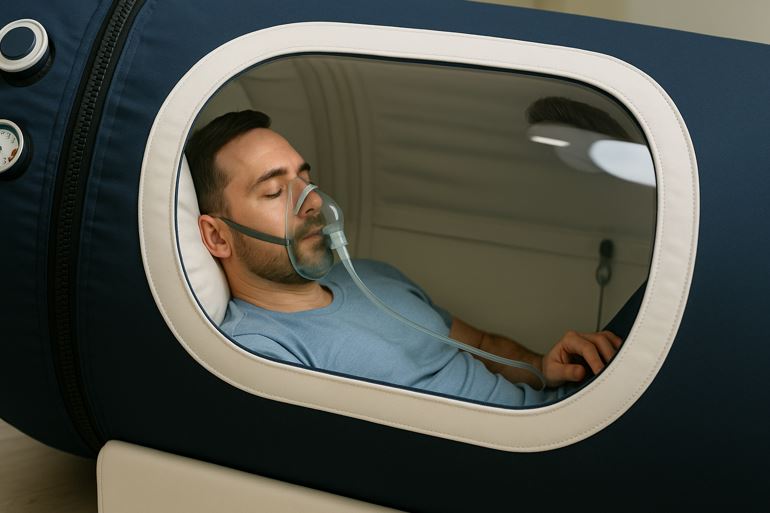
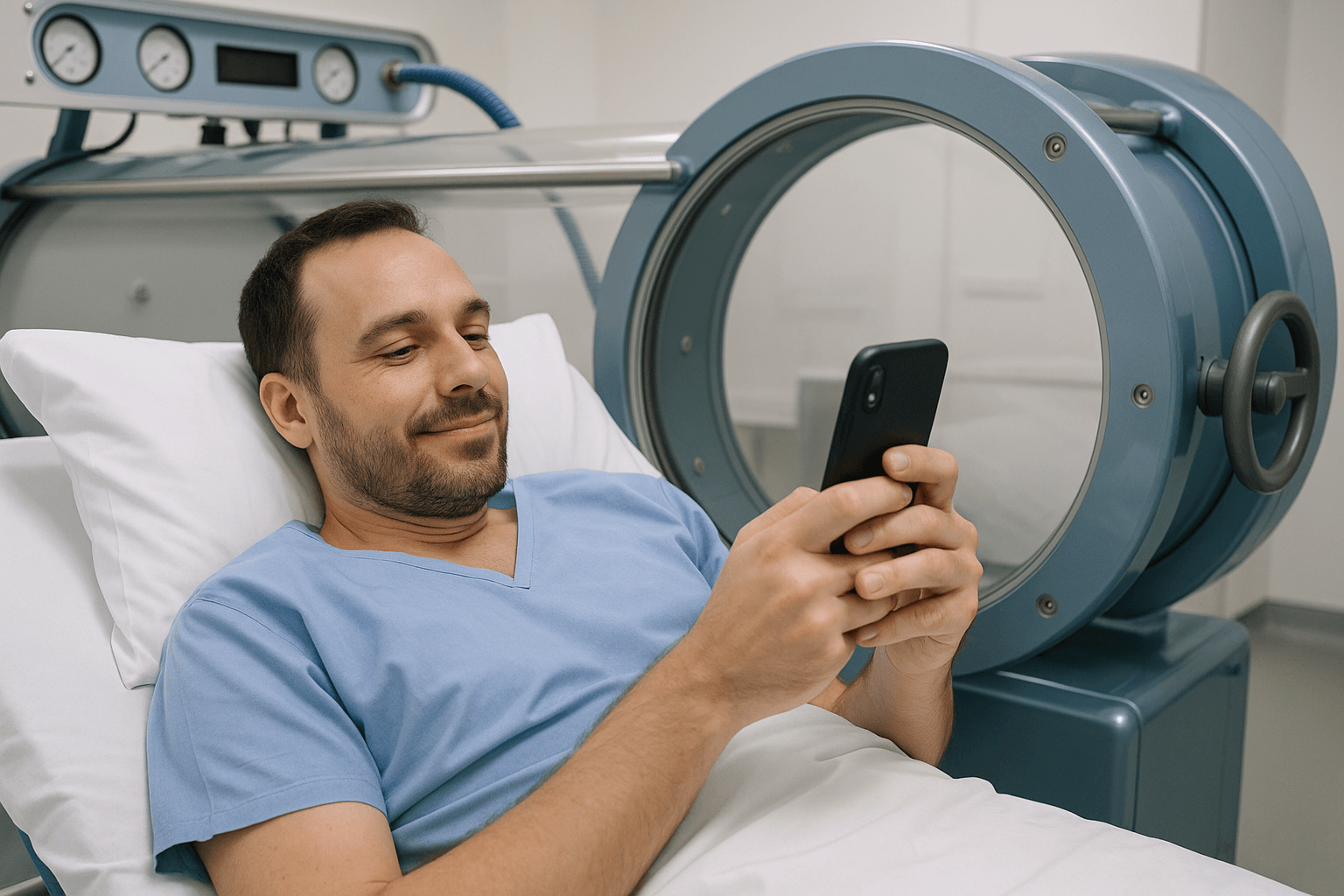
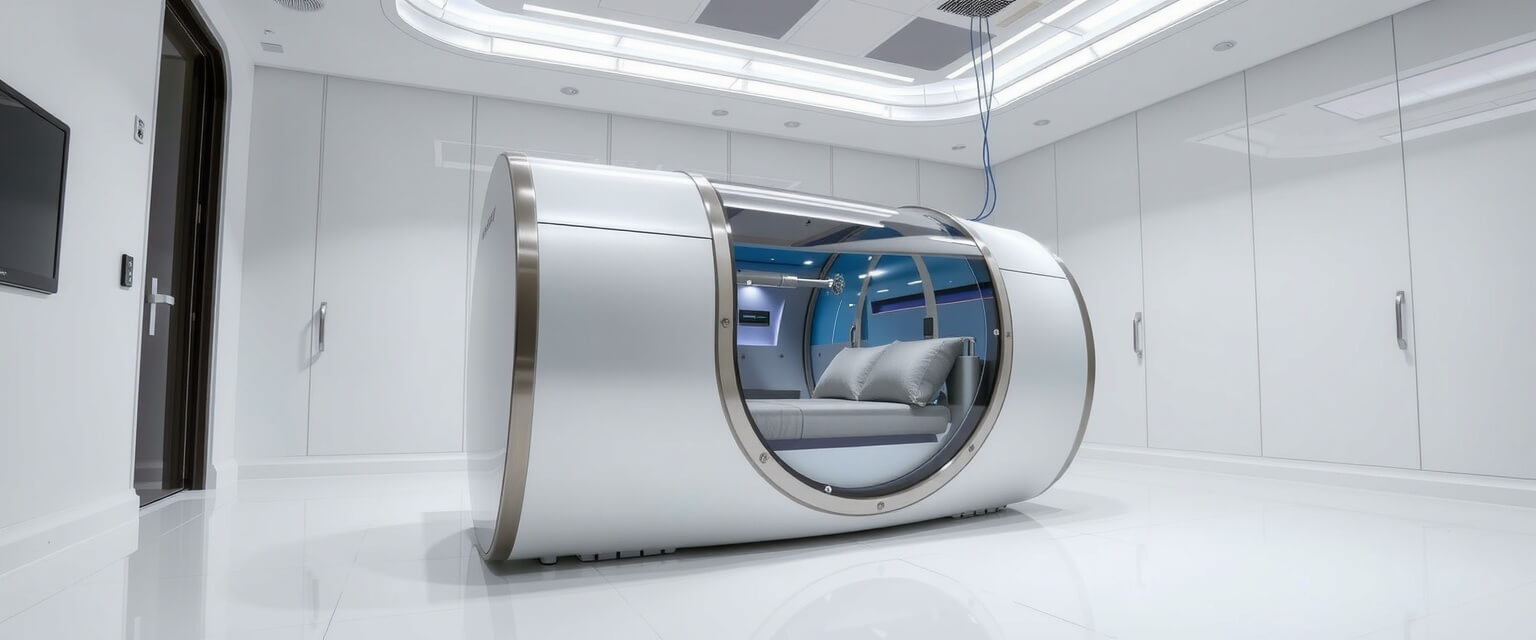
A hyperbaric chamber is a pressurized tube or room where you breathe 100% oxygen at 1.4 to 3.0 times normal air pressure, driving 10 to 20 times more oxygen into your tissues. The FDA has cleared it for 14 conditions.