Cryotherapy Near Me: How to Find a Safe, Effective Provider
Explore the clinic directoryIn this article
To find a safe cryotherapy provider near you, start with a list of local centers, then choose the one that screens your health before the first session, keeps a trained operator with you for the whole two to four minute exposure, and can explain its chamber type, oxygen monitoring and emergency plan. Whole-body cryotherapy (WBC) runs at -110°C to -140°C, and according to the FDA (2016) no whole-body cryotherapy device is cleared or approved to treat any medical condition, so a provider’s safety habits matter more than its address [1, 12].
At a Glance
- Whole-body cryotherapy (WBC) exposes the body to temperatures between -110°C and -140°C for two to four minutes, triggering anti-inflammatory and analgesic responses [1].
- Not all cryotherapy centers are created equal. Safety certifications, trained operators, and proper equipment maintenance are non-negotiable when choosing a provider.
- Whole-body cryotherapy chambers and localized cryotherapy devices serve different purposes, and a good facility will explain which option fits your goals.
- Session pricing typically ranges from $40 to $100 for a single visit, with package deals bringing the per-session cost down significantly.
- Your first session should include a health screening, a walkthrough of safety protocols, and clear instructions on what to wear and how long you will be in the chamber.
Why “Cryotherapy Near Me” Is Only the Starting Point
Searching for “cryotherapy near me” will give you a list of locations, but proximity alone should not drive your decision. The cryotherapy industry has grown rapidly over the past decade, and the quality of providers varies widely. Some facilities operate with medical-grade equipment, trained technicians, and strict safety protocols. Others cut corners in ways that put clients at risk [1].
Before booking your first (or next) cryotherapy session, it pays to check the chamber type, staff training, health screening, pricing and the research behind the claims. Whether you are exploring cryotherapy for athletic recovery, chronic pain, or general wellness, knowing what separates a reputable center from a questionable one will save you time, money, and potential harm.
What Is Cryotherapy and How Does It Work?
Cryotherapy is the short-term use of extreme cold on the body to reduce pain, inflammation and muscle soreness. In recovery and wellness settings it is also called cryostimulation, cold therapy or cryo, and it comes in three main forms: whole-body cryotherapy (WBC), partial-body cryotherapy (PBC) in a cryosauna or cryo-cabin, and localized cryotherapy aimed at one joint or muscle [6].
The cold works through the skin and the nervous system rather than by freezing tissue. Skin temperature drops quickly, blood vessels near the surface constrict, and the body releases norepinephrine and beta-endorphin. Leppäluoto and colleagues (2008) measured a sharp rise in plasma norepinephrine after whole-body cold exposure in healthy women, which is one explanation for the alert, upbeat feeling people describe afterward [9].
The word cryotherapy also names an unrelated medical procedure: a dermatologist or primary care physician freezing a wart, skin tag or precancerous spot with liquid nitrogen. That is office-based treatment of one lesion, often billed to insurance. If that is what you need, look for a dermatology practice. Recovery centers, sports medicine practices and wellness clinics use the same word for the cold chambers and handheld devices described next. For a fuller overview of mechanisms, uses and evidence, see the cryotherapy treatment guide.
Types of Cryotherapy: Whole-Body vs. Localized
Before you start calling providers, it helps to understand the two main categories of cryotherapy you will encounter.
Whole-Body Cryotherapy (WBC)
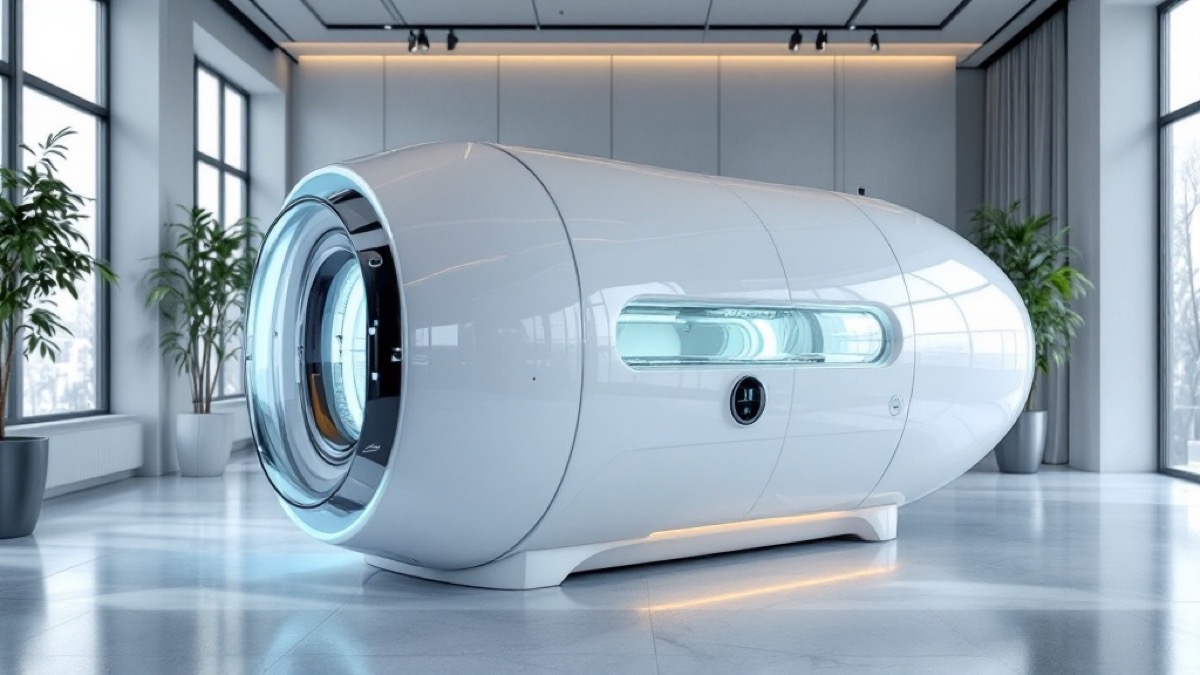
Whole-body cryotherapy involves stepping into a chamber (either a cryo-cabin or a walk-in room) that exposes your entire body to extreme cold, typically between -110°C and -140°C. Sessions last two to four minutes. The cold triggers a systemic response: blood vessels constrict, inflammatory markers drop, and the nervous system releases endorphins and norepinephrine [2, 3].
There are two main chamber designs. Cryo-cabins (also called cryosaunas) are single-person units where your head remains above the chamber. Walk-in cryotherapy rooms (electric chambers) cool the entire room uniformly, including the air you breathe. Research suggests that electric walk-in chambers may produce more consistent cooling across the body because the head is also exposed to cold temperatures, which can amplify the autonomic nervous system response [4].
Localized Cryotherapy
Localized cryotherapy targets a specific area of the body using a handheld device or a focused cryo-applicator. It is often used for joint pain, muscle injuries, or post-surgical recovery. Sessions typically last five to ten minutes per treatment area. Think of it as a high-tech upgrade to an ice pack, delivering much colder temperatures in a controlled, precise way [5].
A well-equipped cryotherapy center will often offer both options and help you determine which approach matches your goals.
How the Three Setups Compare
The table below sets the formats side by side, using the temperatures, durations and safety points described in the sections above and in Bouzigon and colleagues’ 2016 review of cryotherapy technologies [6, 7].
| Format | How it cools | Head exposed? | Typical session | Main safety check |
|---|---|---|---|---|
| Cryo-cabin (cryosauna, partial-body) | Liquid nitrogen vapor, single person | No, head stays above the rim | Two to three minutes | Oxygen monitoring and room ventilation |
| Walk-in chamber (whole-body) | Electric refrigeration, cooled breathable air | Yes | Two to four minutes | Window or camera supervision and intercom |
| Localized device | Handheld nozzle of cold air or nitrogen vapor | Not applicable | Five to ten minutes per area | Skin checks to prevent cold burns |
What to Look for in a Cryotherapy Center
Trained and Certified Staff
The person operating the cryotherapy equipment should have formal training, not just a quick tutorial from the previous employee. Ask whether staff members hold certifications from the equipment manufacturer or from professional organizations. In the United States, there is no single federal regulatory body for cryotherapy, which makes staff competence even more important [6].
Some centers work alongside licensed clinicians such as physical therapists, chiropractors, athletic trainers or sports medicine physicians, who can fit cryotherapy into a wider rehabilitation plan. A clinician on site is not a requirement for a wellness session, but it is a meaningful plus if you are using cold for an injury, arthritis or a chronic pain condition.
Equipment Quality and Maintenance
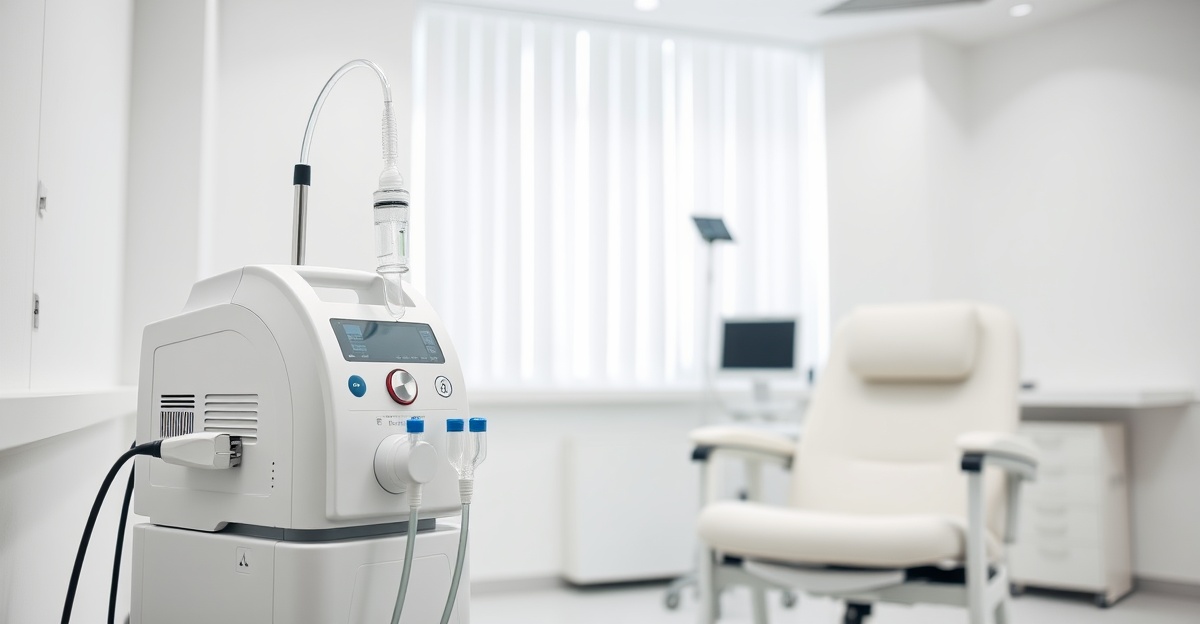
Find out what make and model of cryotherapy equipment the facility uses and how old it is. A well run center can name its manufacturer, describe the safety features built into the unit, such as automatic shutoff and door releases that open from the inside, and tell you when the equipment was last serviced. Well-maintained chambers should have documented maintenance logs. If the staff cannot answer basic questions about their equipment, that is a problem.
Safety Protocols
A responsible cryotherapy provider will have clear, written safety protocols. These should include a pre-session health screening (checking for contraindications like uncontrolled hypertension, Raynaud’s disease, cold urticaria, or pregnancy), oxygen monitoring in the treatment room (nitrogen-cooled chambers displace oxygen), and emergency procedures [7].
Clean, Professional Environment
The facility should look and feel like a health-focused business. Clean treatment areas, proper ventilation, and a professional intake process all signal that the operator takes their business seriously.
Questions to Ask Before Booking
Walking into a cryotherapy center without asking questions is like choosing a surgeon based solely on their office location. Here are the questions that matter most:
- What type of chamber do you use, and is it nitrogen-cooled or electric? Both designs are in wide use, and each has different safety considerations. Nitrogen-based systems require proper ventilation and oxygen monitoring [7].
- What training do your operators have? Look for specific certifications or formal training programs.
- Do you perform a health screening before the first session? Any provider that skips this step is cutting a critical corner.
- What are your emergency protocols? Staff should be able to describe exactly what happens if a client has an adverse reaction.
- How cold does the chamber get, and how long are sessions? Temperatures should fall between -110°C and -140°C, and sessions should not exceed four minutes for whole-body treatments [1].
- Can I see your maintenance and inspection records? A transparent provider will not hesitate to share this information.
- Is a clinician involved if I am coming for pain or an injury? A center that works with a physical therapist or physician can coordinate cold sessions with the rest of your care.
What to Expect at Your First Session
Knowing what to expect removes the anxiety many first-timers feel. Here is the typical flow at a reputable cryotherapy center.
Before the Session
You will fill out a health questionnaire and consent form. The operator should review your medical history and flag any contraindications. You will be given instructions on what to wear: typically underwear or a bathing suit, along with provided gloves, socks, and slippers to protect your extremities. All jewelry and piercings should be removed. Your skin must be completely dry, as moisture can cause frostbite at these temperatures [8].
During the Session
For whole-body cryotherapy, you will step into the chamber and the operator will gradually bring the temperature down. Most sessions last between two and three minutes. You will feel intense cold, but it should remain tolerable. The operator should be monitoring you the entire time, either visually (in a cryo-cabin where your head is above the unit) or through a window and intercom system (in walk-in chambers) [1].
Your body will respond with vasoconstriction (blood vessels narrowing), and you may notice tingling or mild numbness in your extremities. This is normal. If at any point you feel dizzy, lightheaded, or experience sharp pain, signal the operator immediately. You can always exit the chamber early.
After the Session
Once you step out, blood rushes back to your extremities as your body rewarms. Many people report feeling energized, experiencing a mood boost, and noticing reduced muscle soreness within the first hour. The endorphin and norepinephrine release triggered by the cold exposure can create a noticeable sense of well-being [3, 9].
Pricing: What Cryotherapy Costs
Cryotherapy pricing varies by region, facility type, and the technology used. Here is a general breakdown of what you can expect in the United States:
- Single session: $40 to $100
- Package of 5 to 10 sessions: $150 to $500 (bringing per-session costs to $30 to $50)
- Monthly memberships: $150 to $400 for unlimited or semi-unlimited access
- Localized cryotherapy: $25 to $60 per area, per session
Be cautious of providers offering sessions significantly below market rate. Very low pricing sometimes indicates outdated equipment, undertrained staff, or skipped safety measures. Premium pricing does not automatically mean a better experience either. Focus on the quality indicators discussed above rather than price alone.
Does Insurance Cover Cryotherapy?
Whole-body cryotherapy is almost always paid out of pocket. Health plans generally do not cover it, because the FDA has not cleared or approved any whole-body cryotherapy device to treat a medical condition and the evidence for most uses is still limited [12].
Cold applied as part of a physical therapy or sports medicine visit is different: it may be folded into a covered rehabilitation session. Some people also ask whether a health savings account (HSA) or flexible spending account (FSA) can pay for cryotherapy. The answer depends on your plan administrator, and many require a letter of medical necessity from your physician, so ask the plan before you buy a package.
How Often Should You Do Cryotherapy?
Frequency depends on your goals. Research on whole-body cryotherapy protocols varies, but general guidelines based on the published literature include:
- Athletic recovery: Three to five sessions per week during heavy training periods [10].
- Chronic pain or inflammation: Two to three sessions per week for the first few weeks, then tapering to once or twice per week as symptoms improve [11].
- General wellness: One to three sessions per week is a common maintenance protocol.
- Acute injury: Daily sessions for three to five days, then reassess [5].
A good provider will help you build a protocol based on your specific situation rather than pushing you into the most expensive package.
What Does the Research Say About Cryotherapy?
The research on cryotherapy is promising in places and thin in others. Most studies are small, short and run in athletes or healthy volunteers, and the strongest summary of the evidence is cautious. A 2015 Cochrane review by Costello and colleagues found insufficient evidence to say whether whole-body cryotherapy reduces muscle soreness or improves recovery after exercise [7].
For inflammatory joint disease, Guillot and colleagues (2014) reviewed cryotherapy in conditions such as rheumatoid arthritis and reported short-term reductions in pain and disease activity, while noting that the trials were small and varied in design [11]. Rymaszewska and colleagues (2008) studied whole-body cryotherapy as an add-on to standard treatment for depressive and anxiety disorders, which is early, exploratory work rather than a basis for replacing care [13].
| Use people ask about | What the research shows | Source |
|---|---|---|
| Muscle soreness after exercise | Insufficient evidence for whole-body cryotherapy, based on small, low quality trials | Costello and colleagues, Cochrane (2015) [7] |
| Recovery in athletes | Some studies report faster recovery of muscle damage markers, with mixed results across trials | Hausswirth and colleagues (2011); Rose and colleagues (2017) [3, 14] |
| Rheumatoid arthritis and inflammatory joint pain | Short-term pain relief reported in small studies | Guillot and colleagues (2014) [11] |
| Mood, anxiety and depression | Early add-on studies only | Rymaszewska and colleagues (2008) [13] |
| Any medical condition | No whole-body cryotherapy device is cleared or approved to treat one | FDA consumer update (2016) [12] |
People with fibromyalgia, joint pain or other chronic pain conditions often try cryotherapy alongside medical care. That is a reasonable experiment for many adults, provided expectations stay modest and your physician knows about it.
Red Flags to Avoid
Not every cryotherapy center deserves your business. Watch for these warning signs:
- No health screening. If they let you walk in and step into a chamber without asking about your medical history, leave. Cryotherapy has real contraindications, and skipping this step is reckless [7].
- Unsupervised sessions. An operator should be present and attentive during every session. Leaving clients unattended in a cryotherapy chamber is dangerous.
- Exaggerated health claims. Cryotherapy has genuine benefits supported by research, but any provider claiming it treats cancer, turns back aging, or replaces medical treatment is being dishonest [12].
- Poorly maintained equipment. Rust, unusual sounds, inconsistent temperatures, or a chamber that looks like it has not been cleaned recently are all reasons to walk away.
- No emergency protocols. If the staff cannot explain what they would do in an emergency, they are not prepared for one.
- Pressure to buy large packages immediately. A reputable provider will let you try a session or two before committing to a long-term plan.
Is Cryotherapy Safe? Risks and Side Effects
Cryotherapy is low risk for most healthy adults when a trained operator follows time and temperature limits, but it is not risk free. The FDA (2016) lists frostbite, cold burns, eye injury and asphyxiation as risks of whole-body cryotherapy [12]. Asphyxiation is a hazard of nitrogen-cooled cabins, because nitrogen vapor lowers the oxygen level in a poorly ventilated room.
Common, milder effects include redness, tingling, numbness in the fingers and toes, and a temporary rise in blood pressure while the body is cold. Most of the serious incidents trace back to the problems listed under red flags: wet skin, sessions that run too long, unsupervised clients and missing oxygen monitoring.
Who Should Not Do Cryotherapy
Cryotherapy is generally safe for healthy adults, but several conditions make it inappropriate or risky. Contraindications include uncontrolled hypertension, a history of heart attack or stroke, severe Raynaud’s disease, cold urticaria (allergy to cold), peripheral vascular disease, deep vein thrombosis, untreated seizure disorders, and pregnancy [7, 13]. If you have any chronic health condition, consult your physician before starting cryotherapy.
Cryotherapy vs. Ice Baths and Other Recovery Options
Cryotherapy chambers and ice baths both use cold to calm soreness, but they deliver it differently. Water pulls heat from the body far faster than cold air, so a cold plunge or cold water immersion cools tissue more deeply than a few minutes in a chamber, even though the chamber reads much colder. The comparison of cryotherapy and ice baths walks through the research on each.
Many recovery centers offer cryotherapy next to red light therapy, compression boots, infrared saunas and, in some clinics, hyperbaric oxygen therapy (HBOT). These work through different mechanisms, and a provider worth trusting will explain what each one is for instead of bundling them all into one package.
How to Find a Cryotherapy Provider Near You
The fastest way to build a shortlist is to start from a directory and then vet each center with the questions above. On Regenerated.com, the national list of cryotherapy clinics can be narrowed by state, for example cryotherapy providers in New York, Pennsylvania cryotherapy clinics or centers offering cryotherapy in Arizona.
- Open the clinic list for your state or city and note the centers within a practical drive.
- Read each profile for chamber type, whole-body or localized options, and whether a clinician is involved.
- Call two or three centers and ask the booking questions above, including how they screen new clients.
- Book a single session before committing to a package or membership.
Listing order on Regenerated.com is not paid ranking. Featured slots are clearly labeled and capped, Verified means a clinic has passed credential checks rather than paid for placement, and the directory is free for patients. Inclusion in the directory is not an endorsement, so the vetting is still yours to do. The guide to Featured, Verified and organic listings explains each label, and the note on near me searches versus a directory covers why a map result alone tells you little about safety.
Making Your Decision
Finding the right cryotherapy provider is about balancing convenience, quality, and safety. Start by identifying the centers within a reasonable distance, then evaluate each one using the criteria above. Call ahead, ask questions, and pay attention to how the staff responds. A provider that welcomes your questions and answers them thoroughly is far more trustworthy than one that brushes off your concerns.
The growing body of research on cryotherapy supports its role in recovery, pain management, and wellness when used correctly [14, 15]. The key is making sure the provider you choose takes the science, safety, and your individual health profile seriously.
Key Takeaways
- According to the FDA (2016), no whole-body cryotherapy device is cleared or approved to treat any medical condition, and the reported risks include frostbite, cold burns, eye injury and asphyxiation.
- A 2015 Cochrane review by Costello and colleagues found insufficient evidence to say whether whole-body cryotherapy reduces muscle soreness or improves recovery after exercise.
- Whole-body sessions run at -110°C to -140°C for two to four minutes, according to Lombardi and colleagues (2017), so a session longer than four minutes is a warning sign.
- A safe provider screens every new client for contraindications such as uncontrolled hypertension, Raynaud’s disease, cold urticaria and pregnancy before the first session.
- In the United States a single session typically costs $40 to $100, and whole-body cryotherapy is almost always paid out of pocket rather than by insurance.
Frequently asked questions
How much does cryotherapy cost near me?
A single whole-body cryotherapy session typically costs $40 to $100 in the United States, and packages of 5 to 10 sessions usually bring the per-session price down to $30 to $50. Monthly memberships often run $150 to $400, and localized cryotherapy is usually $25 to $60 per area. Prices vary by city and equipment, and insurance rarely pays, so compare what each center includes before you buy a package.
Is whole-body cryotherapy safe?
Whole-body cryotherapy is low risk for most healthy adults when a trained operator screens you first, keeps sessions to two to four minutes and stays with you throughout. The FDA (2016) lists frostbite, cold burns, eye injury and asphyxiation as risks, the last mainly in nitrogen-cooled cabins without oxygen monitoring. People with uncontrolled high blood pressure, heart disease, Raynaud’s disease, cold urticaria or pregnancy should not use it without medical clearance.
How long does a cryotherapy session last?
A whole-body cryotherapy session lasts two to four minutes, and most first sessions are kept to about two or three minutes at -110°C to -140°C. Localized cryotherapy takes longer, usually five to ten minutes per treatment area, because it cools one region at a time. Allow extra time at the center for the health questionnaire, changing and a short rewarming period after you step out.
Does insurance cover cryotherapy?
Insurance rarely covers whole-body cryotherapy, because no whole-body cryotherapy device is FDA cleared or approved to treat a medical condition and the research is still limited. Cold therapy delivered inside a physical therapy visit may be part of a covered session. Some HSA and FSA plans accept cryotherapy with a letter of medical necessity from your physician, so check with your plan administrator before paying for a membership.
What should I wear to cryotherapy?
Wear dry underwear or a swimsuit, and use the gloves, socks and slippers the center provides to protect your hands and feet. Remove all jewelry and piercings, because metal can cause cold burns. Your skin must be completely dry before you enter, including after a workout, since moisture can lead to frostbite at these temperatures. Some walk-in chambers also provide a headband, ear cover and face mask.
Is cryotherapy better than an ice bath?
Neither is clearly better: an ice bath cools the body more deeply because water draws heat faster than air, while a cryotherapy chamber is quicker, drier and easier to tolerate. A 2015 Cochrane review found insufficient evidence that whole-body cryotherapy reduces muscle soreness, while cold water immersion has more trial data behind it. Choose based on tolerance, access and cost, and ask a provider to explain the tradeoffs for your goal.
Related Reading
Sources
- Lombardi G, Ziemann E, Banfi G. “Whole-Body Cryotherapy in Athletes: From Therapy to Stimulation. An Updated Review of the Literature.” Sports Med Open. 2017;3(1):1. doi:10.1186/s40798-017-0071-2 ↩
- Bleakley CM, Bieuzen F, Davison GW, Costello JT. “Whole-body cryotherapy: empirical evidence and theoretical perspectives.” Open Access J Sports Med. 2014;5:25-36. doi:10.2147/OAJSM.S41655 ↩
- Hausswirth C, Louis J, Bieuzen F, et al. “Effects of whole-body cryotherapy vs. far-infrared vs. passive modalities on recovery from exercise-induced muscle damage in highly-trained runners.” PLoS One. 2011;6(12):e27749. doi:10.1371/journal.pone.0027749 ↩
- Selfe J, Alexander J, Costello JT, et al. “The effect of three different (-135°C) whole body cryotherapy exposure durations on elite rugby league players.” PLoS One. 2014;9(1):e86420. doi:10.1371/journal.pone.0086420 ↩
- Mourot L, Cluzeau C, Regnard J. “Hyperbaric gaseous cryotherapy: effects on skin temperature and systemic vasoconstriction.” Arch Phys Med Rehabil. 2007;88(10):1339-1343. doi:10.1016/j.apmr.2007.06.771 ↩
- Bouzigon R, Grappe F, Ravier G, Dugue B. “Whole- and partial-body cryostimulation/cryotherapy: Current technologies and practical applications.” J Therm Biol. 2016;61:67-81. doi:10.1016/j.jtherbio.2016.08.009 ↩
- Costello JT, Baker PR, Minett GM, et al. “Whole-body cryotherapy (extreme cold air exposure) for preventing and treating muscle soreness after exercise in adults.” Cochrane Database Syst Rev. 2015;(9):CD010789. doi:10.1002/14651858.CD010789.pub2 ↩
- Fonda B, Sarabon N. “Effects of whole-body cryotherapy on recovery after hamstring damaging exercise: a crossover study.” Scand J Med Sci Sports. 2013;23(5):e270-e278. doi:10.1111/sms.12074 ↩
- Leppäluoto J, Westerlund T, Huttunen P, et al. “Effects of long-term whole-body cold exposures on plasma concentrations of ACTH, beta-endorphin, cortisol, catecholamines and cytokines in healthy females.” Scand J Clin Lab Invest. 2008;68(2):145-153. doi:10.1080/00365510701516350 ↩
- Banfi G, Lombardi G, Colombini A, Melegati G. “Whole-body cryotherapy in athletes.” Sports Med. 2010;40(6):509-517. doi:10.2165/11531940-000000000-00000 ↩
- Guillot X, Tordi N, Mourot L, et al. “Cryotherapy in inflammatory rheumatic diseases: a systematic review.” Expert Rev Clin Immunol. 2014;10(2):281-294. doi:10.1586/1744666X.2014.870036 ↩
- FDA. “Whole Body Cryotherapy (WBC): A ‘Cool’ Trend that Lacks Evidence, Poses Risks.” U.S. Food and Drug Administration Consumer Update. 2016. ↩
- Rymaszewska J, Ramsey D, Chładzińska-Kiejna S. “Whole-body cryotherapy as adjunct treatment of depressive and anxiety disorders.” Arch Immunol Ther Exp. 2008;56(1):63-68. doi:10.1007/s00005-008-0006-5 ↩
- Rose C, Edwards KM, Siegler J, et al. “Whole-body cryotherapy as a recovery technique after exercise: a review of the literature.” Int J Sports Med. 2017;38(14):1049-1060. doi:10.1055/s-0043-114861 ↩
- Lubkowska A, Szygula Z, Klimek AJ, Torii M. “Do sessions of cryostimulation have influence on white blood cell count, level of IL6 and total oxidative and antioxidative status in healthy men?” Eur J Appl Physiol. 2010;109(1):67-72. doi:10.1007/s00421-009-1207-2 ↩