Ozone Therapy: The Complete Evidence-Based Guide

At a Glance
- What it is: Medical-grade ozone (O3) administered in controlled doses to stimulate immune function, improve oxygen use, and reduce infections
- Most common methods: Major autohemotherapy (MAH), rectal insufflation, prolozone injections, ozone sauna
- FDA status: Not FDA-approved in the U.S.; widely practiced in Europe, Cuba, and parts of Asia; legal in many U.S. states under practitioner discretion
- Cost: $100 to $350 per session depending on method
- Sessions needed: 6 to 20+ sessions depending on condition and method
- Safety: Strong safety record when administered by trained practitioners; certain methods should only be done professionally
Ozone therapy is one of those treatments that gets strong reactions from both sides. Proponents call it one of the most versatile tools in regenerative medicine. Critics point to its lack of FDA approval and dismiss it outright. The truth, as usual, sits somewhere in between.
Medical ozone therapy involves administering a precise mixture of ozone (O3) and oxygen (O2) to the body through various routes. Ozone is a highly reactive molecule made up of three oxygen atoms instead of the usual two. In the atmosphere, it protects us from UV radiation. In medicine, it has been used for over a century, starting with its application for wound disinfection during World War I.
Today, ozone therapy is practiced in over 40 countries. It is part of mainstream medicine in Germany, Austria, Italy, Spain, Cuba, and Russia, where it is taught in medical schools and covered by some insurance programs. In the United States, it occupies a gray area: not FDA-approved, but legal to practice in many states, and used by thousands of physicians and naturopathic doctors.
This guide explains how ozone therapy works at the biochemical level, the different administration methods, what conditions it is used for, what the research shows, safety considerations, and how to find a qualified provider.
Key Takeaways
- Ozone therapy is not FDA-approved for any medical condition in the U.S., though it is legal in many states under practitioner discretion and widely practiced across Europe, Cuba, and over 40 countries.
- Evidence is uneven: the article describes good clinical evidence for knee osteoarthritis, wound healing, and dental use, moderate evidence for chronic infections and fatigue, and only preliminary evidence for autoimmune and cardiovascular conditions.
- Costs vary by method, from roughly $50 to $100 per rectal insufflation session up to $500 to $1,500 for a ten-pass session, with most methods running about $100 to $350 per session.
- Safety data is strong when administered correctly: a review of over 5.5 million sessions in Germany found a complication rate of only 0.0007%, but ozone must never be inhaled directly.
- G6PD deficiency testing is essential before systemic ozone therapy, since giving ozone to a G6PD-deficient patient can cause hemolytic anemia; roughly 400 million people worldwide carry this deficiency.
Evidence grade: Insufficient overall (not FDA-approved for any condition), with a use-case split: Promising for knee osteoarthritis, wound healing, and dental applications; Early for chronic infections and fatigue; Insufficient for autoimmune and cardiovascular uses.
How we reach these grades: see our editorial and evidence-grading process.
How Ozone Therapy Works
Ozone therapy does not work the way most people assume. It is not simply “adding more oxygen.” The therapeutic effects come from ozone’s controlled reactivity with biological molecules, triggering a cascade of adaptive responses in the body.
Oxidative Preconditioning
When medical-grade ozone contacts blood or tissues, it immediately reacts with lipids (fats) and amino acids, generating reactive oxygen species (ROS) and lipid oxidation products (LOPs). These are the same types of molecules your body produces during exercise and normal metabolism [1].
Here is the key insight: these oxidative messengers are produced in small, controlled amounts. Rather than causing damage (as high-dose oxidation would), they trigger the body’s antioxidant defense systems. The result is a net increase in your body’s own antioxidant capacity. This process is called oxidative preconditioning, or hormesis. It is the same principle behind why moderate exercise (which generates oxidative stress) makes you healthier over time [2].
Specific pathways activated by medical ozone include:
- Nrf2 pathway activation: Ozone-generated messengers activate Nuclear factor erythroid 2-related factor 2 (Nrf2), the master regulator of the antioxidant response. This upregulates production of glutathione, superoxide dismutase, catalase, and other protective enzymes [3].
- Improved oxygen metabolism: Ozone increases the production of 2,3-diphosphoglycerate (2,3-DPG) in red blood cells, which shifts the oxygen-hemoglobin dissociation curve. In plain terms, red blood cells release oxygen more efficiently to tissues. This is different from hyperbaric oxygen (which forces more oxygen into plasma); ozone makes your existing oxygen delivery system work better [1].
- Immune modulation: Ozone stimulates white blood cells to produce cytokines (immune signaling molecules) including interferons and interleukins. At lower concentrations, this effect is immunostimulatory. At moderate concentrations, it can be immunomodulatory, meaning it can help rebalance an overactive immune system. This dual nature makes it interesting for both infectious diseases and autoimmune conditions [4].
Antimicrobial Effects
Ozone is a potent antimicrobial agent. It disrupts the cell membranes of bacteria, fungi, and the lipid envelope of many viruses. Unlike antibiotics, ozone kills microorganisms through oxidative disruption, a mechanism that does not generate antibiotic resistance [5]. This property has made it valuable in countries where it is integrated into infectious disease treatment, particularly Cuba, which has extensively studied ozone therapy for hepatitis, HIV co-infections, and other infectious conditions [6].
Administration Methods
One of the things that makes ozone therapy confusing for newcomers is that there are many different ways to administer it. Each method delivers ozone to different parts of the body and is suited to different conditions.
Major Autohemotherapy (MAH)
MAH is the most common systemic ozone therapy method and the one with the most published research. Here is how it works:
- A specific volume of blood (typically 100 to 250 mL) is drawn from a vein into a sterile glass bottle or bag
- A precise dose of medical-grade ozone/oxygen mixture is added to the blood
- The ozone reacts with the blood components, generating the beneficial lipid oxidation products and reactive messengers
- The treated blood is reinfused into the vein
The entire process takes about 30 to 60 minutes. Ozone concentrations typically range from 20 to 70 micrograms per milliliter (mcg/mL) of oxygen/ozone mixture, depending on the condition being treated and the practitioner’s protocol [1].
MAH is used for systemic conditions: chronic infections, autoimmune disorders, chronic fatigue, cardiovascular support, and general immune enhancement. A typical protocol involves 1 to 2 sessions per week for 10 to 20 sessions, followed by monthly maintenance if needed.
Cost: $150 to $350 per session.
Ten-Pass (Hyperbaric Ozone / OHT)
Ten-pass is an intensified version of MAH developed by Dr. Johann Lahodny in Austria. Instead of one cycle, 200 mL of blood is drawn, ozonated under hyperbaric pressure, and returned, repeated up to 10 times in a single session. This delivers a much higher total ozone dose than standard MAH.
Ten-pass requires specialized equipment (a hyperbaric ozone device) and takes 60 to 90 minutes. It is typically reserved for more serious conditions: chronic Lyme, severe infections, advanced autoimmune disease, and cancer support protocols [7].
Cost: $500 to $1,500 per session.
Minor Autohemotherapy
A small amount of blood (2 to 5 mL) is drawn, mixed with ozone, and then injected intramuscularly (usually into the gluteal muscle). This creates a localized immune response. It is primarily used for allergies, immune stimulation, and as an adjunct to other treatments.
Cost: $75 to $150 per session.
Rectal Insufflation
An ozone/oxygen gas mixture is introduced into the colon via a small catheter. The rectal mucosa absorbs ozone rapidly, producing systemic effects similar to (though milder than) MAH. Research by Bocci and others has shown that rectal insufflation achieves roughly 30 to 40% of the systemic effects of MAH [1].
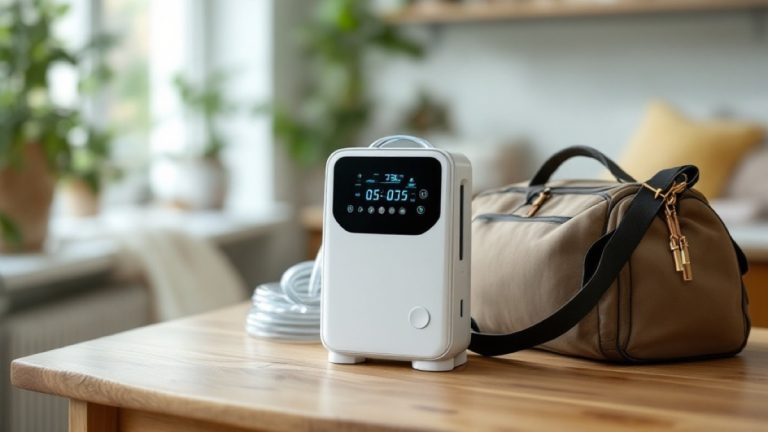
Rectal insufflation is popular because it can be done at home with a medical-grade ozone generator and proper training. Many practitioners teach patients this method for ongoing maintenance between clinic visits. Sessions take about 15 to 20 minutes.
Cost: $50 to $100 per clinic session, or $1,500 to $3,000 for a home ozone generator setup.
Ozone Sauna (Transdermal Ozone)
The patient sits in a steam cabinet with their head outside. Ozone is introduced into the cabinet, and the combination of steam (which opens pores) and ozone allows absorption through the skin. This method is less invasive than blood-based methods and is often used as a complement to other treatments.
Ozone saunas are commonly used for skin conditions, detoxification support, and general wellness. The systemic absorption through skin is less efficient than MAH or rectal insufflation, but patients often report feeling energized afterward.
Cost: $75 to $150 per session.
Prolozone Injections
Prolozone is a technique developed by Dr. Frank Shallenberger that combines ozone with prolotherapy (injection of proliferating agents like dextrose and procaine into damaged joints and tissues). The ozone/oxygen mixture is injected directly into or around a joint, tendon, or ligament.
The theory is that ozone stimulates local healing, increases oxygen delivery to the damaged tissue, and reduces inflammation. Many practitioners and patients report significant pain relief from prolozone injections for conditions like osteoarthritis, rotator cuff tears, knee pain, and low back pain [8].
A typical course involves 3 to 6 injections, spaced 2 to 4 weeks apart.
Cost: $150 to $400 per injection (depending on the joint/area).
Limb Bagging
A plastic bag is sealed around an extremity (arm, leg, hand, or foot) and filled with an ozone/oxygen mixture. The ozone contacts the skin and any open wounds directly. This method is primarily used for diabetic ulcers, non-healing wounds, and skin infections. It is simple, non-invasive, and supported by wound-care research showing ozone’s ability to reduce bacterial load and stimulate healing [9].
Cost: $50 to $150 per session.
Ozonated Water and Oils
Ozonated water: Water is bubbled with ozone until saturated. When consumed, it delivers ozone’s oxidative byproducts to the gastrointestinal tract. It is used for GI infections, H. pylori, and general gut health. The ozone concentration in water decreases rapidly over time, so it must be consumed soon after preparation.
Ozonated oils: Olive oil or sunflower oil is bubbled with ozone for extended periods (sometimes days), creating a stable ozonide compound. Ozonated oils are applied topically for skin conditions, wounds, fungal infections, and dental applications. Several studies have confirmed the antimicrobial and wound-healing properties of ozonated oils [10].
Conditions Treated with Ozone Therapy
Ozone therapy is used for a wide range of conditions, reflecting its multiple mechanisms of action. The strength of evidence varies considerably across these applications.
Infections
Ozone’s antimicrobial properties make it useful against bacterial, viral, and fungal infections. In Cuba, large-scale studies have examined ozone therapy for hepatitis B and C, with results showing improved liver function markers and viral load reduction in some patients [6]. German and Italian practitioners commonly use MAH for chronic infections including Epstein-Barr virus, cytomegalovirus, and recurrent herpes infections.
For Lyme disease and co-infections, ozone therapy (particularly ten-pass) is increasingly used alongside antimicrobial protocols. The antimicrobial effect is direct (ozone disrupts pathogen membranes) and indirect (enhanced immune function).
Chronic Fatigue and Fibromyalgia
Many patients with chronic fatigue syndrome and fibromyalgia report significant improvement with ozone therapy. The proposed mechanisms include improved mitochondrial function, increased oxygen delivery to tissues, reduced oxidative stress through Nrf2 activation, and immune modulation. A clinical study by Tirelli and colleagues found that MAH significantly improved fatigue scores in chronic fatigue syndrome patients compared to standard treatment [11].
Autoimmune Conditions
Ozone’s immunomodulatory properties have led to its use in rheumatoid arthritis, multiple sclerosis, and other autoimmune conditions. The idea is that controlled oxidative stress can help rebalance the immune system rather than simply suppressing it (as immunosuppressive drugs do). Animal and preliminary human studies suggest ozone can shift immune responses from pro-inflammatory Th1/Th17 dominance toward a more balanced Th1/Th2 response [4]. Clinical evidence in this area is still developing, and ozone should be considered as a complementary approach rather than a replacement for standard autoimmune treatments.
Joint Pain and Musculoskeletal Conditions
Prolozone injections and intra-articular ozone injections have been studied for osteoarthritis, particularly of the knee. A meta-analysis published in the Journal of Pain Research found that ozone injections produced significant reductions in pain scores for knee osteoarthritis patients, with effects comparable to hyaluronic acid injections and corticosteroids but with a better safety profile [12]. Multiple studies have shown pain relief lasting 6 to 12 months after a series of ozone injections.
Dental Applications
Ozone is used in biological dentistry for treating dental caries (cavities), periodontal disease, and post-extraction infections. Ozone gas can be applied directly to a cavity to sterilize it before filling, or used to treat infected root canals. Several studies support ozone’s efficacy in reducing oral bacterial counts and promoting healing after dental procedures [13].
Wound Healing
Topical ozone (via limb bagging, ozonated water, or ozonated oils) has strong evidence for wound healing, particularly in diabetic ulcers and chronic non-healing wounds. A systematic review found that ozone therapy significantly improved healing rates in diabetic foot ulcers compared to standard wound care [9].
Cardiovascular Support
Research suggests ozone therapy may improve blood rheology (the flow properties of blood), reduce platelet aggregation, and improve oxygen delivery to tissues. These effects could benefit patients with peripheral vascular disease and other cardiovascular conditions. Studies from Russia and Cuba have examined ozone for atherosclerosis and ischemic heart disease, reporting improvements in clinical symptoms and blood markers [14]. However, large-scale randomized trials in cardiovascular applications are still lacking.
Safety Profile and Contraindications
Ozone therapy has a remarkably strong safety record when administered correctly. A review of over 5.5 million sessions administered in Germany found a complication rate of only 0.0007% [15]. This makes it statistically one of the safest medical treatments when performed by trained professionals using proper equipment and protocols.
Key Safety Principles
- Ozone must never be inhaled directly. The lungs lack the antioxidant defenses that blood and other tissues have. Inhaled ozone causes airway irritation and can be harmful. All medical ozone administration methods are designed to avoid pulmonary exposure.
- Proper dosing matters. The biological response to ozone follows a dose-response curve. Too little produces no therapeutic effect. Too much can overwhelm the body’s antioxidant defenses and cause oxidative stress. Trained practitioners calibrate ozone concentrations carefully using medical-grade ozone generators with precise output controls [1].
- Equipment quality is critical. Medical-grade ozone generators produce a precise, measurable ozone/oxygen mixture from pure medical oxygen. Industrial ozone generators are not appropriate for medical use.
Common Side Effects
- MAH: Mild fatigue or a Herxheimer-like reaction (temporary worsening of symptoms as pathogens die off) in some patients during the first few sessions. This typically resolves as treatment progresses.
- Rectal insufflation: Mild cramping or bloating, usually brief.
- Prolozone injections: Temporary soreness at the injection site, similar to any injection therapy.
Contraindications
- Absolute: G6PD deficiency (glucose-6-phosphate dehydrogenase deficiency), a genetic enzyme deficiency that impairs the body’s ability to handle oxidative stress. Patients with G6PD deficiency should not receive ozone therapy. Hyperthyroidism that is uncontrolled is also a contraindication.
- Relative: Pregnancy (insufficient safety data), active bleeding disorders, patients on high-dose blood thinners (discuss with practitioner), recent myocardial infarction.
G6PD Testing Is Essential
Before starting any systemic ozone therapy (MAH, ten-pass, or rectal insufflation), a responsible practitioner will test you for G6PD deficiency. This is a simple blood test. Approximately 400 million people worldwide carry this enzyme deficiency, with higher prevalence in people of African, Mediterranean, and Southeast Asian descent. Administering ozone to a G6PD-deficient patient can cause hemolytic anemia (destruction of red blood cells).
FDA Status and Legal Status
The regulatory status of ozone therapy is complicated and varies by jurisdiction.
United States: The FDA has not approved ozone for any medical condition. A 1976 FDA ruling classified ozone generators as Class III medical devices, meaning they cannot be marketed for medical use. However, this does not prohibit physicians from using ozone in their practice. Many states allow the practice of ozone therapy under the physician’s scope of practice or under specific integrative/alternative medicine regulations. Several states have medical freedom laws that protect practitioners who use non-conventional therapies with informed consent.
Europe: Germany, Italy, Spain, Austria, and Switzerland have well-established medical ozone practices. German guidelines for ozone therapy have been published by medical societies, and some insurance programs provide partial coverage. Italy has formalized ozone therapy guidelines through the Italian Society of Oxygen-Ozone Therapy (SIOOT).
Cuba: Ozone therapy is integrated into the national healthcare system. The Ozone Research Center in Havana has conducted extensive clinical research and published numerous studies [6].
Other countries: Russia, China, Turkey, Brazil, Mexico, and many other countries permit and actively practice medical ozone therapy.
Cost and Treatment Planning
Typical Costs by Method
- MAH (standard): $150 to $350 per session
- Ten-pass: $500 to $1,500 per session
- Rectal insufflation (in-clinic): $50 to $100 per session
- Prolozone injection: $150 to $400 per injection
- Ozone sauna: $75 to $150 per session
- Home ozone generator setup: $1,500 to $3,000 one-time investment
How Many Sessions Do You Need?
This depends entirely on what you are treating and how your body responds:
- Acute infections: 3 to 6 MAH sessions
- Chronic infections (Lyme, viral): 10 to 20+ MAH or ten-pass sessions, often followed by maintenance
- Chronic fatigue/fibromyalgia: 10 to 20 MAH sessions, reassess at 10
- Joint pain (prolozone): 3 to 6 injections per joint
- General wellness/prevention: 6 to 10 MAH sessions initially, then monthly or quarterly maintenance
- Wound healing: Variable, often 10 to 20 sessions of topical ozone
Insurance does not cover ozone therapy in the United States, with rare exceptions. Some HSA and FSA accounts may be used if a physician prescribes the treatment.
What the Research Shows
The research base for ozone therapy is substantial in volume but uneven in quality. There are over 3,000 published studies on medical ozone, including randomized controlled trials, clinical series, and mechanistic studies. However, many of the clinical studies come from Cuba, Russia, Italy, and Germany, and not all meet the rigorous standards of large, multicenter, placebo-controlled trials that the FDA requires.
Strong mechanistic evidence: The biochemistry of ozone therapy is well-characterized, largely due to the work of Velio Bocci at the University of Siena. His research established the oxidative preconditioning model and identified the specific molecular pathways through which medical ozone exerts its effects [1][2].
Good clinical evidence: Knee osteoarthritis (multiple RCTs and meta-analyses), wound healing (systematic reviews), dental applications (multiple clinical trials) [9][12][13].
Moderate clinical evidence: Chronic infections, chronic fatigue, herniated disc treatment (ozone nucleolysis), peripheral vascular disease [6][11][14].
Preliminary clinical evidence: Autoimmune conditions, cancer support (as adjunct therapy), cardiovascular disease, neurological conditions. These areas need larger, well-designed trials [4].
One challenge with ozone research is that ozone cannot be patented. Without patent protection, pharmaceutical companies have little financial incentive to fund the large clinical trials that would be needed for FDA approval. Most research funding comes from government agencies in countries where ozone is part of mainstream medicine, or from small grants and practitioner-funded studies.
Finding a Qualified Provider
If you decide to pursue ozone therapy, choosing the right provider is important. Here is what to look for:
Credentials and Training
- American Academy of Ozonotherapy (AAO): This organization provides training and certification in medical ozone therapy. Look for practitioners who have completed AAO training or equivalent programs.
- Medical degree: Ozone therapy should be administered by or under the supervision of a licensed physician (MD, DO) or naturopathic doctor (ND). Some states also allow it under nurse practitioner or physician assistant supervision.
- Experience: Ask how many ozone treatments the provider has administered and how long they have been practicing ozone therapy.
Equipment and Protocols
- The clinic should use a medical-grade ozone generator (not an industrial unit) with precise concentration controls
- They should use pure medical oxygen as the feed gas (not air)
- For MAH, they should use ozone-resistant materials (glass or ozone-compatible tubing, not standard IV lines that ozone degrades)
- They should test for G6PD deficiency before your first systemic treatment
Red Flags
- Claims that ozone therapy “cures” cancer, AIDS, or other serious diseases
- No G6PD testing before treatment
- Using industrial-grade equipment
- No physician involvement or oversight
- Inability to explain the specific ozone concentration and volume being used
The Bottom Line
Ozone therapy is a well-established treatment modality in many parts of the world, supported by decades of research and clinical experience. Its mechanisms of action are well-characterized: oxidative preconditioning that upregulates your body’s antioxidant defenses, improved oxygen delivery and metabolism, immune modulation, and direct antimicrobial effects.
The lack of FDA approval in the United States reflects regulatory and economic realities more than a lack of evidence. You cannot patent ozone, which means there is no financial incentive for the kind of large-scale clinical trials the FDA requires. Meanwhile, millions of ozone treatments are administered safely each year in countries where it is part of standard medical practice.
If you are considering ozone therapy, work with a trained provider who uses proper equipment, tests for G6PD deficiency, and can explain exactly what protocol they recommend for your situation and why. Start with conditions that have the strongest evidence base (joint pain, infections, wound healing, chronic fatigue), and have realistic expectations about how many sessions you may need.
Related Reading
- Hyperbaric Oxygen Therapy (HBOT): The Complete Guide
- NAD+ IV Therapy: The Complete Guide
- IV Vitamin C Therapy Guide
- Red Light Therapy Guide
Frequently Asked Questions
Does ozone therapy actually work?
It depends on the use. The article reports good clinical evidence for knee osteoarthritis, wound healing, and dental applications, moderate evidence for chronic infections and fatigue, and only preliminary evidence for autoimmune and cardiovascular conditions. Over 3,000 studies exist, but quality is uneven, and it remains unapproved by the FDA.
How much does ozone therapy cost?
Costs depend on the method. Major autohemotherapy runs about $150 to $350 per session, ten-pass ozone $500 to $1,500, rectal insufflation $50 to $100 in-clinic, prolozone injections $150 to $400, and ozone sauna $75 to $150. Insurance in the U.S. rarely covers it, so most patients pay out of pocket.
Is ozone therapy safe, and is it legal?
When administered correctly by trained professionals, its safety record is strong; a German review of over 5.5 million sessions found a 0.0007% complication rate. Ozone must never be inhaled directly. It is not FDA-approved but is not prohibited for physicians, and many U.S. states allow the practice under practitioner discretion.
How is ozone therapy administered?
There are several delivery methods. Major autohemotherapy draws 100 to 250 mL of blood, mixes it with ozone, and reinfuses it. Other routes include ten-pass hyperbaric ozone, rectal insufflation, ozone sauna, prolozone injections into joints, limb bagging for wounds, and ozonated water or oils applied topically or for gut infections.
Who is ozone therapy for?
The article targets people with chronic or recurrent infections, chronic fatigue and fibromyalgia, autoimmune conditions, joint and musculoskeletal pain, non-healing wounds like diabetic ulcers, and dental issues. It is not suitable for everyone. People with G6PD deficiency, uncontrolled hyperthyroidism, bleeding disorders, or who are pregnant should avoid it.
What is ten-pass ozone therapy?
Ten-pass is an intensified version of major autohemotherapy developed by Dr. Johann Lahodny in Austria. Around 200 mL of blood is ozonated under hyperbaric pressure and returned, repeated up to ten times in one 60 to 90 minute session. It delivers a much higher ozone dose and is typically reserved for more serious conditions like chronic Lyme.
References
- Bocci V. Ozone: A New Medical Drug. 2nd ed. Springer; 2011. doi:10.1007/978-90-481-9234-2
- Bocci V, Valacchi G. Nrf2 activation as target to implement therapeutic treatments. Front Chem. 2015;3:4. doi:10.3389/fchem.2015.00004
- Re L, Martinez-Sanchez G, Bordicchia M, et al. Is ozone pre-conditioning effect linked to Nrf2/EpRE activation pathway in vivo? A preliminary result. Eur J Pharmacol. 2014;742:158-162. doi:10.1016/j.ejphar.2014.08.029
- Martinez-Sanchez G, Schwartz A, Di Donna V. Potential cytoprotective activity of ozone therapy in SARS-CoV-2/COVID-19. Antioxidants. 2020;9(5):389. doi:10.3390/antiox9050389
- Elvis AM, Ekta JS. Ozone therapy: a clinical review. J Nat Sci Biol Med. 2011;2(1):66-70. doi:10.4103/0976-9668.82319
- Menendez S, Gonzalez R, Ledea OE, et al. Ozone: Basic Aspects and Clinical Applications. National Center for Scientific Research, Havana, Cuba; 2008.
- Lahodny J. High-dose ozone therapy (OHT/ten-pass): a new approach. Ozone Ther. 2019;4(3):8260. doi:10.4081/ozone.2019.8260
- Shallenberger F. Prolozone: regenerating joints and eliminating pain. J Prolotherapy. 2011;3(2):630-638.
- Zhang J, Guan M, Xie C, Luo X, Zhang Q, Xue Y. Increased growth factors play a role in wound healing promoted by noninvasive oxygen-ozone therapy in diabetic patients with foot ulcers. Oxid Med Cell Longev. 2014;2014:273475. doi:10.1155/2014/273475
- Ugazio E, Tullio V, Binello A, Tagliapietra S, Dosio F. Ozonated oils as antimicrobial systems in topical applications: their characterization, current applications, and advances in improved delivery techniques. Molecules. 2020;25(2):334. doi:10.3390/molecules25020334
- Tirelli U, Cirrito C, Pavanello M, Piasentin C, Lleshi A, Taibi R. Ozone therapy in 65 patients with fibromyalgia: an effective therapy. Eur Rev Med Pharmacol Sci. 2019;23(4):1786-1788. doi:10.26355/eurrev_201902_17141
- Defined outcomes after ozone injection for knee osteoarthritis: a systematic review and meta-analysis. Oliviero A, Giordano L, Maffulli N. J Pain Res. 2021;14:3501-3516. doi:10.2147/JPR.S326846
- Srinivasan K, Chitra S. The application of ozone in dentistry: a systematic review of literature. Saudi J Dent Res. 2015;6(1):68-76. doi:10.1016/j.sjdr.2014.02.001
- Giunta R, Coppola A, Luongo C, et al. Ozonized autohemotransfusion improves hemorheological parameters and oxygen delivery to tissues in patients with peripheral occlusive arterial disease. Ann Hematol. 2001;80(12):745-748. doi:10.1007/s002770100377
- Jacobs MT. Untersuchung uber Zwischenfalle und typische Komplikationen in der Ozon-Sauerstoff-Therapie. OzoNachrichten. 1982;1:5-8.
- Smith NL, Wilson AL, Gandhi J, Vatsia S, Khan SA. Ozone therapy: an overview of pharmacodynamics, current research, and clinical utility. Med Gas Res. 2017;7(3):212-219. doi:10.4103/2045-9912.215752

About the medical reviewer
Dr. Bronwyn Holmes, MD, FAARFM is a physician specialising in regenerative medicine, advanced peptide therapeutics, exosome and stem cell biology, hormonal health, and longevity. Last reviewed July 5, 2026.