Hyperbaric Oxygen Therapy (HBOT): The Complete Evidence-Based Guide
At a Glance
- What it is: Breathing 100% oxygen in a pressurized chamber at 1.5 to 3.0 ATA (atmospheres absolute)
- Session length: 60 to 90 minutes per session, 20 to 40 sessions for a typical protocol
- FDA-approved uses: Decompression sickness, carbon monoxide poisoning, non-healing wounds, radiation injury (14 conditions total)
- Off-label uses under investigation: TBI, stroke recovery, long COVID, Lyme disease, anti-aging
- Cost: $200 to $400 per session; $4,000 to $16,000 for a full treatment course
- Insurance: Covered for FDA-approved indications only
Hyperbaric oxygen therapy (HBOT) is one of the oldest and most studied treatments in regenerative medicine, yet most people have never heard of it outside of scuba diving accidents. The concept is simple: you sit or lie inside a pressurized chamber and breathe pure oxygen. The increased pressure forces significantly more oxygen into your blood, your tissues, and your cells than normal breathing ever could.
That extra oxygen triggers a cascade of biological responses: new blood vessel growth, reduced inflammation, stem cell release, and accelerated tissue repair. These effects have made HBOT a standard treatment for certain wound-healing conditions for decades. More recently, researchers have been investigating whether those same mechanisms can help with traumatic brain injuries, stroke recovery, long COVID, and even aging itself.
This guide covers how HBOT works at the cellular level, what the research actually shows for both approved and off-label uses, the different types of chambers available, what a treatment protocol looks like, and what you should know about safety, cost, and insurance before starting treatment.
Key Takeaways
- The FDA approves HBOT for 14 medical indications, including diabetic foot ulcers, radiation injury, carbon monoxide poisoning, decompression sickness, and severe non-healing wounds, where the evidence is strong and backed by decades of clinical data.
- Off-label uses such as traumatic brain injury, stroke recovery, and long COVID show promising results from controlled trials, but sample sizes are small and replication is still ongoing.
- A full course usually runs 20 to 40 sessions over 4 to 12 weeks, with each session lasting 60 to 90 minutes at treatment pressure, typically five days per week.
- A full treatment course typically costs $4,000 to $16,000; individual sessions run $300 to $500 at hospitals and $200 to $350 at freestanding clinics. Insurance and Medicare cover only FDA-approved uses.
- Hard-shell clinical chambers at 2.0+ ATA with 100% oxygen deliver far more dissolved oxygen than soft-shell home units at 1.3 to 1.5 ATA, and clinical-grade chambers are required for all FDA-approved indications.
Evidence grade: Established for FDA-approved indications, Promising for TBI, stroke, long COVID, and anti-aging, Early for autism and Lyme
How we reach these grades: see our editorial and evidence-grading process.
How Hyperbaric Oxygen Therapy Works
Under normal conditions, you breathe air that contains about 21% oxygen at 1 atmosphere of pressure (sea level). Your red blood cells carry most of that oxygen to your tissues, but hemoglobin can only bind so much. Under normal conditions, hemoglobin is already about 97% saturated with oxygen.
HBOT changes the equation by increasing pressure. According to Henry’s Law, the amount of gas dissolved in a liquid is proportional to the pressure of that gas above the liquid. When you breathe 100% oxygen at 2.0 to 3.0 ATA, the amount of oxygen dissolved directly in your blood plasma increases by 10 to 15 times compared to breathing room air at sea level [1]. This dissolved oxygen reaches tissues that red blood cells cannot easily access, including areas with compromised blood flow.
The Key Biological Mechanisms
Hyperoxygenation. The most immediate effect. Dramatically increased dissolved oxygen in plasma means tissues receive oxygen independent of hemoglobin delivery. This is particularly important in damaged or ischemic tissues where blood vessels are compromised and red blood cells cannot reach [2].
Angiogenesis (new blood vessel growth). Repeated HBOT sessions stimulate the growth of new capillaries in oxygen-starved tissues. This process, driven by vascular endothelial growth factor (VEGF) and other signaling molecules, creates permanent improvements in blood supply to damaged areas. Studies have shown an 8-fold increase in circulating stem/progenitor cells involved in blood vessel formation after a course of HBOT [3].
Reduced inflammation. HBOT suppresses inflammatory cytokines and reduces the activity of pro-inflammatory pathways. It also inhibits leukocyte adhesion to damaged blood vessel walls, which is one of the early steps in the inflammatory cascade. This anti-inflammatory effect is relevant to conditions ranging from traumatic brain injury to autoimmune disorders [4].
Stem cell mobilization. A single HBOT session can double the number of circulating stem cells. A full protocol of 20 sessions has been shown to increase circulating CD34+ stem/progenitor cells by up to 800%. These mobilized stem cells home in on areas of damage and contribute to tissue repair [3].
Antimicrobial effects. High oxygen concentrations are directly toxic to anaerobic bacteria (organisms that cannot survive in oxygen-rich environments). HBOT also enhances the ability of white blood cells to kill bacteria through a process called the oxidative burst, and it improves the effectiveness of certain antibiotics [5].
Reduction of edema. HBOT causes vasoconstriction (narrowing of blood vessels) without reducing oxygen delivery, because the increased dissolved oxygen compensates for reduced blood flow. This vasoconstriction reduces swelling in injured tissues, which is why it is used for crush injuries and compartment syndromes [1].
FDA-Approved Uses for HBOT
The FDA has cleared hyperbaric oxygen therapy for 14 specific conditions. For these indications, there is substantial clinical evidence supporting its use, and insurance typically covers treatment.
The 14 FDA-Approved Indications
- Decompression sickness (the bends) from scuba diving
- Air or gas embolism
- Carbon monoxide poisoning
- Gas gangrene (clostridial myonecrosis)
- Crush injuries and acute traumatic ischemia
- Diabetic foot ulcers and other non-healing wounds
- Severe anemia (exceptional blood loss when transfusion is not possible)
- Intracranial abscess
- Necrotizing soft tissue infections (flesh-eating bacteria)
- Refractory osteomyelitis (chronic bone infection)
- Delayed radiation injury (soft tissue and bone necrosis from radiation therapy)
- Compromised skin grafts and flaps
- Acute thermal burn injury
- Idiopathic sudden sensorineural hearing loss
Of these, diabetic foot ulcers and delayed radiation injury are the most common reasons people receive HBOT in clinical practice. A Cochrane review found that HBOT significantly improved healing rates in diabetic foot ulcers and reduced the risk of major amputation compared to standard wound care alone [6].
For radiation injury, HBOT is often prescribed to patients who develop tissue damage months or years after cancer radiation treatment. The therapy stimulates new blood vessel growth in radiation-damaged tissues, restoring blood supply that radiation destroyed. This is one of the strongest evidence bases for HBOT, with studies showing significant improvements in radiation-induced cystitis, proctitis, and osteoradionecrosis [7].
Off-Label and Investigational Uses
Beyond the 14 approved conditions, there is a growing body of research exploring HBOT for a range of other conditions. The evidence varies widely, from promising randomized controlled trials to preliminary case series.
Traumatic Brain Injury (TBI)
This is one of the most actively researched off-label applications. The theory is straightforward: TBI causes areas of the brain to become oxygen-starved and inflamed. HBOT delivers oxygen to these damaged regions, reduces neuroinflammation, and stimulates neuroplasticity.
A 2013 study by Harch and colleagues showed that 40 sessions of HBOT at 1.5 ATA produced significant improvements in post-concussion symptoms, cognitive function, and quality of life in military veterans with blast-induced mild TBI. SPECT brain imaging confirmed increased blood flow to previously hypoperfused brain regions [8]. More recent work from Tel Aviv University demonstrated measurable cognitive improvements in patients with chronic TBI, even years after the initial injury [9].
The evidence is encouraging but not yet definitive. Larger, well-controlled trials are still needed, and the optimal protocol (pressure, number of sessions, timing after injury) remains debated.
Stroke Recovery
Research from Efrati and colleagues at Tel Aviv University has shown that HBOT can reactivate dormant neurons in the penumbra zone, the area surrounding the core stroke damage where cells are alive but not functioning. In a randomized controlled trial, stroke patients who received 40 sessions of HBOT (2.0 ATA, 90 minutes) showed significant neurological improvements compared to a control group, even when treatment started 6 to 36 months after the stroke [10].
The concept of neuroplasticity induced by HBOT in chronic stroke patients challenges the traditional belief that recovery plateaus within the first few months. However, results are not consistent across all studies, and more research is needed to identify which patients benefit most.
Long COVID
Several clinical trials have examined HBOT for persistent post-COVID symptoms. A randomized, double-blind, sham-controlled trial from Israel (published in Scientific Reports, 2022) showed that 40 sessions of HBOT improved cognitive function, fatigue, sleep, and pain in long COVID patients, with corresponding changes on brain MRI [11].
The proposed mechanisms include reducing neuroinflammation, repairing damaged microvasculature, and restoring mitochondrial function. While these results are promising, long COVID is a heterogeneous condition, and HBOT may work better for certain symptom profiles than others.
Anti-Aging and Longevity
A 2020 study by Hachmo and colleagues, also from Tel Aviv, reported that a specific HBOT protocol (60 daily sessions at 2.0 ATA with intermittent oxygen fluctuations) increased telomere length by more than 20% and decreased senescent cell populations by up to 37% in aging adults [12]. These are two of the key hallmarks of biological aging.
This study received significant attention because telomere lengthening is extremely difficult to achieve with any intervention. However, it was a small study (35 participants), and it remains unclear whether these cellular changes translate to meaningful clinical outcomes like reduced disease risk or increased lifespan. Replication studies are ongoing.
Autism Spectrum Disorder
Several small studies have explored HBOT for children with autism, typically using lower pressures (1.3 to 1.5 ATA). A multicenter randomized trial found modest improvements in overall functioning, receptive language, and social interaction in children who received HBOT compared to controls [13]. However, other studies have shown mixed results, and HBOT is not considered a standard autism treatment. Families pursuing this option should do so with realistic expectations and under medical supervision.
Lyme Disease
HBOT has been used as an adjunctive treatment for chronic Lyme disease, based on the reasoning that increased oxygen levels can inhibit the Borrelia bacteria and reduce inflammation. The Borrelia organism is microaerophilic (it prefers low-oxygen environments), so hyperbaric oxygen may create an inhospitable environment for it [14]. Clinical evidence is limited to case reports and small series, and no large randomized trials have been conducted. Patients who pursue HBOT for Lyme typically do so as part of a multi-modal treatment approach.
Types of Hyperbaric Chambers
Not all hyperbaric chambers are created equal. The type of chamber determines the maximum pressure achievable, the oxygen concentration delivered, and the overall treatment experience.
Hard-Shell Monoplace Chambers
These are the clinical standard. A monoplace chamber is a clear acrylic tube designed for one person. The entire chamber is pressurized with 100% oxygen, so you simply breathe the chamber atmosphere. Maximum pressures typically reach 3.0 ATA, covering the full range of clinical protocols.
Monoplace chambers are found in hospitals and dedicated hyperbaric clinics. They offer the highest pressures and are required for all FDA-approved indications. The downside is cost (sessions typically run $250 to $400) and the fact that you must travel to a clinic for each session.
Hard-Shell Multiplace Chambers
Multiplace chambers are large enough for several patients (and sometimes a medical attendant) to sit inside simultaneously. The chamber is pressurized with air, and patients breathe 100% oxygen through individual masks or hoods. These are typically found in hospital-based hyperbaric programs and military facilities.
Multiplace chambers can reach the same pressures as monoplace chambers and have the advantage of allowing a medical professional to be inside the chamber with the patient. This is particularly useful for critically ill patients or those who need hands-on monitoring during treatment.
Soft-Shell (Mild) Chambers
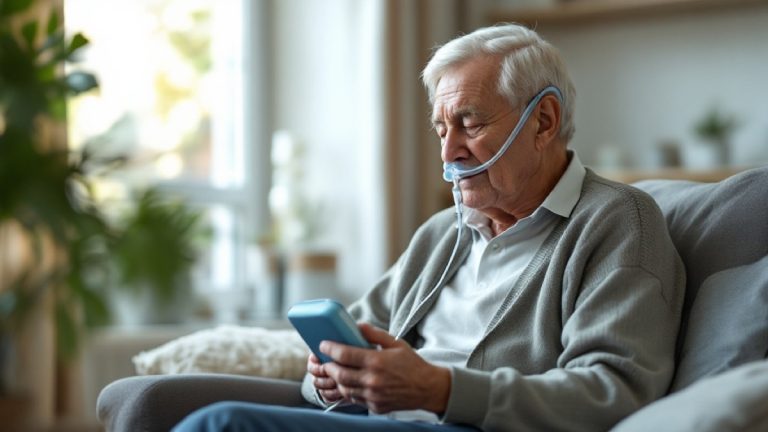
Soft-shell or “mild” hyperbaric chambers are portable, inflatable units designed for home use. They typically reach a maximum pressure of 1.3 to 1.5 ATA and use an oxygen concentrator (delivering approximately 24 to 40% oxygen) rather than 100% pure oxygen.
There is an important distinction here. Soft-shell chambers operating at 1.3 ATA with concentrated oxygen do not deliver the same physiological stimulus as a clinical chamber at 2.0 to 3.0 ATA with 100% oxygen. The total dissolved oxygen achieved is significantly lower. Whether this lower dose produces meaningful clinical benefits is debated. Some research suggests that even mild pressures (1.3 ATA) can produce measurable biological effects [13], while critics argue the dose is too low for most therapeutic applications.
Soft-shell chambers cost $5,000 to $20,000 to purchase and can be used at home without clinical supervision. For people who want regular sessions over months or years, the economics can favor purchasing a home unit, even with the limitations in pressure and oxygen concentration.
Hard-Shell vs. Soft-Shell: The Key Difference
Hard-shell clinical chambers at 2.0+ ATA with 100% O2 deliver dramatically more dissolved oxygen than soft-shell home units at 1.3 ATA with concentrated oxygen. If you are treating a serious medical condition, you almost certainly need clinical-grade HBOT. Soft-shell chambers may be appropriate for general wellness, mild cognitive support, or athletic recovery where lower-intensity protocols are acceptable.
What a Treatment Protocol Looks Like
HBOT is not a one-session treatment. Nearly all protocols involve a series of sessions, and the specific parameters vary depending on what condition is being treated.
Pressure Settings
- 1.3 to 1.5 ATA: Considered “mild” HBOT. Used in soft-shell home chambers and some TBI/concussion protocols
- 1.5 to 2.0 ATA: Moderate range. Common for off-label neurological applications, wound healing support, and general wellness
- 2.0 to 2.5 ATA: Standard clinical range. Used for most FDA-approved indications, including diabetic wounds and radiation injury
- 2.5 to 3.0 ATA: High-pressure protocols. Reserved for acute conditions like carbon monoxide poisoning, gas embolism, and decompression sickness
Session Duration and Frequency
A typical HBOT session lasts 60 to 90 minutes at treatment pressure, with additional time for pressurization (5 to 10 minutes) and depressurization (5 to 10 minutes). Most protocols call for sessions five days per week, with weekends off.
The total number of sessions depends on the condition:
- Acute conditions (decompression sickness, CO poisoning): 1 to 10 sessions
- Wound healing: 20 to 40 sessions
- Radiation injury: 30 to 60 sessions
- TBI/neurological: 40 to 60 sessions
- General wellness/anti-aging: 40 to 60 sessions (based on the telomere study protocol)
A full protocol typically spans 4 to 12 weeks, depending on the session frequency and total number of treatments prescribed.
What to Expect During a Session
Before your first session, you will have a medical evaluation and be screened for contraindications. You will need to wear cotton clothing (no synthetic fabrics, as they can generate static electricity in an oxygen-rich environment). Electronics, lighters, and petroleum-based products are not allowed in the chamber.
During pressurization, you will feel pressure in your ears, similar to the sensation during airplane descent. You can equalize by swallowing, yawning, or performing the Valsalva maneuver (gently blowing with your nose pinched). Once at treatment pressure, most people simply rest, read, or sleep for the duration of the session. The chamber is typically clear, so claustrophobia is manageable for most people, though some facilities offer chambers with entertainment systems.
After the session, you may feel slightly lightheaded or fatigued. Some people report increased energy. These effects are usually mild and short-lived.
Risks and Side Effects
HBOT has a strong overall safety profile when administered by trained professionals following established protocols. Serious adverse events are rare. However, there are known risks to be aware of.
Common Side Effects
- Ear barotrauma: The most common side effect. Pressure changes can cause ear pain, a feeling of fullness, or, in rare cases, eardrum perforation. Proper equalization techniques prevent most ear issues. Patients with upper respiratory infections or allergies may need to postpone treatment if they cannot equalize effectively.
- Sinus pain: Similar to ear barotrauma, sinus cavities can be affected by pressure changes. This is more common in patients with sinus congestion.
- Temporary myopia (nearsightedness): Prolonged exposure to high-pressure oxygen can cause temporary changes in the shape of the eye lens, resulting in nearsightedness. This typically resolves within weeks to months after completing a treatment course [15].
Rare but Serious Risks
- Oxygen toxicity seizures: At pressures above 2.0 ATA, there is a small risk of central nervous system oxygen toxicity, which can cause seizures. The incidence is approximately 1 in 10,000 sessions at standard clinical pressures. The risk increases with higher pressures and longer exposure times [16].
- Pulmonary oxygen toxicity: Prolonged exposure to high-concentration oxygen can cause lung irritation. Clinical protocols are designed to stay within safe exposure limits.
- Fire risk: Oxygen-enriched environments are fire hazards. This is why strict safety protocols prohibit certain items inside the chamber. Properly operated facilities have not reported fire incidents.
Contraindications
HBOT is contraindicated in patients with untreated pneumothorax (collapsed lung). Relative contraindications include certain types of seizure disorders, severe COPD, active upper respiratory infections, and some ear/sinus conditions. Patients taking certain medications (particularly bleomycin and cisplatin) should discuss potential interactions with their hyperbaric physician.
Cost and Insurance
The cost of HBOT varies by location, type of facility, and the specific protocol prescribed.
Per-Session Costs
- Hospital-based programs: $300 to $500 per session (sometimes higher)
- Freestanding hyperbaric clinics: $200 to $350 per session
- Soft-shell home chambers (purchase): $5,000 to $20,000 upfront, minimal per-session cost after purchase
Full Protocol Costs
With 20 to 40 sessions being standard, a full treatment course at a clinic typically runs $4,000 to $16,000 out of pocket. For conditions requiring 40 to 60 sessions, costs can reach $12,000 to $24,000.
Insurance Coverage
Insurance (including Medicare) covers HBOT for FDA-approved indications when provided by an approved facility with a physician’s prescription. Coverage typically requires documentation showing that the condition meets specific clinical criteria and that the patient has failed other standard treatments.
For off-label uses (TBI, anti-aging, long COVID, etc.), insurance does not cover the cost. Some patients have successfully appealed insurance denials for conditions with strong emerging evidence, but this is not common. Most people pursuing off-label HBOT pay out of pocket.
What the Research Shows: A Balanced View
The research on HBOT spans a wide spectrum. For FDA-approved indications, the evidence is strong and well-established. For off-label uses, the picture is more nuanced.
Strong evidence: Diabetic foot ulcers, radiation injury, decompression sickness, carbon monoxide poisoning. These are backed by decades of clinical data, including randomized controlled trials and systematic reviews [6][7].
Promising evidence: Traumatic brain injury, stroke recovery, long COVID, anti-aging markers (telomere length, senescent cells). These have positive results from controlled trials, but sample sizes are still relatively small and replication is ongoing [8][9][10][11][12].
Preliminary evidence: Autism, Lyme disease, fibromyalgia, chronic fatigue syndrome. These have limited clinical data, mostly case series or small pilot studies. Larger trials are needed before drawing firm conclusions [13][14].
One important challenge in HBOT research is the difficulty of creating a convincing placebo. Patients typically know whether the chamber is pressurized, which makes true double-blinding difficult. Some studies use a sham condition with lower pressure or room air, but whether participants can tell the difference remains a concern [17].
How to Find a Provider
If you are considering HBOT, here are practical steps for finding a qualified provider:
- For FDA-approved indications: Start with your primary care physician or specialist. They can refer you to a hospital-based hyperbaric program. The Undersea and Hyperbaric Medical Society (UHMS) maintains a directory of accredited hyperbaric facilities at uhms.org.
- For off-label uses: Look for a clinic with a physician who is board-certified in hyperbaric medicine (either through the American Board of Preventive Medicine or the American Board of Emergency Medicine). Avoid facilities that do not have a physician overseeing treatment protocols.
- Questions to ask: What type of chamber do they use? What pressure and oxygen concentration? How many sessions do they recommend for your condition, and what outcomes do they typically see? What is their safety record?
The Bottom Line
Hyperbaric oxygen therapy works by pushing more oxygen into your tissues than normal breathing allows, triggering a cascade of healing responses: new blood vessel growth, reduced inflammation, stem cell mobilization, and enhanced tissue repair. For its FDA-approved indications, the evidence is solid and insurance typically covers treatment. For emerging applications like TBI, stroke recovery, long COVID, and anti-aging, the science is genuinely promising but still evolving.
If you are considering HBOT, your first step is identifying whether your condition falls within the FDA-approved list (which simplifies insurance coverage) or whether you would be pursuing off-label treatment (which means paying out of pocket). Either way, work with a board-certified hyperbaric physician who can design a protocol specific to your situation, monitor your progress, and adjust treatment as needed.
Related Reading
- Ozone Therapy: The Complete Guide
- NAD+ IV Therapy: The Complete Guide
- Anti-Aging Supplements Guide
- Red Light Therapy Guide
Frequently Asked Questions
Does hyperbaric oxygen therapy actually work?
For the 14 FDA-approved indications, the evidence is strong and well-established, backed by decades of clinical data including randomized controlled trials. For off-label uses like brain injury, stroke, and long COVID, controlled trials show promising results, but sample sizes are small and replication is ongoing, so those benefits are not yet definitive.
What conditions is HBOT approved and used for?
The FDA approves HBOT for 14 conditions, including decompression sickness, carbon monoxide poisoning, gas gangrene, diabetic foot ulcers, non-healing wounds, delayed radiation injury, compromised skin grafts, severe anemia, and sudden hearing loss. In practice, diabetic foot ulcers and delayed radiation injury are the most common uses.
How much does hyperbaric oxygen therapy cost?
Individual sessions run about $300 to $500 at hospitals and $200 to $350 at freestanding clinics. A standard course of 20 to 40 sessions typically costs $4,000 to $16,000. Insurance, including Medicare, covers FDA-approved indications, but for off-label uses most people pay out of pocket.
Is HBOT safe, and what are the side effects?
The most common side effect is ear barotrauma, along with sinus pain and temporary myopia that usually resolves within weeks to months. Serious risks are rare, including oxygen toxicity seizures at roughly 1 in 10,000 sessions. Untreated pneumothorax is a contraindication, and severe COPD or certain medications require caution.
How many sessions does HBOT take and how long is each one?
Each session lasts 60 to 90 minutes at treatment pressure, plus a few minutes to pressurize and depressurize, usually five days per week. Acute conditions may need 1 to 10 sessions, wound healing 20 to 40, and neurological or wellness uses 40 to 60. A typical protocol spans 4 to 12 weeks.
What is the difference between hard-shell and soft-shell chambers?
Hard-shell clinical chambers reach up to 3.0 ATA and deliver 100% oxygen, and are required for all FDA-approved indications. Soft-shell mild chambers reach only 1.3 to 1.5 ATA using a concentrator at about 24 to 40% oxygen, delivering far less dissolved oxygen. For serious conditions, you almost certainly need clinical-grade HBOT.
References
- Gill AL, Bell CN. Hyperbaric oxygen: its uses, mechanisms of action and outcomes. QJM. 2004;97(7):385-395. doi:10.1093/qjmed/hch074
- Thom SR. Hyperbaric oxygen: its mechanisms and efficacy. Plast Reconstr Surg. 2011;127(Suppl 1):131S-141S. doi:10.1097/PRS.0b013e3181fbe2bf
- Thom SR, Bhopale VM, Velazquez OC, Goldstein LJ, Thom LH, Buerk DG. Stem cell mobilization by hyperbaric oxygen. Am J Physiol Heart Circ Physiol. 2006;290(4):H1378-H1386. doi:10.1152/ajpheart.00888.2005
- Benson RM, Minter LM, Osborne BA, Granowitz EV. Hyperbaric oxygen inhibits stimulus-induced proinflammatory cytokine synthesis by human blood-derived monocyte-macrophages. Clin Exp Immunol. 2003;134(1):57-62. doi:10.1046/j.1365-2249.2003.02248.x
- Memar MY, Yekani M, Alizadeh N, Baghi HB. Hyperbaric oxygen therapy: antimicrobial mechanisms and clinical application for infections. Biomed Pharmacother. 2019;109:440-447. doi:10.1016/j.biopha.2018.10.142
- Kranke P, Bennett MH, Martyn-St James M, Schnabel A, Debus SE, Weibel S. Hyperbaric oxygen therapy for chronic wounds. Cochrane Database Syst Rev. 2015;(6):CD004123. doi:10.1002/14651858.CD004123.pub4
- Bennett MH, Feldmeier J, Hampson NB, Smee R, Milross C. Hyperbaric oxygen therapy for late radiation tissue injury. Cochrane Database Syst Rev. 2016;4(4):CD005005. doi:10.1002/14651858.CD005005.pub4
- Harch PG, Andrews SR, Fogarty EF, et al. A phase I study of low-pressure hyperbaric oxygen therapy for blast-induced post-concussion syndrome and post-traumatic stress disorder. J Neurotrauma. 2012;29(1):168-185. doi:10.1089/neu.2011.1895
- Hadanny A, Abbott S, Engelman G, et al. Effect of hyperbaric oxygen therapy on chronic neurocognitive deficits of post-traumatic brain injury patients: retrospective analysis. BMJ Open. 2018;8(9):e023387. doi:10.1136/bmjopen-2018-023387
- Efrati S, Fishlev G, Bechor Y, et al. Hyperbaric oxygen induces late neuroplasticity in post stroke patients: randomized, prospective trial. PLoS One. 2013;8(1):e53716. doi:10.1371/journal.pone.0053716
- Zilberman-Itskovich S, Catalogna M, Sasson E, et al. Hyperbaric oxygen therapy improves neurocognitive functions and symptoms of post-COVID condition: randomized controlled trial. Sci Rep. 2022;12(1):11252. doi:10.1038/s41598-022-15565-0
- Hachmo Y, Hadanny A, Abu Hamed R, et al. Hyperbaric oxygen therapy increases telomere length and decreases immunosenescence in isolated blood cells: a prospective trial. Aging (Albany NY). 2020;12(22):22445-22456. doi:10.18632/aging.202188
- Rossignol DA, Rossignol LW, Smith S, et al. Hyperbaric treatment for children with autism: a multicenter, randomized, double-blind, controlled trial. BMC Pediatr. 2009;9:21. doi:10.1186/1471-2431-9-21
- Huang CY, Chen JH, Tsai YF, Hsieh YL, Shi GY, Wu HL. In vitro effects of hyperbaric oxygen on aggressive Borrelia burgdorferi. J Microbiol Immunol Infect. 2014;47(4):271-276. doi:10.1016/j.jmii.2012.11.006
- Evanger K, Vaagbo G, Haugen OH, Borsheim E. Myopic shift during hyperbaric oxygen therapy. Acta Ophthalmol. 2011;89(8):714-717. doi:10.1111/j.1755-3768.2009.01830.x
- Hampson N, Atik D. Central nervous system oxygen toxicity during routine hyperbaric oxygen therapy. Undersea Hyperb Med. 2003;30(2):147-153. PMID: 12964858
- Lansdorp CA, van Hulst RA. Double-blind trials in hyperbaric medicine: a narrative review on past experiences and considerations in designing sham hyperbaric treatment. Clin Trials. 2018;15(5):462-476. doi:10.1177/1740774518776952

About the medical reviewer
Dr. Bronwyn Holmes, MD, FAARFM is a physician specialising in regenerative medicine, advanced peptide therapeutics, exosome and stem cell biology, hormonal health, and longevity. Last reviewed July 5, 2026.



One Comment