HBOT at Home: Portable Hyperbaric Chambers, Safety, and What You Need to Know
Explore the clinic directoryIn this article
HBOT at home means using a portable hyperbaric chamber, most often a soft-shell "mild" unit that pressurizes to 1.3 to 1.5 ATA, compared with the 2.0 to 3.0 ATA and 100% oxygen used in clinical hyperbaric oxygen therapy. Home mild HBOT can suit low-risk wellness and recovery use under a clinician's prescription, but it does not replace clinical HBOT for any of the 13 conditions the FDA has cleared hyperbaric chambers to treat, and adding oxygen to a soft chamber raises the fire risk sharply.
- Home portable hyperbaric chambers operate at 1.3-1.5 ATA, which is significantly lower pressure than clinical HBOT (2.0-3.0 ATA) delivered in hard-shell monoplace or multiplace chambers, and they deliver oxygen differently.
- At 1.3 ATA with compressed air (not 100% O2), the partial pressure of oxygen is about 0.27 ATA, so the plasma oxygen increase is modest; the biological effects are real but not equivalent to clinical HBOT for serious conditions.
- Purchase costs run from about $3,000 for a used soft chamber to $30,000 or more for a home hard-shell unit, and clinic sessions cost $100-$200, so home ownership is cost-effective only for frequent, long-term users.
- The FDA classifies hyperbaric chambers as Class II medical devices (21 CFR 868.5470), and as of July 2021 it had cleared them for 13 conditions, none of which are Long COVID, Lyme disease or autism.
- According to the FDA, zippered altitude chambers are not cleared for use with oxygen tanks or concentrators, and fires have occurred in chambers the agency has not reviewed.
- Serious conditions (wound healing, radiation injury, CO poisoning, decompression sickness) require clinical-grade HBOT at 2.0-3.0 ATA in a facility the FDA advises should be accredited by the Undersea and Hyperbaric Medical Society, not home chambers.
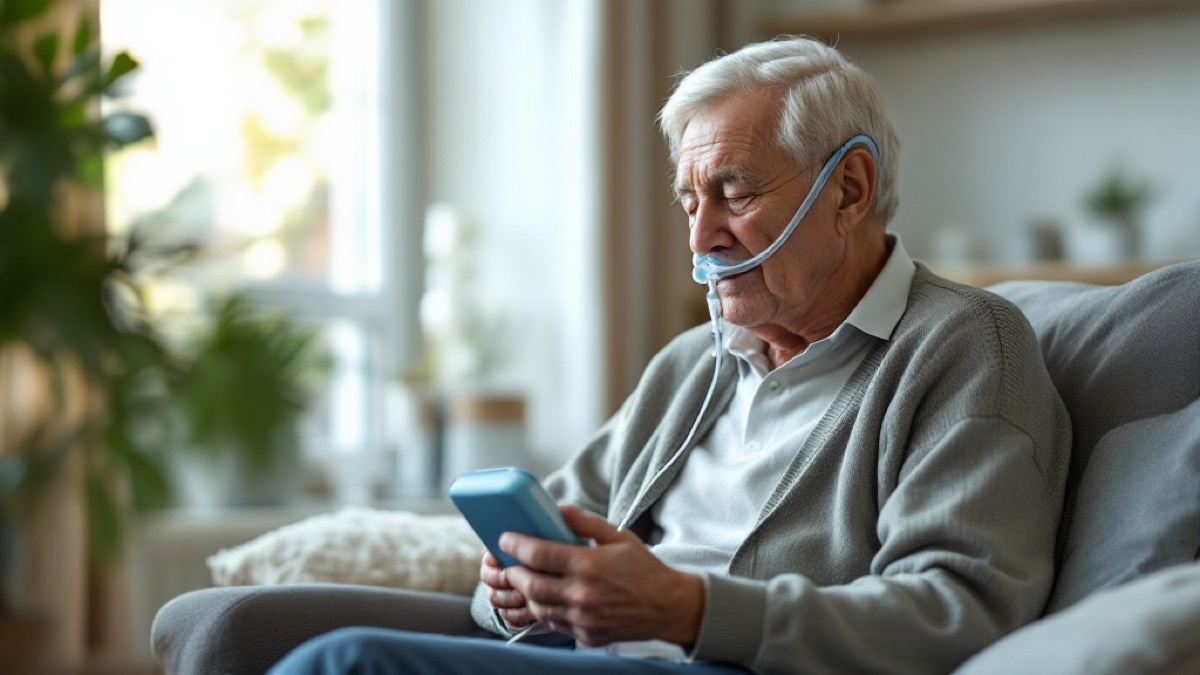
Portable hyperbaric chambers have moved from fringe biohacking equipment to a reasonably mainstream wellness investment. You will find them in the recovery rooms of professional sports teams, in functional medicine clinics, and in the homes of Long COVID patients who cannot access clinical HBOT frequently enough. Whether a home chamber is right for you depends entirely on what you are trying to treat and whether the pressure level those chambers can reach is adequate for that goal.
Next step: Read the HBOT guide for clinic vs home context, then browse vetted clinic hyperbaric options.
Home chambers differ from clinical HBOT in four ways that matter: pressure, oxygen source, medical oversight and cost. Each of those differences changes what a session can realistically do. For a full overview of HBOT evidence by condition, see our HBOT Guide.
Home HBOT is also called mild hyperbaric oxygen therapy (mHBOT), mild hyperbaric therapy, or a soft or portable hyperbaric chamber. Hospital hyperbaric medicine writes clinical treatment as HBOT or HBO2 therapy, a different service with different rules.
The Pressure Difference: Why It Matters
Hyperbaric oxygen therapy works by increasing atmospheric pressure around your body, which forces more oxygen into your plasma (dissolved in blood) beyond what hemoglobin can carry. At normal pressure (1.0 ATA), plasma carries about 0.3 mL of oxygen per 100 mL of blood. At 2.4 ATA with 100% O2, that rises to roughly 5.6 mL per 100 mL, nearly 20x more dissolved oxygen.
This follows Henry's law: dissolved oxygen rises with oxygen partial pressure, which equals chamber pressure multiplied by the fraction of oxygen you breathe.
Portable soft chambers are physically limited to about 1.3-1.5 ATA by their soft-shell construction. More critically, most home chambers use compressed air rather than 100% medical-grade oxygen. At 1.3 ATA with compressed air (21% oxygen), the partial pressure of oxygen is approximately 0.27 ATA, compared to 2.4 ATA with pure O2 in clinical settings. The effective oxygen delivery difference is substantial.
| Parameter | Home Soft Chamber | Clinical HBOT |
|---|---|---|
| Pressure range | 1.3-1.5 ATA | 2.0-3.0 ATA |
| Oxygen source | Compressed air (most); O2 concentrator add-on available | 100% medical-grade oxygen via mask/hood |
| Partial pressure O2 (typical) | 0.27-0.31 ATA (air) or up to 1.5 ATA (with concentrator) | 2.0-3.0 ATA |
| Plasma O2 increase | Modest (2-3x above normal) | Significant (up to 20x above normal) |
| FDA-cleared indications | None (Class II device clearance only) | 13 FDA-cleared conditions (FDA list, July 2021) |
| Session duration | 60-90 minutes typical | 90-120 minutes typical |
| Cost per session | $0-$15 (home ownership) or $100-$200 (rental) | $250-$450 (private); $0 (hospital, insured indication) |
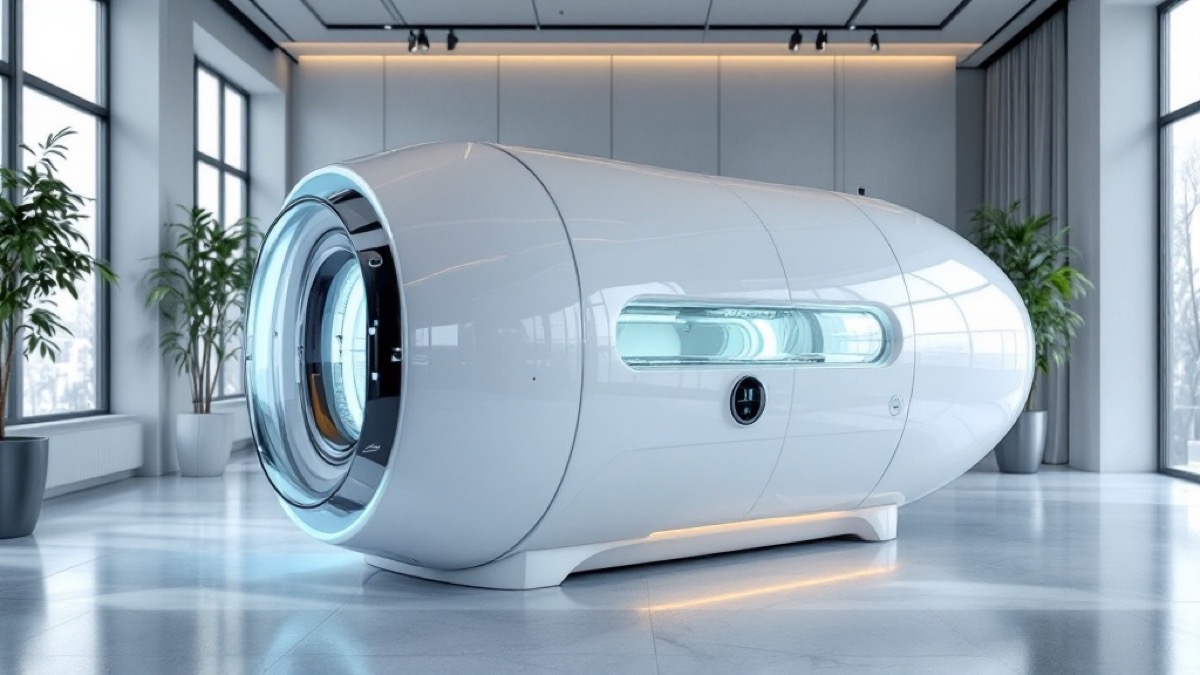
In physical terms, 1.3 ATA is roughly the pressure at 10 feet of seawater, and 2.4 ATA is roughly the pressure at 46 feet. Fabric walls cap a soft chamber near 1.3 to 1.5 ATA, while a clinical monoplace chamber is a rigid acrylic vessel. Our comparison of mild HBOT and clinical HBOT covers the two settings side by side.
FDA Position on Home Chambers
Portable hyperbaric chambers are cleared by the FDA as Class II medical devices under the category “hyperbaric chamber.” That category is defined in 21 CFR 868.5470, and according to an FDA letter to health care providers (2025), cleared devices reach the market through the 510(k) process under product code CBF. This means they have demonstrated substantial equivalence to a predicate device. It does not mean the FDA has approved them for any specific therapeutic indication.
The FDA has sent warning letters to companies marketing portable chambers for autism, Lyme disease, cancer, and COVID-19. These claims are not supported by evidence adequate for FDA clearance, and the agency's consumer guide, Hyperbaric Oxygen Therapy: Get the Facts, lists cancer, Lyme disease, autism and Alzheimer's disease among the unsupported uses. Physicians can use cleared devices off-label, and because hyperbaric chambers are labeled for prescription use, reputable sellers ask for a prescription from a licensed clinician before shipping a unit.
As of July 2021, the FDA lists 13 conditions for which hyperbaric chambers are cleared: air or gas bubbles in blood vessels, severe anemia when transfusion is not possible, severe burns, carbon monoxide poisoning, crush injury, decompression sickness, gas gangrene, sudden unexplained hearing loss, severe skin and bone infection, radiation injury, skin grafts or flaps at risk, sudden vision loss from blocked blood flow, and non-healing diabetic foot ulcers. These uses require the pressure levels achievable only in hard-shell clinical chambers, often in emergency settings such as carbon monoxide poisoning treatment. Home chambers are not a substitute for these applications, and our post on FDA-cleared HBOT indications explains each one.
What the Evidence Shows at 1.3 ATA
Mild HBOT at 1.3 ATA has some measurable biological effects, but they are smaller than those of clinical HBOT and the research base is thin. Increased dissolved oxygen in plasma can reach hypoxic tissues that hemoglobin-bound oxygen cannot. Laboratory and small human studies suggest mild hyperbaric pressure may have anti-inflammatory effects, modest effects on mitochondrial function, and possible effects on neuroplasticity in some conditions.
For Long COVID and neurological symptoms, open-label reports and case series from Harch and others suggest some patients report benefit from mild HBOT protocols, though these studies lack sham controls. The strongest trial used clinical pressure: Zilberman-Itskovich, Efrati and colleagues (Scientific Reports, 2022) randomized 73 patients with post-COVID condition to 40 daily sessions of HBOT at 2.0 ATA or a sham, and reported significant improvement in global cognitive function, attention and energy compared with sham. That was clinical HBOT, not mild pressure, and the authors note the small sample and short follow-up.
For TBI and PTSD, the military HOPPS trial reported by Miller and colleagues (JAMA Internal Medicine, 2015) treated service members with persistent post-concussive symptoms at 1.5 ATA with 100% oxygen and found HBOT was not superior to a sham exposure, although both groups improved. Other groups, including Harch's, have reported positive signals at 1.5 ATA in smaller studies without sham arms, so the question for traumatic brain injury remains open.
For athletic recovery, evidence for any pressure is weak. A Cochrane review by Bennett and colleagues (2005) pooled nine small trials with 219 participants and found no evidence that HBOT helped delayed onset muscle soreness (DOMS), with slightly more pain in the HBOT groups. Small studies at 1.3 ATA report changes in fatigue and lactate markers, but these effects are small and largely untested against sham.
Brands and Cost Breakdown
Home chambers range from basic entry-level soft chambers to higher-pressure hard-shell systems for home use, sold by established hyperbaric manufacturers and newer direct-to-consumer sellers. Regenerated.com does not recommend a specific brand. The chamber type, rated pressure and oxygen source shape cost and use far more than the label on the shell.
| Option | Purchase Cost | Max Pressure | Oxygen Source | Best For |
|---|---|---|---|---|
| Basic soft chamber (used) | $3,000-$6,000 | 1.3 ATA | Compressed air | Casual recovery use |
| Mid-range soft chamber (new) | $6,000-$12,000 | 1.3-1.5 ATA | Air or O2 concentrator add-on | Regular wellness/recovery |
| Premium soft chamber with O2 | $12,000-$20,000 | 1.5 ATA | Concentrator included | Long COVID, TBI recovery |
| Home hard-shell chamber | $20,000-$30,000+ | 2.0 ATA | O2 concentrator or medical O2 | Near-clinical applications |
| Clinic rental (soft chamber) | $100-$200/session | 1.3-1.5 ATA | Air or O2 concentrator | Trial before purchase |
The cost-per-session math for home ownership: a $10,000 chamber used 3 times per week over 3 years equals roughly 450 sessions, or about $22 per session before electricity and maintenance. At 5 sessions per week over the same period, cost drops below $15/session. For anyone doing frequent sessions long-term, home ownership typically beats rental within 18-24 months.
The concentrator options in the table need a caution. The FDA states that it has not cleared zippered altitude chambers for use with oxygen tanks or oxygen concentrators, so confirm that a specific unit's clearance and labeling cover added oxygen before you use one. Our breakdown of home chamber vs clinic cost runs the numbers for different session schedules.
What to Compare Before Buying a Home Chamber
- FDA 510(k) clearance under product code CBF, which you can look up in the FDA 510(k) database.
- Rated maximum pressure and whether the chamber has an internal pressure gauge, relief valves and emergency deflation you can operate from inside.
- Oxygen source, and whether the manufacturer's labeling permits a concentrator inside or attached to the chamber.
- Airflow and exhaust design, since continuous ventilation clears exhaled carbon dioxide and heat.
Our guide to hard-shell vs soft-shell hyperbaric chambers covers the tradeoffs between the two designs in more depth.
Safety Considerations
Fire Risk
This is the most serious safety concern with hyperbaric environments. Oxygen-enriched atmospheres accelerate combustion dramatically. Clinical HBOT facilities have strict protocols: no synthetic materials, no electronics, no petroleum-based products inside the chamber. Home users adding oxygen concentrators to soft chambers must follow the same rules strictly. No cell phones, no electronic devices, no synthetic fabrics, no hair products with alcohol or petroleum. Fire inside a pressurized oxygen-enriched chamber is catastrophically dangerous.
Soft chambers using only compressed air at 1.3 ATA without supplemental O2 carry lower fire risk, but the risk is not zero as the slightly elevated pressure still represents a higher-than-ambient oxygen environment.
According to the FDA's consumer guidance, explosions and fires have occurred in HBOT chambers that the agency has not reviewed and at unaccredited facilities, and the FDA is aware of people using zippered bags to build homemade HBOT devices, which carries a risk of fire and suffocation. In 2025 the FDA also reported serious injuries and deaths with HBOT devices. Our post on hyperbaric chamber fires reviews how these incidents happen.
Ear Barotrauma
Pressure equalization in the middle ear is required during pressurization. Most users learn to equalize by swallowing, yawning, or using the Valsalva maneuver. Failure to equalize causes ear pain (barotitis media) and, in severe cases, tympanic membrane rupture. This is more common in people with congestion or Eustachian tube dysfunction. Never use a hyperbaric chamber during a cold, sinus infection, or active ear infection.
Claustrophobia
Soft chambers are enclosed, warm, and narrow. Claustrophobia is a common barrier to consistent use. Most chambers have emergency deflation mechanisms and transparent windows, but the sensation is legitimately confining. A trial session at a clinic before purchasing is strongly recommended.
Oxygen Toxicity
At 1.3 ATA with air or a low-flow O2 concentrator, oxygen toxicity is not a practical concern for typical session lengths. Pulmonary oxygen toxicity requires prolonged exposure to partial pressures above 0.5 ATA of O2. CNS oxygen toxicity (risk of seizure) requires partial pressures above 1.6 ATA, which is not achievable in soft home chambers. This risk is relevant at clinical pressures (2.4-3.0 ATA), not at home mild HBOT levels.
Carbon Dioxide, Heat and Supervision
A soft chamber depends on its compressor and exhaust valves to keep fresh air moving, because exhaled carbon dioxide and body heat build up quickly in a sealed fabric tube. Keep filters current and stop a session if you feel short of breath, dizzy or overheated. Many manufacturers advise having another adult nearby who knows how to depressurize and open the chamber.
Who Should Not Use a Home Hyperbaric Chamber?
An untreated pneumothorax (collapsed lung) is the one widely agreed absolute contraindication to hyperbaric pressure, because pressure changes can make it worse. Other conditions call for a physician's review first:
- Lung disease with air trapping, such as severe COPD or emphysema, or a past spontaneous pneumothorax.
- A current cold, sinus infection or ear infection, or recent ear or sinus surgery.
- A seizure disorder or a high fever.
- Certain medications, including some chemotherapy drugs such as bleomycin, cisplatin and doxorubicin, and disulfiram.
- Pregnancy, implanted electronic devices, or severe claustrophobia.
A hyperbaric medicine physician, a pulmonologist or an ENT (ear, nose and throat) specialist can assess these risks. Our post on hyperbaric chamber side effects covers what to watch for after a session.
Who Uses Home Chambers?
The most common use cases for home soft chambers are Long COVID patients seeking cognitive and fatigue improvement between clinical appointments; TBI and post-concussion patients on long-term recovery protocols; athletes using it for recovery between training sessions; and patients with chronic inflammatory conditions exploring supportive therapies.
A smaller group of patients with FDA-cleared indications (such as diabetic wound healing) are sometimes prescribed home chambers as supplemental therapy between clinical sessions, though this is less common given the pressure limitations.
When You Need Clinical-Grade HBOT
Home chambers are not appropriate as primary treatment for any FDA-cleared HBOT indication. If you have a diabetic foot ulcer, radiation injury, osteoradionecrosis of the jaw, decompression sickness, gas gangrene, necrotizing soft tissue infection, or carbon monoxide poisoning, you need a clinical hard-shell chamber at 2.0-3.0 ATA. The pressure levels required to achieve the plasma oxygen concentrations that drive healing in these conditions are simply not reachable in a soft home chamber.
Clinical HBOT also requires physician oversight, pre-treatment assessment, and monitoring during sessions, particularly for the FDA-cleared indications. Home chambers bypass this oversight, which is appropriate for low-risk wellness applications and inappropriate for serious medical conditions.
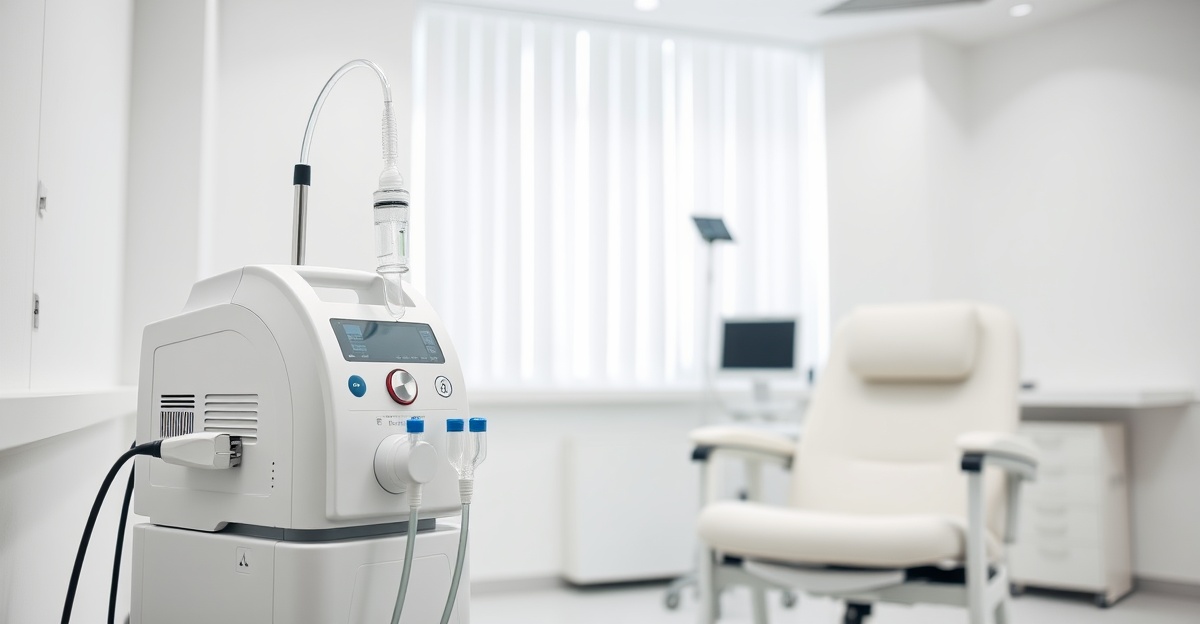
Clinical HBOT is delivered in hospital wound care centers and freestanding hyperbaric clinics, usually directed by a physician board certified in Undersea and Hyperbaric Medicine through the American Board of Preventive Medicine or the American Board of Emergency Medicine, with certified hyperbaric technologists operating the chamber. The FDA advises choosing a facility accredited by the Undersea and Hyperbaric Medical Society. Insurers, including Medicare, generally cover HBOT only for listed indications, which is why the pressure table shows $0 for insured hospital treatment.
Home Chamber vs Clinic HBOT: Which Fits Your Goal?
The right setting depends on the condition. Emergencies and FDA-cleared conditions belong in a clinical chamber, conditions under study belong under physician supervision, and home mild HBOT fits low-risk recovery and wellness goals.
| Goal or condition | Usual setting | Why |
|---|---|---|
| Carbon monoxide poisoning, decompression sickness, gas embolism | Hospital or accredited hyperbaric center, often as an emergency | These need 100% oxygen at clinical pressure with medical monitoring. |
| Diabetic foot ulcer, radiation injury, compromised graft or flap | Accredited wound care or hyperbaric center | These are FDA-cleared uses at clinical pressure, and insurance may cover them. |
| Long COVID cognitive symptoms | Physician-supervised clinical HBOT; home mild HBOT only as an adjunct | The sham-controlled trial used 2.0 ATA with 100% oxygen. |
| Persistent post-concussion symptoms | Physician-supervised care, ideally within a study | The HOPPS trial found 1.5 ATA with oxygen no better than sham. |
| Athletic recovery and general wellness | Home soft chamber or clinic sessions | Risk is low with air only, and evidence of benefit is limited. |
How to Start HBOT at Home Safely
- Start with a clinician who knows your diagnosis, and ask whether your goal calls for clinical HBOT, home mild HBOT or neither.
- Try several sessions in a clinic before buying. You can browse hyperbaric oxygen therapy clinics by state and city on Regenerated.com. Listing order is not paid ranking, Featured slots are labeled and capped, Verified means a clinic completed credential checks rather than paying for placement, and the directory is free for patients. Inclusion in the directory is not an endorsement, and the guide to Featured, Verified and organic listings explains each label.
- Confirm the chamber's FDA 510(k) clearance and get the prescription the device labeling requires.
- Use only the oxygen source the manufacturer's labeling allows, and never connect an oxygen tank or concentrator to a chamber that is not cleared for it.
- Follow fire rules every session: no phones, electronics, synthetic fabrics, lotions or hair products inside the chamber.
- Equalize your ears early and often during pressurization, and stop if pain does not ease.
- Keep a simple symptom log, review it with your clinician after a few weeks, and agree in advance on what result would justify continuing.
Is a Home Chamber Worth It?
For wellness and recovery applications where frequency and convenience matter, home chambers offer real value, particularly if you can do 4-5 sessions per week consistently. The biological effects at 1.3-1.5 ATA are real, even if not equivalent to clinical pressure. Long COVID patients who respond to mild HBOT but cannot afford clinic pricing at $250-$450 per session have legitimate reasons to consider home purchase.
For serious conditions with FDA-cleared HBOT indications, home chambers are a supplement to clinical treatment at best. The starting point should always be a clinical chamber at therapeutic pressure, with home mild HBOT as an adjunct if access or cost limits clinical session frequency.
The short version holds across every section above: a home chamber at 1.3 to 1.5 ATA is a convenience tool for low-risk goals, and clinical HBOT at 2.0 to 3.0 ATA remains the standard for the conditions the FDA has cleared. Our hyperbaric oxygen therapy treatment guide summarizes indications, protocols and costs in one place.
Frequently asked questions
Can you do hyperbaric oxygen therapy at home?
Yes, but home HBOT is mild HBOT, not clinical HBOT. Portable soft chambers reach about 1.3 to 1.5 ATA and usually circulate compressed air, while clinical hyperbaric oxygen therapy runs at 2.0 to 3.0 ATA with 100% oxygen. Home sessions can suit wellness and recovery goals under a clinician's prescription. They do not replace clinical treatment for carbon monoxide poisoning, decompression sickness, radiation injury, diabetic foot ulcers or the other conditions the FDA has cleared hyperbaric chambers to treat.
Do you need a prescription for a home hyperbaric chamber?
In most cases, yes. The FDA regulates hyperbaric chambers as Class II medical devices under 21 CFR 868.5470, and cleared chambers are labeled for prescription use, so reputable sellers ask for a prescription from a licensed clinician. A prescription also prompts a review of contraindications such as an untreated collapsed lung, active sinus or ear infection, or certain chemotherapy drugs. Sellers who skip this step are often selling devices that have not been through FDA review.
Is a 1.3 ATA hyperbaric chamber strong enough to help?
A 1.3 ATA chamber raises dissolved oxygen only modestly, because breathing air at that pressure gives an oxygen partial pressure of about 0.27 ATA. Small studies report effects on fatigue and recovery markers, but sham-controlled evidence at mild pressure is thin. The best-known positive Long COVID trial, published in Scientific Reports in 2022, used 2.0 ATA with 100% oxygen. For serious conditions, 1.3 ATA is not enough; for general recovery, benefits may be small.
How much does a home hyperbaric chamber cost?
Home hyperbaric chambers range from about $3,000 to $6,000 for a used soft chamber, $6,000 to $20,000 for new soft chambers, and $20,000 to $30,000 or more for a home hard-shell unit. Clinic soft chamber sessions typically cost $100 to $200, and private clinical HBOT costs $250 to $450 per session.
Is it safe to add an oxygen concentrator to a soft hyperbaric chamber?
Adding oxygen to a soft chamber raises fire risk sharply and is only appropriate when the device's FDA clearance and labeling allow it. The FDA states it has not cleared zippered altitude chambers for use with oxygen tanks or concentrators, and it has documented fires and explosions in chambers it did not review. If a clinician recommends supplemental oxygen, use a cleared system, follow every rule on prohibited items, and keep electronics and synthetic fabrics out of the chamber.
Related Reading
- Brain Fog: Causes, Testing, Treatment, and When It Signals Something Deeper
- Hyperbaric Oxygen Therapy (HBOT): How It Works, What It Treats, and What the Evidence Shows
- Long COVID: Symptoms, Causes, Treatment, and What Regenerative Medicine Offers
- Lyme Disease: Testing, Treatment, Chronic Lyme, and Integrative Approaches