Ozone Sauna: How It Works, Benefits, Risks, and What the Evidence Shows
Explore the clinic directoryIn this article

In an ozone sauna, the ozone gas never reaches your bloodstream intact: it reacts on the surface of your skin, where it oxidizes skin oils such as squalene and forms hydrogen peroxide and lipid oxidation products, and the unreacted gas is broken back down to oxygen by the cabinet's ozone destruct unit. Those byproducts are the proposed active agents, but no controlled human trial has measured how much of them enters the body, and the FDA describes ozone as a toxic gas with no known useful medical application (21 CFR 801.415).
If you've spent time in the world of alternative and integrative medicine, you may have come across ozone saunas. They're offered at wellness clinics, naturopathic practices, and some regenerative medicine centers. Proponents claim they can detoxify the body, boost immunity, improve circulation, and even fight chronic infections. But what does the evidence actually support?
Next step: Read the ozone therapy guide, then find vetted clinics that list ozone modalities.
An ozone sauna combines two therapies: steam (heat) and ozone (O3) gas. The idea is that steam opens your pores, and the ozone is then absorbed through your skin, delivering its oxidative effects systemically without the risks of breathing ozone directly into your lungs. It's a concept that sounds straightforward, but the reality is more nuanced.
Key takeaways
- Ozone in a steam sauna reacts on the skin rather than passing through it: Wisthaler and Weschler (2010, PNAS) showed that ozone reacts mainly with squalene in skin oil, producing acetone and other carbonyl compounds.
- The proposed benefits of an ozone sauna depend on those reaction products reaching the blood, which no published controlled human study has measured.
- The heat alone has the strongest data: Laukkanen et al. (2015, JAMA Internal Medicine) linked frequent sauna bathing with lower cardiovascular and all-cause mortality in Finnish men, with no ozone involved.
- Under 21 CFR 801.415, the FDA describes ozone as a toxic gas with no known useful medical application, so ozone saunas are offered off label and paid for in cash.
- Elvis and Ekta (2011) and Smith et al. (2017) review ozone therapy evidence that comes mostly from blood and mucosal routes such as major autohemotherapy (MAH) and rectal insufflation, not from transdermal saunas.
- Safety rests on keeping your head outside the cabinet, a working ozone destruct system, and screening for contraindications such as G6PD deficiency and pregnancy.
At a Glance
- An ozone sauna is a steam cabinet that introduces medical-grade ozone gas while your body is exposed to heat and steam.
- The claimed mechanism: steam opens skin pores, allowing transdermal absorption of ozone and its reactive byproducts.
- Proponents cite benefits for detoxification, immune stimulation, circulation, pain relief, and skin conditions.
- The clinical evidence base is thin. Most claims rest on anecdotal reports and the broader ozone therapy literature rather than studies on ozone saunas specifically.
- Safety depends heavily on proper ventilation. Inhaling ozone causes lung irritation and can be dangerous.
- Sessions typically cost $50 to $150 and last 20 to 30 minutes.
- Ozone saunas are not FDA-approved for any medical condition.
What Exactly Is an Ozone Sauna?
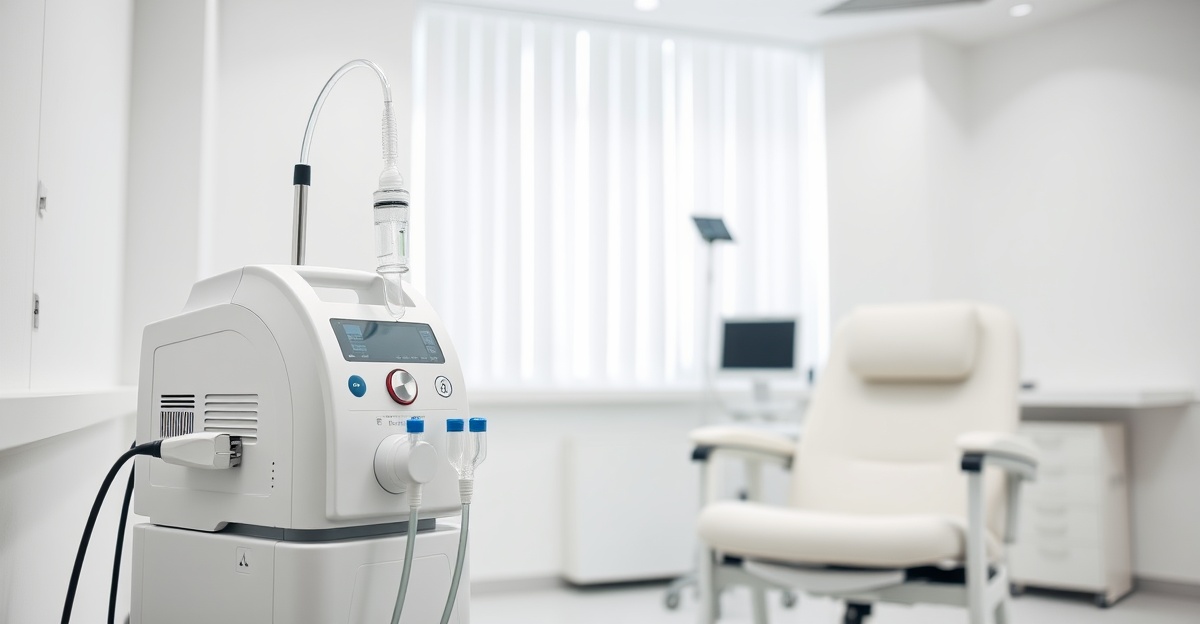
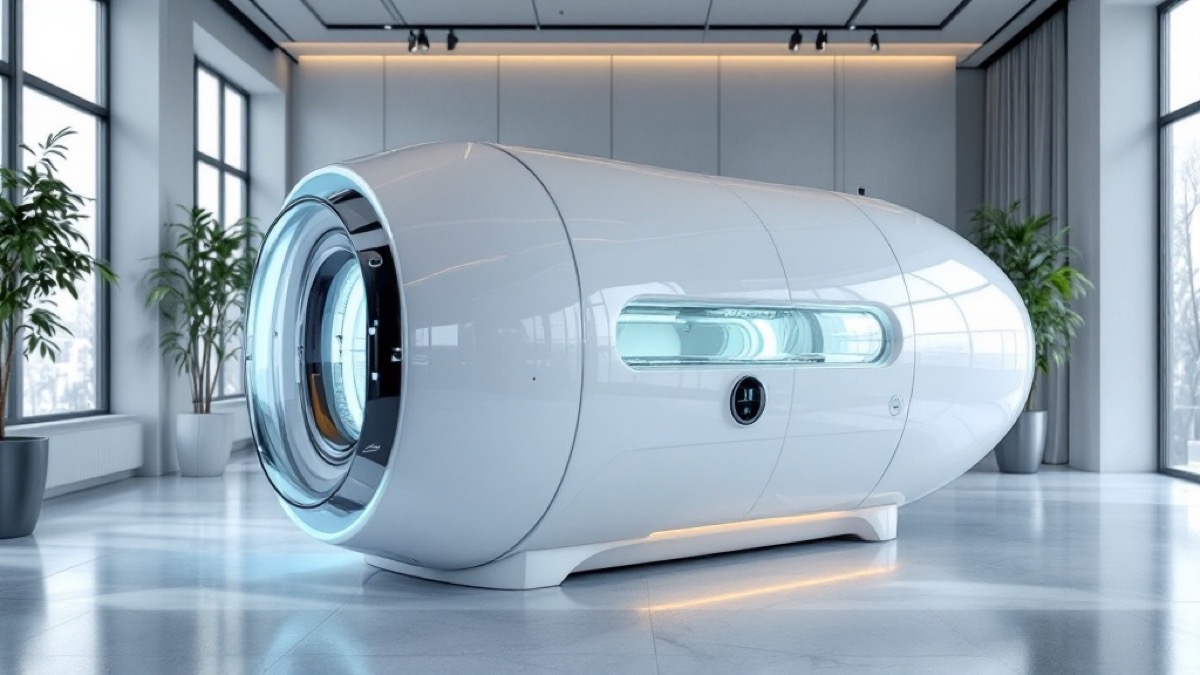
An ozone sauna consists of a steam cabinet (usually made of wood, fiberglass, or plastic) that encloses your body from the neck down. Your head stays outside the cabinet, which is the single most important safety feature: it keeps you from breathing in ozone gas.
Clinics also call it an ozone steam sauna, an ozone steam cabinet, or transdermal ozone therapy. It is one of several routes of medical ozone therapy, sometimes called oxygen-ozone therapy, and it is the only common route that involves no needle, catheter or insufflation.
During a session, the cabinet fills with steam (raising the temperature to around 100 to 110 degrees Fahrenheit) and ozone gas. The ozone is produced by a medical-grade ozone generator that converts pure oxygen (O2) into ozone (O3) using an electrical discharge. The concentration of ozone used varies by clinic, but typical ranges are 20 to 60 micrograms per milliliter.
Sessions last 20 to 30 minutes. You sit inside the cabinet, sweating from the steam, while the ozone circulates around your body. Afterward, many clinics have you shower to remove any residual ozone and sweat.
How It's Supposed to Work: The Claimed Mechanism
The theoretical basis goes like this:
- Steam opens pores. Heat and humidity cause your skin pores and sweat glands to dilate.
- Ozone contacts skin. O3 is a highly reactive molecule. When it contacts the water and lipids on your skin's surface, it generates reactive oxygen species (ROS) and lipid oxidation products (LOPs), including hydrogen peroxide and ozonides.
- Transdermal absorption. These secondary molecules (not ozone itself, which is too reactive to survive deep penetration) are absorbed through the dilated pores and enter the bloodstream.
- Systemic effects. Once in circulation, these oxidative signaling molecules theoretically trigger a cascade of biological responses: upregulation of antioxidant enzymes, improved oxygen delivery to tissues, immune modulation, and enhanced detoxification pathways.
This mechanism is plausible in principle, but the degree of transdermal absorption and the magnitude of systemic effects from an ozone sauna have not been rigorously quantified in human studies. We're largely extrapolating from the broader ozone therapy literature, which primarily involves direct blood contact (IV ozone, major autohemotherapy) or mucosal exposure (rectal insufflation).
Italian physiologist Velio Bocci, a central figure in ozone therapy research, framed this as a "mild oxidative stress" model: a small, controlled oxidative signal that prompts the body to raise its own antioxidant defenses. Sagai and Bocci (2011) set out that model for blood exposure, and it has not been tested for skin exposure in a sauna.
What Happens to the Ozone in an Ozone Sauna?
The fate of ozone in an ozone sauna is short and local. Ozone gas reacts with whatever it touches first, and inside a steam cabinet that is the film of water, sweat and skin oil covering your body. Very little ozone, if any, travels through the skin as intact O3.
On the skin surface
Skin oil, called sebum, is rich in squalene, a lipid with several double bonds that ozone attacks readily. Wisthaler and Weschler (2010) measured this reaction on human skin and identified acetone, 6-methyl-5-hepten-2-one (6-MHO), geranyl acetone and 4-oxopentanal (4-OPA) as major products. Lakey et al. (2017, Indoor Air) later modeled the same chemistry and showed how squalene ozonolysis products spread through the skin oil and into the skin layers beneath it, at the low ozone levels found in indoor air rather than therapeutic doses.
In the water film and sweat
Ozone that dissolves in the steam and sweat on your skin decomposes into hydrogen peroxide and other reactive oxygen species. Ozone therapy proponents describe these molecules, together with the lipid oxidation products, as the messengers that would carry a signal into the blood.
In the cabinet air
Ozone that does not react with skin stays in the cabinet air. A properly built ozone sauna routes that gas through an ozone destruct unit, usually a heated or catalytic converter, which turns it back into oxygen before it can escape into the room. Without that step, ozone leaks around the neck seal and into the air you breathe.
What is still unknown
No published human study has measured how much of these skin reaction products crosses into the bloodstream during an ozone sauna session. That gap is the core reason the evidence for transdermal ozone remains weaker than for routes where ozone mixes with blood directly.
What Actually Happens Physiologically
Let's separate what we know from what's speculated.
What the Heat Does (Well-Established)
The steam component of an ozone sauna produces the same physiological responses as any sauna or steam room:
- Increased heart rate (similar to moderate exercise)
- Peripheral vasodilation (blood vessels expand, improving circulation)
- Profuse sweating (which does excrete small amounts of heavy metals and other toxins, though the kidneys and liver handle the vast majority of detoxification)
- Endorphin release (the "feel good" effect people report after sauna sessions)
- Heat shock protein activation (these molecular chaperones help repair damaged proteins and have been linked to various health benefits in sauna research)
Regular sauna use has a legitimate evidence base. Finnish studies with large cohorts have shown associations between frequent sauna use and reduced cardiovascular mortality, reduced risk of dementia, and lower all-cause mortality. The best known is the Kuopio Ischemic Heart Disease Risk Factor Study, reported by Laukkanen et al. (2015) in JAMA Internal Medicine. These benefits come from the heat itself and don't require ozone.
What the Ozone May Do (Less Established)
The ozone-specific component is where the evidence gets much weaker for this particular delivery method. We know from the broader ozone therapy literature that ozone, when it contacts blood or mucous membranes directly, generates signaling molecules that can:
- Stimulate Nrf2 (a master regulator of antioxidant gene expression)
- Increase 2,3-DPG in red blood cells (improving oxygen release to tissues)
- Modulate cytokine production (potentially both pro- and anti-inflammatory effects)
- Upregulate antioxidant enzymes like superoxide dismutase and glutathione peroxidase
The question is whether transdermal exposure through skin (even steam-opened pores) delivers enough reactive intermediates into the bloodstream to trigger these effects at a clinically meaningful level. The honest answer: we don't have enough data to say definitively.
Claimed Benefits and What Evidence Exists
Each claimed benefit of an ozone sauna has two possible sources, the heat and the ozone. The heat has measurable effects of its own. The ozone contribution has not been separated out in any published sham-controlled trial, so every benefit below should be read with that in mind.
Detoxification
This is the most commonly marketed benefit and the one with the weakest specific evidence. Yes, sweating excretes trace amounts of heavy metals (arsenic, cadmium, lead, mercury). Studies on sauna-based detoxification have shown measurable excretion through sweat, including the Blood, Urine, and Sweat (BUS) study by Genuis et al. (2011). But attributing additional detoxification to the ozone component specifically is not supported by current research. Your liver and kidneys do the overwhelming majority of your body's detoxification work, and diagnosed lead poisoning is managed medically, often with chelation therapy, not with sweating.
Immune Stimulation
Ozone therapy in its various forms has been shown to modulate immune function. A 2011 review by Elvis and Ekta in the Journal of Natural Science, Biology and Medicine summarized evidence that ozone therapy can influence cytokine production and immune cell activity. But most of this data comes from major autohemotherapy (MAH) and IV ozone, where ozone directly contacts blood. The immune effects of transdermal ozone exposure via a sauna have not been specifically studied in controlled trials.
Circulation Improvement
The heat from the steam sauna clearly improves circulation through vasodilation. Whether ozone adds to this effect is unclear. Some practitioners report that patients' skin appears more flushed and that subjective reports of circulation improvement are greater with ozone than with steam alone, but these are observational reports, not controlled comparisons.
Pain Relief
Patients with chronic pain conditions, including fibromyalgia, arthritis, and muscle soreness, often report feeling better after ozone sauna sessions. However, heat therapy alone reliably reduces pain through vasodilation, muscle relaxation, and endorphin release. Separating the ozone contribution from the heat contribution would require sham-controlled studies (steam sauna with and without ozone), and these studies have not been published. The stronger ozone data for pain comes from injected ozone, which the chronic pain treatment guide covers alongside other options.
Skin Conditions
Ozone's antimicrobial properties are well-documented. It effectively kills bacteria, viruses, and fungi on contact. For skin conditions like chronic wounds, infections, or certain dermatological issues, topical ozone exposure has some supporting evidence. An ozone sauna provides whole-body skin exposure, which could theoretically benefit conditions like eczema, psoriasis, or fungal infections. Anecdotal reports from clinics are positive, but published clinical trials are absent. Heat and sweat can also aggravate eczema in some people, so a dermatologist's view is worth having first.
Chronic Infections, Lyme Disease and Mold Illness
Some integrative clinics offer ozone saunas to patients with Lyme disease or toxic mold exposure, usually alongside other treatments. Ozone kills microbes in a lab dish, but no published trial shows that a skin-only ozone sauna clears an infection inside the body. Standard antibiotic treatment for Lyme disease, as described by the CDC, remains the evidence-based starting point.
Ozone Sauna vs. Regular Steam or Infrared Sauna
An ozone sauna is a steam sauna with ozone added, so the fairest comparison is with the heat therapies people already use. The table below compares them by heat source, what each adds, and how much evidence stands behind it.
| Option | Heat source | What it adds | Evidence for health effects |
|---|---|---|---|
| Traditional Finnish sauna | Hot, dry air with occasional steam | Heat only | Large observational cohorts, including the Kuopio study |
| Steam room or steam cabinet | Moist heat | Heat and humidity | Shares the general heat physiology, fewer dedicated studies |
| Infrared sauna | Infrared panels warming the body directly | Heat at a lower air temperature | Small trials, mostly short term |
| Ozone sauna | Steam in a neck-sealed cabinet | Heat plus skin exposure to ozone | No controlled trials of the ozone component |
If what you want is the heat, a regular sauna delivers it without the ozone safety requirements. Readers comparing light-based options can see the red light sauna overview, which covers a different mechanism.
Ozone Sauna vs. Other Ozone Delivery Methods
| Method | Route | Evidence Level | Ozone Dose Control | Cost Per Session | Invasiveness |
|---|---|---|---|---|---|
| Ozone sauna | Transdermal (skin) | Mostly anecdotal | Low (variable absorption) | $50 to $150 | Non-invasive |
| IV ozone (DIV) | Direct IV injection | Limited clinical studies | Moderate | $100 to $250 | Invasive (IV access) |
| Major autohemotherapy (MAH) | Blood drawn, ozonated, reinfused | Most published research | High (precise dosing) | $150 to $350 | Invasive (blood draw + IV) |
| 10-pass ozone (OHT) | Hyperbaric ozone + blood | Growing clinical data | High | $500 to $1,500 | Invasive |
| Rectal insufflation | Mucosal (rectal) | Moderate (some studies) | Moderate | $50 to $150 (or home units) | Minimally invasive |
| Ozone ear insufflation | Ear canal | Very limited | Low | $30 to $75 | Non-invasive |
Where Does Ozone Sauna Fit?
If you rank ozone delivery methods by the strength of their evidence, major autohemotherapy (MAH) sits at the top. It has the most published clinical data and the most precise dose control. Rectal insufflation is next, with some published studies and the advantage of mucosal absorption. Ozone sauna falls toward the lower end of the evidence spectrum because transdermal delivery is the least studied and the hardest to quantify in terms of actual systemic ozone dose.
That said, ozone sauna has the advantage of being completely non-invasive. No needles, no blood draws, no rectal administration. For people who are needle-averse or want a gentle introduction to ozone therapy, it's an accessible starting point.
Blood-based routes carry their own risks, which the ozone therapy side effects overview sets out route by route.
Safety Concerns
Critical Safety Information
- Ozone inhalation is dangerous. Ozone is a lung irritant. The EPA classifies it as an air pollutant. Breathing ozone at concentrations used in therapy can cause coughing, chest pain, shortness of breath, and airway inflammation. This is why the cabinet keeps your head outside. Any clinic offering ozone sauna must have proper ventilation and ozone destruct systems to prevent ambient ozone buildup in the treatment room.
- Heat-related risks apply. As with any sauna, risks include dehydration, heat exhaustion, dizziness, and blood pressure drops. Stay hydrated before, during, and after sessions.
- Skin sensitivity. Some patients report skin irritation, dryness, or redness after sessions, particularly at higher ozone concentrations or longer session times.
- Not for everyone. Contraindications include pregnancy, G6PD deficiency (glucose-6-phosphate dehydrogenase deficiency, a genetic enzyme disorder), hyperthyroidism, severe cardiovascular disease, active bleeding disorders, and acute alcohol intoxication.
- Ozone breaks down rubber and certain plastics. If the sauna cabinet uses non-ozone-resistant materials, degradation products could be released during sessions. Ask about the materials used in your clinic's equipment.
What does the FDA say about ozone saunas?
The FDA has not approved or cleared any ozone sauna to treat a medical condition. Its device regulation, 21 CFR 801.415, describes ozone as a toxic gas with no known useful medical application in specific, adjunctive or preventive therapy. Clinicians who offer ozone saunas do so off label under their own state license, and the FDA status of ozone therapy explains what that means for patients.
Who should skip an ozone sauna?
People with G6PD deficiency, pregnancy, uncontrolled hyperthyroidism, severe heart disease or a bleeding disorder should not use an ozone sauna. People with asthma or COPD face added risk if any ozone escapes the cabinet. Anyone who faints easily in heat, or who takes medicines that affect blood pressure or sweating, should ask their own physician before booking.
What a Typical Session Looks Like
Most clinics follow a similar protocol:
- Intake: Review of medical history and contraindications. First-time patients usually get a brief orientation.
- Preparation: You undress and sit in the cabinet. A towel or cape is placed around your neck to seal the cabinet while keeping your head exposed. Some clinics provide a cool cloth for your forehead.
- Session: The cabinet fills with steam first (1 to 2 minutes), then ozone is introduced. Temperature is typically maintained at 100 to 110 degrees Fahrenheit. Total session time: 20 to 30 minutes.
- Cool-down: You exit the cabinet and may be offered water, electrolytes, or a cool shower. Some clinics recommend resting for 10 to 15 minutes before leaving.
- Frequency: For general wellness, once or twice per week is common. For specific conditions, some practitioners recommend more intensive protocols (3 to 5 sessions per week for a set period).
None of these frequencies comes from a clinical trial. They reflect clinic practice, so it is reasonable to ask a provider why a particular schedule suits you and how you will both judge whether it is helping.
Cost and Access
Ozone sauna sessions typically run $50 to $150, depending on your location and the clinic. Some clinics offer package discounts (for example, 10 sessions for a reduced per-session price). Insurance does not cover ozone sauna treatments.
You'll find ozone saunas at naturopathic clinics, integrative medicine practices, functional medicine offices, and some wellness spas. Availability varies significantly by region. Major metropolitan areas tend to have more options.
Home ozone sauna setups are available for purchase ($1,500 to $5,000 for a cabinet plus a medical-grade ozone generator), but using one at home requires understanding proper ozone concentrations, session timing, and most importantly, ventilation. Without adequate ventilation and an ozone destruct unit, ambient ozone levels in your room can reach harmful levels.
How to Find an Ozone Sauna Provider
Ozone saunas are usually run by naturopathic doctors (NDs), osteopathic physicians (DOs) and medical doctors (MDs) working in integrative or functional medicine, often with nurses or medical assistants running the sessions. State medical and naturopathic boards license the clinician, not the sauna, so the person supervising matters more than the equipment brand.
The Regenerated.com directory of ozone therapy clinics lists practices by state and city, and a clinic's profile shows which ozone routes it offers. Listing order is not paid ranking, Featured slots are labeled and capped, and Verified means the clinic completed credential checks, not that it paid more. Regenerated.com is free for patients, and inclusion in the directory is not an endorsement. The guide to Featured, Verified and organic listings explains each label.
Before booking, ask these questions:
- Who supervises sessions, and what is their license?
- Does the cabinet vent through an ozone destruct unit, and is room ozone monitored?
- Do you screen for G6PD deficiency and other contraindications before the first session?
- What ozone concentration and session length do you use, and why?
- What results should I track, and when would you advise stopping?
The Bottom Line
An ozone sauna combines two interventions: heat therapy (which has a solid evidence base) and transdermal ozone exposure (which has a much weaker evidence base as a standalone delivery method). Most of the benefits people experience likely come from the heat and sweating, with ozone potentially contributing additional effects that are difficult to quantify with current data.
The ozone itself does not travel far: it reacts with the oils and water on your skin, and the remaining gas is destroyed by the cabinet's vent system. Whether those skin reaction products reach the blood in meaningful amounts is the open question that current research has not answered.
If you're interested in ozone therapy specifically, methods with more direct contact between ozone and blood or mucous membranes (MAH, rectal insufflation, 10-pass) have stronger published evidence for systemic effects. If you enjoy sauna therapy and want to add an ozone component, an ozone sauna is a low-risk option, provided the clinic uses proper ventilation and follows safety protocols.
Don't expect dramatic results from a single session. And be wary of any clinic that promises ozone sauna will eliminate specific diseases. The evidence doesn't support those claims. What it can offer is a pleasant, relaxing experience with the well-established benefits of heat therapy and the possibility of additional oxidative signaling benefits from ozone exposure.
Frequently asked questions
What happens to the ozone in an ozone sauna?
The ozone reacts on your skin and in the cabinet air rather than entering your body as ozone gas. It oxidizes squalene and other skin oils, forming acetone and other carbonyl compounds, and decomposes in sweat into hydrogen peroxide and related molecules. Gas that does not react is pulled through an ozone destruct unit and turned back into oxygen. How much of the skin reaction products reaches the blood has not been measured in humans.
Is an ozone sauna safe?
An ozone sauna is low risk for most healthy adults when the head stays outside the cabinet and the unit vents through a working ozone destruct system. The main dangers are breathing leaked ozone, which irritates the lungs, and ordinary heat stress such as dehydration and fainting. People with G6PD deficiency, pregnancy, hyperthyroidism, severe heart disease or bleeding disorders should not use one, and anyone with asthma should ask a physician first.
Does an ozone sauna detox heavy metals?
Sweating in any sauna excretes small amounts of metals such as arsenic, cadmium, lead and mercury, as the Genuis et al. (2011) BUS study showed. No study shows that adding ozone increases that excretion. The liver and kidneys clear most toxins, and confirmed heavy metal poisoning is treated medically, usually with chelation under a physician's care. An ozone sauna is not a substitute for testing and treatment when exposure is suspected.
Is an ozone sauna FDA approved?
No ozone sauna is FDA approved or cleared to treat any disease. The FDA's rule at 21 CFR 801.415 describes ozone as a toxic gas with no known useful medical application, so clinics offer ozone saunas off label under the supervising clinician's state license. That status also explains why insurance does not pay for sessions and why patients pay cash, usually in the $50 to $150 range per visit.
How often should you do an ozone sauna?
Clinics commonly schedule ozone sauna sessions once or twice a week for general wellness, and some practitioners suggest more frequent sessions for a set period when treating a specific complaint. These schedules come from clinic practice, not from clinical trials, because no trial has compared session frequencies. A sensible provider agrees in advance what you will track and when to stop if nothing changes.
Is an ozone sauna better than an infrared sauna?
No published trial compares an ozone sauna with an infrared sauna, so neither can be called better on evidence. Both deliver heat, which accounts for most of the measured benefits of sauna use. The ozone sauna adds skin exposure to ozone, with uncertain added benefit and extra safety requirements around ventilation. An infrared sauna avoids ozone entirely and warms the body at a lower air temperature, which some people tolerate more comfortably.
Sources
- Elvis AM, Ekta JS. Ozone therapy: a clinical review. J Nat Sci Biol Med. 2011;2(1):66-70. doi:10.4103/0976-9668.82319
- Bocci V. Ozone as Janus: this controversial gas can be either toxic or medically useful. Mediators Inflamm. 2004;13(1):3-11. doi:10.1080/0962935062000197083
- Laukkanen T, Khan H, Zaccardi F, Laukkanen JA. Association between sauna bathing and fatal cardiovascular and all-cause mortality events. JAMA Intern Med. 2015;175(4):542-548. doi:10.1001/jamainternmed.2014.8187
- Bocci V, Borrelli E, Travagli V, Zanardi I. The ozone paradox: ozone is a strong oxidant as well as a medical drug. Med Res Rev. 2009;29(4):646-682. doi:10.1002/med.20150
- Sagai M, Bocci V. Mechanisms of action involved in ozone therapy: is healing induced via a mild oxidative stress? Med Gas Res. 2011;1:29. doi:10.1186/2045-9912-1-29
- Genuis SJ, Birkholz D, Rodushkin I, Beesoon S. Blood, urine, and sweat (BUS) study: monitoring and elimination of bioaccumulated toxic elements. Arch Environ Contam Toxicol. 2011;61(2):344-357. doi:10.1007/s00244-010-9611-5
- Smith NL, Wilson AL, Gandhi J, Vatsia S, Khan SA. Ozone therapy: an overview of pharmacodynamics, current research, and clinical utility. Med Gas Res. 2017;7(3):212-219. doi:10.4103/2045-9912.215752
- Wisthaler A, Weschler CJ. Reactions of ozone with human skin lipids: sources of carbonyls, dicarbonyls, and hydroxycarbonyls in indoor air. Proc Natl Acad Sci U S A. 2010;107(15):6568-6575. PMCID: PMC2872416
- Lakey PSJ, Wisthaler A, Berkemeier T, Mikoviny T, Pöschl U, Shiraiwa M. Chemical kinetics of multiphase reactions between ozone and human skin lipids: implications for indoor air quality and health effects. Indoor Air. 2017;27(4):816-828. PMID: 27943451
- US Food and Drug Administration. 21 CFR 801.415, Maximum acceptable level of ozone. Code of Federal Regulations.