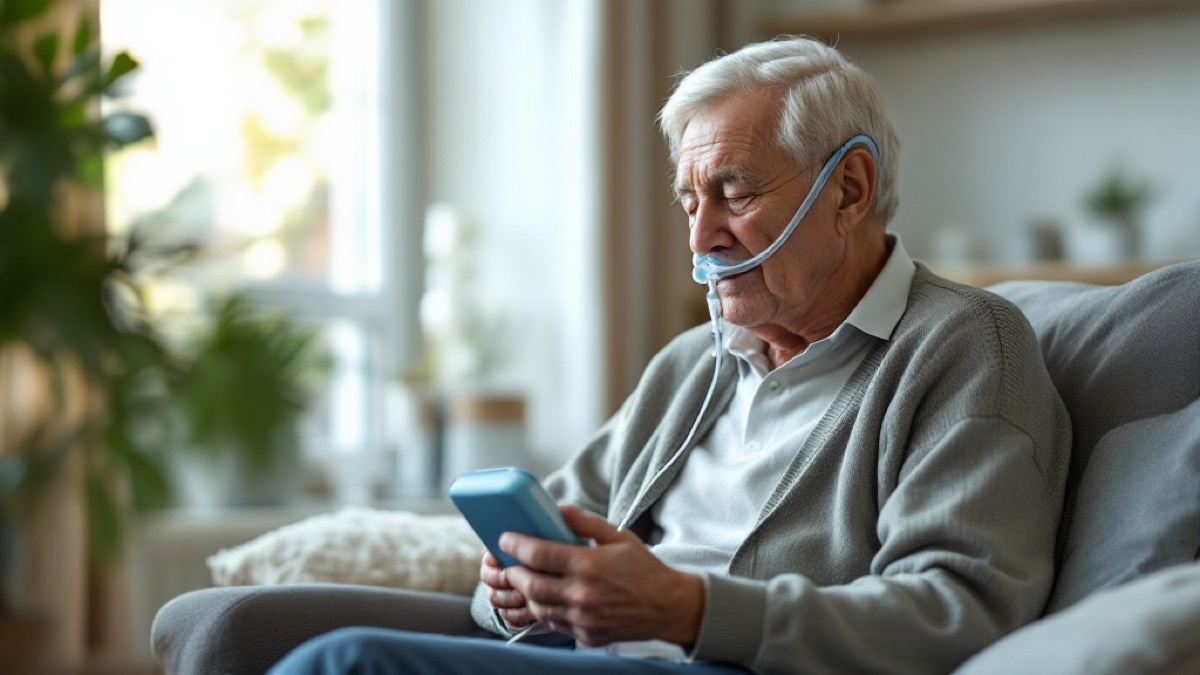
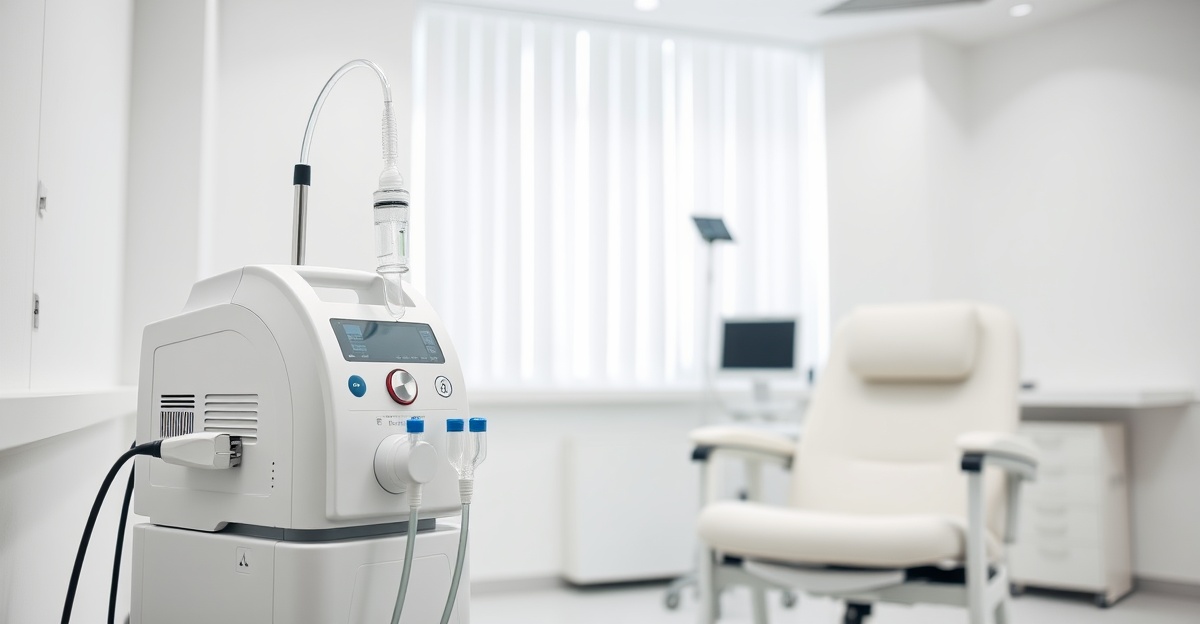
Portable Hyperbaric Chambers: Are Home HBOT Units Worth It?
Explore the clinic directoryIn this article
At a Glance
- What they are: Inflatable, soft-shell chambers that deliver mild hyperbaric oxygen at 1.3 to 1.5 ATA
- Cost: $5,000 to $20,000 for a home unit; $150 to $300 per session at a clinic
- Pressure limitation: Home units max out at 1.3 to 1.5 ATA; clinical hard-shell chambers reach 2.0 to 3.0 ATA
- Best for: Mild TBI recovery, general wellness, athletic recovery in people who want frequent sessions
- Not suitable for: FDA-cleared indications (wound healing, radiation injury, decompression sickness) that require higher pressures
A portable hyperbaric chamber is an inflatable, soft-shell chamber for home use that pressurizes to 1.3 to 1.5 ATA, well below the 2.0 to 3.0 ATA that clinical hard-shell chambers reach with 100% oxygen. Its benefits are modest and mostly limited to wellness, athletic recovery and lingering concussion symptoms, because the 14 indications recognized by the Undersea and Hyperbaric Medical Society (UHMS) were established at clinical pressures a home unit cannot deliver.
- Portable hyperbaric chambers, also called soft chambers, mild hyperbaric chambers or home HBOT units, inflate to 1.3 to 1.5 ATA and usually supply room air or concentrator oxygen rather than 100% medical oxygen.
- According to the UHMS indications list (2019), the accepted uses of hyperbaric oxygen therapy, such as diabetic foot ulcers, radiation injury and decompression sickness, rely on 2.0 to 3.0 ATA with 100% oxygen in a clinical chamber.
- Henry's Law explains the gap: dissolved oxygen in plasma rises with pressure, so a 1.3 ATA home unit on room air raises it modestly while 2.4 ATA on pure oxygen raises it roughly 10 to 15 times above sea level.
- The best known brain injury and fibromyalgia studies from the Sagol Center in Israel, led by Shai Efrati and Amir Hadanny, used hard chambers and pure oxygen, so they do not directly test a 1.3 ATA home unit.
- A home unit costs $5,000 to $20,000 and can cost less than clinic sessions over 40 or more sessions, but only when mild pressure actually fits the reason you want treatment.
- Ear barotrauma is the most common side effect, and fire risk rises sharply once an oxygen concentrator feeds the chamber.
Hyperbaric oxygen therapy (HBOT) has been used in clinical medicine for decades. It has 14 FDA-cleared indications ranging from decompression sickness to non-healing diabetic wounds. In recent years, a growing number of companies have started selling portable, soft-shell hyperbaric chambers for home use, marketed to biohackers, athletes, and patients with chronic conditions who want the convenience of daily sessions without the cost and scheduling hassles of a clinic.
The appeal is obvious: do your HBOT sessions in your living room on your own schedule. But the physics of these devices limit them to pressures well below what clinical-grade chambers deliver, and that raises a straightforward question. Is mild hyperbaric therapy at 1.3 ATA actually doing anything meaningful? Or are you paying thousands of dollars for an expensive nap inside a glorified air mattress?
The answer depends on four things: the pressure the chamber reaches, the oxygen you breathe inside it, the evidence at that pressure for your specific goal, and how many sessions you plan to do. Each is covered below, along with the safety factors and the people most likely to benefit from a home unit.
What is a portable hyperbaric chamber?
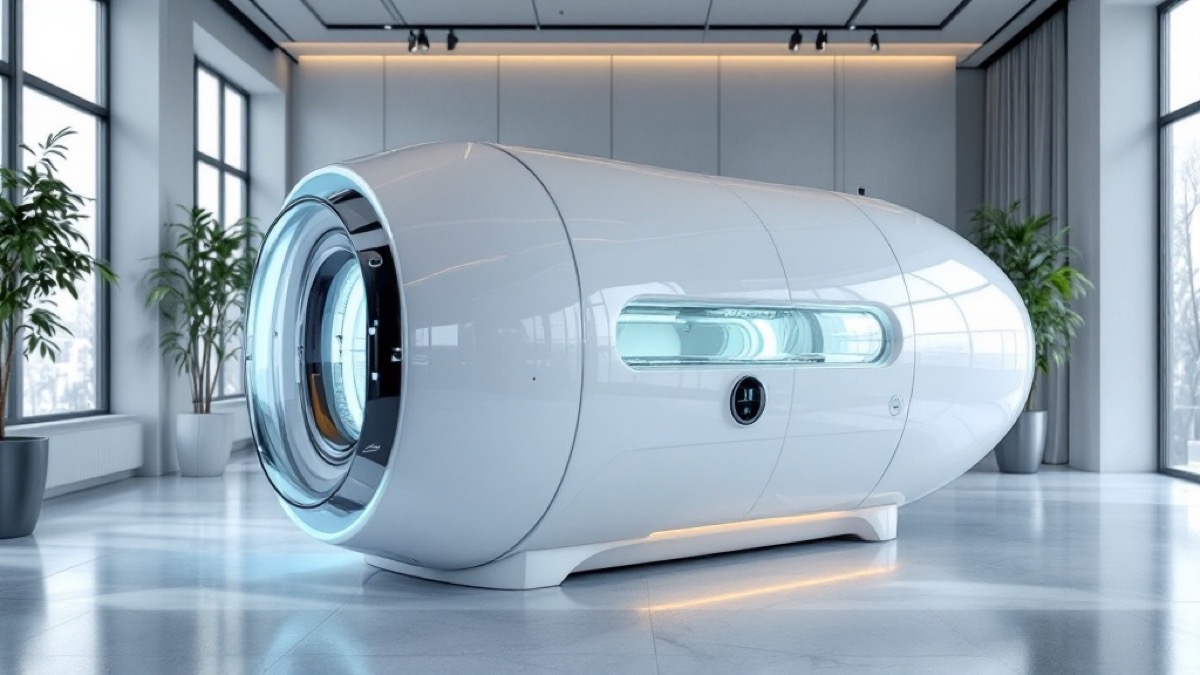
A portable hyperbaric chamber is a flexible bag of coated fabric, sealed with one or more heavy zippers, that an external compressor inflates to a pressure above sea level. You lie or sit inside for a session, typically about an hour, while the compressor holds the pressure steady and a valve vents exhaled air. Because the walls are soft, the design caps the pressure at roughly 1.3 to 1.5 ATA.
The category goes by several names: soft-shell chamber, inflatable hyperbaric chamber, mild hyperbaric chamber, home hyperbaric chamber and mild hyperbaric oxygen therapy (mHBOT). The design descends from portable altitude bags used to treat acute mountain sickness, which remains the use most soft chambers sold in the US were cleared for by the FDA. Wellness, recovery and brain injury uses are marketed on top of that clearance rather than established by it.
Most home sessions run on compressed room air at 21% oxygen. Some owners add an oxygen concentrator that feeds enriched oxygen through a mask or hood, which raises the oxygen dose and the fire risk at the same time. For a closer look at the device class itself, the soft hyperbaric chamber overview covers materials, sizes and zipper designs.
Soft-Shell vs. Hard-Shell: The Fundamental Difference
The distinction between portable and clinical chambers comes down to pressure and oxygen delivery.
| Feature | Portable Soft-Shell | Clinical Hard-Shell |
|---|---|---|
| Pressure range | 1.3 to 1.5 ATA | 1.5 to 3.0 ATA |
| Oxygen delivery | Ambient air (21% O2) or concentrator (up to ~95%) | 100% medical-grade oxygen |
| Dissolved O2 increase | Modest (roughly 50% above sea level) | Substantial (10 to 15x above sea level at 2.4 ATA) |
| FDA classification | Class II medical device (OTC clearance at 1.3 ATA) | Class II medical device (Rx required) |
| Typical cost | $5,000 to $20,000 (purchase) | $150 to $300 per session; $100,000+ to purchase |
| Setting | Home use | Clinical supervision required |
The physics matter here. Henry’s Law dictates that the amount of gas dissolved in a liquid (in this case, oxygen dissolved in blood plasma) is directly proportional to the pressure of that gas above the liquid. At 1.3 ATA breathing ambient air, you get a modest increase in dissolved oxygen. At 2.4 ATA breathing 100% oxygen, you get a dramatic increase that drives oxygen deep into tissues with compromised blood supply [1].
The 1.3 ATA Limitation: What the Science Says
Most portable chambers operate at 1.3 ATA, which is equivalent to the pressure you would experience about 10 feet underwater. At this pressure breathing ambient air (21% oxygen), your blood oxygen levels increase, but modestly compared to clinical protocols.
What 1.3 ATA Can Do
The Israeli research from the Sagol Center for Hyperbaric Medicine is the most frequently cited evidence in mild HBOT marketing. Hadanny and colleagues (2020) reported improvements in cognitive function and brain imaging markers in people with chronic post-concussion syndrome [2]. Those sessions ran in hard multiplace chambers with 100% oxygen at 2.0 ATA, so the study supports clinical HBOT for brain injury rather than a 1.3 ATA home unit.
Low pressure trials tell a more mixed story. In the US Department of Defense HOPPS trial, Miller and colleagues (JAMA Internal Medicine, 2015) gave service members with persistent post-concussive symptoms either 1.5 ATA oxygen or a sham of about 1.2 ATA air. Both chamber groups improved by similar amounts, which suggests that mild pressure, routine and attention account for part of the effect patients feel.
Additional research has examined HBOT for post-concussion syndrome, fibromyalgia, and general cognitive performance. Efrati and colleagues (2015) showed improvements in quality of life and pain scores in fibromyalgia patients over 40 sessions, using a clinical protocol at 2.0 ATA with 100% oxygen [3]. Athletic recovery studies have reported faster clearance of lactate and reduced delayed-onset muscle soreness with low-pressure protocols, though the trials are small and results are inconsistent [4].
Does a portable hyperbaric chamber deliver real benefits?
A portable hyperbaric chamber delivers a small, real rise in dissolved oxygen, and the benefits people report most often are better sleep, a sense of recovery after training and easing of lingering concussion symptoms. Controlled evidence for those benefits at 1.3 ATA is thin. Most of the positive trials used higher pressures and pure oxygen, and the sham controlled trials that used mild pressure found the sham group improving too.
What 1.3 ATA Cannot Do
The 14 FDA-cleared indications for HBOT were established using pressures of 2.0 to 3.0 ATA with 100% oxygen. These include:
- Non-healing diabetic foot ulcers
- Radiation tissue damage (osteoradionecrosis)
- Decompression sickness
- Gas gangrene and necrotizing fasciitis
- Carbon monoxide poisoning
- Crush injuries and compartment syndrome
There is no evidence that 1.3 ATA with ambient air replicates the outcomes seen in these conditions. The oxygen delivery is simply not sufficient. If you have a non-healing wound or radiation injury, you need a clinical hard-shell chamber at 2.0 ATA or above with 100% oxygen [1][5]. The hyperbaric oxygen therapy treatment guide explains how clinical protocols are set for these indications, and carbon monoxide exposure has its own page on carbon monoxide poisoning treatment.
A Necessary Distinction
Portable chambers and clinical chambers are not just different levels of the same treatment. They deliver fundamentally different doses of oxygen to tissue. Comparing them is like comparing a brisk walk to a sprint: both have health benefits, but they produce very different physiological responses. Do not expect a 1.3 ATA home unit to replace the clinical protocols used for FDA-cleared indications.
Safety Considerations for Home Units
Portable chambers are generally safe when used as directed. The lower pressures reduce most of the risks associated with high-pressure HBOT. That said, there are real safety factors to consider.
Ear Barotrauma
Even at 1.3 ATA, the pressure change during inflation and deflation can cause ear discomfort or barotrauma if you cannot equalize properly. This is the most common side effect and is usually mild. People with chronic ear infections, Eustachian tube dysfunction, or recent ear surgery should consult their physician before using any hyperbaric chamber [5].
Fire Risk
Any environment with elevated oxygen levels carries increased fire risk. If you use an oxygen concentrator with your portable chamber, remove all electronics, synthetic fabrics that generate static, and anything that could produce a spark. Never bring a phone, tablet, or electronic device inside a chamber being used with supplemental oxygen [5].
Claustrophobia
Soft-shell chambers are smaller and less rigid than clinical units. Some people find the enclosed space uncomfortable. Most manufacturers offer chambers in different sizes, and trying one before buying is worthwhile.
Contraindications
People with untreated pneumothorax, certain types of seizure disorders, or active middle ear infections should not use hyperbaric chambers of any type. Pregnant women should consult their OB-GYN. If you are on any medications that interact with oxygen levels (bleomycin, cisplatin, doxorubicin), talk to your oncologist first [5].
Sinus congestion, a recent cold and lung conditions such as COPD with air trapping also deserve a conversation with a physician first, ideally one trained in undersea and hyperbaric medicine. A fuller list of risks, from sinus squeeze to oxygen toxicity at clinical pressures, is in the guide to hyperbaric chamber side effects.
Cost Comparison: Home Unit vs. Clinical Sessions
For the clinic side of this comparison, the directory lists HBOT clinics in the US and their locations.
The financial math depends on how many sessions you plan to do.
| Scenario | Home Unit | Clinical Sessions |
|---|---|---|
| Upfront cost | $5,000 to $20,000 | $0 |
| Per-session cost | ~$5 to $10 (electricity) | $150 to $300 |
| 40 sessions | $5,200 to $20,400 total | $6,000 to $12,000 total |
| 100 sessions | $5,500 to $21,000 total | $15,000 to $30,000 total |
| 200 sessions | $6,000 to $22,000 total | $30,000 to $60,000 total |
| Pressure delivered | 1.3 to 1.5 ATA | 2.0 to 3.0 ATA |
If you plan on doing 40+ sessions and a mild-pressure protocol fits your situation, the home unit pays for itself. But this calculation only works if 1.3 ATA is actually appropriate for your condition. If you need 2.0+ ATA with 100% oxygen, the home unit is the wrong tool regardless of cost.
Insurance changes the math for clinical care. Medicare and most private insurers cover HBOT only for accepted indications such as diabetic foot ulcers and radiation injury, and they do not cover home soft chambers or wellness sessions. A side by side breakdown is in the home chamber versus clinic cost comparison.
When Clinical-Grade HBOT Is Necessary
You should use a clinical hard-shell chamber if:
- You have any of the 14 FDA-cleared indications (non-healing wounds, radiation injury, decompression sickness, etc.)
- Your doctor has recommended a specific protocol at 2.0 ATA or higher
- You are seeking treatment for stroke recovery, where higher pressures have shown more consistent benefit [6]
- You are treating a serious infection where hyperoxygenation of tissue is therapeutically critical
- You need the diagnostic monitoring (vitals, oxygen saturation) that clinical settings provide
Clinical HBOT is usually prescribed by a physician and run by a hyperbaric team that includes a supervising physician, nurses and certified hyperbaric technologists. Hospital wound care centers and outpatient hyperbaric clinics both offer it. You can compare hyperbaric oxygen therapy providers across the US in the directory, where listing order is not paid ranking and Featured slots are labeled and capped.
Who Actually Benefits from a Portable Chamber?
Based on the available evidence, portable chambers make the most sense for:
Athletes seeking recovery support. Mild HBOT may speed recovery between training sessions by reducing inflammation and improving oxygen delivery to fatigued muscles [4]. Professional teams in the NFL, NBA, and MMA have used portable chambers. The effect is modest, but for someone training at high volume, small edges add up.
Post-concussion and mild TBI patients. The evidence for HBOT in brain injury recovery is the strongest in the hyperbaric literature outside the accepted indications, though most of it comes from clinical pressures [2]. If you are managing lingering cognitive symptoms after a concussion and want frequent sessions, a home unit allows daily treatment that would be impractical at a clinic. The traumatic brain injury condition page covers other options a neurologist may suggest alongside it.
General wellness and longevity enthusiasts. Some users report improved sleep, energy, and cognitive clarity with regular mild HBOT sessions. These reports are largely anecdotal, and the placebo component of spending 60 quiet minutes in a pressurized chamber should not be dismissed. But the biological plausibility is there: even modest increases in dissolved oxygen can support cellular metabolism and reduce systemic inflammation.
Chronic condition management (adjunctive). Patients with fibromyalgia, chronic fatigue, or Lyme disease sometimes report symptom improvement with regular mild HBOT [3]. The evidence base is limited, and these should be considered experimental uses rather than established treatments.
People who mainly want more oxygen during exercise sometimes compare a home chamber with exercise with oxygen therapy (EWOT) or normobaric oxygen from a concentrator. Those approaches raise inhaled oxygen without pressure, and the oxygen therapy guide explains how they differ from hyperbaric treatment.
| Goal | Portable chamber at 1.3 to 1.5 ATA | Clinical chamber at 2.0 to 3.0 ATA |
|---|---|---|
| Athletic recovery | Plausible, small and inconsistent trials | Rarely used for this goal |
| Lingering concussion symptoms | Mixed, sham groups also improved | Studied in Israeli trials at 2.0 ATA |
| Fibromyalgia, chronic fatigue, Lyme disease | Experimental, mostly anecdotal | Small trials, off label |
| Diabetic foot ulcers, radiation injury | Not appropriate | Accepted UHMS indications |
| Decompression sickness, carbon monoxide | Not appropriate | Accepted UHMS indications, emergency care |
What to Look for When Buying a Portable Chamber
If you decide a home unit makes sense for your situation, here is what to evaluate:
- Pressure rating: Confirm it reaches at least 1.3 ATA. Some budget units only reach 1.2 ATA, which may be too low for measurable benefit.
- Size: Make sure you can lie flat or sit comfortably. Try before you buy if possible.
- Zipper quality: The zipper is the weakest point on soft-shell chambers. Look for heavy-duty, dual-layer zippers with a pressure-relief valve.
- Compressor noise: Compressors run the entire session. Noise levels vary from tolerable to disruptive. Check decibel ratings.
- Oxygen concentrator compatibility: If you plan to breathe enriched oxygen (not just ambient air), confirm the chamber is compatible and that the concentrator delivers at least 93% O2 at the necessary flow rate.
- Warranty and support: Chambers require maintenance. Check for warranty length, replacement part availability, and manufacturer responsiveness.
- FDA clearance: Only use chambers that are FDA-cleared as Class II medical devices. Avoid gray-market imports that lack regulatory oversight.
Portable hyperbaric chambers in Australia and New Zealand
The benefits of a portable hyperbaric chamber in Australia or New Zealand are the same as in the US, because the physics and the evidence do not change with the market. A soft chamber at 1.3 to 1.5 ATA offers the same modest rise in dissolved oxygen, and the accepted indications still need a clinical hard chamber at higher pressure with 100% oxygen.
The regulator is what changes. In Australia, medical devices are regulated by the Therapeutic Goods Administration (TGA) and listed on the Australian Register of Therapeutic Goods (ARTG). In New Zealand, Medsafe oversees medical devices. An FDA clearance or a CE mark does not by itself make a chamber registered in either country, so check the local register entry for the exact model before buying, and treat health claims a seller makes beyond that entry with caution.
Clinical HBOT in both countries is mostly delivered through hospital hyperbaric units for accepted indications such as decompression sickness, radiation injury and problem wounds. Home soft chambers sit outside that hospital system in both countries, just as they do in the US.
Using a home hyperbaric chamber: what to expect
A home hyperbaric chamber needs a flat floor space a little larger than the chamber, a standard power outlet for the compressor and good ventilation around the compressor and any concentrator. Setup usually takes a few minutes once you have done it several times.
- Inspect the zippers, seals and pressure gauge before every session.
- Get in, close the zippers fully and start the compressor.
- Equalize your ears during the first several minutes of pressurization by swallowing, yawning or a gentle Valsalva maneuver.
- Stay at pressure for the planned session time, keeping electronics outside if any supplemental oxygen is in use.
- Depressurize slowly with the release valve, continuing to equalize, before opening the zippers.
Most manufacturers recommend that a second adult is at home during sessions, and children should only use a chamber under direct adult supervision. A physician who knows your history is the right person to decide whether home sessions fit alongside your other care. The guide to HBOT at home covers routines and session planning in more detail.
Top Portable Chamber Models Compared
| Model | Brand | Diameter | Pressure | Price | FDA Cleared |
|---|---|---|---|---|---|
| C4-27 | Newtowne | 27″ | 1.3 ATA | $4,495 | Yes |
| Shallow Dive | Summit to Sea | 26″ | 1.3 ATA | ~$4,000 to $5,500 | Yes |
| The Dive | Summit to Sea | 33″ | 1.3 ATA | ~$6,500 to $8,500 | Yes |
| Solace 210 | OxyHealth | 21″ | 1.3 ATA | ~$6,500 to $8,000 | Yes |
| Vitaeris 320 | OxyHealth | 32″ | 1.3 ATA | ~$18,000 to $23,000 | Yes |
| Apex32 | OxyRevo | 32″ | 1.5 ATA | $8,499 | No (CE only) |
The OxyHealth Vitaeris 320 anchors the premium end; the Newtowne C4-27 anchors the budget end.
Should You Buy or Rent?
Rent to test the routine or for a short recovery goal; buy if you will use it 60+ sessions a year. Rental programs run $300 to $700 per month for soft chambers. Purchasing breaks even against clinic visits after 12 to 30 sessions at $200 to $500 per session. But home chambers deliver 1.3 ATA with air, not clinical 2.0+ ATA. It is not a like-for-like comparison.
For a fuller buying guide including home installation considerations, see the home hyperbaric chamber guide. For clinical-grade options at higher pressures, see the hard versus soft shell guide. For a step up in pressure within the portable category, the mild hyperbaric chamber guide covers 1.3 ATA options in full.
Running Costs and Accessories
The purchase price is not the total cost. An oxygen concentrator (5 or 10 LPM) adds $800 to $2,500 upfront, or $200 to $400/month as a rental. Electricity consumption for the compressor runs approximately $0.50 to $1.00 per session at average US rates. Replacement zipper seals and pressure gauge calibration are the most common maintenance items, typically $100 to $300 annually. Compressor rebuild or replacement costs $500 to $1,500 after 3 to 5 years of heavy use.
Total annual operating cost for a portable chamber used 3 to 5 times per week runs $500 to $1,500, not including the oxygen concentrator. Add $2,400 to $4,800 per year if renting a concentrator. For a full cost breakdown including purchase price and running costs by brand, see the hyperbaric chamber cost guide and the live chamber price index.
Frequently asked questions about portable hyperbaric chambers
What are the benefits of a portable hyperbaric chamber?
The main benefit of a portable hyperbaric chamber is frequent, convenient mild pressure at home, which modestly raises dissolved oxygen in the blood. Users most often report better sleep, faster recovery after training and easing of lingering concussion symptoms. Controlled evidence for these benefits at 1.3 ATA is limited, because most positive HBOT trials used clinical chambers at 2.0 ATA or more with pure oxygen.
Is a home hyperbaric chamber as good as clinical HBOT?
A home hyperbaric chamber is not equivalent to clinical HBOT. Soft chambers reach 1.3 to 1.5 ATA, usually on room air, while clinical hard chambers reach 2.0 to 3.0 ATA with 100% oxygen. That gap means a home unit cannot treat the accepted UHMS indications, such as diabetic foot ulcers, radiation injury or decompression sickness, which need a supervised clinical chamber and a prescribing physician.
Is a portable hyperbaric chamber safe to use at home?
A portable hyperbaric chamber is generally low risk when used as the manufacturer directs, because its pressure is mild. Ear barotrauma from poor equalizing is the most common problem. Fire risk rises once an oxygen concentrator is added, so electronics and spark sources must stay outside. People with untreated pneumothorax, active ear infections or seizure disorders should not use one, and anyone pregnant or on chemotherapy should ask their physician first.
How much does a portable hyperbaric chamber cost?
A portable hyperbaric chamber for home use costs about $5,000 to $20,000 to buy, plus running costs for electricity, seals and an optional oxygen concentrator. Clinic sessions run about $150 to $300 each, so buying can cost less than the clinic over 40 or more sessions. Insurance rarely covers home units or wellness sessions, while it may cover clinical HBOT for accepted indications.
How long and how often should you use a portable hyperbaric chamber?
Home sessions in a portable hyperbaric chamber usually last about an hour, and owners commonly use them several times a week. There is no standard, evidence based schedule for mild pressure, because the trials that set session counts used clinical protocols at higher pressure. A physician familiar with hyperbaric medicine can help match frequency to your goal and check that nothing in your history makes regular pressurization unwise.
Can you buy a portable hyperbaric chamber in Australia or New Zealand?
Portable hyperbaric chambers are sold in Australia and New Zealand, and their benefits there match the evidence elsewhere: modest, mostly for wellness and recovery. Australian devices are regulated by the Therapeutic Goods Administration and listed on the ARTG, and New Zealand devices fall under Medsafe. Check the local registration of the exact model, since an FDA clearance or CE mark alone does not register it in either country.
The Bottom Line
Portable hyperbaric chambers are a legitimate tool for a specific set of use cases. They deliver mild hyperbaric pressure that can modestly increase tissue oxygenation and may benefit athletes, concussion recovery patients, and people seeking wellness-oriented HBOT on a convenient schedule.
They are not a substitute for clinical-grade HBOT. If your condition requires pressures above 1.5 ATA with 100% oxygen, a portable unit will not get you there, and no amount of daily sessions at 1.3 ATA will replicate what a hard-shell chamber delivers at 2.4 ATA. Match the tool to the job. For a full overview of HBOT, how it works, and what the evidence covers, see our hyperbaric oxygen therapy guide.
If clinical pressure is the better fit, the directory lists clinics offering hyperbaric oxygen therapy by city. Regenerated.com is free for patients, Verified means a clinic completed credential checks rather than paid for placement, and inclusion in the directory is not an endorsement. For a direct comparison of the two pressure levels, read mild HBOT versus clinical HBOT.
Related Reading
Sources
- Tibbles PM, Edelsberg JS. Hyperbaric-oxygen therapy. N Engl J Med. 1996;334(25):1642-1648. ↩
- Hadanny A, Abbott S, Suzin G, et al. Effect of hyperbaric oxygen therapy on chronic neurocognitive deficits of post-concussion syndrome. Sci Rep. 2020;10:18098. ↩
- Efrati S, Golan H, Bechor Y, et al. Hyperbaric oxygen therapy can diminish fibromyalgia syndrome. PLoS ONE. 2015;10(5):e0127012. ↩
- Ishii Y, Deie M, Adachi N, et al. Hyperbaric oxygen as an adjuvant for athletes. Sports Med. 2005;35(9):739-746. ↩
- Undersea and Hyperbaric Medical Society. Indications for hyperbaric oxygen therapy. 14th edition. 2019. ↩
- Efrati S, Fishlev G, Bechor Y, et al. Hyperbaric oxygen induces late neuroplasticity in post-stroke patients. PLoS ONE. 2013;8(1):e53716. ↩