IBS and Anxiety: Understanding the Gut-Brain Connection

At a Glance
- 40-60% of IBS patients meet criteria for an anxiety disorder, compared to 15-20% of the general population
- The gut-brain axis is bidirectional: anxiety worsens gut symptoms, and gut symptoms worsen anxiety
- IBS-specific anxiety (fear of symptoms, food avoidance, location scanning for bathrooms) is distinct from generalized anxiety
- Gut-directed hypnotherapy, CBT for IBS, and low-dose antidepressants are all effective for both gut and mood symptoms
- Treating anxiety without addressing the gut (or vice versa) produces incomplete results
The Gut-Brain Axis: Not a Metaphor
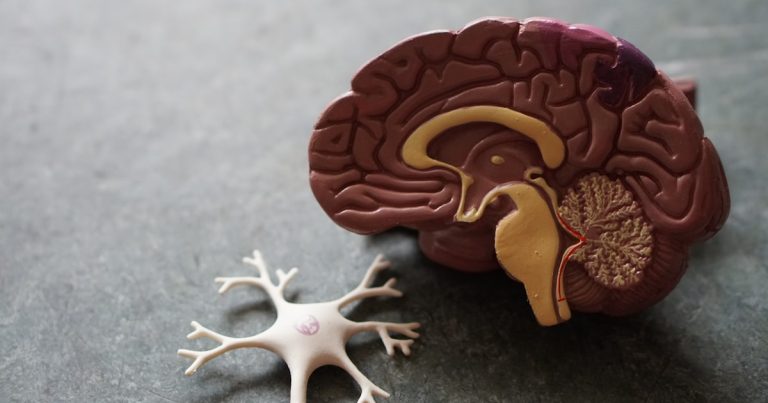
When people say IBS is “stress-related,” it sounds like a dismissal. It is not. The gut-brain axis is a physical bidirectional communication network linking the central nervous system (brain and spinal cord) with the enteric nervous system (the 500 million neurons embedded in the gut wall). This highway transmits signals in both directions, using the vagus nerve, the HPA axis, and circulating immune mediators [1].
In IBS, this communication system is dysregulated. The brain sends amplified “alert” signals to the gut (increasing motility, secretion, and sensitivity), and the gut sends exaggerated “danger” signals back to the brain (reinforcing anxiety and hypervigilance). The result is a self-reinforcing loop where psychological distress and GI symptoms feed each other.
This is not about the pain being imaginary. fMRI studies show that IBS patients have measurably different brain responses to visceral stimulation compared to healthy controls. The anterior cingulate cortex, prefrontal cortex, and amygdala show heightened activation, reflecting altered central processing of gut signals [2].
Which Comes First: Anxiety or IBS?
The relationship is genuinely bidirectional. Population studies show two distinct onset patterns [3]:
- Anxiety first (roughly 50-60% of cases): Pre-existing anxiety disorder develops before IBS symptoms. Chronic stress and anxiety alter gut motility, permeability, and microbiome composition, eventually producing IBS symptoms.
- Gut first (roughly 30-40% of cases): IBS develops after a GI trigger (gastroenteritis, food poisoning, antibiotics), and anxiety develops secondary to the unpredictability and social impact of gut symptoms. This “bottom-up” pathway is particularly clear in post-infectious IBS.
In practice, by the time most patients seek help, the directionality is irrelevant because both systems are actively feeding each other. Treatment needs to address both simultaneously.
IBS-Specific Anxiety: A Different Beast
Beyond generalized anxiety, IBS creates its own anxiety pattern that is distinct and often underrecognized. The Visceral Sensitivity Index (VSI) measures GI-specific anxiety, including [4]:
- Symptom hypervigilance: Constantly monitoring bodily sensations for signs of an impending episode. Normal gurgling becomes a source of dread.
- Anticipatory anxiety: Worrying about symptoms before meals, social events, travel, or any situation where a bathroom might not be accessible.
- Food avoidance and dietary restriction: Progressively eliminating foods out of fear rather than confirmed intolerance. Some patients restrict their diet so severely that nutritional deficiencies develop.
- Bathroom mapping: Mentally cataloging bathroom locations in every environment. Choosing restaurant seats near exits. Avoiding highways without rest stops.
- Social withdrawal: Declining invitations, avoiding dating, missing work, and reducing physical activity due to fear of symptom episodes in public.
GI-specific anxiety is a stronger predictor of IBS symptom severity than generalized anxiety. Two patients with identical gut pathophysiology can have vastly different functional outcomes based on their level of GI-specific anxiety.
The Microbiome Connection
The gut microbiome is a key mediator of the gut-brain axis. Bacteria in the gut produce neurotransmitters (serotonin, GABA, dopamine), short-chain fatty acids, and inflammatory mediators that influence brain function directly [5].
Key findings:
- 90-95% of the body’s serotonin is produced in the gut by enterochromaffin cells, with microbiome composition influencing production rates
- IBS patients have altered microbiome diversity compared to healthy controls, with reduced Bifidobacterium and Lactobacillus species
- Germ-free mice (raised without gut bacteria) show altered stress responses and anxiety-like behavior that normalizes with microbiome reconstitution
- Probiotic supplementation with specific strains (Bifidobacterium longum 1714, Lactobacillus rhamnosus JB-1) reduces anxiety-like behavior in animal models and shows modest benefit in human trials
The clinical relevance is that treatments improving microbiome health (dietary diversity, targeted probiotics, avoiding unnecessary antibiotics) may support both gut and mental health outcomes.
Treatments That Address Both Systems
Gut-Directed Hypnotherapy
The strongest evidence for any single intervention targeting the gut-brain axis in IBS. Gut-directed hypnotherapy uses hypnotic suggestion to modify gut-specific neural pathways, reducing visceral hypersensitivity and normalizing GI motility.
Seven sessions over 12 weeks is the standard protocol (Manchester protocol). Multiple RCTs show [6]:
- 70-80% of patients achieve clinically meaningful symptom improvement
- Effects persist for 1-5 years after treatment completion
- Both GI symptoms and psychological distress improve simultaneously
- Effective for all IBS subtypes (IBS-D, IBS-C, IBS-M)
- Effective even in patients who have failed all other treatments
Access is the main barrier. Trained gut-directed hypnotherapists are limited in number. Digital programs (Nerva, Regulora) offer self-guided versions that produce smaller but still significant effects compared to in-person therapy.
Cognitive Behavioral Therapy for IBS (CBT-IBS)
CBT adapted specifically for IBS targets the cognitive and behavioral patterns that amplify the gut-brain cycle [7]:
- Cognitive restructuring of catastrophic thoughts (“this bloating means something is seriously wrong”)
- Behavioral experiments to test feared outcomes (eating a feared food in a controlled setting)
- Interoceptive exposure (deliberately paying attention to gut sensations without avoiding them)
- Activity scheduling to reverse avoidance patterns
- Stress management and relaxation techniques
A 2019 study in the New England Journal of Medicine found that CBT for IBS delivered over 4 sessions by phone was effective and durable, reducing both IBS severity and work/social impairment at 12 months [8]. This makes it one of the most cost-effective IBS treatments available.
Low-Dose Antidepressants
Antidepressants at doses below those used for depression modulate gut-brain signaling:
- Tricyclic antidepressants (amitriptyline, nortriptyline): 10-50 mg at bedtime. Slow GI transit (best for IBS-D), reduce visceral pain, improve sleep. Side effects: dry mouth, drowsiness, constipation (therapeutic for IBS-D, problematic for IBS-C).
- SSRIs (citalopram, fluoxetine): May speed GI transit (potentially helpful for IBS-C). Better for comorbid anxiety and depression. GI side effects (nausea, diarrhea) can initially worsen IBS-D.
- SNRIs (duloxetine, venlafaxine): Address both pain and mood. Less GI transit effect than TCAs or SSRIs. Useful when pain is the dominant symptom with comorbid anxiety.
A 2024 Lancet meta-analysis of 18 RCTs confirmed that antidepressants (particularly TCAs) significantly improve IBS symptoms compared to placebo, with a number needed to treat (NNT) of 4.5 [9].
Mindfulness-Based Stress Reduction (MBSR)
An 8-week structured program combining meditation, body awareness, and yoga. MBSR reduces IBS symptom severity and associated anxiety by changing the brain’s response to visceral signals. It teaches patients to observe gut sensations without the automatic anxiety response that amplifies them.
What Does Not Work
- Treating anxiety alone without addressing the gut: Standard anxiety treatment (SSRIs at full antidepressant doses, general CBT) helps mood but often does not fully resolve GI symptoms. IBS-specific interventions are needed.
- Benzodiazepines: Reduce anxiety acutely but do not improve IBS symptoms meaningfully. Carry dependence risk. Not recommended for IBS management.
- Ignoring the psychological component: Patients who refuse to engage with the gut-brain model and seek exclusively biomedical solutions (more tests, more medications, more procedures) tend to have poorer outcomes. Accepting the bidirectional model is itself therapeutic.
A Practical Approach
- Acknowledge the connection: Understanding that anxiety and IBS are physiologically linked (not “all in your head”) is the starting point. Share this framework with your gastroenterologist and mental health provider.
- Start with one gut-brain intervention: Gut-directed hypnotherapy or CBT-IBS, whichever is more accessible. Either can serve as the foundation.
- Optimize the basics: Low FODMAP diet (with proper reintroduction), regular exercise (30 minutes most days), consistent sleep schedule. These reduce the baseline “noise” in the gut-brain axis.
- Add medication if needed: Low-dose TCA for IBS-D with pain. SSRI for IBS-C with comorbid anxiety or depression. Antispasmodics (hyoscyamine, dicyclomine) for acute symptom flares.
- Monitor GI-specific anxiety: Track bathroom avoidance, food restriction, and social withdrawal separately from general mood. These IBS-specific behaviors are key targets for behavioral intervention.
Related Reading
- Irritable Bowel Syndrome: The Evidence-Based Guide (Pillar)
- IBS Diet: What to Eat, FODMAP Basics, and Meal Planning
- IBS Symptoms in Women: How Hormones Shape the Experience
- IBS Symptoms: How to Tell If You Have IBS vs Something Else
References
- Mayer EA, Tillisch K, Gupta A. Gut/brain axis and the microbiota. J Clin Invest. 2015;125(3):926-938. doi:10.1172/JCI76304
- Tillisch K, Mayer EA, Labus JS. Quantitative meta-analysis identifies brain regions activated during rectal distension in irritable bowel syndrome. Gastroenterology. 2011;140(1):91-100. doi:10.1053/j.gastro.2010.07.053
- Koloski NA, Jones M, Kalantar J, et al. The brain-gut pathway in functional gastrointestinal disorders is bidirectional: a 12-year prospective population-based study. Gut. 2012;61(9):1284-1290. doi:10.1136/gutjnl-2011-300474
- Labus JS, Bolus R, Chang L, et al. The Visceral Sensitivity Index: development and validation of a gastrointestinal symptom-specific anxiety scale. Aliment Pharmacol Ther. 2004;20(1):89-97. doi:10.1111/j.1365-2036.2004.02007.x
- Cryan JF, O’Riordan KJ, Cowan CSM, et al. The microbiota-gut-brain axis. Physiol Rev. 2019;99(4):1877-2013. doi:10.1152/physrev.00018.2018
- Peters SL, Muir JG, Gibson PR. Review article: gut-directed hypnotherapy in the management of irritable bowel syndrome and inflammatory bowel disease. Aliment Pharmacol Ther. 2015;41(11):1104-1115. doi:10.1111/apt.13202
- Lackner JM, Jaccard J, Keefer L, et al. Improvement in gastrointestinal symptoms after cognitive behavior therapy for refractory irritable bowel syndrome. Gastroenterology. 2018;155(1):47-57. doi:10.1053/j.gastro.2018.03.063
- Everitt HA, Landau S, O’Reilly G, et al. Assessing telephone-delivered cognitive-behavioural therapy (CBT) and web-delivered CBT versus treatment as usual in irritable bowel syndrome (ACTIB): a multicentre randomised trial. Gut. 2019;68(9):1613-1623. doi:10.1136/gutjnl-2018-317805
- Ford AC, Wright-Hughes A, Alderson SL, et al. Amitriptyline at low-dose and titrated for irritable bowel syndrome as second-line treatment in primary care (ATLANTIS): a randomised, double-blind, placebo-controlled, phase 3 trial. Lancet. 2023;402(10414):1773-1785. doi:10.1016/S0140-6736(23)01523-4