Semaglutide vs Tirzepatide: Which GLP-1 Is Right for You?
Tirzepatide produces more weight loss on average; semaglutide has a longer track record and easier access. A clear, evidence-based comparison of the two leading GLP-1 medications.
BPC-157, thymosin, GH secretagogues, TRT, and hormone balancing protocols
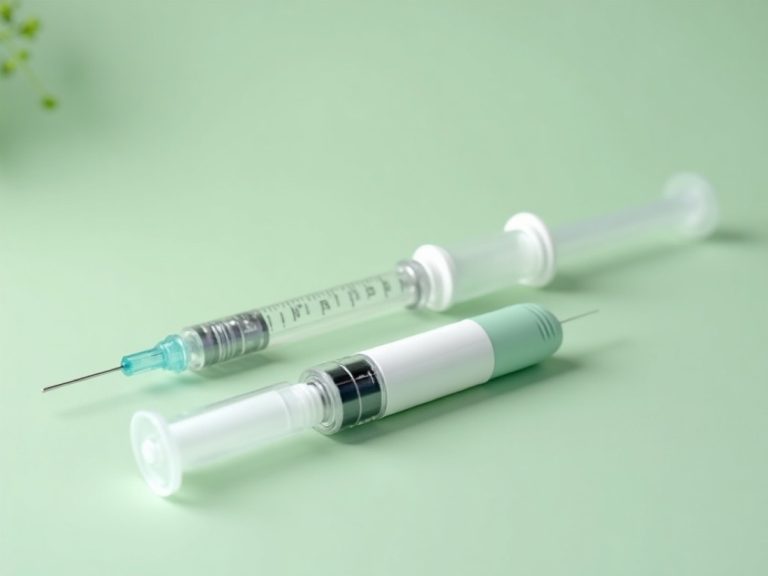
Tirzepatide produces more weight loss on average; semaglutide has a longer track record and easier access. A clear, evidence-based comparison of the two leading GLP-1 medications.

A complete guide to peptide therapy covering BPC-157, TB-500, CJC-1295, Ipamorelin, Thymosin alpha-1, GHK-Cu, PT-141, and more. Learn how peptides work, what the research shows, FDA status, costs, safety considerations, and how to find a qualified provider.

PT-141 (bremelanotide) works through the MC4R pathway in the brain rather than the vascular system, offering an alternative for men who do not respond to PDE5 inhibitors. Here is how it compares.
A comprehensive guide to BPC-157 peptide therapy. What the research shows about gut healing, tissue repair, inflammation, and neuroprotection, plus dosing, safety, and what to know before trying it.

At a Glance Typical dose: 200-800 mcg/day for most adults, split into 1-2 administrations Routes: Subcutaneous injection (most studied), oral (gut-specific), intramuscular Cycle length: 4-6 weeks on, 2-4 weeks off is the most common protocol Reconstitution: Bacteriostatic water; store refrigerated once mixed Stacking: Frequently paired with TB-500 for synergistic tissue repair What Is BPC-157 and…

CJC-1295 and Ipamorelin work through two different pathways to stimulate your body’s own growth hormone production. This combination has become the most popular peptide stack for body composition, sleep, recovery, and anti-aging. Here is how it works, how to dose it, and what to watch for.

At a Glance What this covers: The emerging intersection of NAD+ science and peptide therapy, mitochondrial peptides, synergistic combinations, and what researchers are actually finding. Key peptides: MOTS-c (mitochondrial-derived peptide enhancing NAD+ metabolism), humanin (mitochondrial protection), and BPC-157 (tissue repair with potential NAD+ synergy). Evidence level: Early, mostly preclinical research and mechanistic studies. Human clinical…

Semax is a synthetic peptide derived from ACTH that has been used clinically in Russia for decades. Research points to cognitive enhancement, neuroprotection, and anxiety reduction through BDNF upregulation and dopamine modulation.

Selank is a synthetic peptide derived from the immune-modulating molecule tuftsin. Developed in Russia, it has demonstrated anxiolytic and nootropic effects through GABA modulation and BDNF upregulation. Here is what the research shows about dosing, delivery, and clinical outcomes.

A complete practical guide to peptide injections — covering subcutaneous vs. intramuscular technique, reconstitution, dosing math, injection site rotation, equipment, storage, and answers to the most common questions about self-injection.