NAD Injections: Benefits, Side Effects, and What to Expect

At a Glance
- What they are: Intramuscular or subcutaneous injections of NAD+ (nicotinamide adenine dinucleotide) – a faster, more affordable alternative to IV infusions.
- Key difference from IV: NAD injections take 30-60 seconds vs 2-4 hours for IV. Lower cost per session ($150-$400 vs $500-$1,500). Slightly lower bioavailability but dramatically more convenient.
- Common uses: Energy support, brain fog, anti-aging, addiction recovery support, athletic performance, chronic fatigue.
- Evidence: Same NAD+ molecule as IV – mechanism is well-established. Injection-specific clinical trials are limited but growing. Safety profile is well-documented.
- Cost: $150-$400 per injection. Some clinics offer packages of 4-10 at reduced per-session rates.
If you have looked into NAD+ therapy, you have probably seen the IV infusion version first – the one where you sit in a clinic for 2-4 hours with an IV drip. It works. It also costs $500-$1,500 per session and requires a significant time commitment that most people cannot sustain long-term.
Next step: Read the NAD IV therapy guide, then browse vetted clinics that list NAD infusions and related options.
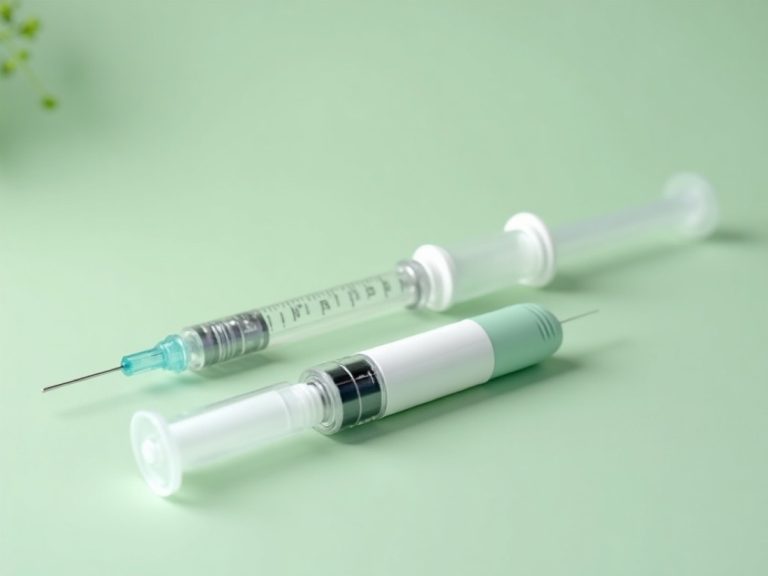
NAD injections are the practical alternative. Same molecule, different delivery method. Instead of a slow IV drip, NAD+ is injected directly into muscle tissue (intramuscular) or under the skin (subcutaneous). The entire process takes under a minute, costs significantly less, and can even be self-administered at home with proper guidance from a prescribing physician.
This guide covers everything you need to know about NAD injections – how they compare to IV infusions, what to expect during and after treatment, side effects, dosing protocols, and whether the evidence supports the hype.
How NAD Injections Work
NAD+ is a coenzyme required for over 500 enzymatic reactions in your body. It drives cellular energy production (ATP), activates sirtuins for DNA repair, and plays a central role in mitochondrial function. NAD+ levels decline roughly 50% between ages 40-60, which correlates with declining energy, cognitive function, and recovery capacity.
When NAD+ is injected intramuscularly, it enters the bloodstream through absorption from muscle tissue. The process is slower than IV delivery (which puts NAD+ directly into the bloodstream) but faster than oral supplements (which must survive digestion and have roughly 2-10% bioavailability).
IV Infusion
100% bioavailability. 250-750mg per session. Takes 2-4 hours. Best for intensive protocols (addiction recovery, acute illness). $500-$1,500 per session.
IM/SubQ Injection
High bioavailability (estimated 80-95%). 50-200mg per injection. Takes 30-60 seconds. Best for maintenance and ongoing optimization. $150-$400 per session.
Oral Supplement (NMN/NR)
Low bioavailability (2-10% for NAD+, higher for precursors). 250-1,000mg daily. Convenient but far less potent per dose. Best for general maintenance. $30-$100/month.
Key concept: Injections hit the sweet spot between convenience and potency
IV infusions deliver the most NAD+ per session but require clinic visits and hours of time. Oral supplements are convenient but deliver a fraction of the active compound. Injections offer 80-95% estimated bioavailability in under a minute – making them the most practical option for ongoing NAD+ optimization.
What to Expect During NAD Injections
Before Your First Injection
A reputable provider will take a health history, discuss your goals, and may run baseline labs (metabolic panel, inflammatory markers). Some clinics measure intracellular NAD+ levels before and after treatment, though this testing is not yet standardized.
The Injection Itself
NAD+ is typically injected into the gluteal muscle (buttock), deltoid (upper arm), or subcutaneously into the abdomen or thigh. The injection takes 30-60 seconds. You may feel a brief sting at the injection site, and some people report a warm flushing sensation or mild nausea for 10-15 minutes afterward – similar to but much milder than the side effects experienced during IV infusions.
After the Injection
Most people feel increased energy and mental clarity within 30-60 minutes. Some describe it as a “brain turned on” feeling. Others notice more subtle effects – better sleep quality, improved recovery from exercise, or reduced brain fog over the first week of treatment. The experience varies significantly between individuals based on baseline NAD+ levels, age, and overall health status.
NAD Injection Benefits: What the Evidence Supports
| Benefit | Evidence Level | What the Research Shows |
|---|---|---|
| Cellular energy production | Established | NAD+ is required for mitochondrial ATP production. Restoring NAD+ levels improves mitochondrial function in preclinical models. |
| DNA repair support | Established (mechanism) | NAD+ activates PARP enzymes for DNA repair and sirtuins for cellular stress response. Well-established biochemistry. |
| Brain fog and cognitive clarity | Promising | NAD+ supports neuronal energy metabolism and neurotransmitter synthesis. Clinical reports consistently show cognitive improvements; controlled trials are limited. |
| Addiction recovery support | Promising | NAD+ IV protocols have been used in addiction treatment since the 1960s (Springfield protocol). Evidence is primarily clinical/observational. |
| Athletic recovery | Promising | NAD+ supports muscle recovery through mitochondrial repair and reduces oxidative stress post-exercise. Growing clinical interest. |
| Anti-aging | Strong preclinical, early clinical | NAD+ decline is a hallmark of aging. Restoration improves multiple aging biomarkers in animal models. Human longevity trials are underway. |
| Chronic fatigue | Promising (clinical reports) | Patients with CFS/ME frequently report significant energy improvements. Controlled trials needed. |
Side Effects of NAD Injections
NAD injections have a well-documented safety profile. The side effects are generally mild and transient:
Common (experienced by 20-40% of patients):
- Injection site soreness or bruising (resolves in 1-2 days)
- Mild flushing or warmth lasting 10-20 minutes
- Brief nausea (much less common than with IV infusions)
Less common (5-15%):
- Mild headache (usually first 1-2 sessions only)
- Lightheadedness for 5-10 minutes post-injection
- Muscle cramping at injection site
Safety note: Source and compounding quality matters
NAD+ for injection must come from a licensed compounding pharmacy. The purity, sterility, and concentration vary between providers. Ask your clinic: Where is the NAD+ compounded? Is the pharmacy FDA-registered? Is there a certificate of analysis (COA) available? Avoid clinics that cannot answer these questions clearly.
Dosing Protocols: What Clinics Typically Recommend
| Protocol | Dose | Frequency | Duration | Best For |
|---|---|---|---|---|
| Loading phase | 100-200mg IM | 2-3x per week | 2-4 weeks | Initial NAD+ restoration, significant depletion |
| Maintenance | 50-100mg IM or SubQ | 1-2x per week | Ongoing | Sustained optimization, anti-aging |
| Performance | 100-200mg IM | 2-3x per week | Around training blocks | Athletic recovery, competition prep |
| Intensive (addiction support) | 200mg+ IM (or IV preferred) | Daily for 7-10 days | Acute phase only | Substance withdrawal support |
Key concept: Start low, titrate up
Most clinicians recommend starting at 50-100mg per injection and increasing based on tolerance and response. Higher doses are not always better – some patients respond optimally at 100mg while others need 200mg. The loading phase (first 2-4 weeks at higher frequency) establishes baseline NAD+ restoration; maintenance keeps levels optimized.
NAD Injections vs. IV NAD Therapy: Which Should You Choose?
| Factor | NAD Injections | NAD IV Therapy |
|---|---|---|
| Time per session | 30-60 seconds | 2-4 hours |
| Bioavailability | ~80-95% (estimated) | ~100% |
| Dose per session | 50-200mg | 250-750mg |
| Cost per session | $150-$400 | $500-$1,500 |
| Side effects | Mild (injection site soreness) | Moderate (nausea, flushing, chest tightness during infusion) |
| At-home option | Yes (with prescription) | No (requires clinical setting) |
| Best for | Maintenance, ongoing optimization | Intensive loading, acute conditions, addiction protocols |
The practical answer for most people: start with an IV loading series if your budget allows (2-4 IV sessions over 1-2 weeks), then switch to injections for long-term maintenance. If the IV cost or time is prohibitive, injection-only protocols work well – just plan on a slightly longer loading phase to build up your NAD+ levels.
Self-Injection at Home: What You Need to Know
Many clinics now prescribe NAD+ for at-home self-injection, which dramatically reduces cost and increases convenience. Here is how it typically works:
- Initial consultation – physician evaluation (often telehealth) to confirm candidacy and prescribe NAD+.
- Compounding pharmacy ships medication – NAD+ arrives as a sterile solution in a multi-dose vial, refrigerated.
- Training – the clinic provides injection technique training (video or in-person). Subcutaneous injection into the abdomen is the most common self-injection method.
- Self-administer on schedule – follow the prescribed protocol. Rotate injection sites. Store medication refrigerated.
- Follow-up – periodic check-ins with the prescribing physician to adjust dosing.
At-home NAD+ injections typically cost $200-$600 per month depending on dose and frequency, compared to $2,000-$6,000+ monthly for clinic-based IV infusions at the same frequency.
Frequently Asked Questions
How quickly do NAD injections work?
Most people notice increased energy and mental clarity within 30-60 minutes of their first injection. Some effects are cumulative – improvements in sleep quality, recovery, and sustained energy typically develop over the first 1-2 weeks of consistent treatment. If you notice nothing after 4-6 injections, discuss dose adjustment with your provider.
Are NAD injections painful?
The injection itself feels like any other intramuscular shot – a brief pinch lasting 1-2 seconds. NAD+ can cause a mild stinging sensation as it enters the tissue, and some people report warmth or flushing for 10-15 minutes afterward. This is significantly less uncomfortable than IV NAD+ infusions, which often cause sustained nausea and chest tightness during the 2-4 hour drip.
Can I combine NAD injections with oral NAD+ supplements (NMN/NR)?
Yes. Many longevity-focused protocols use injections for acute NAD+ restoration and oral precursors (NMN or NR, typically 500-1,000mg/day) for daily maintenance between injection days. The combination is generally considered safe and may provide more sustained NAD+ elevation than either approach alone.
How long do the effects of NAD injections last?
The acute energy and clarity effects typically last 24-72 hours per injection. With consistent dosing over weeks, many patients report that the baseline improvements (energy, cognitive function, sleep quality) persist between sessions. NAD+ is continuously consumed by cellular processes, so ongoing supplementation is needed to maintain elevated levels.
Who should NOT get NAD injections?
NAD+ injections are contraindicated for people currently on opioid medications (NAD+ may precipitate withdrawal symptoms), pregnant or breastfeeding women (insufficient safety data), and anyone with a known allergy to any component of the compounded solution. People with cancer should consult their oncologist first – NAD+ supports cellular energy broadly, and the theoretical concern about fueling tumor growth exists, though clinical evidence of harm is lacking.
Are NAD injections covered by insurance?
No. NAD+ therapy (both IV and injection) is considered an elective, off-label treatment and is not covered by any major insurance carrier in the US. Some HSA/FSA accounts may cover it with a physician’s letter of medical necessity, but this varies by plan administrator.
Related Reading
- NAD+ IV Therapy: The Complete Guide – our thorough pillar guide covering the science, evidence, and clinical applications of NAD+
- Peptide Therapy Guide – many patients combine NAD+ with peptides like BPC-157 and Selank for synergistic benefits
- Brain Fog: Causes and Solutions – NAD+ is one of the most effective treatments for chronic brain fog
- Biofeedback Therapy – complementary approach for optimizing nervous system function alongside NAD+