MCAS Foods to Avoid: A Practical Low-Histamine Guide
At a Glance: Managing food with MCAS means reducing your histamine load, not eliminating every possible trigger food forever. Focus on avoiding the highest-histamine foods (aged, fermented, cured, leftover), learn which foods liberate histamine or block DAO, and build meals around fresh-cooked proteins, most vegetables, and well-tolerated grains. A structured elimination and reintroduction protocol is the best way to personalize your diet.
Food is one of the most controllable variables in mast cell activation syndrome. Unlike weather changes or emotional stress, you get to choose what you put in your body three or more times a day. That makes dietary management both the most accessible intervention and, for many patients, the most impactful.
But MCAS food management comes with a real danger: over-restriction. Too many patients end up on impossibly limited diets that cause malnutrition and psychological distress without meaningfully better symptom control. The goal of this guide is to help you make smart, evidence-based food choices while keeping your diet as broad and nourishing as possible.
Understanding Why Food Triggers MCAS Symptoms
Food can trigger mast cell reactions through three distinct pathways, and understanding which pathway is involved helps you make better decisions about what to avoid.
Pathway 1: Exogenous histamine. Some foods contain high levels of histamine that was produced during aging, fermentation, or bacterial activity. When you eat these foods, you are adding histamine directly to your system. If your “histamine bucket” is already partially full from mast cell overactivation, this additional load can push you over the symptom threshold.
Pathway 2: Histamine liberation. Certain foods trigger your own mast cells to release their stored histamine, even though the food itself contains minimal histamine. Citrus fruits, strawberries, and shellfish work through this mechanism.
Pathway 3: DAO enzyme inhibition. Diamine oxidase (DAO) is the primary enzyme that breaks down histamine in your gut. Some foods and beverages block DAO activity, meaning the histamine from your meal (and from your own mast cells) stays in your system longer.
Foods to Avoid or Minimize
High-Histamine Foods (Avoid or Strictly Limit)
| Category | Specific Foods | Why They Are High-Histamine |
|---|---|---|
| Aged/fermented dairy | Parmesan, cheddar, gouda, blue cheese, brie, yogurt, kefir, sour cream | Bacterial cultures produce histamine during aging and fermentation |
| Cured/processed meats | Salami, pepperoni, prosciutto, bacon, hot dogs, deli meats, sausages | Bacterial histamine production during curing; preservatives (nitrates) add to the problem |
| Fish (certain types) | Canned tuna, canned sardines, mackerel, anchovies, smoked salmon, sushi | Fish decompose rapidly; histidine in fish flesh converts to histamine quickly |
| Fermented foods | Sauerkraut, kimchi, kombucha, miso, tempeh, natto, fish sauce | Fermentation by bacteria inherently generates histamine |
| Fermented beverages | Red wine, beer, champagne, sake | Fermentation plus DAO inhibition (double effect) |
| Vinegar-based items | Balsamic vinegar, red wine vinegar, pickles, olives, capers, mustard | Vinegar is a fermentation product |
| Certain vegetables | Spinach, eggplant, tomatoes (also a liberator), avocado | Naturally higher histamine content |
| Leftover cooked food | Any protein-rich food stored more than 24 hours | Bacterial histamine production continues even under refrigeration |
Histamine Liberators (Test Individually)
These foods are not necessarily high in histamine but can prompt your mast cells to degranulate:
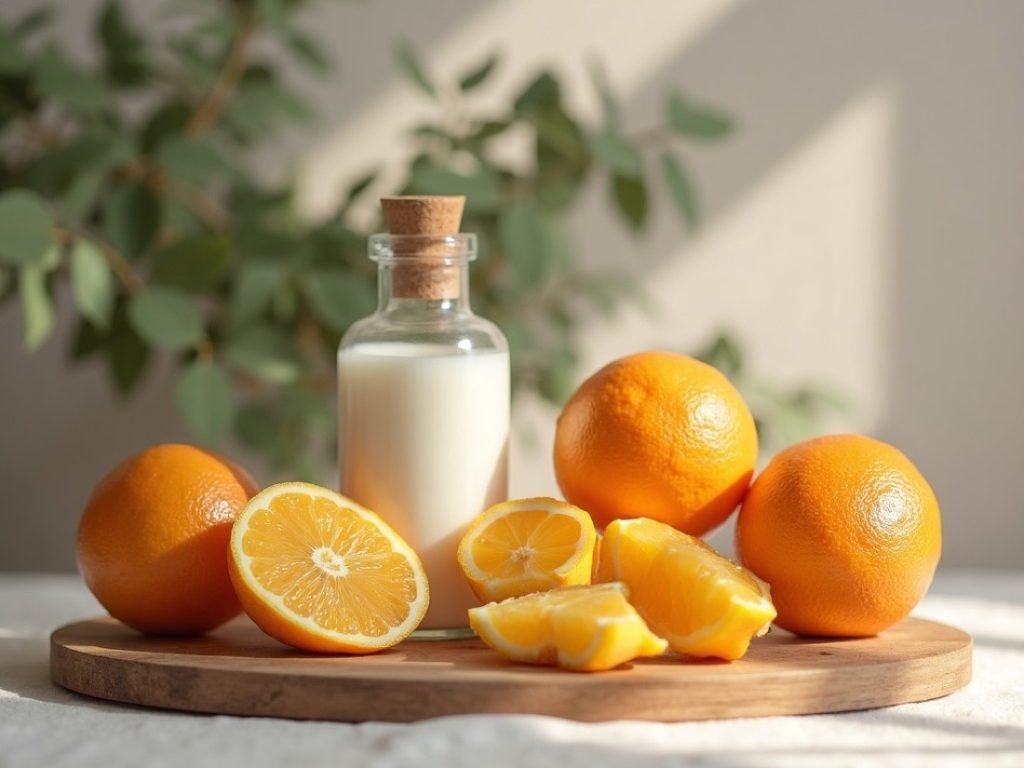
- Citrus fruits: Oranges, lemons, limes, grapefruit
- Tropical and berry fruits: Strawberries, pineapple, papaya, kiwi, bananas
- Shellfish: Shrimp, crab, lobster, mussels
- Chocolate and cocoa
- Egg whites (yolks are generally better tolerated)
- Certain nuts: Walnuts, cashews, peanuts
- Certain spices: Cinnamon, cloves, chili, curry powder, anise, nutmeg
- Food additives: Sulfites (wine, dried fruit), benzoates (soft drinks), tartrazine (yellow dye #5), MSG
Practical Note: Not every MCAS patient reacts to every liberator. Some people tolerate citrus fine but cannot handle shellfish. Others eat strawberries without issue but react to chocolate. This is why individual testing through structured reintroduction matters more than blanket avoidance.
DAO Inhibitors (Minimize, Especially with Meals)
- Alcohol (all types, but especially red wine and beer)
- Black tea, green tea, mate tea
- Energy drinks
The timing matters. Drinking black tea with a meal that contains moderate histamine is worse than drinking it on its own, because you are blocking the enzyme at exactly the moment you need it working.
Foods That Are Generally Well-Tolerated
This is the more useful list. Building your meals around these foods gives you a solid, nutritious foundation.
| Category | Well-Tolerated Options | Notes |
|---|---|---|
| Proteins | Fresh (not leftover) chicken, turkey, lamb, fresh-caught fish cooked immediately, eggs (whole or yolks only) | Cook and eat immediately, or freeze portions right after cooking |
| Grains | Rice, quinoa, oats (gluten-free if sensitive), millet, amaranth | Most grains are low-histamine |
| Vegetables | Broccoli, cauliflower, zucchini, cucumber, lettuce, carrots, sweet potatoes, asparagus, onions, garlic, bell peppers | Most vegetables besides spinach, tomatoes, eggplant, and avocado are fine |
| Fruits | Apples, pears, blueberries, cherries, grapes, peaches, mangoes, watermelon | Fresh and in-season is best |
| Dairy alternatives | Coconut milk, oat milk, rice milk, hemp milk | Avoid if they contain carrageenan or other problematic additives |
| Fats and oils | Olive oil, coconut oil, butter (if dairy-tolerant), ghee | Fresh, high-quality oils only |
| Herbs | Basil, oregano, thyme, rosemary, turmeric, ginger, parsley | Fresh herbs are generally better tolerated than dried spice blends |
Cooking Methods That Reduce Histamine
How you prepare food matters as much as what you prepare. Histamine accumulates over time in protein-rich foods, so freshness and speed are your best tools.
- Cook from fresh or frozen, never from “aged” refrigerated meat. Buy fresh meat and either cook it the same day or freeze it immediately. Thaw in the refrigerator and cook right away.
- Freeze leftovers immediately. If you batch-cook, portion meals into containers and put them in the freezer within 30 minutes of cooking. Reheat directly from frozen. Do not let cooked food sit in the refrigerator for days.
- Pressure cooking is your friend. Pressure cookers (Instant Pot) are excellent for MCAS cooking because they reduce cooking time and can be used to prepare meals quickly from frozen ingredients.
- Avoid slow cooking protein. Slow cookers hold meat at warm temperatures for hours, which is ideal for bacterial histamine production. If you love your slow cooker, use it for vegetable-based dishes only.
- Boiling can reduce histamine in some foods. Boiling vegetables and discarding the water removes some histamine. This is particularly useful for borderline-tolerated foods.
Meal Planning Strategies
Successful MCAS meal planning requires a shift in habits, but once the new routine is established, it becomes second nature.
The “Cook, Eat, or Freeze” Rule
This is the single most important principle. After cooking a protein-containing meal, you have three options: eat it now, freeze it within 30 minutes, or accept that histamine levels will rise. There is no fourth option. Refrigerating leftovers and eating them the next day or later is exactly how many MCAS patients unknowingly make themselves worse.
Weekly Batch Cooking
Set aside one day per week to cook multiple meals. Immediately portion them into single-serving containers and freeze. Throughout the week, pull out a container, reheat from frozen, and add fresh vegetables or a side salad. This approach saves time and keeps histamine levels low.
Simple Template Meals
Keep meals simple. A reliable formula: one fresh protein + one cooked vegetable + one grain or starch + one healthy fat. For example: fresh pan-seared chicken thigh + roasted broccoli + jasmine rice + drizzle of olive oil. You can rotate proteins, vegetables, and grains to create variety without complexity.
Supplements That Support Low-Histamine Eating
Several supplements can help lower your histamine burden and make your diet more flexible. These are not replacements for dietary management but can provide meaningful additional support.
DAO Enzyme Supplements
Supplemental DAO (sold under brand names like Naturdao, Histamine Block, and Seeking Health Histamine Block) is taken just before meals. It provides the same enzyme your gut uses to break down dietary histamine. For many patients, DAO supplements allow them to tolerate foods that would otherwise cause reactions. Take one capsule 15 minutes before eating. Higher-histamine meals may require two capsules.
Quercetin
Quercetin is a plant flavonoid that stabilizes mast cell membranes and inhibits histamine release. Typical dosing is 500 to 1000 mg twice daily. It works best when taken consistently over weeks rather than as a one-time rescue. Quercetin pairs well with vitamin C, which also supports DAO activity and histamine clearance.
Vitamin C
Vitamin C acts as a cofactor for DAO and helps degrade histamine. Doses of 500 to 2000 mg daily, taken in divided doses, are commonly used. Choose a form without citrus-derived ingredients if you react to citrus (ascorbic acid powder or sodium ascorbate are good options).
Vitamin B6
B6 is another DAO cofactor. Deficiency is surprisingly common in people with chronic inflammatory conditions. A B6 supplement (pyridoxal-5-phosphate form, 25 to 50 mg daily) can support histamine metabolism.
Copper and Magnesium
Both minerals are required for DAO function. Magnesium glycinate (200 to 400 mg daily) is the preferred form because glycinate is well-tolerated and magnesium itself has mast cell stabilizing properties. Copper supplementation should only be done under clinician guidance, as excess copper can be harmful.
The Reintroduction Process
After 2 to 4 weeks on a strict low-histamine baseline diet, your symptoms should stabilize. This is when reintroduction begins. The process is straightforward but requires discipline.
- Choose one food to test. Pick a food from the “avoid” or “test individually” list that you miss or that would add nutritional value.
- Eat a moderate portion. Not a tiny taste and not a full serving. Something in between.
- Monitor for 48 to 72 hours. MCAS reactions can be delayed. Track symptoms in your journal during this window.
- Evaluate. No reaction? Try a larger portion. Still fine? That food is back on your safe list. Reaction? Remove it and wait until symptoms fully clear before testing the next food.
- Test only one food at a time. This is non-negotiable. Testing multiple foods simultaneously makes the data meaningless.
- Retest periodically. Tolerance can change over time, especially as your mast cell reactivity improves with treatment. A food you failed at month one may pass at month six.
Reintroduction Tip: Test foods during your most stable time. If you know that stress, poor sleep, or hormonal shifts worsen your symptoms, do not reintroduce foods during those periods. You want to test the food in isolation from other triggers, so choose calm, well-rested days.
When the Diet Is Not Enough
Some patients follow a perfect low-histamine diet and still have significant symptoms. That is because food is only one input to mast cell activation. Environmental triggers, stress, hormonal factors, and underlying infections all contribute. If dietary changes alone are not giving you adequate relief, work with your physician on medication options (H1/H2 antihistamines, cromolyn sodium, ketotifen, leukotriene inhibitors) and investigate other trigger categories.
Diet is a powerful tool, but it works best as part of a broader MCAS management strategy that addresses the full range of triggers and uses medication support where needed.