Hyperbaric Oxygen Therapy for TBI and Concussion: What the Evidence Says
At a Glance
- HBOT for TBI is one of the most promising off-label applications of hyperbaric oxygen therapy, with a growing body of clinical evidence – including randomized controlled trials and advanced brain imaging studies.
- The mechanism: breathing 100% oxygen under pressure increases dissolved oxygen in brain tissue, promoting neuroplasticity, reducing neuroinflammation, and supporting new blood vessel growth (angiogenesis) in damaged areas.
- Military and Israeli research has demonstrated measurable improvements in cognitive function, PTSD symptoms, and brain perfusion on SPECT imaging after HBOT protocols.
- Typical protocol: 1.5 to 2.0 ATA, 60 to 90 minutes per session, 40 to 60 sessions over 8 to 12 weeks.
- Cost: approximately $6,000 to $24,000 for a full treatment course.
- Evidence level: PROMISING – growing RCT evidence but not yet FDA-approved for TBI. HBOT is a complementary therapy, not a substitute for standard TBI rehabilitation.
Traumatic brain injury affects an estimated 2.8 million Americans every year, and for many of them – especially those with persistent post-concussive symptoms or chronic TBI – the standard treatment options feel frustratingly limited. Rest, cognitive rehabilitation, and medication management help, but they do not always resolve the lingering brain fog, headaches, mood disturbances, and cognitive deficits that can persist for months or years after injury.
Next step: Read the HBOT guide, then browse vetted clinics that list hyperbaric options for TBI and concussion care.
Next step: See the HBOT evidence for TBI and concussion, then find vetted clinics.
Hyperbaric oxygen therapy (HBOT) has emerged as one of the most actively researched complementary treatments for TBI and concussion. The premise is straightforward: deliver more oxygen to a brain that is struggling to heal. The evidence, while not yet at the level required for FDA approval, has reached a point where many neurologists, functional medicine practitioners, and military researchers consider HBOT a legitimate therapeutic option worth discussing with patients.
This article examines the science, the evidence, and the practical realities of using HBOT for brain injury.
How HBOT Affects the Injured Brain
To understand why HBOT may help TBI, you need to understand what happens in the brain after a concussion or more severe traumatic injury.
The Problem: What TBI Does to the Brain
A traumatic brain injury triggers a cascade of damaging processes:
- Neuroinflammation: The brain’s immune cells (microglia) become chronically activated, creating ongoing inflammation that damages healthy tissue.
- Impaired blood flow: Tiny blood vessels in the brain are damaged, reducing oxygen delivery to areas that need it most.
- Metabolic crisis: Injured neurons require more energy to function but receive less – creating an energy deficit that impairs healing.
- Reduced neuroplasticity: The brain’s ability to form new connections and repair existing ones is compromised.
These processes can persist for months or years after the initial injury, which is why many TBI patients experience chronic symptoms long after the “expected” recovery window.
The Solution: How HBOT Addresses Each Mechanism
HBOT targets each of these pathological processes through a single intervention – dramatically increasing the amount of dissolved oxygen in the blood and, critically, in the brain tissue:
- Anti-inflammatory effect: Hyperbaric oxygen has been shown to suppress microglial activation and reduce pro-inflammatory cytokines in brain tissue, quieting the chronic neuroinflammation that drives ongoing damage.
- Angiogenesis: Repeated HBOT sessions stimulate the formation of new blood vessels in damaged brain regions, restoring oxygen delivery to areas that have been chronically under-perfused.
- Metabolic support: By flooding the brain with dissolved oxygen – independent of hemoglobin – HBOT provides the metabolic fuel that injured neurons need to function and repair.
- Neuroplasticity enhancement: HBOT upregulates brain-derived neurotrophic factor (BDNF) and other growth factors that support the formation of new neural connections, effectively giving the brain a boost in its ability to rewire around damaged areas.
Think of it this way: if TBI creates a brain that is inflamed, under-oxygenated, energy-starved, and struggling to adapt, HBOT directly addresses each of those problems. That is why the theoretical rationale for HBOT in TBI is so compelling – and why researchers have been actively testing it.
The Evidence: Key Studies and Findings
Let us look at the most significant research on HBOT for TBI and concussion.
Military and VA Research
The U.S. military has been at the forefront of HBOT research for TBI, driven by the epidemic of blast-related brain injuries from Iraq and Afghanistan. Key findings include:
- The HOPPS Study (Harch et al., 2012): A landmark study in military veterans with persistent post-concussion syndrome showed significant improvements in symptoms, cognitive function, and quality of life after 40 sessions of HBOT at 1.5 ATA. SPECT brain imaging showed increased blood flow to previously hypoperfused brain regions.
- BIMA Study (Cifu et al., 2014): A larger DoD-funded study found that both HBOT at 2.0 ATA and a sham control (room air at 1.3 ATA) produced improvements in symptoms. Critics noted that the “sham” group was actually receiving mild hyperbaric therapy – meaning the study may have inadvertently compared two doses of HBOT rather than HBOT vs. placebo.
- Wolf et al. (2012): Showed that HBOT at 2.4 ATA improved post-concussive symptoms in active-duty service members, with benefits sustained at 6-month follow-up.
Israeli Research (Efrati and Colleagues)
Some of the most compelling evidence for HBOT in TBI comes from the research group led by Dr. Shai Efrati at the Shamir Medical Center in Israel:
- Boussi-Gross et al. (2013): A randomized controlled trial in chronic TBI patients (1 to 5 years post-injury) demonstrated significant improvements in cognitive function, including memory, attention, and executive function, after 40 sessions at 1.5 ATA. SPECT imaging confirmed increased brain perfusion in areas that had been damaged.
- Hadanny et al. (2018): Extended findings to patients with chronic post-concussion syndrome, showing significant improvements in cognitive scores and quality of life measures. Brain imaging again confirmed measurable increases in cerebral blood flow.
- Efrati et al. (2022): Published results from a randomized trial showing HBOT-induced neuroplasticity on advanced MRI sequences (DTI and perfusion MRI) – providing objective evidence that HBOT produces measurable structural and functional changes in the brain, not just subjective symptom improvement.
The Israeli studies are particularly noteworthy because they combine clinical outcome measures with advanced neuroimaging, providing both subjective and objective evidence of benefit.
Evidence Summary Table
| Study | Population | Protocol | Key Outcome | Imaging Evidence |
|---|---|---|---|---|
| Harch et al. (2012) | Veterans with mild TBI / PCS | 1.5 ATA, 60 min, 40 sessions | Significant symptom and cognitive improvement | SPECT: increased perfusion |
| Boussi-Gross et al. (2013) | Chronic TBI (1-5 years post) | 1.5 ATA, 60 min, 40 sessions | Improved memory, attention, executive function | SPECT: increased perfusion |
| Wolf et al. (2012) | Active-duty military, mild TBI | 2.4 ATA, 60 min, 30 sessions | Post-concussive symptom improvement at 6 months | Not included |
| Hadanny et al. (2018) | Chronic post-concussion syndrome | 1.5 ATA, 60 min, 40 sessions | Cognitive and quality-of-life improvements | SPECT: increased blood flow |
| Efrati et al. (2022) | Chronic TBI patients | 2.0 ATA, 90 min, 60 sessions | Neuroplasticity changes and cognitive gains | DTI and perfusion MRI: structural changes |
| BIMA / Cifu et al. (2014) | Military, persistent PCS | 2.0 ATA vs. sham (1.3 ATA), 40 sessions | Both groups improved (sham debate) | Not conclusive |
The HBOT Protocol for TBI
Based on published research, the most commonly used HBOT protocols for TBI include:
- Pressure: 1.5 to 2.0 ATA (atmospheres absolute). Most TBI studies use the lower end of this range (1.5 ATA), which is notable because many other HBOT indications use higher pressures.
- Gas: 100% oxygen delivered via mask or hood inside a pressurized chamber.
- Session duration: 60 to 90 minutes of treatment time at pressure (not counting compression and decompression, which add 10 to 15 minutes each).
- Number of sessions: 40 to 60 sessions, typically delivered 5 days per week over 8 to 12 weeks.
- Some protocols include maintenance sessions after the initial treatment block – weekly or monthly sessions to sustain the neuroplasticity gains.
Does Timing Matter?
One of the most encouraging findings from TBI research is that HBOT appears to help both acute and chronic brain injury patients – though the mechanisms and expectations differ:
- Acute TBI (within days to weeks of injury): HBOT may reduce secondary brain damage by controlling inflammation and supporting metabolic function during the critical early healing window. Animal studies consistently show reduced lesion size and better neurological outcomes when HBOT is applied early.
- Chronic TBI (months to years after injury): This is where most human studies have been conducted, and the results are encouraging. The Israeli studies, in particular, demonstrate that the brain retains the capacity for HBOT-induced repair even years after injury – suggesting that “too late” may be later than previously thought.
That said, earlier intervention likely produces better results. If you are considering HBOT after a concussion or TBI, there is no benefit to waiting.
HBOT Is Complementary, Not a Standalone Treatment
Hyperbaric oxygen therapy should be viewed as a powerful complement to – not a substitute for – standard TBI rehabilitation. The best outcomes are typically seen in patients who combine HBOT with cognitive rehabilitation, physical therapy, occupational therapy, and appropriate medical management. HBOT may create a window of enhanced neuroplasticity that makes other rehabilitation efforts more effective.
What Sessions Feel Like: Patient Experience
If you have never been inside a hyperbaric chamber, here is what to expect:
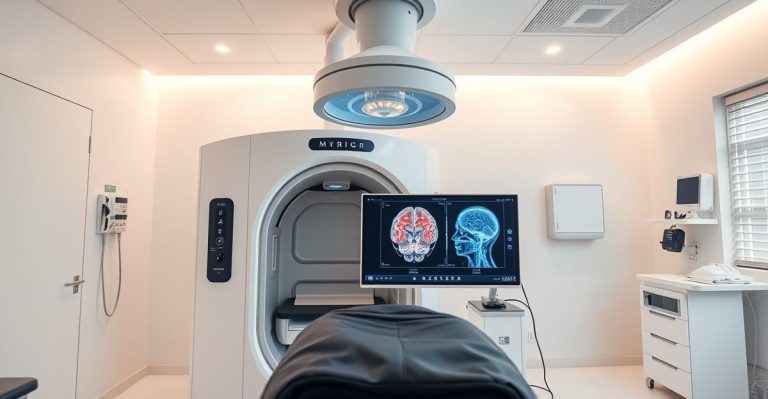
- The chamber: Clinical HBOT chambers are either monoplace (single person, acrylic tube) or multiplace (room-sized, multiple patients). Both achieve the same therapeutic pressures.
- Compression (5-10 minutes): As the chamber pressurizes, you will feel pressure in your ears – similar to descending in an airplane. You clear your ears by yawning, swallowing, or using the Valsalva maneuver (gently blowing against pinched nostrils).
- Treatment time (60-90 minutes): Once at pressure, you breathe normally through a mask or hood delivering 100% oxygen. You can rest, listen to music or podcasts, watch videos on a tablet, or simply sleep. Many patients find the sessions deeply relaxing.
- Decompression (5-10 minutes): The chamber slowly returns to normal pressure. You may feel mild popping in your ears.
Common Timeline for Improvement
- Sessions 1-10: Many patients notice improved sleep and reduced headache frequency. Some experience temporary fatigue or mild symptom fluctuation as the brain responds to increased oxygenation.
- Sessions 10-20: Cognitive improvements often begin to emerge – clearer thinking, better word-finding, improved short-term memory. Family members may notice changes before the patient does.
- Sessions 20-40: More substantial improvements in energy, mood, and cognitive endurance. Patients often describe feeling “more like themselves” for the first time since their injury.
- Sessions 40-60: Consolidation and continued improvement. Some patients experience their most significant breakthroughs in this later phase.
Not every patient follows this timeline, and some patients require the full 60 sessions before noticing meaningful benefit. Progress is often gradual rather than dramatic.
Cost and Practical Considerations
HBOT for TBI requires a significant time and financial commitment:
- Cost per session: $150 to $400, depending on location, facility type, and chamber type.
- Full protocol (40-60 sessions): $6,000 to $24,000.
- Insurance coverage: HBOT for TBI is almost never covered by insurance, as it is not FDA-approved for this indication. Some providers will work with patients on appeals, and VA coverage is available in some cases for veterans.
- Time commitment: 5 days per week for 8 to 12 weeks. Each visit requires 1.5 to 2 hours including setup time. This can be challenging for working patients – some clinics offer early morning or evening slots.
Exploring HBOT for TBI? Start Here
Before committing to a full protocol, look for a provider who (1) has specific experience treating TBI patients with HBOT, (2) uses evidence-based protocols (1.5-2.0 ATA, 40+ sessions), (3) can provide pre- and post-treatment assessments (cognitive testing, and ideally SPECT or perfusion imaging), and (4) coordinates with your existing medical team. Avoid facilities that promise a cure or recommend unproven protocols.
Frequently Asked Questions
Is HBOT FDA-approved for TBI or concussion?
No. As of 2026, HBOT is not FDA-approved for the treatment of traumatic brain injury or concussion. It is used off-label, based on a growing body of clinical evidence. The FDA has approved HBOT for 14 other conditions (including non-healing wounds, carbon monoxide poisoning, and decompression sickness), but TBI is not yet among them. This does not mean it is ineffective – it means the regulatory approval process has not been completed.
How many HBOT sessions are needed for TBI?
Most published protocols use 40 to 60 sessions. Some patients experience benefit with fewer sessions, but the research consistently shows that 40 sessions is the minimum for meaningful neuroplasticity changes. Providers who offer 5 or 10 “trial sessions” may not be giving the treatment enough time to work. If you are going to commit to HBOT for TBI, plan for the full course.
Can HBOT help years after a brain injury?
Yes. Several studies – particularly from the Israeli research group – have demonstrated significant improvements in patients with chronic TBI, including those treated 1 to 5 or more years after their initial injury. While earlier treatment may be optimal, the brain appears to retain the capacity for HBOT-supported repair well beyond the traditional “recovery window.” This is one of the most encouraging aspects of the research.
Are there any risks or side effects of HBOT for TBI?
HBOT is generally well tolerated. The most common side effects are mild ear pressure or discomfort during compression (similar to flying), temporary changes in vision (usually mild nearsightedness that resolves after treatment ends), and fatigue after sessions. Serious complications – including oxygen toxicity seizures and barotrauma – are rare at the pressures used for TBI (1.5-2.0 ATA) and occur in less than 1 in 10,000 sessions. Patients with certain conditions (untreated pneumothorax, certain ear conditions) should not undergo HBOT.
Related Reading
This article is part of our in-depth guide to oxygen-based therapies. For a broader overview of hyperbaric oxygen therapy – including all approved and off-label uses, how to find a reputable provider, and what to expect – visit our pillar guide: Hyperbaric Oxygen Therapy: The Complete Patient Guide.