Portable Hyperbaric Chambers: Are Home HBOT Units Worth It?
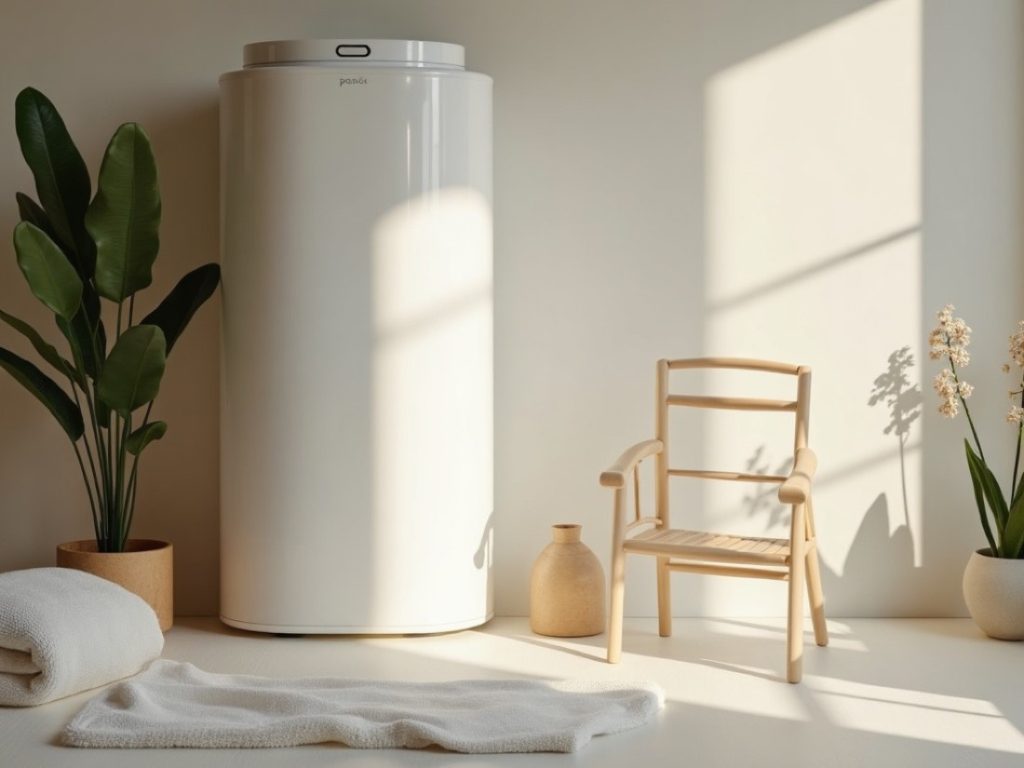
At a Glance
- What they are: Inflatable, soft-shell chambers that deliver mild hyperbaric oxygen at 1.3 to 1.5 ATA
- Cost: $5,000 to $20,000 for a home unit; $150 to $300 per session at a clinic
- Pressure limitation: Home units max out at 1.3 to 1.5 ATA; clinical hard-shell chambers reach 2.0 to 3.0 ATA
- Best for: Mild TBI recovery, general wellness, athletic recovery in people who want frequent sessions
- Not suitable for: FDA-cleared indications (wound healing, radiation injury, decompression sickness) that require higher pressures
Hyperbaric oxygen therapy (HBOT) has been used in clinical medicine for decades. It has 14 FDA-cleared indications ranging from decompression sickness to non-healing diabetic wounds. In recent years, a growing number of companies have started selling portable, soft-shell hyperbaric chambers for home use, marketed to biohackers, athletes, and patients with chronic conditions who want the convenience of daily sessions without the cost and scheduling hassles of a clinic.
The appeal is obvious: do your HBOT sessions in your living room on your own schedule. But the physics of these devices limit them to pressures well below what clinical-grade chambers deliver, and that raises a straightforward question. Is mild hyperbaric therapy at 1.3 ATA actually doing anything meaningful? Or are you paying thousands of dollars for an expensive nap inside a glorified air mattress?
This article breaks down the differences between portable and clinical-grade chambers, what the evidence shows at each pressure level, the real safety considerations, and who might actually benefit from a home unit.
Soft-Shell vs. Hard-Shell: The Fundamental Difference
The distinction between portable and clinical chambers comes down to pressure and oxygen delivery.
| Feature | Portable Soft-Shell | Clinical Hard-Shell |
|---|---|---|
| Pressure range | 1.3 to 1.5 ATA | 1.5 to 3.0 ATA |
| Oxygen delivery | Ambient air (21% O2) or concentrator (up to ~95%) | 100% medical-grade oxygen |
| Dissolved O2 increase | Modest (roughly 50% above sea level) | Substantial (10 to 15x above sea level at 2.4 ATA) |
| FDA classification | Class II medical device (OTC clearance at 1.3 ATA) | Class II medical device (Rx required) |
| Typical cost | $5,000 to $20,000 (purchase) | $150 to $300 per session; $100,000+ to purchase |
| Setting | Home use | Clinical supervision required |
The physics matter here. Henry’s Law dictates that the amount of gas dissolved in a liquid (in this case, oxygen dissolved in blood plasma) is directly proportional to the pressure of that gas above the liquid. At 1.3 ATA breathing ambient air, you get a modest increase in dissolved oxygen. At 2.4 ATA breathing 100% oxygen, you get a dramatic increase that drives oxygen deep into tissues with compromised blood supply [1].
The 1.3 ATA Limitation: What the Science Says
Most portable chambers operate at 1.3 ATA, which is equivalent to the pressure you would experience about 10 feet underwater. At this pressure breathing ambient air (21% oxygen), your blood oxygen levels increase, but modestly compared to clinical protocols.
What 1.3 ATA Can Do
The Israeli mild HBOT study (2020) is the most frequently cited evidence for low-pressure therapy. Researchers used 1.3 ATA with enriched oxygen (40%) in a randomized trial for mild traumatic brain injury (mTBI) and found improvements in cognitive function and brain imaging markers compared to a sham group [2]. This was a well-designed study, and its results suggest that even mild pressures can have biological effects, particularly in the brain.
Additional research has examined mild HBOT for post-concussion syndrome, fibromyalgia, and general cognitive performance. A 2015 study showed improvements in quality of life and pain scores in fibromyalgia patients treated with mild HBOT over 40 sessions [3]. Athletic recovery studies have reported faster clearance of lactate and reduced delayed-onset muscle soreness with low-pressure protocols [4].
What 1.3 ATA Cannot Do
The 14 FDA-cleared indications for HBOT were established using pressures of 2.0 to 3.0 ATA with 100% oxygen. These include:
- Non-healing diabetic foot ulcers
- Radiation tissue damage (osteoradionecrosis)
- Decompression sickness
- Gas gangrene and necrotizing fasciitis
- Carbon monoxide poisoning
- Crush injuries and compartment syndrome
There is no evidence that 1.3 ATA with ambient air replicates the outcomes seen in these conditions. The oxygen delivery is simply not sufficient. If you have a non-healing wound or radiation injury, you need a clinical hard-shell chamber at 2.0 ATA or above with 100% oxygen [1][5].
A Necessary Distinction
Portable chambers and clinical chambers are not just different levels of the same treatment. They deliver fundamentally different doses of oxygen to tissue. Comparing them is like comparing a brisk walk to a sprint: both have health benefits, but they produce very different physiological responses. Do not expect a 1.3 ATA home unit to replace the clinical protocols used for FDA-cleared indications.
Safety Considerations for Home Units
Portable chambers are generally safe when used as directed. The lower pressures reduce most of the risks associated with high-pressure HBOT. That said, there are real safety factors to consider.
Ear Barotrauma
Even at 1.3 ATA, the pressure change during inflation and deflation can cause ear discomfort or barotrauma if you cannot equalize properly. This is the most common side effect and is usually mild. People with chronic ear infections, Eustachian tube dysfunction, or recent ear surgery should consult their physician before using any hyperbaric chamber [5].
Fire Risk
Any environment with elevated oxygen levels carries increased fire risk. If you use an oxygen concentrator with your portable chamber, remove all electronics, synthetic fabrics that generate static, and anything that could produce a spark. Never bring a phone, tablet, or electronic device inside a chamber being used with supplemental oxygen [5].
Claustrophobia
Soft-shell chambers are smaller and less rigid than clinical units. Some people find the enclosed space uncomfortable. Most manufacturers offer chambers in different sizes, and trying one before buying is worthwhile.
Contraindications
People with untreated pneumothorax, certain types of seizure disorders, or active middle ear infections should not use hyperbaric chambers of any type. Pregnant women should consult their OB-GYN. If you are on any medications that interact with oxygen levels (bleomycin, cisplatin, doxorubicin), talk to your oncologist first [5].
Cost Comparison: Home Unit vs. Clinical Sessions
The financial math depends on how many sessions you plan to do.
| Scenario | Home Unit | Clinical Sessions |
|---|---|---|
| Upfront cost | $5,000 to $20,000 | $0 |
| Per-session cost | ~$5 to $10 (electricity) | $150 to $300 |
| 40 sessions | $5,200 to $20,400 total | $6,000 to $12,000 total |
| 100 sessions | $5,500 to $21,000 total | $15,000 to $30,000 total |
| 200 sessions | $6,000 to $22,000 total | $30,000 to $60,000 total |
| Pressure delivered | 1.3 to 1.5 ATA | 2.0 to 3.0 ATA |
If you plan on doing 40+ sessions and a mild-pressure protocol fits your situation, the home unit pays for itself. But this calculation only works if 1.3 ATA is actually appropriate for your condition. If you need 2.0+ ATA with 100% oxygen, the home unit is the wrong tool regardless of cost.
When Clinical-Grade HBOT Is Necessary
You should use a clinical hard-shell chamber if:
- You have any of the 14 FDA-cleared indications (non-healing wounds, radiation injury, decompression sickness, etc.)
- Your doctor has recommended a specific protocol at 2.0 ATA or higher
- You are seeking treatment for stroke recovery, where higher pressures have shown more consistent benefit [6]
- You are treating a serious infection where hyperoxygenation of tissue is therapeutically critical
- You need the diagnostic monitoring (vitals, oxygen saturation) that clinical settings provide
Who Actually Benefits from a Portable Chamber?
Based on the available evidence, portable chambers make the most sense for:
Athletes seeking recovery support. Mild HBOT may speed recovery between training sessions by reducing inflammation and improving oxygen delivery to fatigued muscles [4]. Professional teams in the NFL, NBA, and MMA have used portable chambers. The effect is modest, but for someone training at high volume, small edges add up.
Post-concussion and mild TBI patients. The evidence for mild HBOT in brain injury recovery is the strongest in the low-pressure literature [2]. If you are managing lingering cognitive symptoms after a concussion and want frequent sessions, a home unit allows daily treatment that would be impractical at a clinic.
General wellness and longevity enthusiasts. Some users report improved sleep, energy, and cognitive clarity with regular mild HBOT sessions. These reports are largely anecdotal, and the placebo component of spending 60 quiet minutes in a pressurized chamber should not be dismissed. But the biological plausibility is there: even modest increases in dissolved oxygen can support cellular metabolism and reduce systemic inflammation.
Chronic condition management (adjunctive). Patients with fibromyalgia, chronic fatigue, or Lyme disease sometimes report symptom improvement with regular mild HBOT [3]. The evidence base is limited, and these should be considered experimental uses rather than proven treatments.
What to Look for When Buying a Portable Chamber
If you decide a home unit makes sense for your situation, here is what to evaluate:
- Pressure rating: Confirm it reaches at least 1.3 ATA. Some budget units only reach 1.2 ATA, which may be too low for measurable benefit.
- Size: Make sure you can lie flat or sit comfortably. Try before you buy if possible.
- Zipper quality: The zipper is the weakest point on soft-shell chambers. Look for heavy-duty, dual-layer zippers with a pressure-relief valve.
- Compressor noise: Compressors run the entire session. Noise levels vary from tolerable to disruptive. Check decibel ratings.
- Oxygen concentrator compatibility: If you plan to breathe enriched oxygen (not just ambient air), confirm the chamber is compatible and that the concentrator delivers at least 93% O2 at the necessary flow rate.
- Warranty and support: Chambers require maintenance. Check for warranty length, replacement part availability, and manufacturer responsiveness.
- FDA clearance: Only use chambers that are FDA-cleared as Class II medical devices. Avoid gray-market imports that lack regulatory oversight.
Top Portable Chamber Models Compared
| Model | Brand | Diameter | Pressure | Price | FDA Cleared |
|---|---|---|---|---|---|
| C4-27 | Newtowne | 27″ | 1.3 ATA | $4,495 | Yes |
| Shallow Dive | Summit to Sea | 26″ | 1.3 ATA | ~$4,000 to $5,500 | Yes |
| The Dive | Summit to Sea | 33″ | 1.3 ATA | ~$6,500 to $8,500 | Yes |
| Solace 210 | OxyHealth | 21″ | 1.3 ATA | ~$6,500 to $8,000 | Yes |
| Vitaeris 320 | OxyHealth | 32″ | 1.3 ATA | ~$18,000 to $23,000 | Yes |
| Apex32 | OxyRevo | 32″ | 1.5 ATA | $8,499 | No (CE only) |
The OxyHealth Vitaeris 320 anchors the premium end; the Newtowne C4-27 anchors the budget end.
Should You Buy or Rent?
Rent to test the routine or for a short recovery goal; buy if you will use it 60+ sessions a year. Rental programs run $300 to $700 per month for soft chambers. Purchasing breaks even against clinic visits after 12 to 30 sessions at $200 to $500 per session. But home chambers deliver 1.3 ATA with air, not clinical 2.0+ ATA. It is not a like-for-like comparison.
For a fuller buying guide including home installation considerations, see the home hyperbaric chamber guide. For clinical-grade options at higher pressures, see the hard versus soft shell guide. For a step up in pressure within the portable category, the mild hyperbaric chamber guide covers 1.3 ATA options in full.
Running Costs and Accessories
The purchase price is not the total cost. An oxygen concentrator (5 or 10 LPM) adds $800 to $2,500 upfront, or $200 to $400/month as a rental. Electricity consumption for the compressor runs approximately $0.50 to $1.00 per session at average US rates. Replacement zipper seals and pressure gauge calibration are the most common maintenance items, typically $100 to $300 annually. Compressor rebuild or replacement costs $500 to $1,500 after 3 to 5 years of heavy use.
Total annual operating cost for a portable chamber used 3 to 5 times per week runs $500 to $1,500, not including the oxygen concentrator. Add $2,400 to $4,800 per year if renting a concentrator. For a full cost breakdown including purchase price and running costs by brand, see the hyperbaric chamber cost guide and the live chamber price index.
The Bottom Line
Portable hyperbaric chambers are a legitimate tool for a specific set of use cases. They deliver mild hyperbaric pressure that can modestly increase tissue oxygenation and may benefit athletes, concussion recovery patients, and people seeking wellness-oriented HBOT on a convenient schedule.
They are not a substitute for clinical-grade HBOT. If your condition requires pressures above 1.5 ATA with 100% oxygen, a portable unit will not get you there, and no amount of daily sessions at 1.3 ATA will replicate what a hard-shell chamber delivers at 2.4 ATA. Match the tool to the job. For a full overview of HBOT, how it works, and what the evidence covers, see our hyperbaric oxygen therapy guide.
Related Reading
References
[1] Tibbles PM, Edelsberg JS. Hyperbaric-oxygen therapy. N Engl J Med. 1996;334(25):1642-1648.
[2] Hadanny A, Abbott S, Suzin G, et al. Effect of hyperbaric oxygen therapy on chronic neurocognitive deficits of post-concussion syndrome. Sci Rep. 2020;10:18098.
[3] Efrati S, Golan H, Bechor Y, et al. Hyperbaric oxygen therapy can diminish fibromyalgia syndrome. PLoS ONE. 2015;10(5):e0127012.
[4] Ishii Y, Deie M, Adachi N, et al. Hyperbaric oxygen as an adjuvant for athletes. Sports Med. 2005;35(9):739-746.
[5] Undersea and Hyperbaric Medical Society. Indications for hyperbaric oxygen therapy. 14th edition. 2019.
[6] Efrati S, Fishlev G, Bechor Y, et al. Hyperbaric oxygen induces late neuroplasticity in post-stroke patients. PLoS ONE. 2013;8(1):e53716.




2 Comments