Rectal Ozone Therapy: How It Works, What It Treats, and What the Evidence Says

At a Glance
- Rectal ozone insufflation delivers a precise mixture of ozone and oxygen gas into the rectum, where it absorbs through the mucosal lining into the bloodstream
- The proposed mechanism involves oxidative preconditioning, which upregulates the body’s own antioxidant defenses and modulates immune function
- Practitioners use it for gut health conditions, chronic infections, autoimmune diseases, and general immune support
- It is the most accessible form of systemic ozone therapy, with lower cost and simpler logistics compared to IV ozone (major autohemotherapy)
- Clinical evidence is growing but remains limited to small studies and case series; large randomized controlled trials are lacking
What Is Rectal Ozone Therapy?
Rectal ozone therapy, formally called rectal ozone insufflation, involves introducing a measured volume of medical-grade ozone/oxygen gas mixture into the rectum through a small catheter. The gas is absorbed through the rectal mucosa, a highly vascularized tissue with significant absorptive capacity, and enters the systemic circulation [1].
Next step: Read the ozone therapy guide, then browse vetted clinics that list ozone modalities.
Ozone (O3) is a triatomic form of oxygen. It is inherently unstable, meaning it reacts rapidly with biological tissues. When ozone contacts the mucosal lining, it does not enter the bloodstream as ozone. Instead, it reacts with the lipids and water in the mucosal surface to produce reactive oxygen species (ROS) and lipid oxidation products (LOPs), particularly hydrogen peroxide and 4-hydroxynonenal. These secondary messengers are what produce the biological effects [2].
This distinction matters. Ozone therapy is not “putting ozone in your blood.” It is using ozone as a trigger to generate signaling molecules that activate specific cellular pathways.
How Ozone Works in the Body
Oxidative Preconditioning
The central concept behind ozone therapy is oxidative preconditioning. When the body encounters a controlled, mild oxidative stress (like the ROS generated from ozone-mucosa contact), it responds by upregulating its endogenous antioxidant defense systems. This includes increased production of superoxide dismutase (SOD), glutathione peroxidase, catalase, and heme oxygenase-1 [3].
Think of it like exercise for your antioxidant system. A workout creates temporary muscle stress that triggers adaptation and strengthening. Ozone creates a brief, controlled oxidative signal that triggers a broader and more robust antioxidant response than what existed before treatment.
The key mediator is the transcription factor Nrf2 (nuclear factor erythroid 2-related factor 2). Ozone-derived ROS activate Nrf2, which then translocates to the nucleus and switches on genes responsible for antioxidant enzyme production, detoxification pathways, and anti-inflammatory signaling [4].
Immune Modulation
Ozone does not simply “boost” the immune system. The effect appears to be modulatory, meaning it can both stimulate underactive immune responses and calm overactive ones, depending on the clinical context [5].
At the cellular level, ozone-derived messengers influence:
- Cytokine production: Low-dose ozone has been shown to increase interferon-gamma and interleukin-2 (Th1 cytokines involved in antiviral and anticancer immunity) while reducing pro-inflammatory cytokines like TNF-alpha and IL-6 in chronic inflammatory states
- Macrophage activation: Ozone activates macrophages, improving their phagocytic capacity (ability to engulf and destroy pathogens)
- Natural killer cell activity: Some studies show enhanced NK cell function following ozone exposure
- Regulatory T cell function: Evidence suggests ozone may support regulatory T cell activity, which is critical for preventing autoimmune overreaction
Improved Oxygen Delivery
Ozone increases the production of 2,3-diphosphoglycerate (2,3-DPG) in red blood cells. This molecule shifts the oxygen-hemoglobin dissociation curve to the right, meaning hemoglobin releases oxygen more readily to tissues. The result is improved tissue oxygenation, particularly in areas with compromised blood flow [6].
Antimicrobial Effects
Ozone has direct antimicrobial properties against bacteria, viruses, fungi, and parasites. In the context of rectal insufflation, the antimicrobial action occurs primarily at the mucosal surface, where ozone contacts the local microbial environment directly. This has led to interest in rectal ozone for dysbiosis, small intestinal bacterial overgrowth (SIBO), and chronic gut infections [7].
Conditions Targeted by Rectal Ozone Therapy
Gut Health and Digestive Disorders
Rectal insufflation delivers ozone directly to the intestinal mucosa, making it a logical choice for gut-centered conditions. Practitioners report using it for:
- Inflammatory bowel disease (ulcerative colitis and Crohn’s disease)
- Irritable bowel syndrome (IBS)
- SIBO
- Chronic candida overgrowth
- Leaky gut (increased intestinal permeability)
A 2020 study in patients with ulcerative colitis found that rectal ozone insufflation combined with standard therapy led to significant improvements in clinical symptoms and mucosal healing compared to standard therapy alone [8]. The local anti-inflammatory and tissue-healing effects of ozone on the rectal and colonic mucosa are likely the primary drivers of these benefits.
Autoimmune Conditions
The immune-modulatory properties of ozone have led to its application in autoimmune diseases including rheumatoid arthritis, multiple sclerosis, and Hashimoto’s thyroiditis. The rationale is that ozone-mediated Nrf2 activation suppresses NF-kB (the master inflammatory transcription factor), shifts immune balance away from excessive Th17 responses, and supports regulatory T cell function [9].
Clinical evidence in autoimmune disease remains preliminary. Most published data comes from case series and small pilot studies, not large randomized trials. The immunological rationale is sound, but rigorous clinical validation is still needed.
Chronic Infections
Rectal ozone is used by integrative practitioners for chronic Lyme disease, chronic viral infections (including Epstein-Barr virus reactivation), and parasitic infections. The dual antimicrobial and immune-stimulating properties make it an appealing adjunctive tool, particularly when conventional antimicrobial therapies have been insufficient [10].
General Immune Support and Detoxification
Many patients pursue rectal ozone therapy not for a specific diagnosis but for general immune optimization, energy improvement, and support of detoxification pathways. The Nrf2-mediated upregulation of phase II detoxification enzymes (including glutathione-S-transferase and UDP-glucuronosyltransferase) provides a plausible mechanism for enhanced toxin clearance [4].
The Procedure: What to Expect
Clinical Rectal Ozone
In a clinical setting, rectal ozone insufflation is straightforward and takes about 15-30 minutes:
Preparation: Ideally, the rectum should be relatively empty. Some practitioners recommend a small water enema or a bowel movement before the procedure. You will lie on your side (left lateral decubitus position is standard).
Gas generation: A medical-grade ozone generator produces an ozone/oxygen mixture at a specified concentration, typically 20-40 micrograms per milliliter (mcg/mL). The concentration is set by the clinician based on the clinical indication and the patient’s treatment history.
Insufflation: A lubricated rectal catheter (a thin, flexible tube) is gently inserted 2-4 inches into the rectum. The ozone/oxygen gas is slowly introduced over several minutes. Typical volumes range from 100-300 mL per session. The gas fills the rectum and lower colon, where it contacts the mucosal surface and is absorbed.
Retention: You lie still for 10-20 minutes to allow absorption. Most patients experience mild fullness or pressure. Some pass a small amount of gas during or after the procedure, which is normal.
Frequency: Protocols vary by condition. Common schedules include 2-3 sessions per week for 4-8 weeks (acute protocols) followed by weekly or biweekly maintenance. Some conditions call for intensive daily sessions for short periods.
At-Home Protocols
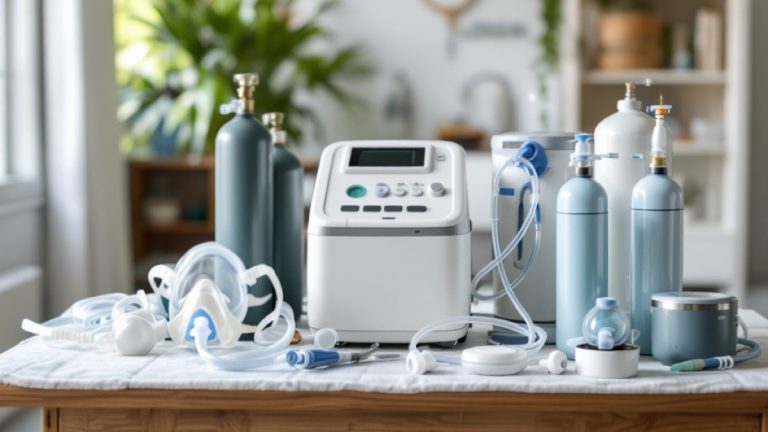
Rectal ozone insufflation is one of the few ozone therapy modalities that can be performed at home, which is a major reason for its popularity. Home setups require:
- A medical-grade ozone generator capable of producing precise ozone concentrations (oxygen-fed, not air-fed)
- An oxygen tank or oxygen concentrator as the source gas
- A silicone catheter bag or syringe system for gas delivery
- Rectal catheters (single-use, lubricated)
The total cost for a home ozone setup ranges from $1,000-3,000 for the generator and accessories, making it a significant upfront investment but economical over time compared to repeated clinic visits ($75-200 per session).
If you are considering at-home rectal ozone, get trained by a practitioner experienced in ozone therapy first. Incorrect ozone concentrations, excessive volumes, or improper technique can cause rectal irritation or cramping. Start with low concentrations (15-20 mcg/mL) and smaller volumes (100-150 mL) and increase gradually [11].
Safety Considerations
Rectal ozone therapy has a strong safety profile when performed correctly. A systematic review of ozone therapy adverse events reported a rate of approximately 0.0007% across all ozone modalities, making it one of the lowest-risk complementary therapies studied [12].
Common and minor:
- Mild bloating or cramping during insufflation
- Passing gas after the procedure
- Temporary mild rectal discomfort
Uncommon:
- Rectal irritation (usually from too-high concentrations or too-rapid insufflation)
- Herxheimer-type reactions (fatigue, malaise, headache) in patients with chronic infections, thought to result from pathogen die-off
Contraindications:
- Active rectal bleeding or hemorrhoids that are actively inflamed
- Severe inflammatory bowel disease flare (relative contraindication; some practitioners use very low concentrations during mild flares)
- G6PD deficiency (glucose-6-phosphate dehydrogenase deficiency), a genetic condition that impairs the body’s ability to handle oxidative stress. This is an absolute contraindication for all ozone therapy [13]
- Pregnancy (insufficient safety data)
- Hyperthyroidism (relative contraindication due to potential metabolic stimulation)
How Rectal Ozone Compares to IV Ozone (MAH)
Major autohemotherapy (MAH) is the most studied form of systemic ozone therapy. In MAH, 100-250 mL of the patient’s blood is drawn into a sterile container, mixed with a precise ozone/oxygen concentration, and then reinfused. It is considered the gold standard for systemic ozone delivery [1].
Rectal insufflation is sometimes called “the poor man’s MAH” because it achieves systemic effects through a simpler, less invasive route. Research by Viebahn-Hansler suggests that rectal insufflation can achieve approximately 80% of the systemic effect of MAH at equivalent ozone doses, primarily because the rectal mucosa is highly absorptive and has excellent venous drainage directly into the portal circulation [14].
Practical differences include:
- Invasiveness: Rectal insufflation requires no blood draw, IV access, or specialized blood-handling equipment
- Cost: Significantly lower per session and feasible for home use
- Accessibility: Can be performed at home after proper training
- Gut-specific effects: Rectal insufflation has direct local effects on the intestinal mucosa that MAH does not provide
- Evidence base: MAH has more published clinical research, though rectal insufflation studies are accumulating
Research Status
Ozone therapy as a whole exists in a challenging regulatory and research landscape. It is widely practiced in Europe (particularly Germany, Italy, Spain, and Russia), Cuba, and parts of Asia, but it remains a complementary or integrative therapy without FDA approval in the United States. The FDA has issued statements that ozone is a “toxic gas with no known useful medical application,” though this position has been criticized by ozone therapy practitioners and researchers as outdated and inconsistent with the published evidence [15].
The research that does exist is largely positive but methodologically limited. Most studies are small, single-center, and lack the blinding and placebo controls that regulatory agencies require. The Madrid Declaration on Ozone Therapy (2020) and the work of the International Scientific Committee of Ozone Therapy (ISCO3) have sought to standardize protocols and promote rigorous research, but funding remains a barrier since ozone cannot be patented as a pharmaceutical product [1].
For patients considering rectal ozone therapy, the honest assessment is this: the biological mechanisms are plausible and well-characterized at the molecular level, clinical results are frequently positive, the safety profile is excellent, and the cost is reasonable. What is missing is the volume of large, well-designed clinical trials that would move it from “promising complementary therapy” to “evidence-based standard of care.”
How Much Does Rectal Ozone Therapy Cost?
| Option | Cost | Notes |
|---|---|---|
| Single clinic session | $75-$150 | Varies by location and practitioner |
| Initial series (10 sessions) | $750-$1,500 | Some clinics offer package discounts |
| Home ozone generator | $2,500-$4,000 | One-time cost for medical-grade unit |
| Oxygen tank refill | $20-$50 | Lasts many sessions |
| Disposable catheters | $1-$3 each | Single-use recommended |
Insurance does not typically cover ozone therapy. A few integrative practices fold it into broader treatment packages, but expect to pay out of pocket for the ozone component.
Related Reading
References
- Bocci V. “Ozone: A New Medical Drug.” 2nd ed. Springer; 2011. doi:10.1007/978-90-481-9234-2
- Bocci V, Borrelli E, Travagli V, Zanardi I. “The ozone paradox: ozone is a strong oxidant as well as a medical drug.” Medicinal Research Reviews. 2009;29(4):646-682. doi:10.1002/med.20150
- Re L, Mawsouf MN, Menendez S, Leon OS, Sanchez GM, Hernandez F. “Ozone therapy: clinical and basic evidence of its therapeutic potential.” Archives of Medical Research. 2008;39(1):17-26. doi:10.1016/j.arcmed.2007.07.005
- Galie M, Covi V, Tabaracci G, Malatesta M. “The Role of Nrf2 in the Antioxidant Cellular Response to Medical Ozone Exposure.” International Journal of Molecular Sciences. 2019;20(16):4009. doi:10.3390/ijms20164009
- Bocci V, Valacchi G. “Nrf2 activation as target to implement therapeutic treatments.” Frontiers in Chemistry. 2015;3:4. doi:10.3389/fchem.2015.00004
- Bocci V, Zanardi I, Travagli V. “Ozone acting on human blood yields a hormetic dose-response relationship.” Journal of Translational Medicine. 2011;9:66. doi:10.1186/1479-5876-9-66
- Elvis AM, Ekta JS. “Ozone therapy: A clinical review.” Journal of Natural Science, Biology and Medicine. 2011;2(1):66-70. doi:10.4103/0976-9668.82319
- Tartari APS, Moreira FF, Pereira MCS, et al. “Ozone therapy as an adjuvant treatment in ulcerative colitis: A randomized clinical trial.” Scandinavian Journal of Gastroenterology. 2020;55(6):677-683. doi:10.1080/00365521.2020.1773460
- Delgado-Roche L, Riera-Romo M, Mesta F, et al. “Medical ozone promotes Nrf2 phosphorylation reducing oxidative stress and pro-inflammatory cytokines in multiple sclerosis patients.” European Journal of Pharmacology. 2017;811:148-154. doi:10.1016/j.ejphar.2017.06.017
- Rowen RJ, Robins H. “Ozone Therapy for Complex Regional Pain Syndrome: Review and Case Report.” Current Pain and Headache Reports. 2019;23(6):41. doi:10.1007/s11916-019-0776-y
- ISCO3 (International Scientific Committee of Ozone Therapy). “Madrid Declaration on Ozone Therapy.” 3rd ed. 2020.
- Jacobs MT. “Untersuchung uber Zwischenfalle und typische Komplikationen in der Ozon-Sauerstoff-Therapie.” OzoNachrichten. 1982;1:5-8.
- Smith NL, Wilson AL, Gandhi J, Vatsia S, Khan SA. “Ozone therapy: an overview of pharmacodynamics, current research, and clinical utility.” Medical Gas Research. 2017;7(3):212-219. doi:10.4103/2045-9912.215752
- Viebahn-Hansler R. “The Use of Ozone in Medicine.” 5th ed. ODREI Publishers; 2007.
- U.S. Food and Drug Administration. “CFR – Code of Federal Regulations Title 21, Section 801.415.” Accessed 2025.